In This Article
ToggleSleep is not just about when you go to bed. What you eat in the evening has a direct effect on how fast you fall asleep, how often you wake up, and how rested you feel in the morning. Most people focus on mattresses, routines, and screens. Diet often gets ignored. That is a mistake.
The goal at night is simple. Keep blood sugar stable. Avoid foods that overstimulate the brain. Support the natural release of melatonin and calming neurotransmitters.
When dinner and late-night snacks are chosen well, sleep becomes easier and deeper. When they are not, you get restless nights, early wake-ups, or poor-quality sleep.
This guide breaks down what actually works.
How food affects sleep
Your brain needs specific nutrients to switch into sleep mode. Tryptophan helps the body produce serotonin and melatonin. Magnesium relaxes muscles and the nervous system. Complex carbohydrates support steady blood sugar. Protein prevents late-night hunger spikes.
On the other hand, heavy, spicy, sugary, or highly processed foods disrupt digestion and hormone balance. That leads to acid reflux, temperature changes, and nighttime awakenings.
Timing matters too. Eating a large meal too close to bed forces the body to focus on digestion instead of rest. Going to bed hungry is also a problem. Both extremes hurt sleep quality.
The sweet spot is a balanced dinner 2–3 hours before bed and a light snack if needed.
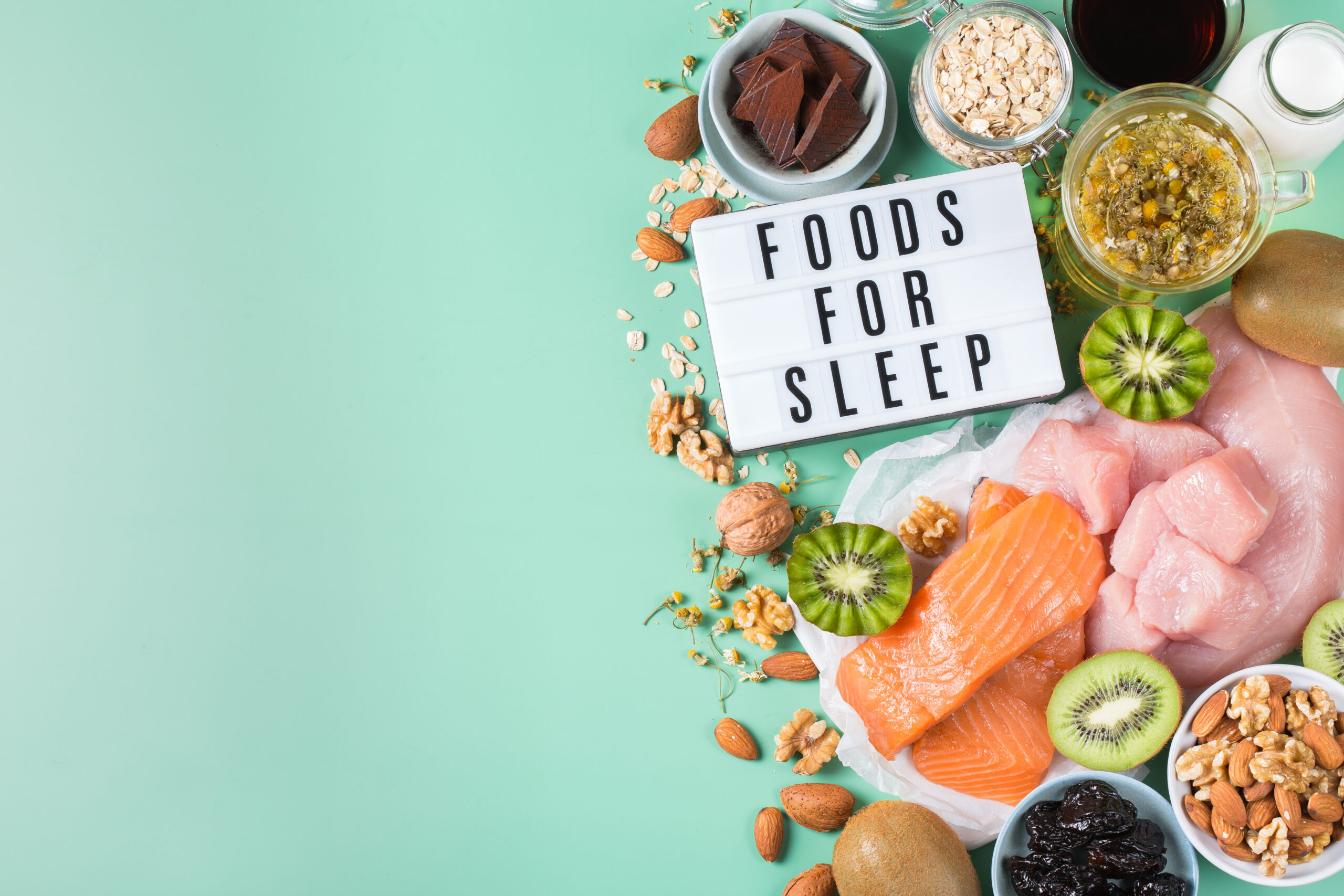
Foods that help you sleep better
Here are simple, calming foods that support relaxation at night and may help support better sleep.
1. Warm milk or curd
Dairy contains tryptophan and calcium. Both help the brain produce melatonin. A small glass of warm milk or a bowl of curd in the evening can promote calmness. It also prevents hunger that can wake you up at night.
A 2020 review of 14 studies across toddlers, children, adults, and older adults found that a balanced diet with milk, yogurt, or cheese may improve sleep quality, though results varied due to differences in participants, locations, and study methods.
Keep portions moderate. Too much dairy right before bed can feel heavy.
2. Bananas
Bananas are one of the simplest sleep foods. They provide magnesium, potassium, and vitamin B6. These nutrients support muscle relaxation and melatonin production.
A small banana with a spoon of peanut butter makes a solid bedtime snack. It keeps blood sugar stable through the night.
3. Nuts
Nuts contain healthy fats, magnesium, and small amounts of melatonin. They reduce nighttime hunger and support stable energy levels.
A pilot study of 46 college students found that on days they ate peanuts or tree nuts, overall diet quality was higher and sleep quality slightly better the following night. A review of four clinical trials showed mixed results, but regular nut intake may support healthier sleep and diet.
A small handful is enough. Eating too many adds excess calories and may feel heavy before bed.
4. Oats
Oats are not just for breakfast. They contain complex carbs and a natural source of melatonin. A small bowl of oats in the evening can help the brain relax and prepare for sleep.
Keep it light. Use warm milk and avoid large amounts of sugar.
5. Kiwi
Kiwi has been linked to better sleep onset and quality. It contains melatonin, which may help regulate the sleep–wake cycle. Eating one or two kiwis about an hour before bed may help some people fall asleep faster.
A 2023 study in elite athletes found that eating two green kiwifruits nightly for four weeks improved sleep quality, total sleep time, and sleep efficiency, while reducing night awakenings and stress. Researchers suggest kiwifruit may support better sleep and recovery.
It is light, easy to digest, and low in calories.
6. Chamomile tea
Chamomile tea is widely used as a natural sleep aid. It contains apigenin, a plant compound that binds to receptors in the brain and promotes relaxation. Drinking a warm cup in the evening can help calm the nervous system and make it easier to wind down before bed.
Research on chamomile and sleep shows mixed results.
A small 28-day trial in adults with chronic insomnia found that chamomile supplements did not significantly improve sleep time, quality, or night awakenings compared with placebo.
However, another trial in older adults found that drinking chamomile tea daily for several weeks improved sleep scores and reduced insomnia symptoms.
More research is needed to confirm chamomile’s effects on sleep, as results appear to vary by population and form.
It’s caffeine-free, gentle on the stomach, and helps create a consistent bedtime routine. One cup 30–60 minutes before bed is enough. Avoid adding too much sugar, which can disrupt sleep.
7. Rice and simple carbs at dinner
A moderate portion of rice with protein and vegetables can support sleep for some people. Carbohydrates help tryptophan enter the brain, which may support serotonin and melatonin production.
The key is balance. Pair rice with dal, tofu, eggs, or chicken. Avoid heavy fried sides.
8. Fatty fish
Fatty fish like salmon, sardines, and mackerel are exceptionally rich in vitamin D and omega-3 fats.
These nutrients support serotonin production and help reduce inflammation, which may support better sleep over time. Eating fatty fish for dinner a few times a week can be a helpful habit.
Keep cooking methods simple. Grilled or lightly sautéed works best.
9. Pumpkin seeds
Pumpkin seeds are rich in magnesium and zinc, minerals that help calm the nervous system and support normal hormone function.
They are also a great source of tryptophan, which the body uses to produce serotonin, a neurotransmitter involved in mood. Supporting mood in the evening may indirectly support better sleep for some people.
A small spoon added to dinner or eaten as a snack is enough.
10. Lentils and legumes
Dal, chickpeas, and beans provide complex carbs and protein. They support stable blood sugar and help prevent late-night hunger. Diet studies also link higher intake of legumes and whole foods with better sleep quality overall.
Avoid overly spicy preparations at night.
11. Tart cherries
Tart cherries contain natural melatonin and compounds that support the body’s sleep–wake rhythm.
A review of eight trials found that tart cherry intake did not clearly improve people’s perceived sleep, but objective measures showed longer total sleep time and better sleep efficiency compared with placebo. Results varied between studies, so tart cherry may help sleep, though more research is needed.
A small glass of unsweetened tart cherry juice in the evening or a modest portion of the fruit works. Avoid heavily sweetened versions. The goal is to support melatonin without spiking blood sugar.
12. Chicken and turkey
Chicken and turkey provide lean protein and tryptophan, an amino acid involved in serotonin and melatonin production.
When eaten with a moderate portion of carbohydrates like rice or roti, tryptophan is more likely to reach the brain and support relaxation.
Keep portions moderate and cooking simple. Grilled, baked, or lightly sautéed works best.
Avoid heavy, spicy, or fried preparations at night, as they slow digestion and can disrupt sleep.
What to avoid at night
Some foods interfere with sleep even if they seem harmless.
1. Caffeine
Caffeine blocks sleep pressure in the brain. Coffee, tea, cola, and chocolate can all affect sleep. Some people are sensitive even 6–8 hours after consumption.
Cut caffeine after mid-afternoon. If sleep is poor, stop earlier.
2. Heavy, greasy meals
Fried foods and heavy gravies slow digestion. This increases the risk of acid reflux and discomfort when lying down. The body stays active digesting instead of resting.
Keep dinner lighter than lunch. Focus on balance, not heaviness.
3. Spicy foods
Spicy meals can raise body temperature and trigger heartburn. Both disrupt sleep. If you enjoy spice, keep it moderate at dinner and avoid it late at night.
4. Sugary desserts
Sugar causes a spike in blood glucose followed by a drop. That drop can wake you up in the middle of the night. High sugar intake also increases restlessness.
If you want something sweet, choose fruit or a small piece of dark chocolate earlier in the evening.
5. Alcohol
Alcohol makes people feel sleepy at first. But it disrupts sleep cycles later in the night. It reduces deep sleep and causes early waking.
Avoid drinking close to bedtime. If consumed, keep it minimal and early in the evening.
6. Ultra-processed snacks
Chips, instant noodles, packaged sweets, and fast food contain excess salt, sugar, and unhealthy fats. These foods overstimulate the body and disrupt digestion.
They also lead to nighttime thirst and poor sleep quality.
7. Large amounts of water
Hydration matters, but drinking large amounts right before bed leads to frequent bathroom trips. Reduce fluid intake in the final hour before sleep.
Stay hydrated earlier in the day.
Ideal evening eating routine
A good night of sleep starts with a structured evening routine.
Dinner timing:
Eat dinner 2–3 hours before bed. This gives the body time to digest.
Balanced plate:
Include protein, complex carbs, and vegetables. For example, rice with dal and vegetables. Or roti with paneer and greens. Or fish with rice and salad.
Light snack if needed:
If you feel hungry before bed, eat a small snack. Banana with nuts. Warm milk. A small bowl of oats. Keep it light.
Avoid extremes:
Do not go to bed overly full. Do not go to bed starving. Both cause sleep disruption.
Common mistakes that ruin sleep
Late heavy dinners
Eating a large meal at 10 or 11 pm forces the body to digest during sleep. This leads to poor rest.
Overreliance on sugar
Many people eat sweets at night for comfort. This causes blood sugar swings and restless sleep.
Caffeine too late
Evening tea or coffee is a major reason for insomnia. Many people underestimate its effect.
Skipping dinner
Going to bed hungry raises cortisol levels. That leads to early waking and poor sleep quality.
Too much screen time with snacks
Mindless late-night snacking while using screens leads to overeating and poor food choices.
Final thoughts
Better sleep often starts in the kitchen. You do not need special supplements or complicated routines. Focus on simple, balanced meals. Eat at consistent times. Avoid overstimulating foods at night. Support the body with nutrients that promote calmness.
The changes are small. The impact is not. Within a week or two, most people notice deeper sleep, fewer awakenings, and better mornings.
Consistency matters more than perfection. Eat in a way that helps your body wind down, not stay alert. Sleep will follow.
- Komada Y, Okajima I, Kuwata T. The Effects of Milk and Dairy Products on Sleep: A Systematic Review. Int J Environ Res Public Health. 2020 Dec 16;17(24):9440. doi: 10.3390/ijerph17249440. PMID: 33339284; PMCID: PMC7766425.
- Tindall, A.; Kissell, M.C. The Role of Peanuts and Tree Nuts in Improving Diet and Sleep Quality: A Pilot Study and Literature Review. Nutrients 2026, 18, 579. https://doi.org/10.3390/nu18040579
- Ebrahim YM, Sadek MA, Sabry MO, Lotfy RM, El-Dessouki AM, Abou-Hussein D, El-Shiekh RA, ElBishbishy RM. Integrative sleep management: from molecular pathways to conventional and herbal treatments. Naunyn Schmiedebergs Arch Pharmacol. 2025 Oct;398(10):13515-13543. doi: 10.1007/s00210-025-04183-y. Epub 2025 May 8. PMID: 40338321; PMCID: PMC12511158.
- Doherty R, Madigan S, Nevill A, Warrington G, Ellis JG. The Impact of Kiwifruit Consumption on the Sleep and Recovery of Elite Athletes. Nutrients. 2023 May 11;15(10):2274. doi: 10.3390/nu15102274. PMID: 37242157; PMCID: PMC10220871.
- Araújo, P.C.; Ramos, C.C.; de Oliveira, D.B. Investigation into the Sleep-Promoting Effects of the Traditional Use of Passionflower (Passiflora spp.), Chamomile (Matricaria chamomilla L.) and Mulungu (Erythrina spp.) in Brazil. Drugs Drug Candidates 2025, 4, 11. https://doi.org/10.3390/ddc4010011
- Zick SM, Wright BD, Sen A, Arnedt JT. Preliminary examination of the efficacy and safety of a standardized chamomile extract for chronic primary insomnia: a randomized placebo-controlled pilot study. BMC Complement Altern Med. 2011 Sep 22;11:78. doi: 10.1186/1472-6882-11-78. PMID: 21939549; PMCID: PMC3198755.
- Benton D, Bloxham A, Gaylor C, Brennan A, Young HA. Carbohydrate and sleep: An evaluation of putative mechanisms. Front Nutr. 2022 Sep 21;9:933898. doi: 10.3389/fnut.2022.933898. PMID: 36211524; PMCID: PMC9532617.
- Batool M, Ranjha MMAN, Roobab U, Manzoor MF, Farooq U, Nadeem HR, Nadeem M, Kanwal R, AbdElgawad H, Al Jaouni SK, Selim S, Ibrahim SA. Nutritional Value, Phytochemical Potential, and Therapeutic Benefits of Pumpkin (Cucurbita sp.). Plants (Basel). 2022 May 24;11(11):1394. doi: 10.3390/plants11111394. PMID: 35684166; PMCID: PMC9182978.
- Alghamdi NA, Almasaudi AS. Evaluating dietary habits of adults and their relationship with sleep quality in the Kingdom of Saudi Arabia. Front Nutr. 2025 Oct 27;12:1664739. doi: 10.3389/fnut.2025.1664739. PMID: 41220707; PMCID: PMC12597755.
- Stretton, B., Eranki, A., Kovoor, J. et al. Too Sour to be True? Tart Cherries (Prunus cerasus) and Sleep: a Systematic Review and Meta-analysis. Curr Sleep Medicine Rep 9, 225–233 (2023). https://doi.org/10.1007/s40675-023-00261-w
- Sejbuk M, Mirończuk-Chodakowska I, Witkowska AM. Sleep Quality: A Narrative Review on Nutrition, Stimulants, and Physical Activity as Important Factors. Nutrients. 2022 May 2;14(9):1912. doi: 10.3390/nu14091912. PMID: 35565879; PMCID: PMC9103473.
Note: References above are used under open access licences CC BY 2.0 and CC BY 4.0