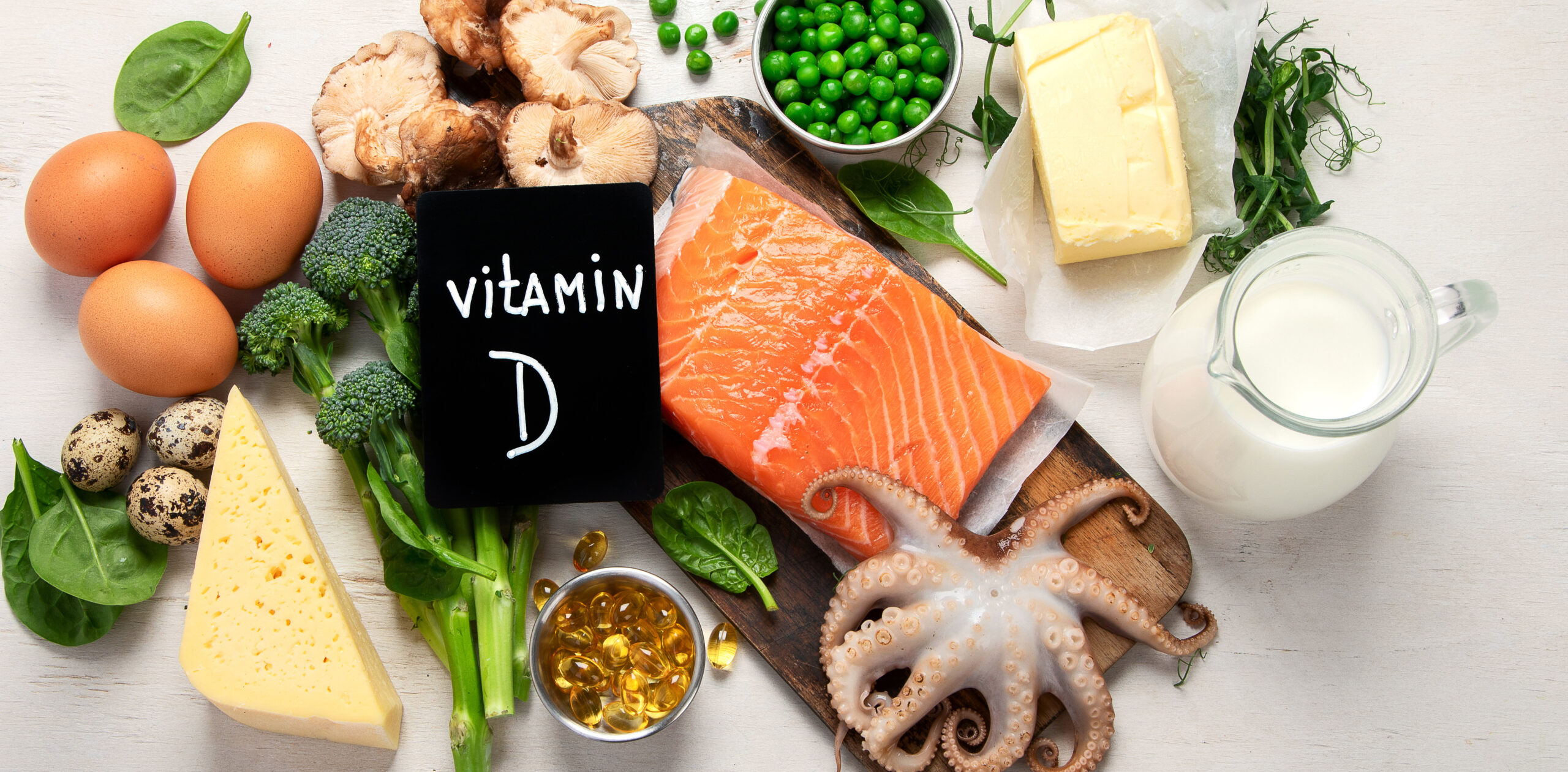
Vitamin D, often called the “sunshine vitamin,” plays an important role in bone health, calcium absorption, and immune function. However, vitamin D deficiency remains a widespread global concern, affecting people in many parts of the world.
Although sunlight helps your body produce vitamin D, certain foods can also help you meet your daily needs.
According to the National Institutes of Health (NIH), most adults need 15 mcg (600 IU) of vitamin D daily.
So, which foods can help you get enough? Let’s explore the best foods high in vitamin D and how much they provide.
Sun Exposure
Although sun exposure is main source of vitamin D, we wear sunscreen or coverup the skin in peak ours of sunlight and people with more melanin produce less vitamin D through their skin.
And it may not be possible on all the places of earth to get enough sun exposure round the year. So along with the sun exposure adding foods high in vitamin D is a better choice for good health.
Foods high in vitamin D
Fortunately, several foods can help you boost your vitamin D intake, with fatty fish among the richest natural sources. Let’s look at the best options and how much vitamin D each one provides.
1. Fatty Fish
Fatty fish like salmon, tuna, and mackerel aren’t just delicious—they’re packed with nutrition! Rich in Omega-3s and loaded with a significant dose of vitamin D, these fish make a tasty and healthy addition to your diet.
For instance, 3.5 ounces (100 grams) of cooked mackerel contains 457 IU of vitamin D, which covers 76% of the daily value (DV).
A 100-gram serving of rainbow trout provides 759 IU of vitamin D—over 125% of the daily value—making it an excellent natural source of this essential nutrient.
According to Boston University, a serving (3.5 ounces) of Sardines contain 330 IU (55% of the DV) of vitamin D. Mackerel, on the other hand provides 81.6 IU (14% of the DV) of vitamin D per serving (3.5 ounces), which is not as much as in sardines.
Salmon is also a great source of vitamin D, providing around 500 IU per 100-gram serving depending on the type, with sockeye salmon offering the most—670 IU or 112% of the daily value.
Adding a fatty fish whether grilled, baked or smoked is a nutritious choice.
2. Cod Liver Oil
Cod Liver Oil is an excellent source of vitamin D. Humans have been using it for centuries to treat vitamin D deficiency.
Cod liver oil contains 450 IU or 11.2 mcg (75% DV) of vitamin D in just a teaspoon (4.9 mL) or 4.5 grams of it. Mix it with smoothies or take it as a supplement for an healthy upgrade.
Cod liver oil is also a rich source of vitamin A, providing 1350 mcg (equivalent to 4500 IU) per teaspoon (4.9 mL). Vitamin A is toxic if it is consumed in higher amounts.
However, the tolerable upper intake level (UL) of vitamin A is 3,000 mcg, which is the maximum daily amount that can be consumed without posing a risk of adverse health effects.
Whenever you are adding cod liver oil to foods, or taking vitamin A supplements, make sure not to exceed the tolerable upper intake levels (UL) of vitamin A.
3. Egg Yolks
Most of the protein is present in egg whites, but essential vitamins, minerals, fats are present in egg yolks.
Egg yolk (17 grams) from an egg provide about 0.92 mcg of vitamin D, which is 6% of the DV of vitamin D per 100 grams.
However, eggs from hens that spend time outdoors in sunlight may contain 3–4 times more vitamin D than eggs from hens kept indoors, even when their diets are similar.
4. Mushrooms
Mushrooms are excellent vegan source of vitamin D. Just like humans, mushrooms also produce vitamin D when exposed to sunlight. They produce vitamin D2, where we produce vitamin D3.
For instance, morels — a type of wild mushroom — provide 206 IU of vitamin D, which is about 26% of the DV.
Some mushrooms like shiitake, cremini, portobello are treated with ultraviolet (UV) light to boost their vitamin D content.
A single cup (87 grams) of whole cremini mushrooms exposed to UV light contains 1110 IU or 27.8 mcg of vitamin D, which is an impressive 185% of the daily value.
Similarly, one cup (96 grams) of UV-exposed white mushrooms provides 1,010 IU, of vitamin D — that’s about 168% of the daily value.
Consume mushrooms sautéed, grilled, or roasted. Add them to salads, soups, stir-fries, pasta, or omelets. Use them as a meat substitute in vegetarian dishes or stuffed with cheese and herbs.
Learn more: 5 Vegetarian sources of vitamin D
5. Canned Tuna
Canned tuna is a convenient and budget-friendly source of vitamin D.
A 100-gram serving of light canned tuna provides 269 IU, which is about 45% of the daily value. Plus, it’s shelf-stable and easy to add to salads, sandwiches, or pasta dishes. Choose tuna packed in water or olive oil for a healthier option and enjoy both its flavor and nutritional benefits.
However, tuna can contain mercury, with light tuna generally having lower levels than white (albacore) tuna. Most people can safely enjoy canned light tuna in moderation, while those who are pregnant or breastfeeding should limit their intake to 8–12 ounces per week of seafood choices that are lower in mercury.
6. Fortified Foods
Some foods are fortified with vitamin D to increase their vitamin D content and offer an alternative to natural sources, which are quite limited.
The amount of vitamin D in fortified foods can vary depending on the type of food, brand and the fortification level.
A single cup (237 mL) of orange juice enriched with vitamin D provides 99.6 IU or 17% of the daily recommended intake.
Whole milk with added vitamin D provides 115 IU or 19% of the DV of vitamin D.
If you’re lactose-sensitive, don’t worry—there are plenty of plant-based milk options fortified with vitamin D!
For example, one cup (237 mL) of almond milk contains 101 IU of vitamin D, covering 17% of the DV. Similarly, soy milk provides 99.6 IU per cup, meeting about 17% of the daily recommended intake.
But vitamin D isn’t just found in drinks. Some breakfast cereals are also fortified!
One cup (42 grams) of wheat bran flakes supply 145 IU of vitamin D (18% of the DV), while a cup (28 grams) of crisp rice cereal packs 85 IU (11% of the DV) of vitamin D.
Vitamin D levels can vary by brand and drink or cereal type, so always check the nutrition labels to know exactly how much you’re getting.
7. Beef Liver
Beef liver is a good source of vitamin D, along with other essential nutrients such as iron and B vitamins.
100 grams of beef liver would provide 42 IU or 7% of the DV of vitamin D.
Incorporating beef liver into your diet occasionally can help boost your vitamin D intake.
Remember, just like cod liver oil, beef liver is also rich in vitamin A, which could be toxic if consumed in excess.
Explore: 6 Health benefits of vitamin D
Symptoms of Vitamin D Deficiency
Vitamin D deficiency can develop due to inadequate dietary intake, limited sun exposure, or problems converting vitamin D into its active form.
People following vegan or ovo-vegetarian diets, as well as those with milk allergies or lactose intolerance, may have a higher risk of low vitamin D levels.
Severe deficiency can cause rickets in children and osteomalacia in adults, conditions that weaken bones. Symptoms may include bone pain, poor growth, bone deformities, and muscle weakness.
People at higher risk of deficiency may benefit from vitamin D testing and supplementation under medical supervision.