23 Vegetarian Foods That Are High in Protein
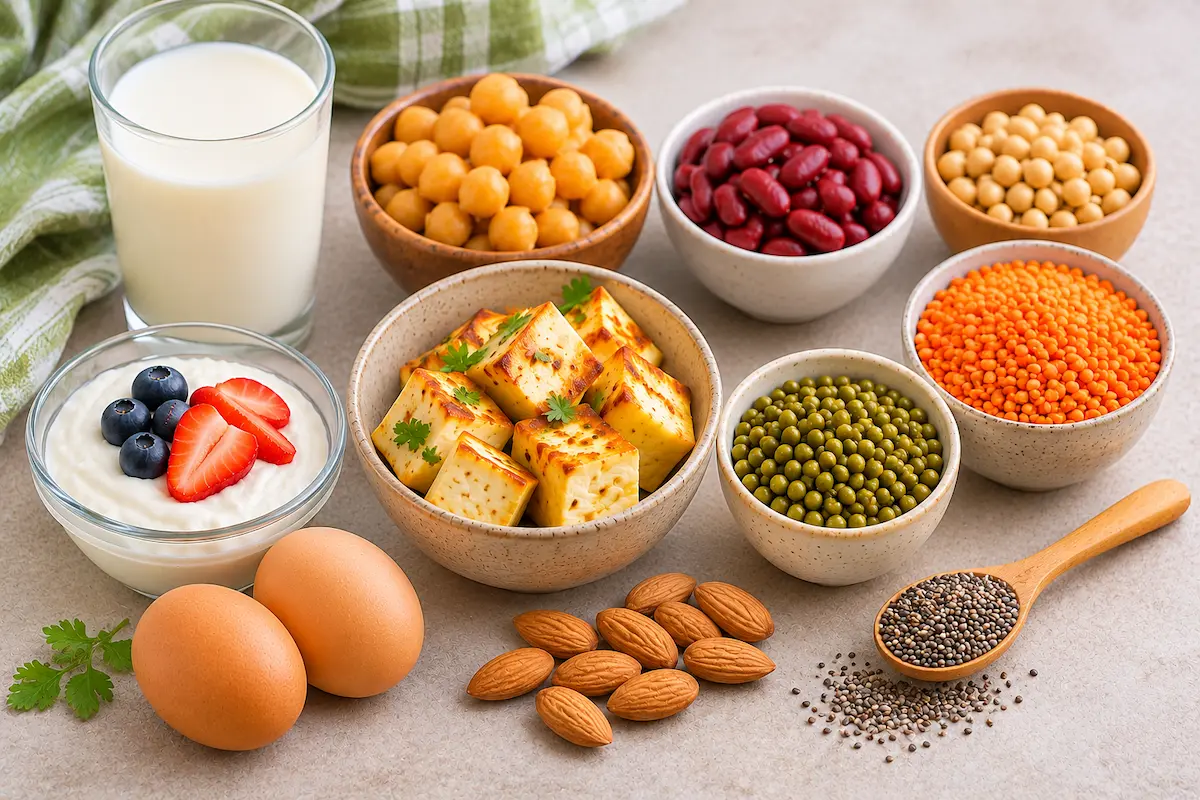
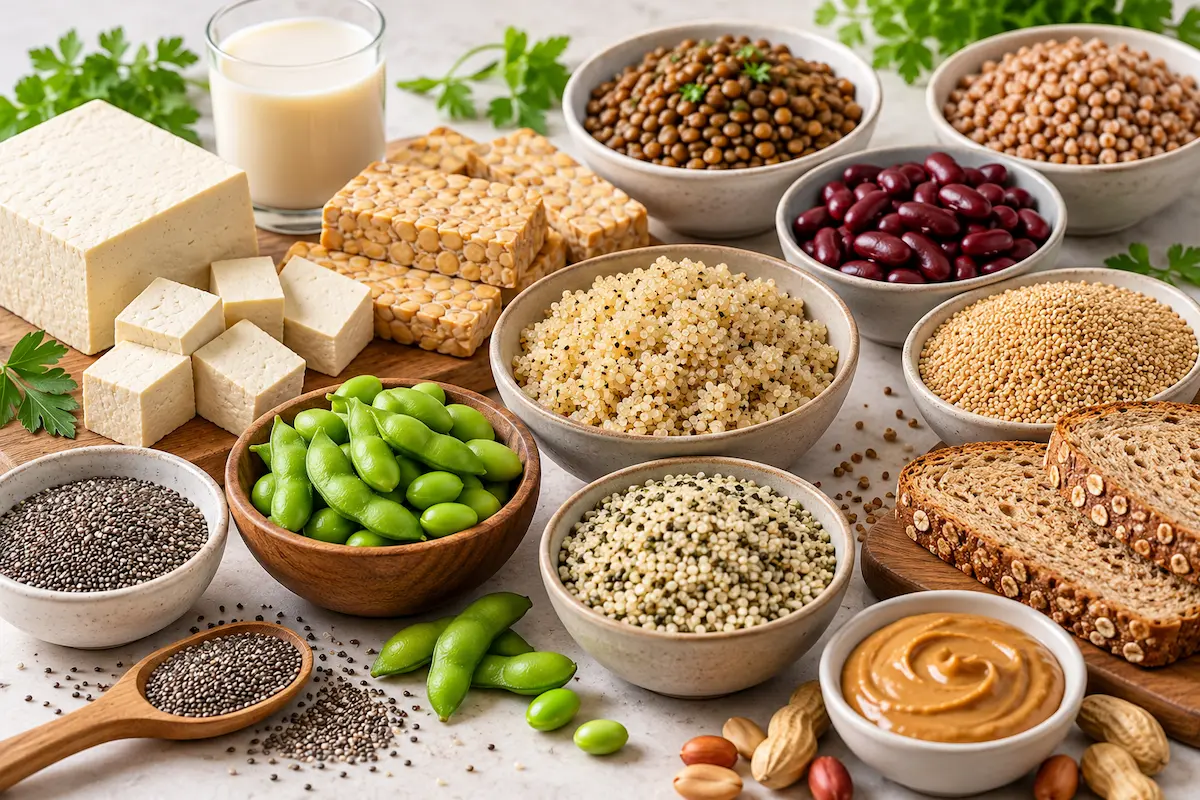
High-protein vegetarian foods

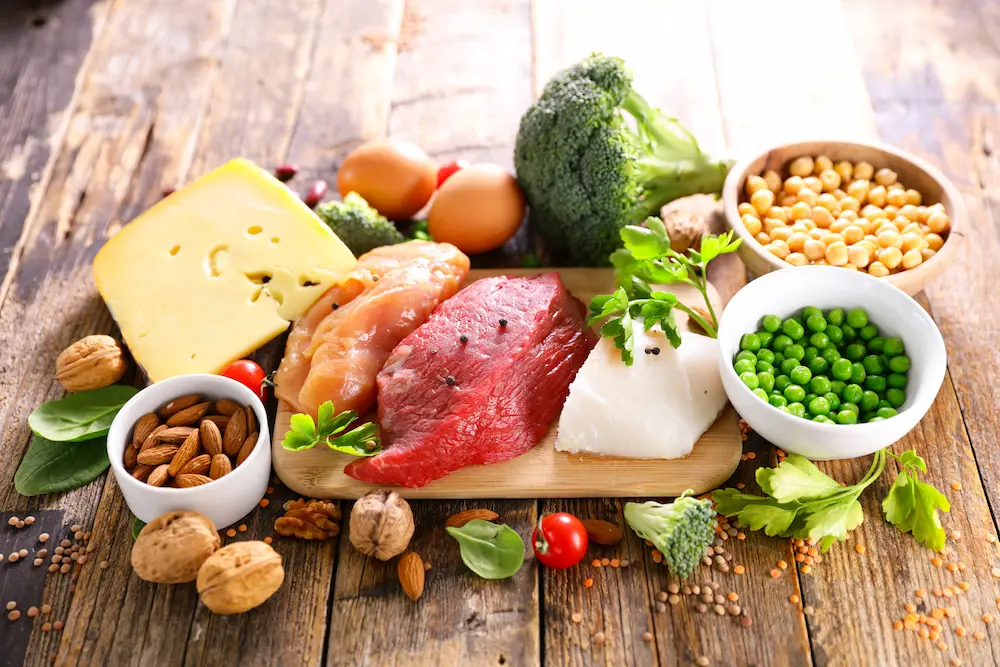
Getting enough protein on a vegetarian diet doesn’t have to be difficult. From paneer and Greek yogurt to eggs, milk, and lentils, plenty of familiar foods can help you meet your daily needs without eating meat or fish. Your protein needs depend on factors such as body weight, age, activity level, and overall health. For … Read more

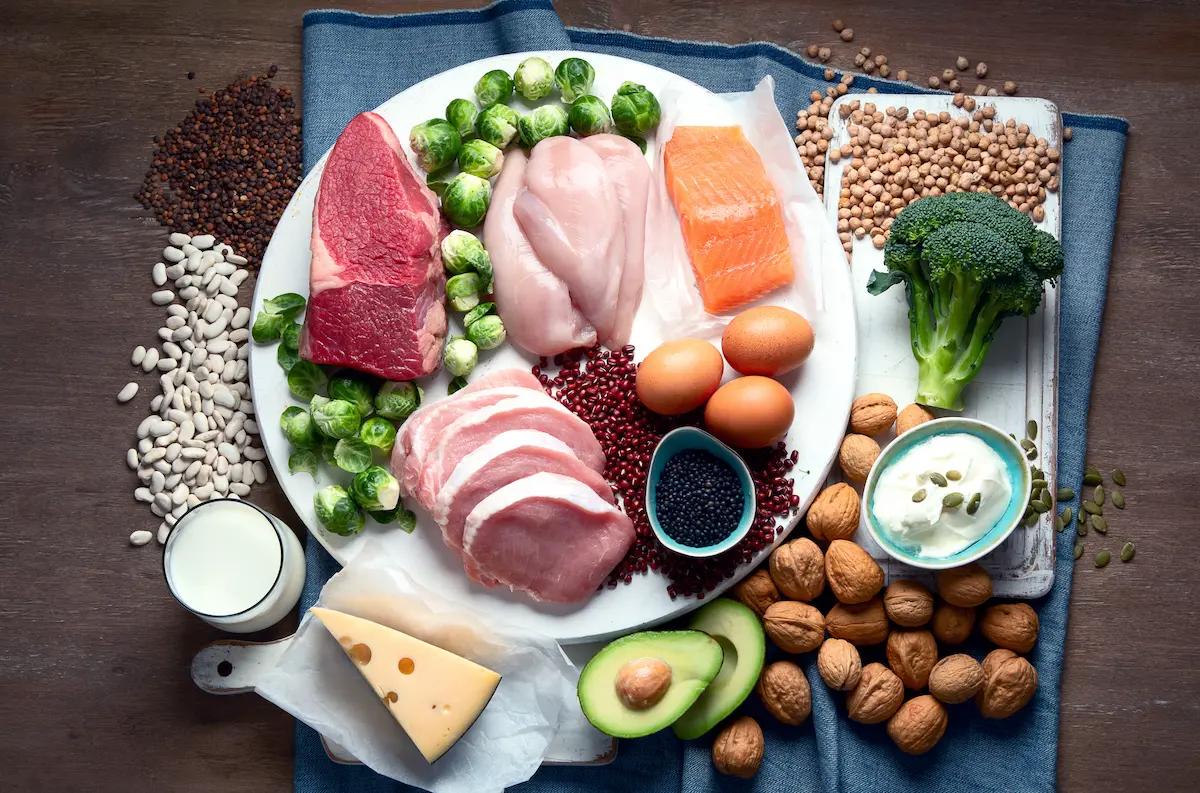
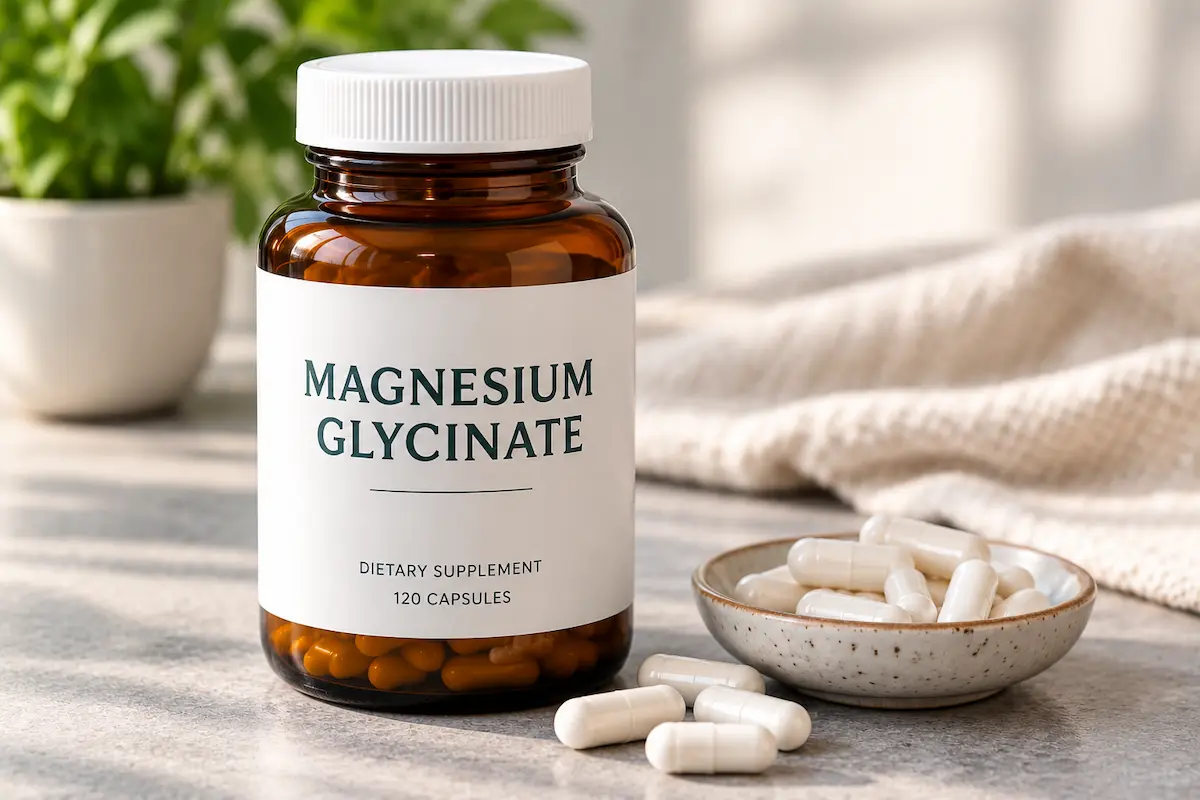
Benefits and Side Effects of Magnesium Glycinate

Magnesium glycinate benefits

Struggling to fall asleep, dealing with muscle tension, or feeling stressed after a long day? You may have come across magnesium glycinate, a popular magnesium supplement often marketed for sleep, relaxation, and muscle health. But what does it actually do, and are its benefits backed by research? Magnesium glycinate combines magnesium with the amino acid … Read more

9 Magnesium Benefits for Women: What Research Says

Magnesium Benefits for Women

Magnesium plays a role in hundreds of processes in your body, from supporting energy production and muscle function to maintaining strong bones and healthy nerves. Yet, this essential mineral is easy to overlook in your daily diet. For women, getting enough magnesium is important at every stage of life, from the reproductive years to menopause. … Read more

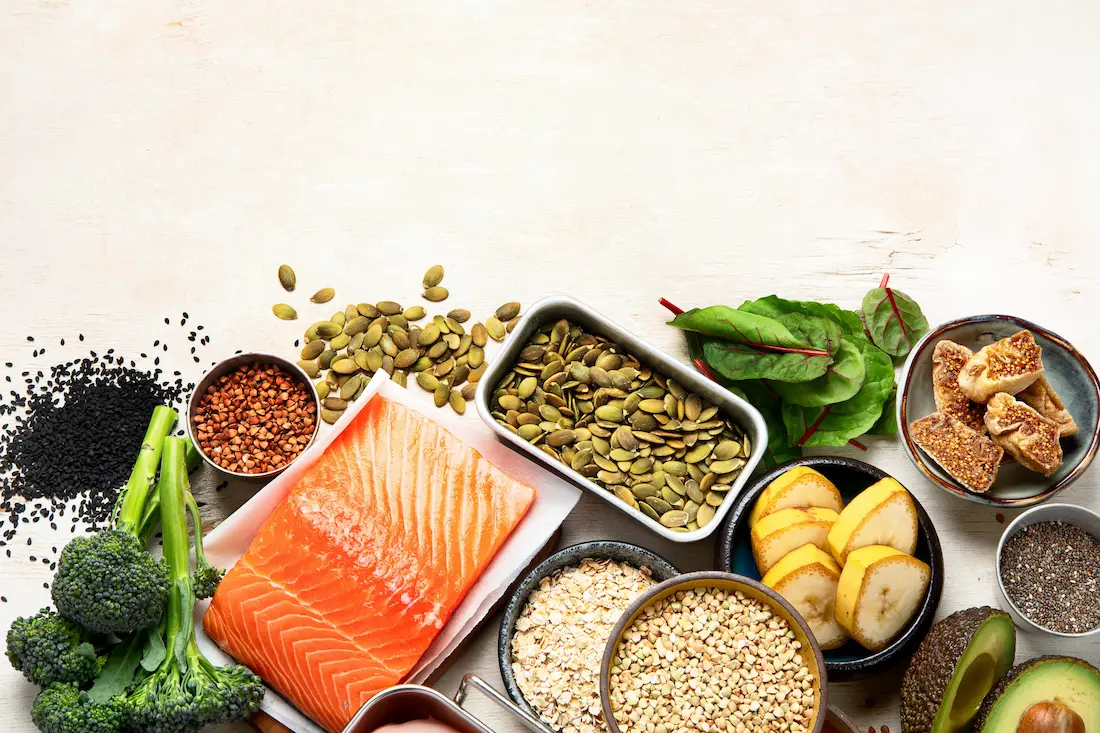
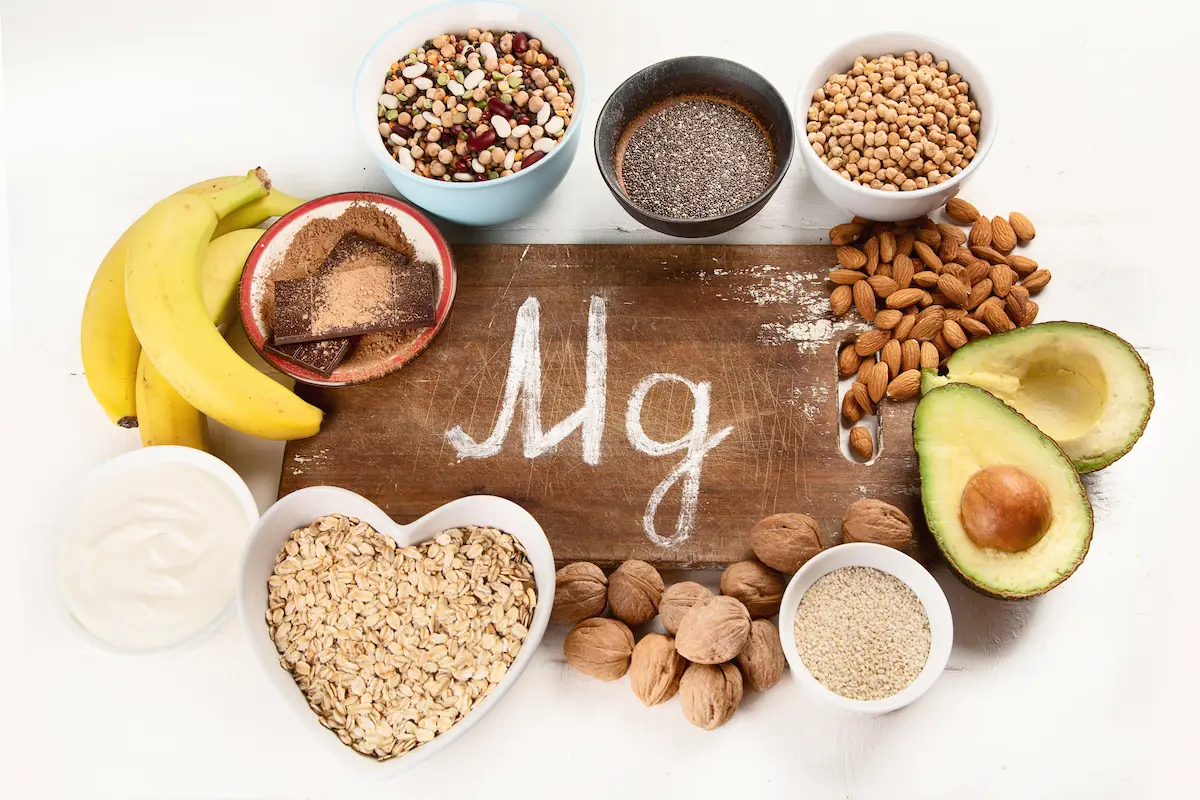
Magnesium: 10 Benefits, Food Sources, and Side Effects

Magnesium benefits

Magnesium does much more than support healthy muscles. This essential mineral is involved in more than 300 enzyme systems in the body, helping produce energy, maintain strong bones, regulate blood sugar, and support normal nerve and heart function. Despite its importance, some people may not get enough magnesium through their daily diet. Adults generally need … Read more

Magnesium Deficiency: Symptoms, Causes, and When to See a Doctor

Magnesium deficiency symptoms

Feeling tired, experiencing muscle cramps, or struggling to get a good night’s sleep? These problems can have many causes, but sometimes, low magnesium levels may play a role. Magnesium is an essential mineral that supports muscle and nerve function, energy production, and a normal heart rhythm. Because early deficiency can be difficult to recognize, knowing … Read more

8 Signs You’re Not Getting Enough Protein

Protein deficiency symptoms

Do you feel tired more often, notice that your muscles seem weaker, or find that your hair is shedding more than usual? These changes can happen for many reasons, but your diet is one factor worth considering. Protein does much more than help build muscle. Your body needs it to repair tissues, maintain strength, support … Read more

10 Benefits of Protein for Your Health

Protein benefits

Protein is often associated with building muscle, but its benefits go far beyond your workouts. It helps repair tissues, supports your immune system, keeps you feeling full after meals, and plays a role in making important hormones and enzymes. Whether you eat eggs, lentils, fish, dairy products, tofu, or nuts, getting enough protein can support … Read more

13 Fruits High in Protein

High-Protein Fruits

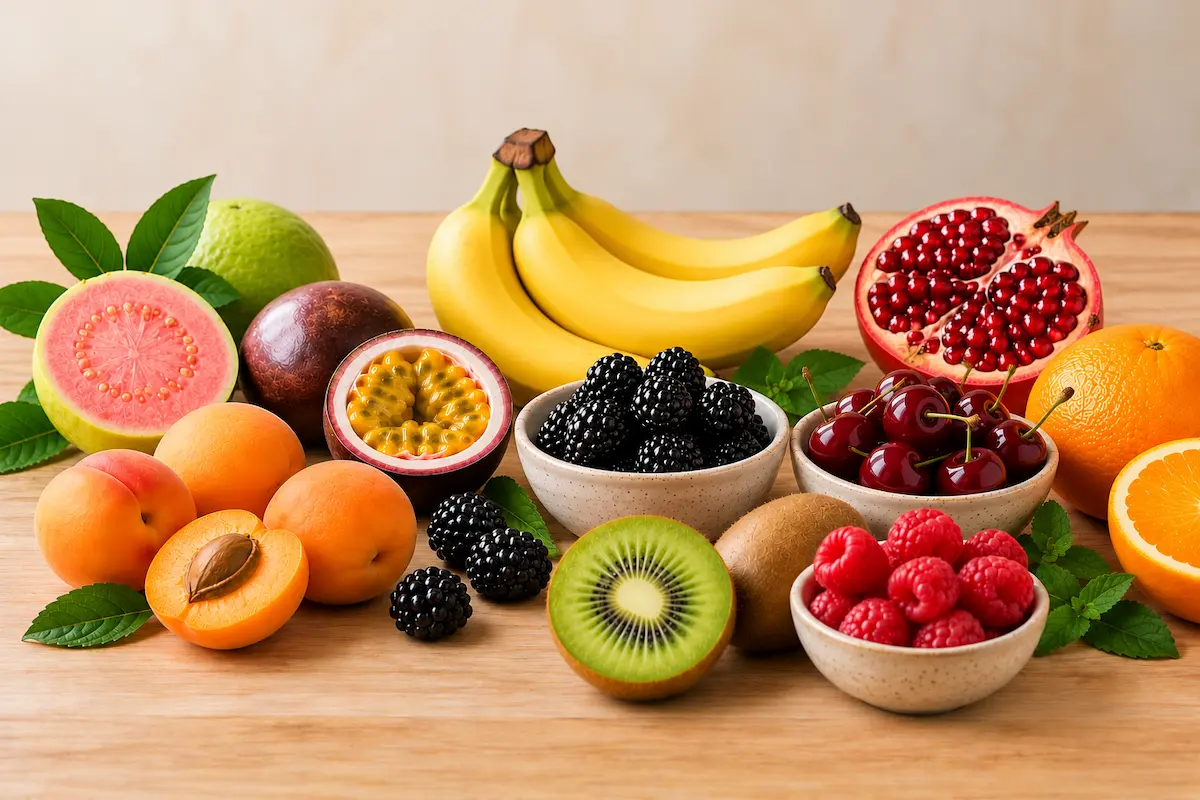
When you think of protein-rich foods, fruits probably aren’t the first thing that comes to mind. Eggs, lentils, yogurt, and beans usually get more attention. However, some fruits contain more protein than others and can contribute to your daily intake. For general health, most adults need around 0.8 grams of protein per kilogram of body … Read more

14 Vegetables High in Protein

High-protein vegetables

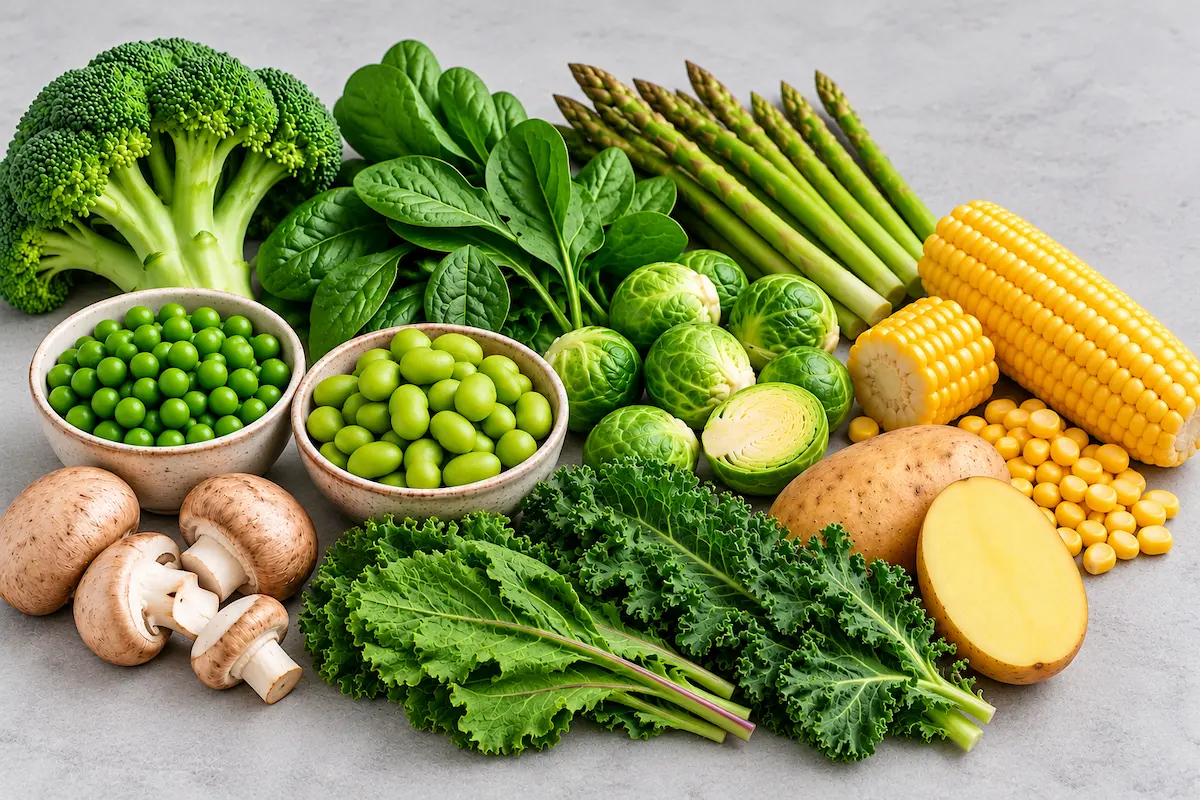
Think vegetables are only good for vitamins, minerals, and fiber? Some can also make a meaningful contribution to your daily protein intake. From green peas and edamame to spinach and Brussels sprouts, several vegetables can help you build more balanced, nourishing meals. While most vegetables contain less protein than foods such as eggs, fish, lentils, … Read more

9 Ways to Boost Your Metabolism

How to Boost Metabolism

Have you ever wondered whether you can boost your metabolism and help your body burn more calories throughout the day? Your metabolism is influenced by several factors, including age, muscle mass, hormones, and physical activity. While you cannot completely control how much energy your body uses, certain daily habits can make a difference. You don’t … Read more

10 Foods That May Boost Your Metabolism

Foods that boost metabolism

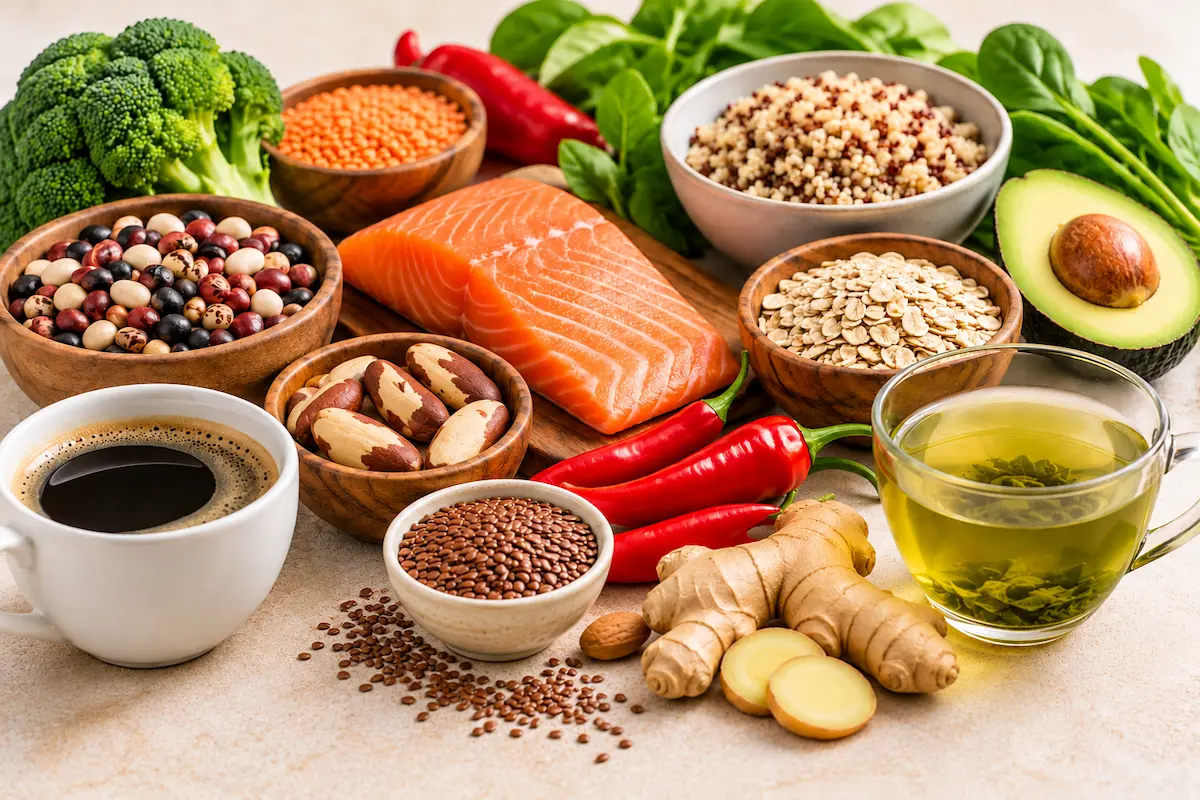
Your metabolism is working every minute of the day—even while you sleep. It keeps your heart beating, your body warm, your brain functioning, and your cells supplied with energy. But can certain foods actually speed it up? Some foods can have a small, temporary effect on energy expenditure, while others support metabolism by providing protein, … Read more

How Can Fiber Help You Lose Weight?

Fiber for weight loss

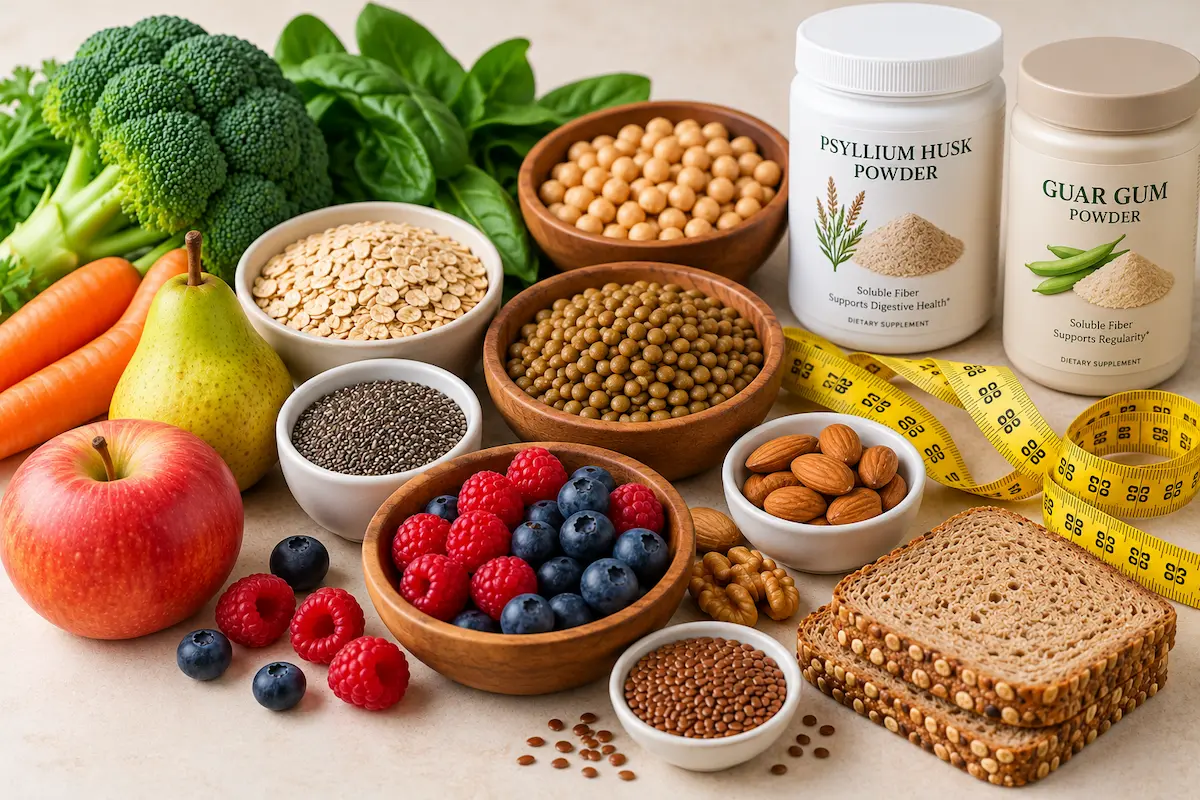
What if one of the simplest ways to make a weight-loss diet easier was not eating less, but choosing foods that keep you satisfied for longer? That is one reason fiber gets so much attention when it comes to weight management. Fiber does not magically burn fat or cause weight loss on its own. Instead, … Read more

16 Vegetables High in Fiber

High fiber vegetables

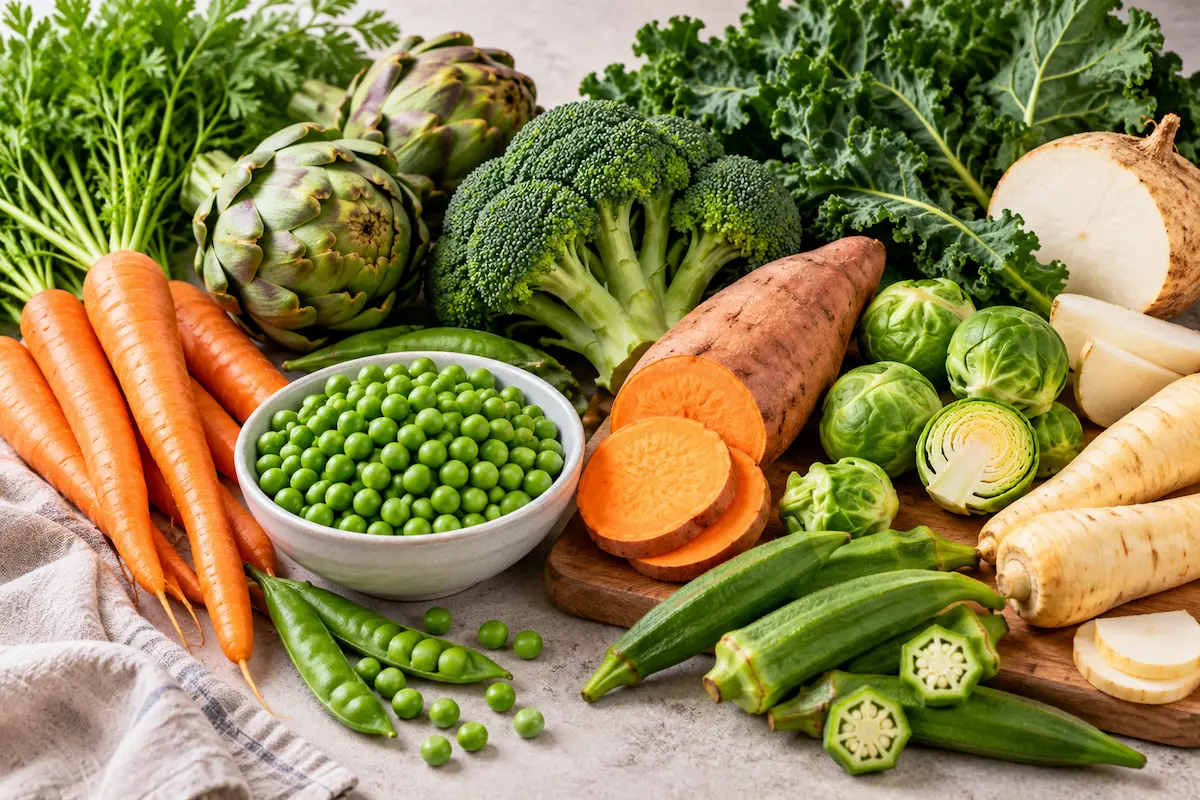
If you are trying to eat more fiber, you probably think of oats, beans, or chia seeds first. But vegetables can make a surprisingly big contribution too. From peas and artichokes to broccoli and sweet potatoes, many vegetables provide fiber along with vitamins, minerals, antioxidants, and plenty of food volume. Adding more of them to … Read more

7 Health Benefits Getting Enough Fiber

Fiber benefits

Fiber is often associated with one thing: staying regular. But that is only a small part of what this nutrient can do. The right amount of fiber can help keep your digestion moving, support healthy gut bacteria, make meals more filling, and contribute to healthy blood sugar and cholesterol levels. Yet many people still do … Read more

6 Signs You May Be Eating Too Little Fiber

Signs you are not getting enough fiber

You might be eating enough food but still feel constipated, hungry soon after meals, or uncomfortable after eating. Sometimes, the missing piece is something surprisingly simple: fiber. Fiber does much more than keep your bowel movements regular. It helps add bulk to stool, slows digestion, supports beneficial gut bacteria, and can help keep you feeling … Read more

How to Increase Nitric Oxide Naturally

How to Increase Nitric Oxide

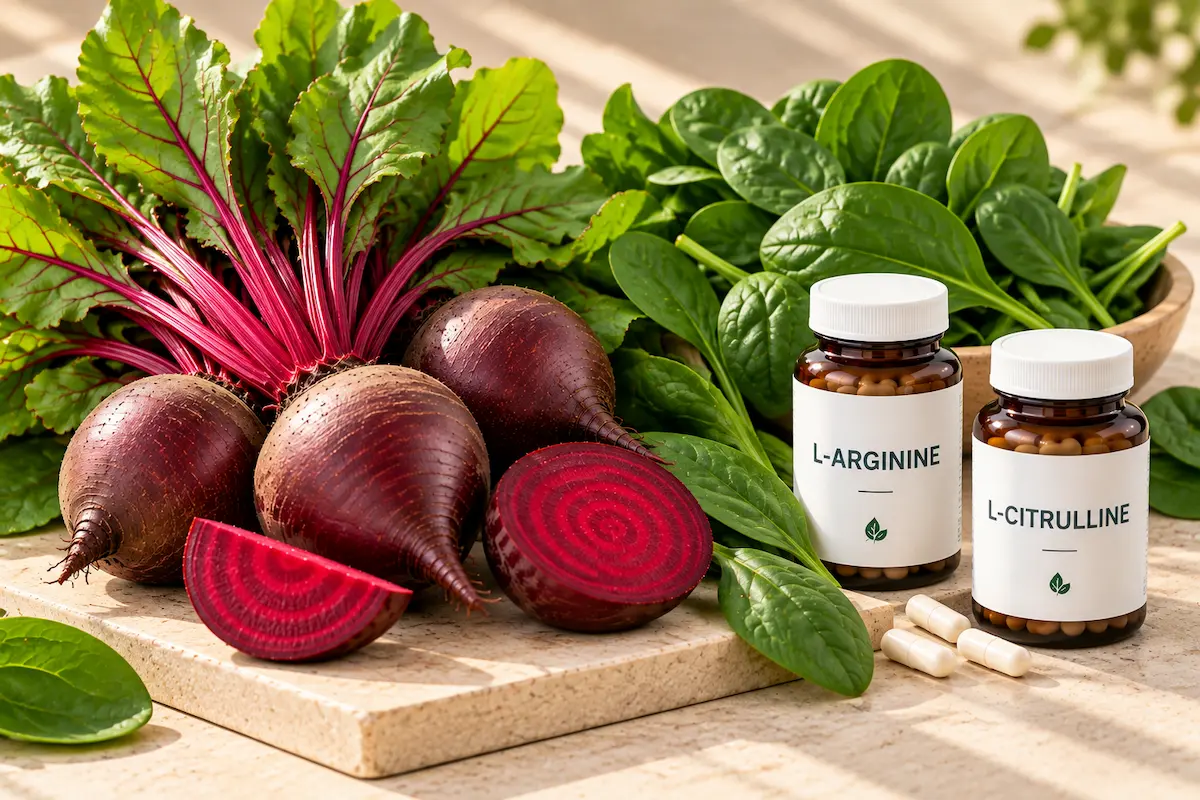
Nitric oxide may be a tiny molecule, but it plays an important role in blood vessel relaxation, blood flow, exercise, and cardiovascular function. Your body can make nitric oxide naturally, but diet and everyday habits can affect how much is available. Nitrate-rich foods, physical activity, and even the bacteria in your mouth can influence this … Read more