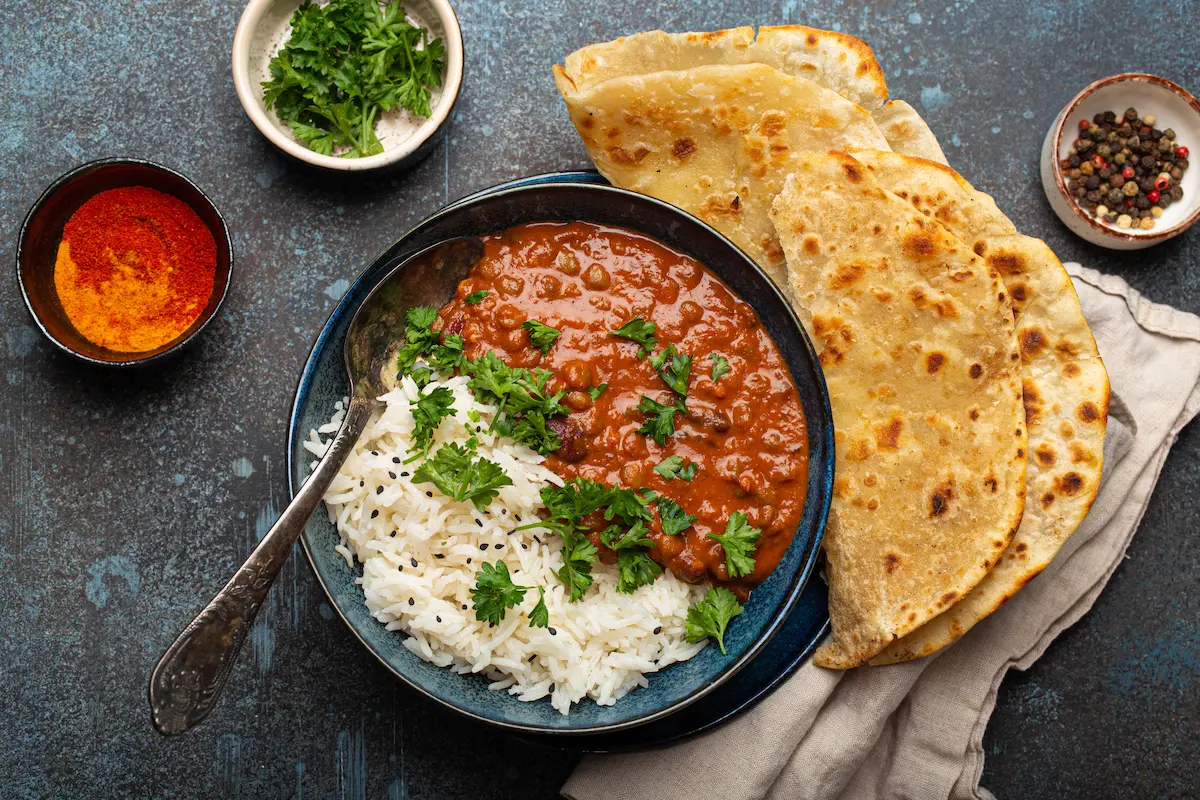
Getting enough protein at dinner doesn’t have to mean eating grilled chicken every night. From seafood and lean meats to beans, lentils, tofu, and paneer, you can build protein-rich meals using a variety of ingredients.
Whether you’re trying to support muscle growth, stay full between meals, or simply include more protein in your diet, having different dinner options can make meal planning easier.
Here are 15 high-protein dinners, with their estimated protein amounts to help you choose meals that fit your needs.
1. Grilled Chicken With Brown Rice and Vegetables
Grilled chicken with brown rice and vegetables is a balanced dinner that combines protein, carbohydrates, and essential nutrients. Chicken breast is particularly rich in protein, while brown rice provides energy and vegetables add fiber, vitamins, and minerals.
Pair grilled or pan-seared chicken breast with brown rice, broccoli, carrots, or your favorite vegetables. Season the chicken with garlic, black pepper, lemon juice, and herbs for extra flavor.
You can also replace brown rice with quinoa or roasted sweet potatoes for a little variety.
Protein per serving: 30-33 g (1, 2, 3, 4, 5).
2. Salmon With Roasted Sweet Potatoes
Salmon is an excellent protein source that also provides omega-3 fatty acids, which support heart health. Pairing it with roasted sweet potatoes and green vegetables creates a satisfying dinner with a variety of nutrients.
You can bake or grill the salmon with lemon juice, garlic, and black pepper. Serve it with roasted sweet potatoes and vegetables such as green beans or broccoli.
If salmon isn’t available, other oily fish, such as sardines or Indian mackerel, can also contribute protein and omega-3 fats.
Protein per serving: Approximately 40 g (4, 6, 7, 8).
3. Paneer and Vegetable Stir-Fry
Paneer is a convenient vegetarian protein source that fits easily into Indian meals. When combined with vegetables, it makes a flavorful dinner that can be served with whole-wheat roti or rice.
Prepare paneer with bell peppers, onions, mushrooms, or spinach, using spices such as cumin, coriander, turmeric, and black pepper. For additional protein, pair the meal with plain Greek yogurt or strained curd.
Choosing a variety of vegetables also adds fiber and essential micronutrients.
Protein per serving:
4. Lentil and Vegetable Curry
Lentils are an affordable source of plant-based protein, fiber, folate, and iron. A lentil and vegetable curry is a practical dinner option, particularly for people who prefer meat-free meals.
Red lentils, green lentils, or brown lentils can be cooked with tomatoes, onions, spinach, garlic, and spices. Serve the curry with whole-wheat roti or rice to make the meal more substantial.
You can also add tofu or serve plain yogurt on the side to increase the overall protein content.
Protein per serving: 21-23 g from the curry and one roti (11, 12).
5. Egg and Vegetable Omelet With Whole-Wheat Toast
Eggs provide high-quality protein and several essential nutrients, including vitamin B12 and choline. A vegetable omelet is a quick dinner choice for evenings when you want something simple but nourishing.
Combine eggs with spinach, tomatoes, mushrooms, or onions, and serve the omelet with whole-wheat toast. Adding a side of a little cheese can increase the protein content further.
This meal is also easy to adapt to whatever vegetables you have available.
Protein per serving: Approximately 22 g (13, 14, 15, 16).
6. Tofu and Vegetable Stir-Fry
Tofu is a versatile plant-based protein made from soybeans. It provides protein along with minerals such as iron, and it absorbs the flavors of sauces and seasonings used in cooking.
A tofu stir-fry with broccoli, carrots, bell peppers, garlic, and ginger makes a colorful dinner that pairs well with rice or noodles. Choose firm tofu for a substantial protein contribution, and check the nutrition label because protein content varies between products.
Adding edamame is another way to increase the protein in this meal.
Protein per serving: With brown rice and edamame 30 g (4, 5, 17, 18, 19).
7. Chickpea and Quinoa Salad Bowl
Chickpeas and quinoa provide plant-based protein, fiber, and carbohydrates, making them useful ingredients for a filling vegetarian dinner. This combination is especially convenient when you want something fresh that doesn’t require much cooking at mealtime.
Combine cooked chickpeas and quinoa with cucumber, tomatoes, red onion, and fresh herbs. A dressing made with lemon juice, olive oil, and black pepper adds flavor.
For extra protein, serve the salad with crumbled paneer or feta cheese.
Protein per serving: 16–20 g (9, 20, 21, 22).
8. Grilled Fish With Vegetables and Rice
Fish is a good source of protein, and many varieties provide substantial protein without excessive saturated fat. White fish, such as cod or tilapia, is relatively lean, making it a useful choice for a balanced dinner.
Pair grilled or baked fish with rice and vegetables such as broccoli, carrots, or green beans. Lemon juice, garlic, and herbs enhance the flavor without requiring heavy sauces.
Protein per serving: Approximately 29 g (4, 5, 8, 18, 23).
9. Chicken and Bean Burrito Bowl
Combining chicken with beans is an easy way to create a protein-rich dinner with plenty of flavor. Chicken supplies high-quality protein, while beans add plant-based protein and fiber. Rice and vegetables round out the meal.
A burrito bowl can include grilled chicken, black beans or kidney beans, rice, tomatoes, lettuce, and corn. Season the chicken with cumin, paprika, and black pepper, then finish the bowl with lime juice or salsa.
You can prepare the main ingredients in advance for convenient weekday dinners.
Protein per serving: Approximately 38 g (1, 18, 24, 25).
10. Shrimp and Garlic Whole-Wheat Pasta
Shrimp is a protein-rich seafood option that works well with pasta and vegetables. Using whole-wheat pasta adds fiber, while garlic, tomatoes, lemon, and herbs provide flavor without the need for a heavy cream sauce.
Combine cooked shrimp with whole-wheat pasta, spinach, cherry tomatoes, garlic, and a little olive oil. This meal is a good choice when you want something that feels comforting while still providing a substantial amount of protein.
Protein per serving: Around 27 g (26, 27).
11. Turkey Meatballs With Whole-Wheat Pasta
Turkey meatballs are a convenient way to include lean protein in your dinner. They pair well with tomato sauce and whole-wheat pasta, creating a satisfying meal with protein, fiber, and carbohydrates.
Prepare meatballs using lean ground turkey, garlic, onion, parsley, and black pepper. Bake or pan-cook them until thoroughly cooked, then serve with tomato sauce and whole-wheat pasta.
Protein per serving: Approximately 24 g (27, 28, 29).
12. Greek Chicken and Quinoa Bowl
A Greek-inspired chicken bowl combines lean protein with whole grains and fresh vegetables. Quinoa adds plant-based protein and fiber, while ingredients such as cucumber, tomatoes, and olives provide freshness and flavor.
Combine grilled chicken with cooked quinoa, cucumber, cherry tomatoes, red onion, and a little feta cheese.
Finish with lemon juice, olive oil, and oregano for a Mediterranean-style dinner.
Protein per serving: Approximately 35 g (1, 21, 22).
13. Beef and Vegetable Stuffed Peppers
Stuffed bell peppers make a filling dinner that combines protein, vegetables, and carbohydrates in one dish. Lean ground beef provides protein, while rice and vegetables add texture and nutrients.
Fill halved bell peppers with cooked lean ground beef, brown rice, tomatoes, onions, and herbs. Top with a little cheese and bake until the peppers are tender.
Protein per serving: Around 33 g (18, 30, 31).
14. Baked Cod Tacos With Black Beans
Fish tacos offer a lighter alternative to traditional meat-based dinners. White fish provides lean protein, while black beans contribute additional plant protein and fiber.
Season cod or tilapia with paprika, cumin, garlic, and lime juice. Bake until flaky and serve in whole-wheat tortillas with black beans, shredded cabbage, tomatoes, and avocado.
Protein per serving: Approximately 35 g (25, 32, 33).
15. Lentil and Sweet Potato Shepherd’s Pie
A vegetarian shepherd’s pie made with lentils and sweet potatoes is a hearty dinner option. Lentils provide plant-based protein and fiber, while sweet potatoes contribute carbohydrates and beta-carotene.
Prepare a filling with cooked lentils, carrots, onions, peas, tomatoes, and vegetable broth. Spread mashed sweet potatoes over the filling and bake until lightly golden.
Protein per serving: 21–23 g (7, 8, 12)
Tips for Making Your Dinners Higher in Protein
A few simple changes can help you increase the protein content of your usual meals without completely changing how you eat.
- Include a protein source at dinner. Choose from chicken, fish, eggs, paneer, tofu, beans, or lentils.
- Pay attention to portion sizes. Protein content depends on the amount of each ingredient you eat.
- Combine different food groups. Pair protein-rich foods with vegetables and carbohydrates such as brown rice, potatoes, or whole-wheat toast.
- Vary your protein sources. Rotating between animal and plant proteins provides variety and a wider range of nutrients.
- Plan meals ahead. Preparing beans, lentils, rice, or other ingredients in advance makes it easier to put together a nutritious dinner on busy evenings.
Final Thoughts
High-protein dinners can be simple, satisfying, and varied. From grilled chicken and fish to paneer curry, lentils, and tofu bowls, there are plenty of options to suit different tastes and dietary preferences.
Focus on including a protein source you enjoy, add vegetables and a suitable carbohydrate, and vary your meals throughout the week.
Small, consistent choices can help you meet your nutritional needs without making dinner unnecessarily complicated.