There was a time when fat was the nutrient everyone feared.
Low-fat cookies filled grocery store shelves. Salad dressings proudly advertised their lack of fat. People swapped whole foods for processed alternatives in an attempt to avoid it.
Then something interesting happened.
Researchers began noticing that not all fats behave the same way in the body. Omega-3 fatty acids, in particular, emerged as one of the most extensively studied nutrients because of their role in supporting heart, brain, and eye health.
Part of the problem is that many foods common in modern diets provide very little omega-3. As a result, many people don’t consume enough of these essential fats.
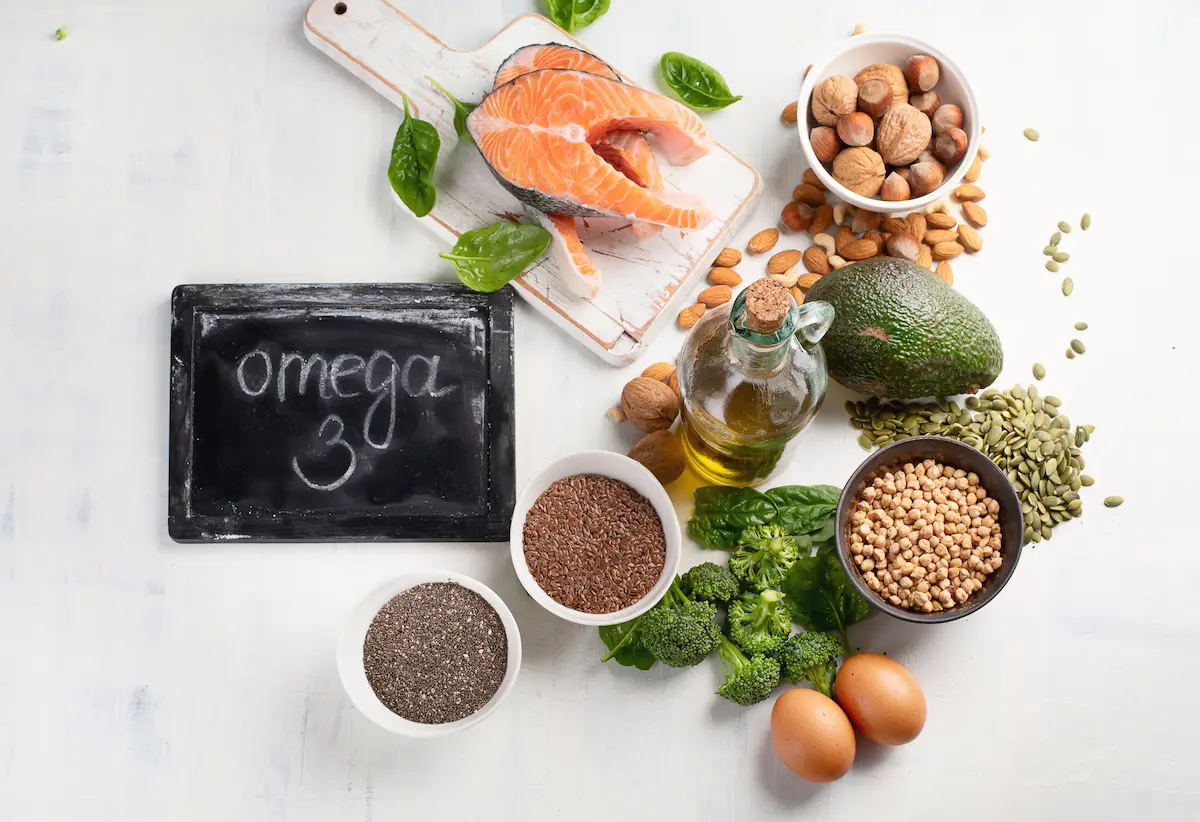
The good news is that boosting your omega-3 intake doesn’t require expensive supplements or complicated meal plans. Some of the best sources are foods that have been eaten for generations, including fatty fish, seeds, nuts, and a few surprisingly overlooked options.
Whether you’re looking to support your heart, nourish your brain, or simply build a more nutrient-dense diet, these foods high in omega-3s deserve a place on your plate.
What Are Omega-3 Fatty Acids?
Omega-3s are a group of polyunsaturated fats that play important roles throughout the body.
The three main types are:
EPA (eicosapentaenoic acid) and DHA (docosahexaenoic acid), which are found primarily in seafood, and ALA (alpha-linolenic acid), which is found in plant foods.
While all three contribute to health, EPA and DHA are generally considered the most biologically active forms because the body can use them directly. ALA is beneficial too, but only a small portion is converted into EPA and DHA.
This is one reason nutrition experts often encourage regular consumption of fatty fish.
How Much Omega-3 Do You Need?
The only omega-3 with an official Adequate Intake (AI) is alpha-linolenic acid (ALA), the essential plant-based omega-3. The AI is 1.6 g/day for adult men and 1.1 g/day for adult women.
AI is a recommended daily intake level used when there isn’t enough research to set an official Recommended Dietary Allowance (RDA).
Although there are no official Dietary Reference Intakes for EPA and DHA, many health organizations provide guidance. The American Heart Association recommends eating fatty fish at least twice a week, which provides about 500 mg of EPA and DHA per day on average. The World Health Organization recommends 250 mg to 2 g of EPA and DHA per day for healthy adults.
Foods Rich in Omega-3s
Below are some of the best foods that are high in omega-3 fatty acids, from fatty fish rich in EPA and DHA to plant foods that provide ALA.
1. Salmon
If there were a poster child for omega-3 fats, salmon would probably be it.
Just a 3-ounce (85-g) serving of cooked salmon provides about 1.83 g of EPA and DHA, making it one of the richest natural food sources of these beneficial omega-3 fats.
Rich, flavorful, and incredibly versatile, salmon provides substantial amounts of both EPA and DHA. It’s one of the reasons salmon consistently appears in discussions about heart-healthy eating patterns.
Beyond omega-3s, salmon also delivers high-quality protein, selenium, potassium, and vitamin D. Few foods provide such a powerful combination of nutrients in a single serving.
Whether grilled, baked, roasted, or added to salads, salmon remains one of the easiest and most delicious ways to increase omega-3 intake.
2. Mackerel
Mackerel is one of the richest natural sources of omega-3 fatty acids available.
A 3-ounce (85-g) serving of cooked Atlantic mackerel provides around 1 g of EPA and DHA, making it one of the most omega-3-rich fish you can eat.
Despite its impressive nutritional profile, it often receives far less attention than salmon. That’s unfortunate because mackerel provides exceptionally high amounts of EPA and DHA while also supplying vitamin B12 and selenium.
Its rich flavor works particularly well in Mediterranean-style meals and simple seafood dishes.
3. Sardines
Sardines may be small, but nutritionally they punch far above their weight.
Despite their small size, sardines supply around 0.83 g of EPA and DHA per 3-ounce (85-g) serving.
They’re also eaten whole, including their soft, edible bones, making them an excellent source of calcium, phosphorus, and vitamin D.
Sardines are one of the most affordable ways to increase your omega-3 intake, making them a practical addition to many diets.
4. Herring
Herring has been a dietary staple in coastal regions for centuries.
Just a 3-ounce (85-g) serving of cooked herring delivers around 1.7 g of EPA and DHA, putting it among the richest natural sources of omega-3s.
It also provides high-quality protein, vitamin B12, and selenium, making it a highly nutritious addition to your diet.
Whether you enjoy it pickled, smoked, or fresh, herring is an easy way to increase your omega-3 intake.
5. Anchovies
Anchovies are often used in small amounts to add flavor, but they contribute far more than just taste.
European anchovies pack about 1.75 g of EPA and DHA per 85 g, showing that even small fish can deliver substantial amounts of omega-3s.
They’re also rich in protein and several essential minerals, adding even more nutritional value to every bite.
Whether stirred into pasta, blended into dressings, or added to salads, anchovies are an easy way to include more omega-3s in your diet.
6. Trout
Trout offers many of the same benefits associated with salmon but is often overlooked.
With about 0.74 g of EPA and DHA per 3-ounce (85-g) serving, rainbow trout offers a meaningful amount of heart-healthy omega-3 fats.
Its mild flavor makes it appealing to people who don’t enjoy stronger-tasting fish. It also provides high-quality protein along with several essential vitamins and minerals, including vitamin B12, selenium, and vitamin D.
For many people, trout can be an excellent alternative to salmon.
7. Oysters
Most people think of oysters as a source of zinc, but they also provide a meaningful amount of omega-3s.
A 3.-ounce (85-g) serving of cooked oysters contains around 0.53 g of EPA and DHA, adding to their already impressive nutritional profile.
They also supply zinc, vitamin B12, copper, and high-quality protein, making them one of the most nutrient-dense seafood choices available.
8. Chia Seeds
For people following vegetarian or plant-based diets, chia seeds are among the best sources of omega-3 fats.
Just an ounce (28 g) of chia seeds provides around 5 g of ALA, making them one of the richest plant-based sources of omega-3 fatty acids.
They also supply fiber, magnesium, and antioxidants, adding to their impressive nutritional profile.
Their ability to absorb liquid makes them perfect for chia pudding, smoothies, overnight oats, yogurt, and baked goods.
9. Flaxseeds
Flaxseeds have earned a reputation as one of the healthiest seeds you can eat.
Just 2 tablespoons (14 g) of ground flaxseed provide around 3.2 g of ALA, more than the Adequate Intake (AI) for most adults.
Ground flaxseeds are generally easier to digest than whole flaxseeds, allowing your body to absorb more of their nutrients.
If you prefer, flaxseed oil is another excellent source of ALA. Just 1 tablespoon (13.6 g) provides about 7.3 g of ALA, although it doesn’t contain the fiber naturally found in whole or ground flaxseeds.
10. Hemp Seeds
Hemp seeds are often overshadowed by chia and flax, but they deserve attention.
A single serving of hemp seeds (3 tablespoons or 30 g) delivers around 2.6 g of ALA, making them an excellent source of plant-based omega-3s.
They’re also an excellent source of plant protein, magnesium, iron, and zinc.
Their mild, nutty flavor makes them easy to sprinkle over salads, soups, vegetables, and breakfast dishes.
11. Walnuts
Among commonly eaten nuts, walnuts stand out for their omega-3 content.
A handful of walnuts (1 ounce or 28 g) delivers about 2.6 g of ALA, giving you a substantial amount of plant-based omega-3s in a convenient snack.
They’re one of the few nuts naturally rich in ALA and also provide fiber, magnesium, antioxidants, and other beneficial plant compounds.
Walnuts make an easy snack and add crunch to salads, oatmeal, and yogurt bowls.
12. Soybeans
Soybeans are one of the few legumes that naturally provide ALA, the plant-based form of omega-3.
A half-cup (86 g) serving of cooked soybeans provides around 1 g of ALA while also supplying high-quality plant protein and fiber.
They’re also rich in iron and several essential vitamins and minerals.
Soybean oil is another source of ALA. Just 1 tablespoon (14 g) provides about 0.93 g, making it an easy way to add plant-based omega-3s to everyday meals.
Soybeans can be enjoyed in many forms, including tofu, tempeh, roasted soybeans, and soy milk.
13. Omega-3 Enriched Eggs
Omega-3 enriched eggs can be a simple way to boost your intake of these healthy fats.
Unlike conventional eggs, they’re produced by hens fed diets enriched with ingredients such as flaxseed, fish oil, or algae. As a result, their omega-3 content can vary, with many providing around 100 to 500 mg of omega-3s per egg, depending on the brand and the hens’ diet.
They’re also an excellent source of high-quality protein, vitamin B12, choline, and selenium.
While they don’t provide as much omega-3 as fatty fish, omega-3 enriched eggs can still make a meaningful contribution to your overall intake, especially for people who don’t eat seafood regularly.
14. Canola Oil
Canola oil is one of the few commonly used cooking oils that naturally contains omega-3 fats.
One tablespoon (14 g) provides around 1 g of ALA, making it an easy way to increase your intake of plant-based omega-3s.
It also contains mostly unsaturated fats and relatively little saturated fat compared with many other cooking oils.
Its mild flavor and high smoke point make it suitable for sautéing, roasting, baking, and salad dressings.
15. Cod Liver Oil
Cod liver oil has long been valued as one of the richest sources of long-chain omega-3 fatty acids.
Just 1 tablespoon (13.6 g) contains about 2.44 g of EPA and DHA, along with generous amounts of vitamins A and D.
Because it’s so nutrient-dense, even small amounts can make a meaningful contribution to your omega-3 intake.
However, due to its very high vitamin A content, it’s important not to consume large amounts without considering your total vitamin A intake, especially during pregnancy.
Why Most People Should Eat More Omega-3-Rich Foods
What’s fascinating about omega-3 fats is how widely they’re used throughout the body.
They’re incorporated into cell membranes, particularly in the brain and eyes. They’re involved in signaling pathways, inflammatory processes, and numerous functions that researchers continue to study.
This broad involvement helps explain why omega-3s are consistently associated with heart health, cognitive health, and overall well-being.
While supplements can be useful in certain situations, whole foods offer additional nutrients that work alongside omega-3s, including protein, vitamins, minerals, and antioxidants.
Simple Ways to Get More Omega-3s
Increasing omega-3 intake doesn’t require dramatic changes.
Adding salmon to dinner once or twice per week, sprinkling chia seeds into smoothies, replacing some snacks with walnuts, or choosing omega-3-enriched eggs are simple habits that can make a meaningful difference over time.
Small changes tend to be easier to maintain, and consistency matters far more than perfection.
The Bottom Line
When it comes to nutrition, few nutrients have been studied as extensively as omega-3 fatty acids.
Fatty fish such as salmon, mackerel, sardines, trout, and herring remain the richest sources of EPA and DHA, while foods like chia seeds, flaxseeds, walnuts, and hemp seeds provide valuable plant-based omega-3s.
Rather than focusing on a single food, aim to include a variety of omega-3-rich foods throughout the week. Not only will you increase your intake of these important fats, but you’ll also benefit from the many other nutrients these foods have to offer.
7 thoughts on “15 Omega-3 Rich Foods to Add to Your Diet”
Comments are closed.