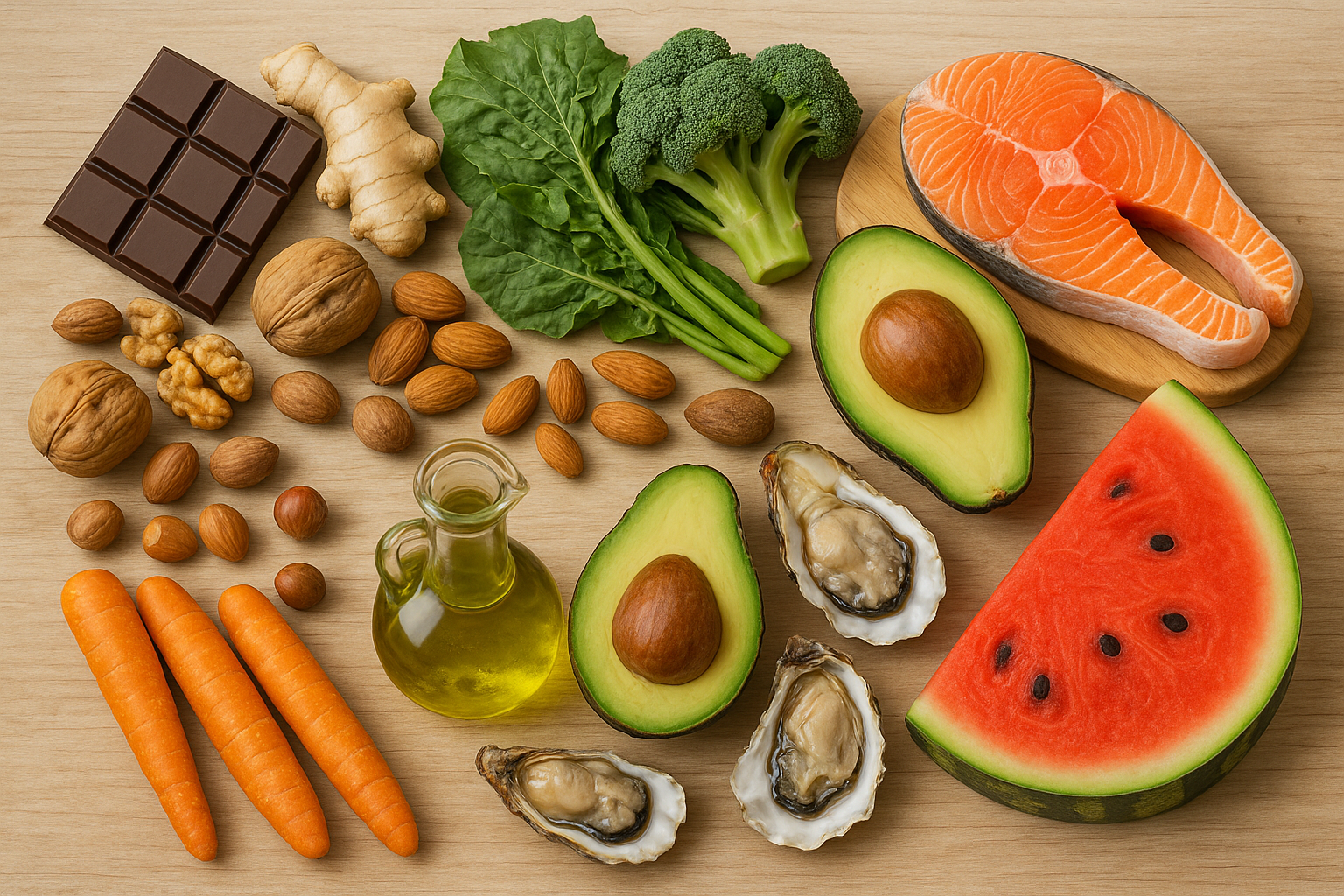
Menstrual pain, or dysmenorrhea, affects many women every month. The discomfort can show up as cramps, headaches, bloating, back pain, and mood swings, often disrupting daily routines. While painkillers offer quick relief, food plays a far more influential role than most people realize.
Certain foods help reduce inflammation, relax muscles, balance hormones, and replenish nutrients lost during menstruation.
Eating the right foods during your period can ease symptoms, stabilize energy levels, and support your body through this physically demanding time.
In this blog, we’ll explore some of the best foods to consume during your period for pain relief.
How Diet Helps Reduce Menstrual Pain
Period pain is primarily caused by prostaglandins, hormone-like compounds that trigger uterine contractions. Higher levels of inflammatory prostaglandins lead to stronger cramps.
Diet can help in three ways:
- Anti-inflammatory foods lower prostaglandin production
- Magnesium-rich foods relax muscles
- Iron-rich foods replenish what’s lost during bleeding
- Hydrating foods reduce bloating and water retention
- Omega-3-rich foods reduce pain-causing inflammation
Eating nutrient-dense foods before and during your period can significantly reduce the intensity and duration of pain.
While diet can play an important role in managing menstrual cramps, it works best alongside other natural strategies. You may also find these natural ways to relieve period pain at home helpful.
Want an easier way to shop during your period?
Get the free Period Pain Grocery List.
Foods to Eat During Your Period
Eating nutrient-rich foods like legumes, fatty fish, and dark chocolate can help regulate prostaglandins—the hormones responsible for menstrual pain—easing discomfort and supporting hormonal balance.
1. Dark Chocolate
Dark chocolate with at least 70% cocoa is an excellent source of flavonoids, iron, and magnesium, all of which may help reduce period pain.
The flavonoids in dark chocolate are known for their anti-Inflammatory properties, which may help reduce menstrual discomfort. They may work by limiting the production of prostaglandins, hormone-like compounds involved in uterine contractions and period pain.
Magnesium-rich dark chocolate may also help relax smooth muscles and support healthy blood flow, potentially easing menstrual cramps.
In a study involving 45 women with primary dysmenorrhea, consuming 35 g of 70% dark chocolate reduced menstrual pain. Among the interventions tested, dark chocolate was more effective than coconut water but less effective than ibuprofen.
Just a square or two of dark chocolate may make your cycle a little easier.
2. Ginger
Ginger has powerful anti-inflammatory and pain-relieving properties that may help reduce menstrual cramps. Its anti-inflammatory effects are thought to be partly due to its ability to inhibit prostaglandin synthesis.
A study tested ginger’s effect on menstrual pain in 120 students. They took 500 mg ginger capsules or a placebo for either 3 days (during the first three days of their period) or 5 days (starting two days before and continuing through the first three days).
Results showed ginger significantly reduced pain intensity and duration, with the 5-day treatment being more effective.
Additionally, ginger supports digestion and can help alleviate nausea, which some women experience during their menstrual cycle.
3. Fatty Fish
Rich in omega-3 fatty acids, fatty fish such as salmon, sardines, and mackerel may help ease menstrual cramps by reducing inflammation.
A review of eight studies found that omega-3 fatty acids may help relieve period pain by reducing the production of inflammatory compounds, including prostaglandins and leukotrienes. In several studies, taking omega-3 supplements before menstruation was associated with lower pain intensity.
Additionally, fatty fish are the excellent sources of vitamin D, which provides anti-Inflammatory properties by by regulating prostaglandin levels. Vitamin D also helps in calcium absorption, which also has a role in relieving period pain.
Additional research involving 321 Japanese women found that lower intakes of fish and other animal proteins, vitamin D, vitamin B12, and fatty acids were associated with more severe and frequent menstrual cramps.
Less frequent breakfast consumption and bathing were also linked to worse symptoms.
4. Yogurt
Probiotics found in yogurt support gut health and may help reduce bloating and digestive issues during menstruation.
In one study, women who took a probiotic supplement daily for three menstrual cycles experienced significantly less period pain than those given a placebo, although the benefits did not persist after supplementation stopped.
Yogurt is also rich in calcium, which supports normal muscle and nerve function and may help reduce menstrual cramps.
In addition, a study involving 127 female university students found that those who consumed three to four servings of dairy products daily experienced significantly fewer menstrual symptoms than those who consumed no dairy products.
5. Turmeric
Curcumin, the active compound in turmeric, has powerful anti-inflammatory and pain-relieving effects. Adding turmeric to meals or drinking turmeric tea can help ease period pain and discomfort.
A 2025 review found that curcumin may help reduce symptoms of premenstrual syndrome and dysmenorrhea. Six studies reported significant improvements in menstrual symptoms, while others found beneficial effects on inflammation-related markers and vitamin D status.
Supporting these findings, a study involving 28 women found that a tamarind and turmeric drink significantly reduced menstrual cramps.
6. Olive Oil
Olive oil is rich in antioxidants and healthy fats that may help reduce inflammation, potentially easing menstrual discomfort.
In a study involving women with moderate to severe primary dysmenorrhea, both extra virgin olive oil and ibuprofen significantly reduced menstrual pain. However, participants experienced greater pain reduction while taking 25 mL of extra virgin olive oil daily for two menstrual cycles.
Another study involving 311 Spanish university women found that lower adherence to a Mediterranean-style diet was associated with greater menstrual pain, while olive oil consumption was linked to reduced menstrual bleeding.
Using extra virgin olive oil in cooking or salad dressings is a simple way to include these beneficial compounds in your diet.
Consider adding high-quality extra virgin olive oil to your daily meals as part of a balanced diet.
7. Pineapple
Pineapple is more than just a refreshing fruit. It contains bromelain, a natural enzyme that may help reduce inflammation and ease menstrual discomfort.
Bromelain is thought to work by reducing the production of prostaglandins, hormone-like compounds that trigger uterine contractions and contribute to period pain.
A study on 39 adolescent girls found that drinking pineapple juice for three menstrual cycles significantly reduced period pain compared with a control group. The study also reported that both pineapple juice and ginger drink were effective in relieving pain associated with primary dysmenorrhea.
In addition to bromelain, pineapple provides vitamin C and antioxidants that support overall health.
Enjoying fresh pineapple or pineapple juice during your period may be a simple way to help manage menstrual discomfort.
8. Carrot Juice
If period cramps leave you curled up on the couch, a glass of carrot juice may offer some relief. Carrots are rich in beta-carotene and other antioxidants that help support the body’s natural response to inflammation.
In a study involving 25 young women, those who drank carrot juice experienced a significant reduction in menstrual pain, suggesting it may be a helpful addition to a period-friendly diet.
Carrot juice also provides nutrients that support overall health and is easy to include in your daily routine. While it won’t eliminate cramps completely, it may help make your periods a little more manageable.
9. Soy Foods
Soy foods such as tofu, edamame, and soy milk contain isoflavones, plant compounds that may influence hormone activity and inflammation.
Some research suggests that soy foods may support menstrual health. A large study involving 36,665 Japanese women found that those who consumed tofu almost daily had a lower prevalence of menstrual pain than women who ate it less frequently.
However, the evidence is not entirely consistent. An earlier study involving 276 Japanese women found no significant relationship between menstrual pain and the intake of soy foods or isoflavones.
In addition to isoflavones, soy foods provide protein, fiber, and several important nutrients that support overall health during menstruation.
10. Oysters
Oysters are one of the richest food sources of zinc, a mineral that may help reduce menstrual cramps. They also provide omega-3 fatty acids, which have anti-inflammatory properties that may help ease period pain.
A meta-analysis of six clinical trials found that zinc supplementation significantly reduced menstrual pain, particularly when taken at doses of at least 7 mg per day for eight weeks or longer. The supplements were generally well tolerated with minimal side effects.
In addition to zinc, oysters provide magnesium, which supports normal muscle function and may help ease cramps, as well as iron, which can help replenish iron lost during menstruation.
While oysters contain nutrients linked to reduced menstrual pain, direct studies on oyster consumption and dysmenorrhea remain limited.
11. Lentils and Beans
Lentils and beans are excellent sources of plant-based protein and iron. Consuming them during your period can help replenish lost iron and support overall energy levels while reducing inflammation.
The fiber in lentils and beans also supports digestion, preventing constipation and bloating that can worsen menstrual discomfort.
Additionally, lentils and beans provide zinc, a mineral that has been linked to reduced menstrual pain in clinical studies.
12. Leafy Green Vegetables
Spinach, kale, and other leafy green vegetables are packed with magnesium, calcium, and iron, making them valuable additions to a period-friendly diet.
Research suggests that adequate calcium and magnesium intake may help reduce the severity of menstrual cramps by supporting normal muscle function and relaxation.
Iron is equally important during menstruation, as it helps replenish iron lost through menstrual bleeding and may reduce fatigue.
Leafy greens also provide antioxidants that help protect cells from oxidative stress and support overall health.
13. Nuts and Seeds
Almonds, walnuts, flaxseeds, and chia seeds are excellent sources of magnesium and omega-3 fatty acids. These nutrients may help relax muscles and reduce inflammation by inhibiting certain hormones, making them great for relieving period pain.
Nuts and seeds also provide protein, healthy fats, and fiber, which help maintain steady energy levels, promote fullness, and support overall well-being during menstruation.
14. Avocados
Avocados are loaded with healthy fats, magnesium, and potassium, which help regulate muscle contractions and reduce menstrual cramps. They also contain fiber that aids digestion and prevents bloating.
Additionally, the high vitamin E content in avocados supports skin health, which may prevent breakouts and dryness that can occur during menstruation.
15. Whole Grains
Brown rice, quinoa, and oats are excellent sources of fiber and magnesium. These grains help maintain blood sugar levels, reduce bloating, and support muscle function, making them beneficial for managing period discomfort.
Whole grains also support gut health, preventing constipation and digestive discomfort, which can worsen cramps.
16. Watermelon and Cucumber
Staying hydrated is essential during menstruation to prevent bloating and water retention. Watermelon and cucumber have high water content and provide hydration while offering essential vitamins and minerals.
Additionally, these fruits have natural detoxifying properties that help flush out toxins and support kidney function, reducing water retention.
17. Rose Tea
Rose tea has long been used as a traditional remedy for menstrual discomfort, and modern research suggests it may offer real benefits. It is naturally caffeine-free and contains plant compounds that may help promote relaxation and overall well-being during your period.
A study on 130 adolescent girls with primary dysmenorrhea found that those who drank rose tea experienced less menstrual pain, anxiety, and distress than the control group. These improvements were observed after 1, 3, and 6 months of regular consumption.
Enjoying a warm cup of rose tea during your period may be a soothing way to support both physical comfort and emotional well-being.
18. Peppermint Tea
Peppermint tea is a soothing, caffeine-free drink that may help ease period discomfort. Peppermint contains menthol, a natural compound that may help relax muscles and reduce cramping.
A 2025 review found that peppermint may help improve menstrual disorders. The studies reported significant reductions in pain severity along with improvements in gastrointestinal symptoms, although more high-quality research is needed.
In addition to its potential effects on cramps, peppermint tea may help relieve bloating and digestive discomfort, making it a comforting drink during menstruation.
19. Chamomile Tea
Chamomile tea is a soothing, caffeine-free drink that may help ease menstrual discomfort. It contains natural compounds with anti-inflammatory and antispasmodic properties that may help relax muscles and reduce cramping.
A review of seven trials involving 1,033 women found that chamomile may help reduce menstrual pain and menstrual bleeding in women with primary dysmenorrhea.
In addition to its potential effects on cramps, chamomile tea may promote relaxation and better sleep, which can be especially helpful during your period.
20. Drinking Enough Water
Staying hydrated during menstruation helps reduce bloating, ease cramps, and prevent water retention. Drinking enough water also supports proper blood circulation, reducing fatigue and dehydration headaches.
In one small study, young women who increased their water intake for a month reported noticeably less period pain, with many moving from moderate discomfort to much milder symptoms.
Aim for 6-8 glasses daily to feel more balanced and comfortable.
Ready to make your next grocery trip easier?
Get the free Period Pain Grocery List.
Foods to Avoid During Your Period
While certain foods may help relieve period pain, others can worsen symptoms. Consider limiting the following during menstruation:
- Processed Foods: Often high in sodium, they can contribute to bloating and water retention.
- Caffeine: Excessive intake may increase nervousness, disrupt sleep, and worsen discomfort in some women.
- Sugary Foods and Drinks: Large amounts of added sugar can contribute to energy crashes and mood fluctuations.
- Fried and Highly Processed Foods: These foods are often high in unhealthy fats and may contribute to inflammation and digestive discomfort.
- Alcohol: Alcohol may promote dehydration, bloating, and headaches, which can make menstrual symptoms more difficult to manage.
Research suggests that women with more severe menstrual pain tend to consume refined grains, processed meats, and sugary foods more frequently than those with milder symptoms. In contrast, higher fruit intake has been associated with less severe menstrual pain. However, more research is needed to better understand how specific foods affect menstrual symptoms (12, 22, 23,).
Final Thoughts
A healthy diet can play a significant role in reducing period pain and discomfort. Incorporating nutrients-rich and anti-inflammatory foods such as leafy greens, fatty fish, nuts, and herbal teas can help manage cramps naturally.
At the same time, avoiding processed, sugary, and high-fat foods can prevent bloating and hormonal imbalances. Additionally, maintaining hydration, consuming fiber-rich foods, and including herbal teas in your diet can further improve menstrual health.
By making mindful dietary choices, you can experience a more comfortable menstrual cycle and improve your overall well-being.
1 thought on “20 Foods That Help Reduce Period Pain”
Comments are closed.