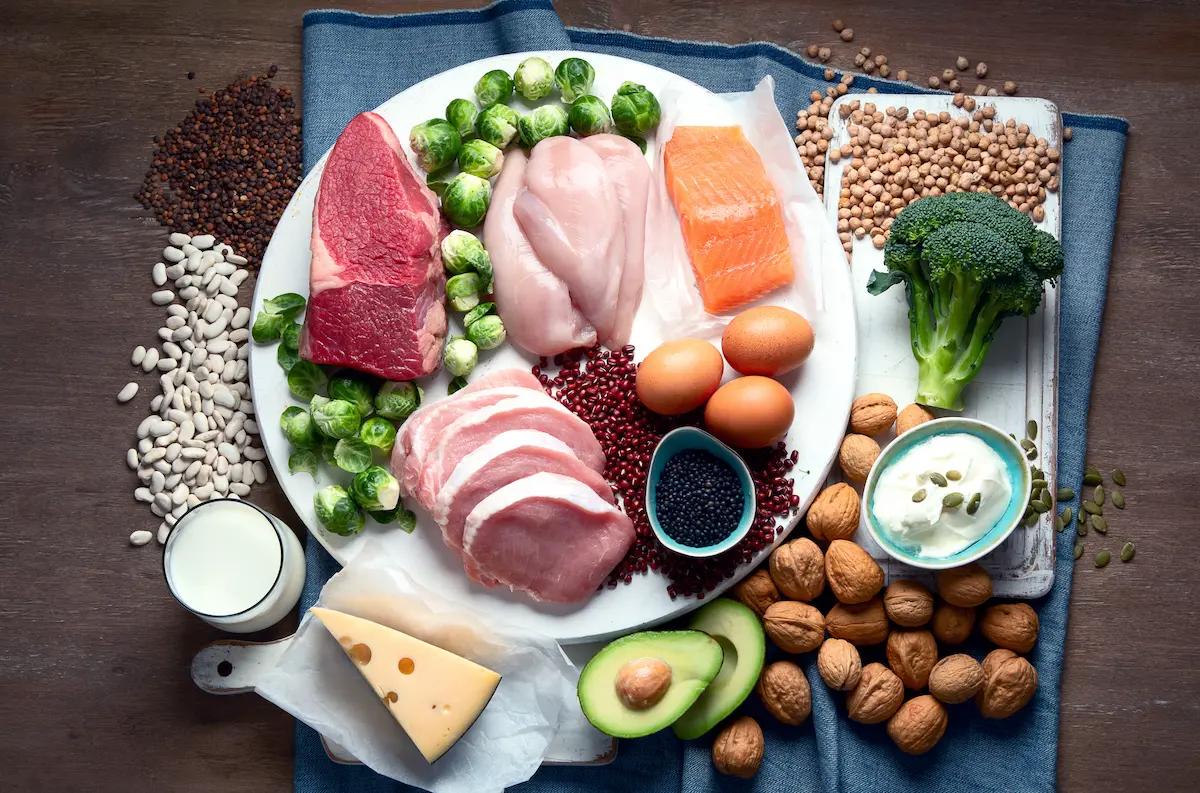
Feeling hungry soon after a meal can make weight loss harder than it needs to be. You may try eating less, only to find yourself craving snacks a few hours later. Getting enough protein could help make the process more manageable.
Protein does more than build muscle. It can help you feel full for longer, support muscle retention while you lose weight, and slightly increase the energy your body uses to digest food. These effects may make it easier to follow a calorie-controlled diet.
But does eating more protein automatically lead to weight loss? Not quite. Protein supports weight management in several ways, but understanding these benefits can help you make better food choices and build a more balanced eating plan.
Here are six ways protein may support your weight-loss goals.
1. Keeps You Fuller for Longer
One of the biggest challenges of losing weight is managing hunger. When you feel hungry throughout the day, sticking to a healthy eating plan can become difficult.
Protein may help by making you feel fuller and more satisfied after meals. It also influences appetite-regulating hormones, which play an important role in controlling hunger and fullness.
A 2020 review noted that higher protein intake reduced hunger and increased feelings of fullness in short-term studies. The researchers also observed changes in appetite-related hormones, including ghrelin, which stimulates hunger, and cholecystokinin (CCK) and GLP-1, which help promote fullness.
Another review involving 1,079 people with overweight or obesity found that six of the ten included studies reported greater fullness or satiety with higher-protein diets.
Feeling fuller after meals may help you control portions and avoid unnecessary snacking, making weight management easier.
2. May Reduce Your Daily Calorie Intake
Losing weight requires maintaining a calorie deficit, but cutting back on food can be difficult if you still feel hungry. Protein may help make this process easier by influencing how much you eat throughout the day.
In a 2005 study of 19 participants, following a higher-protein diet for 12 weeks reduced daily calorie intake by approximately 441 calories compared with a normal-protein diet.
However, this effect is not guaranteed. A 2017 study in 17 women with overweight found that a higher-protein diet increased fullness but did not significantly reduce subsequent calorie intake from carbohydrate- and fat-rich foods.
Adding fiber-rich foods to your meals can also help you feel fuller. Here are some high-fiber foods that may support weight loss.
3. Helps Preserve Muscle During Weight Loss
When you lose weight, your body can lose both fat and lean tissue, including muscle. Losing too much muscle can affect your strength and everyday physical activities.
Getting enough protein can help preserve muscle during weight loss, especially when combined with resistance training.
A meta-analysis of 47 studies involving 3,218 adults with overweight or obesity found that higher protein intake helped reduce muscle loss during weight reduction. Intakes above 1.3 g/kg daily may support muscle retention, while intakes below 1.0 g/kg may increase the risk of muscle loss.
Exercise also matters. A 2025 meta-analysis showed that combining resistance training with a calorie-restricted diet helped preserve muscle mass, increase fat loss, and improve muscle strength.
Include protein-rich foods such as eggs, fish, chicken, tofu, Greek yogurt, and lentils in your meals. Combine them with regular resistance exercises, such as weightlifting or bodyweight workouts.
Remember, protein alone cannot prevent muscle loss. Your calorie intake, exercise routine, age, and overall health also play a role.
4. Helps Your Body Burn More Calories During Digestion
Did you know your body burns calories simply by digesting food? Every time you eat, your body uses energy to break down, absorb, and process nutrients. This is called the thermic effect of food (TEF).
Protein has a higher thermic effect than carbohydrates and fats. Your body uses approximately 20–30% of the calories from protein during digestion and processing, compared with 5–10% for carbohydrates and just 0–3% for fats.
For example, if you eat 100 calories from protein, your body may use around 20–30 calories to process it.
A 2024 review noted that higher-protein meals increased diet-induced thermogenesis and energy expenditure in short-term studies. Longer-term diets also increased total and resting energy expenditure, but did not significantly affect diet-induced thermogenesis.
Although protein requires more energy to digest, the additional calorie expenditure is relatively small. Eating more protein alone won’t guarantee weight loss.
Learn more: How to increase metabolism
5. May Support Long-Term Weight Maintenance
Losing weight is one challenge; keeping it off can be another. Hunger, changes in appetite, and difficulty maintaining new eating habits can make long-term weight management challenging.
Protein may help support weight maintenance by making meals more satisfying and helping preserve muscle.
A review of 21 studies that included 2,875 adults with overweight or obesity found that higher-protein diets helped reduce weight regain. On average, participants regained approximately 1 kg less weight than those following lower-protein diets over 3–12 months.
However, the benefit may become smaller over time, and adding protein supplements does not necessarily prevent weight regain.
Protein is only one part of the picture. Long-term success also depends on your overall eating habits, physical activity, sleep, environment, and ability to maintain changes over time.
6. May Improve Body Composition
Your body weight doesn’t tell the whole story. Two people can weigh the same but have different amounts of body fat and muscle.
During weight loss, changes in body composition matter too. Losing body fat while maintaining lean tissue can improve your body composition, even if your weight changes only gradually.
For this reason, don’t judge your progress by the weighing scale alone. Changes in waist measurements, strength, and how your clothes fit can also help you track progress.
How Much Protein Do You Need for Weight Loss?
Your protein needs depend on your body weight, age, activity level, and weight-loss goals.
For most healthy adults, the recommended dietary allowance (RDA) is 0.8 grams of protein per kilogram of body weight per day. This is a general baseline for meeting basic protein needs.
People who exercise regularly, particularly those who do resistance training, may need more protein to support muscle maintenance and recovery. A review suggests that active individuals may benefit from approximately 1.2–1.6 grams per kilogram of body weight daily.
Higher protein intake may also help preserve muscle during weight loss. A meta-analysis suggests that protein intake above 1.3 grams per kilogram daily may support muscle retention during weight reduction.
For example, if you weigh 60 kg, the general RDA is about 48 grams of protein per day. An intake of 1.2–1.6 grams per kilogram would provide approximately 72–96 grams daily.
Best Protein Foods for Weight Loss
The best protein foods are those that fit your preferences, budget, and nutritional needs while helping you build satisfying meals.
Here are some protein-rich foods that can support your weight-loss goals.
Animal-based protein sources
- Eggs
- Fish and seafood
- Chicken and other lean poultry
- Milk and plain yogurt
- Paneer and other dairy products
Plant-based protein sources
- Lentils and dal
- Chickpeas and kidney beans
- Soybeans, tofu, and tempeh
- Green peas and edamame
- Peanuts, almonds, and seeds
You can also explore these vegan foods that provide complete protein for more plant-based options.
Different foods provide varying amounts of protein, calories, fiber, and other nutrients. For example, lentils provide both protein and fiber, while eggs supply protein along with several vitamins and minerals.
You don’t need expensive protein powders or specialized foods to meet your daily needs. Everyday options such as dal, curd, eggs, chickpeas, and soy products can all contribute to your protein intake.
How to Include More Protein in Your Meals
You do not need to overhaul your diet to eat more protein. A few practical changes can help you distribute it throughout the day.
- At breakfast: Include eggs, milk, Greek yogurt, or tofu instead of relying entirely on refined carbohydrates.
- At lunch: Add dal, chickpeas, kidney beans, fish, chicken, or tofu to your meal.
- For snacks: Choose plain yogurt, roasted chana, or a small serving of nuts.
- At dinner: Include a protein source alongside vegetables and whole grains.
Try to combine protein with fiber-rich foods such as vegetables, fruits, beans, and whole grains. This can help make meals more satisfying and provide a wider range of nutrients.
The goal is not to eat protein at the expense of other foods. Carbohydrates, healthy fats, vitamins, minerals, and adequate overall energy remain important for good health.
Planning your meals ahead can also make it easier to include protein-rich foods throughout the day. Check out this guide on how to meal prep for weight loss for practical meal-planning tips.
Closing Thoughts
Protein can support weight loss by helping you feel fuller, manage your calorie intake, and preserve muscle while losing body fat. It also requires more energy to digest than carbohydrates and fats.
But eating more protein alone won’t guarantee weight loss. Your overall calorie intake, food choices, physical activity, and daily habits all play important roles.
Start by including protein-rich foods in your main meals and choosing options that fit your preferences and lifestyle. A balanced eating pattern you can maintain consistently is more valuable than following a restrictive high-protein diet.