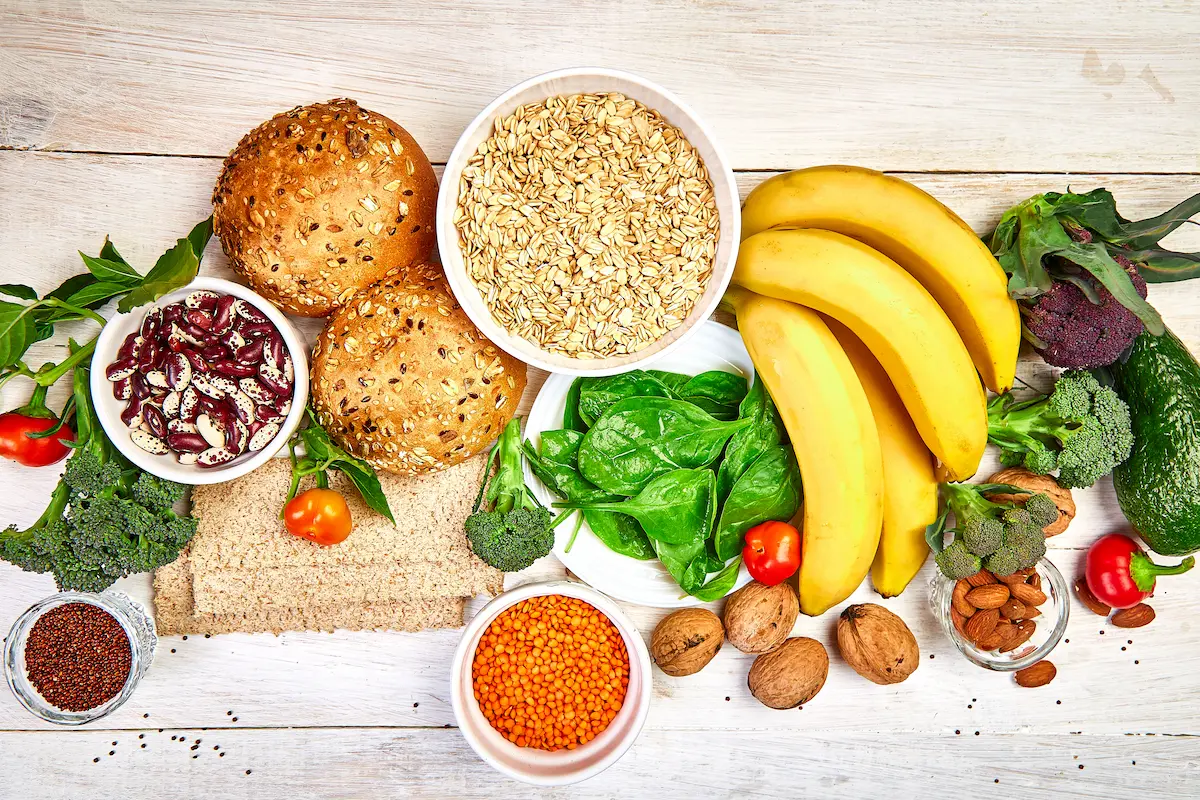
Most people assume the secret to losing weight is simply eating less. They skip meals, cut portions, or avoid entire food groups, only to find themselves hungry a few hours later. That hunger often leads to snacking, overeating, or giving up on their diet altogether.
The problem usually isn’t a lack of willpower. It’s that many weight-loss diets don’t include enough fiber. Fiber slows digestion, helps you stay full for longer, and can make it easier to eat fewer calories without constantly feeling hungry.
No single food can melt away body fat overnight, but regularly choosing fiber-rich foods can make healthy weight loss more sustainable.
In this article, you’ll discover some high-fiber foods for weight loss, along with their fiber content.
Why High-Fiber Foods Help With Weight Loss
Unlike most carbohydrates, fiber isn’t fully digested by your body. Instead, it moves slowly through your digestive system, helping you stay full for longer and supporting healthy digestion.
This slower digestion offers several benefits for weight management:
- Keeps you full longer, making it easier to reduce overall calorie intake.
- Slows stomach emptying, helping meals feel more satisfying.
- Supports healthy blood sugar levels, reducing energy crashes and cravings.
- Promotes a healthy gut microbiome, which plays an important role in metabolism and overall health.
There are two main types of fiber.
Soluble fiber absorbs water and forms a gel-like substance in your digestive tract. This slows digestion and helps you feel full for longer.
Insoluble fiber adds bulk to stool and supports regular bowel movements. While it doesn’t form a gel, it still contributes to satiety and digestive health.
Most adults should aim for 25–38 grams of fiber each day, yet many consume far less than the recommended amount.
High-Fiber Foods for Weight Loss
The following foods are naturally high in fiber and may support healthy weight loss by helping you stay full for longer.
1. Lentils
Few foods are as filling and nutritious as lentils, making them an excellent addition to a weight-loss-friendly diet.
One cooked cup (198 g) provides an impressive 15.6 g of fiber, making lentils one of the richest natural sources of dietary fiber.
They’re also high in plant protein, a combination that helps keep you feeling full for longer.
A meta-analysis of 36 trials found that regularly eating non-soy legumes, including lentils, was associated with lower body weight, smaller waist circumference, and less body fat. However, it did not significantly reduce BMI, and more high-quality research is still needed.
2. Chia Seeds
Despite their tiny size, chia seeds are packed with fiber. Just an ounce (28 g) provides about 10 g, making them one of the easiest ways to boost your daily fiber intake.
One of chia seeds’ unique qualities is their ability to absorb water and form a gel-like consistency. This slows stomach emptying and digestion, helping you feel full for longer after a meal. That’s why fiber-rich breakfasts like chia pudding or overnight oats often keep you satisfied longer than lower-fiber alternatives.
Beyond fiber, chia seeds also provide plant-based omega-3 fatty acids, calcium, magnesium, phosphorus, and antioxidants, making them a nutritious addition to a balanced diet.
While chia seeds are high in fiber and can help keep you feeling full for longer, research on their effects on weight loss has produced mixed results.
3. Black Beans
Black beans combine two nutrients that are especially helpful during weight loss: fiber and protein. This powerful combination slows digestion, promotes fullness, and helps stabilize blood sugar levels after meals. As a result, you’re less likely to feel hungry soon after eating or reach for high-calorie snacks.
One cup (172 g) of cooked black beans delivers 15 g of fiber, making them one of the most filling legumes you can add to your meals.
Studies on pulses—including beans, lentils, peas, and chickpeas—have found that regularly including them in your diet can improve satiety and support modest weight loss, even without strict calorie restriction.
They’re also an excellent source of folate, magnesium, potassium, iron, and antioxidant-rich plant compounds.
4. Oats
A single cup (234 g) of cooked oats provides about 4 g of fiber, including beta-glucan, a type of soluble fiber that absorbs water during digestion, forming a thick gel that slows stomach emptying and helps you feel full for longer.
A meta-analysis found that cereal beta-glucan was associated with modest reductions in body weight and BMI. However, it did not significantly reduce waist circumference, and more long-term studies are needed to confirm these findings.
Beta-glucan has also been extensively studied for its ability to help maintain healthy cholesterol levels, making oats an excellent choice for both weight management and heart health.
Choose plain rolled or steel-cut oats whenever possible, as many flavored instant varieties contain added sugar. This gives you greater control over the ingredients you add.
5. Chickpeas
One cooked cup (164 g) of chickpeas provides around 12.5 g of fiber, helping turn simple meals into ones that keep you satisfied for hours.
Along with their impressive fiber content, chickpeas also provide a generous amount of plant protein. This satisfying combination slows digestion, promotes fullness, and helps control appetite, making chickpeas an excellent choice for a weight-loss diet.
While studies specifically on chickpeas and weight loss are limited, research on pulses—including chickpeas, beans, lentils, and peas—suggests that regularly eating these foods may increase feelings of fullness and support modest reductions in body weight over time.
Chickpeas are also rich in folate, manganese, copper, iron, and several other essential nutrients, making them a nutritious addition to a balanced diet.
6. Raspberries
Raspberries prove that healthy eating doesn’t have to mean giving up sweet foods. Their naturally sweet flavor can help satisfy dessert cravings while providing plenty of fiber for relatively few calories.
A single cup (123 g) of raspberries delivers around 8 g of fiber, making them one of the highest-fiber fruits you can buy.
The combination of fiber and water helps increase stomach fullness, helping you stay satisfied for longer.
Raspberries are also rich in vitamin C, manganese, and anthocyanins, antioxidant compounds that give them their vibrant color.
7. Pears
Pears are often overshadowed by apples and berries, but they’re among the most fiber-rich fruits available. Their high fiber and water content work together to promote fullness while remaining relatively low in calories.
One medium pear (178 g) contains around 5.5 g of fiber, with most of it found in the skin, so it’s best enjoyed unpeeled.
In a 12-week study, overweight women who ate apples or pears three times a day lost significantly more weight than those who ate oat cookies, suggesting that replacing higher-calorie snacks with whole fruits may support weight management.
Unlike processed snack foods that are eaten quickly, pears require more chewing, which can also contribute to satiety. Eating slowly gives your brain more time to recognize that you’re full, potentially helping reduce overall calorie intake.
8. Broccoli
One cooked cup (156 g) of broccoli provides around 5 g of fiber while containing remarkably few calories, making it an excellent vegetable for weight loss.
Broccoli allows you to build larger, more satisfying meals without dramatically increasing your calorie intake. That’s one reason vegetables like broccoli are often recommended for healthy weight management.
Along with fiber, broccoli’s high-water content helps increase the volume of meals, contributing to greater fullness.
It’s also rich in vitamin C, vitamin K, folate, potassium, and numerous beneficial plant compounds.
9. Avocados
Unlike most fruits, avocados are naturally rich in healthy fats. When combined with fiber, these fats slow digestion and help prolong feelings of fullness after eating.
One medium avocado (201 g) provides 13.5 g of fiber, along with heart-healthy monounsaturated fats, potassium, folate, and vitamin K, making it one of the most nutrient-dense fruits you can eat.
In a study of 26 overweight adults, adding about half an avocado to lunch increased feelings of satisfaction by up to 26% and reduced the desire to eat by up to 40% over the next 3–5 hours, suggesting it may help support appetite control.
Although avocados are more calorie-dense than many fruits, they can still fit comfortably into a weight-loss diet. The key is portion size.
10. Apples
One medium apple (200 g) provides around 4 g of fiber, making it one of the easiest high-fiber snacks to include in a weight-loss diet.
There’s a reason the saying “an apple a day” has stood the test of time.
Apples are naturally rich in fiber and water, a combination that helps increase fullness without adding many calories. Their crisp texture naturally encourages slower eating than many processed snacks, giving your brain more time to recognize when you’re satisfied.
Much of an apple’s fiber comes from pectin, a type of soluble fiber that slows digestion and supports a healthier balance of gut bacteria. Because digestion happens more gradually, apples may help you stay satisfied for longer between meals.
While apple juice removes most of the beneficial fiber, eating the whole fruit—especially with the skin on—lets you enjoy its full nutritional benefits. Apples also provide vitamin C and a variety of antioxidants that support overall health.
11. Green Peas
Green peas are often overlooked, yet they deserve a place on any list of foods that support healthy weight loss.
One cooked cup (160 g) of green peas contains nearly 9 g of fiber, making them one of the highest-fiber vegetables you can add to your meals.
Along with fiber, they’re surprisingly rich in plant protein, creating a satisfying combination that helps keep you full for longer.
Unlike refined grain side dishes, green peas digest more slowly, helping promote steadier blood sugar levels and reducing hunger that can follow rapid spikes and crashes.
12. Sweet Potatoes
One medium (114 g) sweet potato with the skin provides about 4 g of fiber, along with slow-digesting carbohydrates that help keep you satisfied.
Sweet potatoes are often grouped with other starchy foods, but they’re far more nutrient-dense than many refined carbohydrate options. Their fiber slows digestion, while their complex carbohydrates provide steadier energy than sugary foods.
They’re also one of the richest sources of beta-carotene, which your body converts into vitamin A to support healthy vision and immune function.
To maximize fiber intake, leave the skin on whenever possible.
Pairing sweet potatoes with a protein-rich food, such as grilled chicken, beans, or Greek yogurt, also creates a more balanced and satisfying meal.
13. Barley
One cup (157 g) of cooked barley provides about 6 g of fiber, including beta-glucan, a type of soluble fiber that’s also found in oats.
Beta-glucan forms a gel-like substance in the digestive tract, slowing digestion and helping you feel full for longer.
In a 2009 study, people who ate bread enriched with barley beta-glucan reported greater fullness, less hunger, and consumed about 19% fewer calories at their next meal than those who ate a control bread.
Research has also shown that barley beta-glucan can help lower LDL (“bad”) cholesterol and improve post-meal blood sugar levels.
14. Brussels Sprouts
One cooked cup (156 g) of Brussels sprouts provides around 4 g of fiber, along with generous amounts of vitamin C, vitamin K, and beneficial plant compounds.
Their fiber helps increase fullness, while high water content adds volume to meals, allowing you to eat larger portions without consuming excessive calories.
Since Brussels sprouts are naturally low in calories, they’re an easy way to make meals more filling without adding many extra calories.
They’re also rich in antioxidants, including glucosinolates, naturally occurring compounds in cruciferous vegetables that have been widely studied for their potential health benefits.
15. Flaxseeds
Just two tablespoons (14 g) of ground flaxseeds provide about 4 g of fiber, along with beneficial omega-3 fats and plant compounds called lignans.
Despite their small size, flaxseeds are packed with nutrition. Their soluble fiber absorbs water and forms a gel-like consistency in your digestive tract, helping slow digestion and extend feelings of fullness after meals.
A 2024 review found that regularly eating flaxseed may lead to modest reductions in body weight, BMI, and waist size. The benefits were greatest in people with obesity when flaxseed was consumed consistently for 10–20 weeks as part of a healthy diet.
Ground flaxseed is generally easier for your body to digest than whole flaxseed, allowing you to absorb more of its nutrients.
16. Edamame
One cooked cup (160 g) of edamame contains around 8 g of fiber and an impressive 18.5 g of plant protein, making it one of the most filling snacks you can choose.
Edamame, or young soybeans, combines two nutrients that are particularly effective for appetite control: fiber and protein. This combination slows digestion, supports muscle maintenance during weight loss, and helps you stay satisfied between meals.
A meta-analysis of 22 trials found that regularly consuming soy foods was associated with modest improvements in body weight, BMI, body fat percentage, and waist circumference in overweight and obese adults, particularly when included as part of an overall healthy diet.
Edamame is also a good source of iron, folate, vitamin K, magnesium, and potassium.
17. Artichokes
One medium cooked artichoke (120 g) provides around 7 g of fiber, making it one of the highest-fiber vegetables you can add to your diet.
Although artichokes may look intimidating, they’re well worth trying. Their high fiber content helps promote fullness while supporting healthy digestion.
They’re also one of the best natural sources of inulin, a prebiotic fiber that nourishes beneficial gut bacteria and supports a healthy gut microbiome.
Despite being rich in fiber, artichokes are relatively low in calories, making them a smart choice if you’re trying to lose weight.
They also provide important nutrients, including folate, vitamin C, magnesium, and potassium.
18. Air-Popped Popcorn
Popcorn is often overlooked as a healthy snack because many people associate it with movie theater popcorn that’s loaded with butter, oil, and salt.
In its simplest form, however, air-popped popcorn is a whole grain that’s naturally high in fiber and low in calories.
Three cups (24 g) of air-popped popcorn provide about 3.5 g of fiber. Thanks to its low energy density, you can enjoy a generous serving for relatively few calories, and research suggests popcorn may be more filling than potato chips.
For the healthiest option, choose air-popped popcorn and season it with herbs, garlic powder, smoked paprika, nutritional yeast, or a light sprinkle of Parmesan cheese instead of excess butter or salt.
Tips for Increasing Fiber Without Bloating
Adding more fiber to your diet is beneficial, but increasing it too quickly can cause gas, bloating, or stomach discomfort. These simple strategies can help your digestive system adjust more comfortably:
- Increase your fiber intake gradually over several weeks instead of making drastic changes overnight.
- Drink plenty of water, since fiber absorbs liquid and needs adequate hydration to move smoothly through your digestive tract.
- Include a variety of fiber-rich foods such as fruits, vegetables, legumes, whole grains, nuts, and seeds instead of relying on just one source.
- Stay physically active, as regular movement helps promote healthy digestion and bowel function.
- Aim to include fiber at every meal rather than consuming most of it at once.
Takeaways
Losing weight isn’t about eliminating foods—it’s about choosing ones that keep you satisfied. High-fiber foods can help you feel fuller for longer while supporting healthy digestion, blood sugar control, and overall well-being.
You don’t have to change your diet overnight. Start by adding one or two more fiber-rich foods to your meals each day.
Small, consistent changes are easier to maintain—and they’re often the key to lasting weight loss.