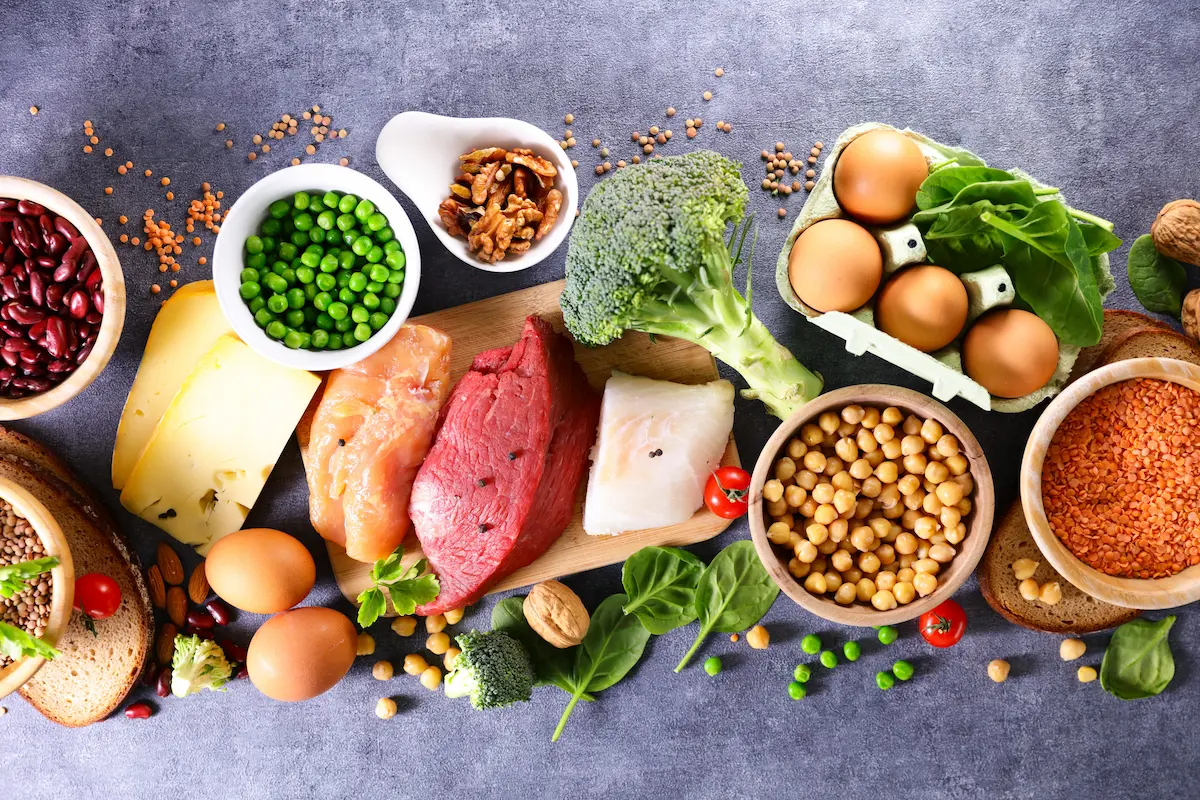
Most people trying to lose weight focus on eating less. That’s the mistake.
If you only cut calories without paying attention to protein, you end up hungry, low on energy, and more likely to binge later. Protein changes that completely. It keeps you full, preserves muscle, and helps your body burn slightly more calories during digestion.
But not all protein-rich foods work equally well for weight loss. Some are high in calories, others are hard to sustain daily, and some simply don’t keep you full long enough.
This is where most advice falls apart. It gives you a list, but no direction.
The goal isn’t just eating more protein — it’s choosing foods that make a calorie deficit easier to stick to.
Why Protein Matters for Weight Loss
Protein does three things better than carbs or fats:
- Reduces hunger: It slows digestion and keeps you full longer
- Preserves muscle: Helps prevent muscle loss while you’re in a calorie deficit
- Boosts metabolism slightly: Your body uses more energy to digest protein
If your meals are low in protein, you’ll struggle with cravings. If they’re balanced properly, fat loss becomes much easier to sustain.
How Much Protein Do You Need for Weight Loss?
General recommendations put protein intake at about 0.8 grams per kilogram of body weight per day. This covers basic needs and helps maintain normal body function.
Fat loss is different. When you’re in a calorie deficit, higher protein intake helps preserve muscle and improves satiety.
For fat loss, aim for 1.2 to 1.6 grams per kg of body weight.
If you weigh 70 kg, that comes out to roughly 84 to 112 grams per day.
This range is effective because it supports muscle retention while keeping you fuller on fewer calories. Going lower increases the risk of muscle loss and makes hunger harder to manage. Going significantly higher doesn’t offer much added benefit for most people.
If your meals leave you unsatisfied or you feel the need to snack frequently, your overall protein intake is likely too low — or your meals lack balance.
High-Protein Foods That May Support Weight Loss
Here’s a clear, practical breakdown of protein-rich foods that actually support weight loss, along with how to use them effectively.
1. Eggs
Eggs can support weight loss, but not in the way most people think. They don’t directly burn fat or cause fat loss on their own. What they do well is improve satiety.
One egg (50 g) gives around 6 grams of high-quality protein that your body absorbs efficiently, and this protein plays a key role in keeping you full. Eating 2–3 eggs in a meal gives you roughly 12–18 grams of protein while keeping calories relatively low, which helps control hunger for hours.
This is why egg-based meals, especially at breakfast, are often linked to reduced calorie intake later in the day. Research shows that people who include eggs regularly tend to eat less overall, but the effect comes from better appetite control, not a direct fat-burning property.
For results, eggs need to be part of a balanced, calorie-controlled diet rather than treated as a standalone solution.
2. Chicken Breast
Chicken breast is one of the most protein-dense foods available, delivering around 32 grams of protein per 100 grams with minimal fat. This high protein-to-calorie ratio makes it a strong choice for weight management.
A single serving can cover a large portion of your daily protein needs without pushing your calorie intake too high.
Diets that include lean protein sources like chicken, especially as part of a balanced, vegetable-rich diet, are linked to a lower risk of overweight and obesity. More broadly, higher protein intake has been associated with improved body composition and reduced fat mass, particularly when combined with a calorie-controlled diet.
3. Lean Beef
Lean beef provides about 31 grams of protein per 100 grams, making it one of the most protein-dense foods. It is highly filling and helps support muscle maintenance during weight loss.
A 16-week study in overweight adults found that a high-protein diet including lean beef led to similar weight loss (~7.7–7.8%), reduced fat mass, maintained muscle, and improved markers like cholesterol and blood pressure compared to diets without red meat.
In another 5-month study, diets with either small or higher amounts of lean beef showed similar results for weight, fat loss, metabolism, and cardiovascular risk during weight maintenance, indicating that lean beef can fit well into a balanced weight-loss plan.
4. Fish
Most fish varieties offer around 20–25 grams of protein per 100 grams along with healthy fats. This combination supports satiety and overall health.
Fish is light yet filling, making it suitable for both lunch and dinner.
Studies show modest benefits for weight loss.
A meta-analysis found small reductions in body weight, body fat, and waist size with fish intake, while another trial showed that adding fish to a calorie-restricted diet led to slightly greater weight loss, especially in men
5. Greek Yogurt
Greek yogurt provides roughly 10 grams of protein per 100 grams, which is significantly higher than regular yogurt. It also digests slowly, helping you stay full for longer periods.
A standard bowl can easily provide 15–20 grams of protein, making it a strong option for breakfast or snacks.
In a 10-week study in overweight adults, those who consumed yogurt daily as part of a calorie-restricted diet lost weight. The fortified yogurt group showed greater fat loss, improved metabolic markers, and better muscle retention compared to plain yogurt.
6. Paneer
Paneer provides about 16 grams of protein per 100 grams, which helps improve satiety and reduce overall calorie intake.
However, it is also calorie-dense due to its fat content, so portion size becomes important.
Keeping servings around 50–100 grams can help you get the benefits without consuming excess calories
7. Lentils
Cooked lentils provide around 9 grams of protein per 100 grams along with a good amount of fiber. This combination supports fullness and digestion.
While the protein content is lower than animal sources, lentils are highly effective at helping control appetite, and research on pulses suggests they can improve satiety and support weight management when included in a balanced diet.
8. Chickpeas
Chickpeas contain roughly 8–9 grams of protein per 100 grams when cooked. In addition to supporting fullness, they help slow digestion and stabilize blood sugar levels, which can reduce cravings and prevent overeating.
A review of 21 trials (940 people) found that eating about one serving of pulses daily (including chickpeas) led to a small weight loss of 0.34 kg in 6 weeks, even without calorie restriction, and may also help reduce body fat.
9. Tofu
Tofu provides roughly 8 grams of protein per 100 grams and is lower in calories than paneer, making it a better option for increasing protein intake without adding excess fat. It’s also easy to include in regular meals.
A review of 22 trials (870 overweight or obese people) found that soy products led to small reductions in body weight, BMI, body fat, and waist size, especially in Asian populations and non-menopausal women, mainly due to soy protein, isoflavones, and fiber.
However, other research shows mixed results.
A 2017 review found no overall weight loss effect, and in some cases, weight increased at higher intakes. Soy still showed small reductions in waist size in certain groups, while isoflavones slightly reduced BMI in women.
10. Fish
Most fish varieties offer around 20–25 grams of protein per 100 grams along with healthy fats. This combination supports satiety and overall health.
Fish is light yet filling, making it suitable for both lunch and dinner.
Studies show modest benefits for weight loss.
A meta-analysis found small reductions in body weight, body fat, and waist size with fish intake, while another trial showed that adding fish to a calorie-restricted diet led to slightly greater weight loss, especially in men.
11. Almonds
Almonds contain around 21 grams of protein per 100 grams, but in practical terms, a small handful (28 g) provides around 6 grams.
A meta-analysis of 37 trials found that almond intake was linked to small reductions in body weight, fat mass, waist size, and hunger levels. The benefits were more noticeable when at least 50 grams were consumed daily for 12 weeks, although some measures like BMI did not show significant changes.
12. Whey Protein
A single scoop (30-32 g) of whey protein typically provides around 25 grams of protein. It’s one of the easiest ways to meet your daily protein needs, especially if your diet falls short.
However, it should complement your meals, not replace them.
A review of 35 trials (1902 adults) found that whey protein led to small reductions in BMI, body fat, and waist size, while increasing lean muscle mass. Benefits were greater when combined with resistance training and a calorie-controlled diet.
13. Boiled Peanuts
Boiled peanuts provide about 14 grams of protein per 100 grams and are more filling than roasted peanuts due to their higher water content, which helps keep calorie intake in check.
While many studies link nuts and peanuts to better weight control, research specifically on boiled peanuts is limited. However, they may still offer similar benefits for managing hunger and reducing overall calorie intake.
14. Edamame
Edamame is one of the best plant-based sources of protein, with a 100-gram serving providing around 11 grams. They are also a good source of iron, magnesium, potassium, and folate along with other B-vitamins.
A 12-week study in overweight women found that consuming 80 g of edamame daily, along with healthy lifestyle changes, led to reductions in body weight, BMI, waist size, and abdominal fat.
However, these results may not apply to all populations, and research on edamame specifically is still limited, although it may offer similar benefits to other soy-based foods.
15. Low-Fat Cottage Cheese
Low-fat cottage cheese provides about 11 grams of protein per 100 grams while being lower in calories, making it a suitable option for lighter meals, especially in the evening.
Its high casein protein content digests slowly, helping you stay full for longer and reducing the chances of late-night snacking. While this can support weight control, direct research on cottage cheese itself is still limited.

Takeaways
Protein is not optional for weight loss. It’s a requirement.
If you don’t hit your daily protein needs, you’ll struggle with hunger, low energy, and inconsistency. If you do, weight loss becomes more structured and manageable.
Focus on hitting your daily target using simple, accessible foods. Keep portions under control and spread your intake across the day.
That’s what actually works.
4 thoughts on “15 High-Protein Foods to Help with Your Weight Loss Journey”
Comments are closed.