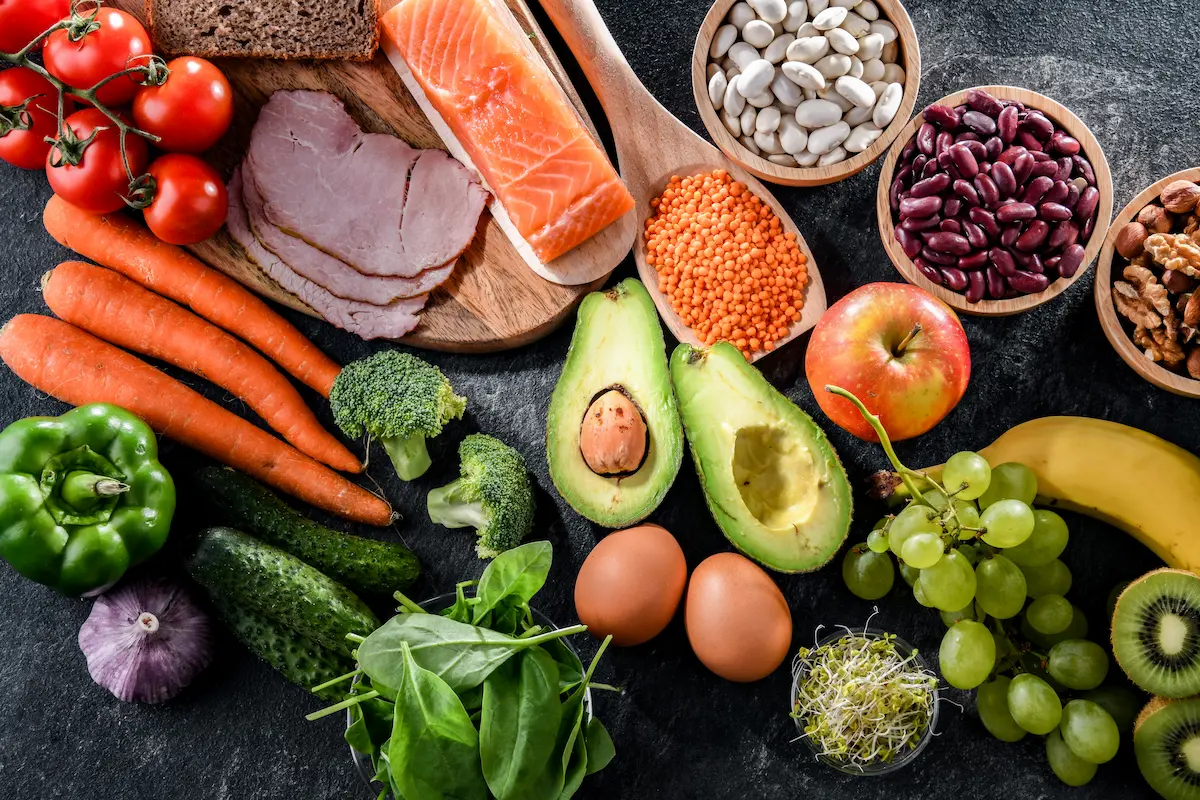
Fertility is often treated like a mystery—something that either works or doesn’t. But in reality, your body is constantly responding to signals. And one of the strongest signals you send every single day comes from your food.
What you eat doesn’t “guarantee” pregnancy. That’s the truth. But it can influence key factors that directly affect fertility—like hormone balance, egg quality, ovulation, and overall reproductive health.
The problem is, most people focus on what to avoid and ignore what to include.
Cut sugar. Avoid junk. Reduce caffeine.
That’s fine—but it’s incomplete.
If your diet lacks nutrients that support fertility, removing unhealthy foods alone won’t help much.
The goal is simple:
Give your body the nutrients it needs to function properly.
That means supporting:
- Hormone production
- Blood sugar balance
- Nutrient stores (like iron, folate, zinc)
- Reduced inflammation
The foods below are not magic solutions. But they are consistently linked to better reproductive health when included as part of a balanced diet.
Let’s get into it.
Foods That Support Fertility
These foods provide key nutrients that help support hormone balance, ovulation, and overall reproductive health.
1. Whole Eggs
Eggs are one of the most nutrient-dense foods you can include when trying to support fertility.
They provide high-quality protein along with choline, an essential nutrient involved in cell development. This is important for egg quality and early fetal development.
Animal research suggests that choline may support ovarian function and hormone balance, but more human studies are needed to confirm these effects.
The yolk also contains vitamin B12, which supports reproductive health by helping regulate homocysteine levels linked to ovulation and pregnancy outcomes.
Don’t skip the yolk. That’s where most of the key nutrients are.
2. Spinach and Leafy Greens
Leafy greens like spinach, amaranth leaves, and kale are rich in folate, a nutrient linked to reproductive health.
Folate supports reproductive health by helping regulate homocysteine levels and hormone function, both of which are linked to ovulation and pregnancy outcomes.
In fact, adequate folate intake during pregnancy is associated with healthy fetal development and a reduced risk of neural tube defects.
They also provide iron and antioxidants, which help maintain overall reproductive health.
If greens are missing from your daily meals, that’s a gap worth fixing
3. Fatty Fish
Fatty fish are one of the best sources of omega-3 fatty acids.
These fats help reduce inflammation and support hormone balance. They may also improve blood flow to reproductive organs.
A clinical trial in subfertile women undergoing IVF found that taking omega-3 supplements (1000 mg daily for eight weeks) improved egg quality, fertilization rates, and embryo development compared to a placebo.
Aim for 2 servings per week, but avoid high-mercury fish.
4. Lentils and Beans
Lentils are rich in plant-based protein, iron, and fiber.
Iron plays a role in ovulatory function, and higher intake has been associated with a lower risk of ovulatory infertility. At the same time, both low and excessive iron levels have been linked to fertility issues, which makes balanced intake important.
The fiber helps regulate blood sugar, which indirectly supports hormone balance.
They’re also easy to include in daily meals and provide a practical way to improve nutrient intake.
5. Berries
Berries like strawberries, blueberries, and raspberries are packed with antioxidants.
Oxidative stress is linked to conditions like PCOS and unexplained infertility. These compounds may help protect reproductive cells from this damage.
Berries also provide natural sweetness without excessive sugar, making them a better fruit choice.
6. Nuts and Seeds
Nuts and seeds are a nutrient-dense addition to a fertility-focused diet.
They provide healthy fats, vitamin E, and zinc, which play roles in hormone balance, cell protection, and overall reproductive health.
Flaxseeds also contain plant compounds that may help support hormone regulation.
Including nuts as part of a balanced, plant-rich diet has been linked to better chances of conception, highlighting the importance of overall dietary patterns.
Stick to small portions—these foods are nutrient-dense but also high in calories.
7. Whole Grains
Refined carbs can cause blood sugar spikes, which may disrupt hormone balance.
Whole grains are different.
They provide fiber, B vitamins, and antioxidants.
They also have a low glycemic index, which helps maintain stable insulin levels—important for ovulation—and are linked to better fertility outcomes when included as part of a balanced diet.
Oats and quinoa are particularly good choices.
8. Avocado
Avocado is rich in monounsaturated fats (MUFAs), which support hormone production and are linked to better pregnancy outcomes.
These healthy fats also help reduce inflammation, which plays a role in reproductive health.
Avocado provides folate and potassium, nutrients that are often under-consumed but important during the preconception period.
Extremely low-fat diets can disrupt hormone balance, making healthy fats an important part of a fertility-focused diet.
9. Citrus Fruits
Citrus fruits are rich in vitamin C, which supports reproductive health.
Vitamin C plays a role in ovulation, hormone production, and progesterone levels, and helps support follicle development.
It also improves iron absorption and acts as an antioxidant, helping reduce oxidative stress.
They’re easy to include and widely available.
10. Tomatoes
Tomatoes contain lycopene, an antioxidant that may play a role in female reproductive health.
A study in 567 women undergoing fertility evaluation found that higher lycopene intake was associated with higher antral follicle count (the number of available eggs).
They also provide vitamin C and potassium.
Cooked tomatoes (like in curries or sauces) increase lycopene availability.
11. Garlic
Garlic may not be the first food you think of for fertility, but it has benefits.
It contains selenium and antioxidants, which support reproductive health. Selenium also plays a role in thyroid function and may help support egg development.
It may also support blood circulation, which is important for reproductive function.
Use it regularly in cooking—it doesn’t need to be consumed separately.
12. Dark Chocolate
Dark chocolate provides antioxidants along with a good amount of iron and magnesium.
Magnesium plays a role in glucose metabolism and may help improve insulin sensitivity, which is especially relevant for women with PCOS and metabolic issues.
Choose high-quality dark chocolate (70% or higher cocoa) and keep portions small.
What Actually Impacts Fertility More Than Any Single Food
This is where most people get it wrong.
They look for one “fertility superfood” and ignore everything else.
That approach doesn’t work.
Fertility is influenced by patterns, not individual foods.
What matters more:
- Consistent nutrient intake
- Balanced meals (protein + fiber + fat)
- Stable blood sugar levels
- Enough calories (undereating can disrupt hormones)
You don’t need a perfect diet. But you do need a consistent one.
Common Mistakes That Hurt Fertility
Let’s be clear—these are common and they matter.
1. Extreme dieting
Low-calorie diets can disrupt ovulation and hormone production.
Fix: Eat enough. Focus on quality, not restriction.
2. Too much processed food
High sugar and refined carbs affect insulin and hormone balance.
Fix: Replace, don’t just remove. Add whole foods.
3. Ignoring protein
Low protein intake affects hormone stability.
Fix: Include protein in every meal.
4. Overconsuming caffeine
Excess caffeine may impact fertility in some cases.
Fix: Keep it moderate (1–2 cups per day).
5. Expecting instant results
Fertility doesn’t improve overnight.
Fix: Give your body time—consistency matters.
The Bottom Line
There’s no single food that will “boost fertility” overnight.
But the right foods can create an environment where your body functions better.
Rather than focusing on individual foods, aim for balanced meals that include healthy fats, vitamins, minerals, and antioxidants.
Focus on:
- Nutrient-dense whole foods
- Balanced meals
- Consistency over perfection
Start simple. Add 4–5 of these foods into your routine and build from there.
If you’re facing ongoing fertility issues, it’s best to consult a healthcare professional to understand the underlying cause.