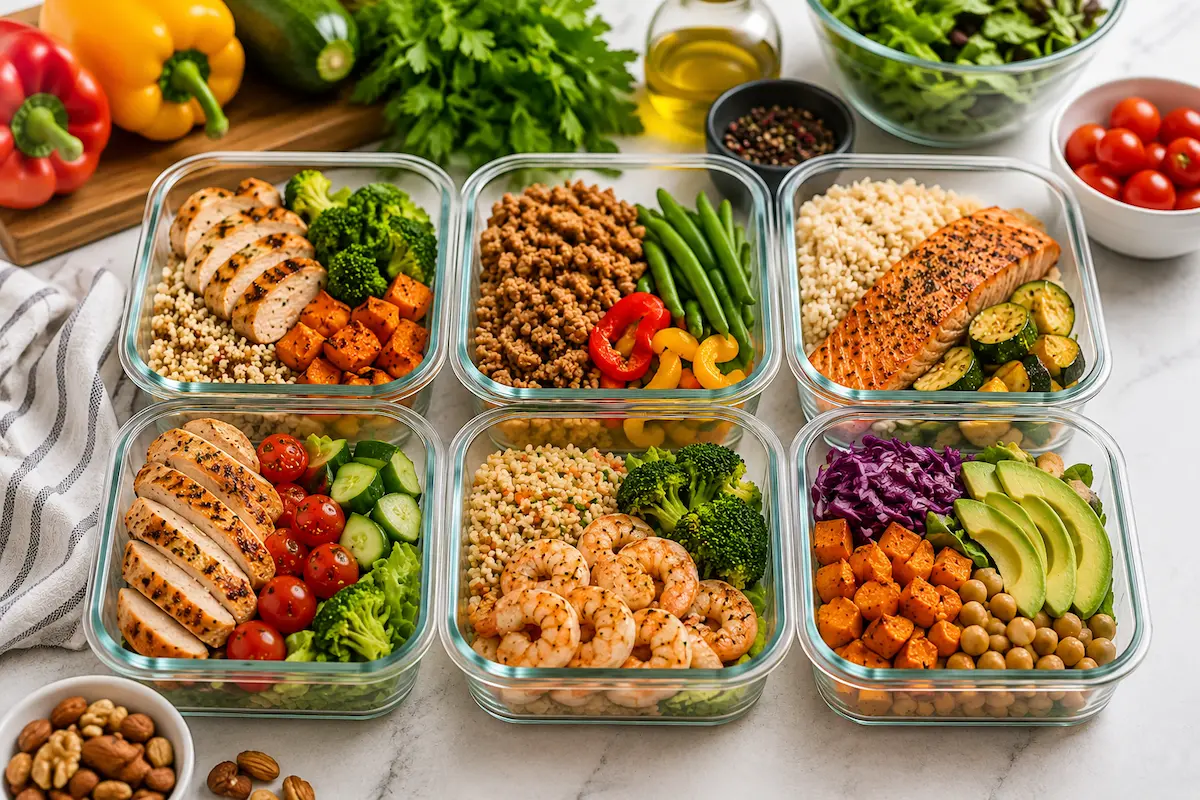
If you’ve ever started eating healthier on Monday only to order takeout by Wednesday, you’re not alone. Weight loss rarely falls apart because of a lack of motivation—it usually falls apart because life gets busy. When you’re tired, hungry, and short on time, convenience often wins.
That’s where meal prep can help. By preparing meals or ingredients ahead of time, you make the healthy choice the easy choice. Instead of deciding what to eat every day, you’ve already planned ahead, making it easier to control portions and avoid last-minute takeout.
The good news is that meal prep doesn’t have to be complicated. Even preparing a few meals or ingredients in advance can save time, reduce stress, and help you stay consistent with your healthy eating goals.
What Is Meal Prep?
Meal prep simply means preparing some or all of your meals before you need them.
Some people cook complete meals for the week, while others prepare ingredients like chicken, rice, roasted vegetables, or chopped produce so meals come together in just a few minutes.
There’s no single “right” way to meal prep—the best approach is the one that fits your schedule and that you’ll actually continue using.
Meal prep can include:
- Making overnight oats or preparing smoothie ingredients for quick breakfasts..
- Cooking complete meals and portioning them into containers.
- Preparing proteins, grains, and vegetables separately for mixing and matching.
- Washing and chopping fresh fruits and vegetables ahead of time.
- Portioning snacks into grab-and-go servings.
Can Meal Prep Actually Help You Lose Weight?
Meal prep doesn’t directly cause weight loss—maintaining a calorie deficit does. What meal prep does is make that calorie deficit easier to stick to by reducing impulsive food choices and making nutritious meals more convenient.
Preparing meals ahead of time also gives you more control over ingredients and portion sizes, which can help you stay consistent with your eating habits. Research suggests that people who plan their meals tend to have healthier diets and may be more likely to maintain a healthy body weight.
Meal prep isn’t a magic solution, but it can be one of the simplest ways to make healthy eating fit into a busy lifestyle.
Step-by-Step Meal Prep for Weight Loss
Now that you know why meal prep works, here’s how to build a simple routine that supports your weight-loss goals.
Step 1: Set Your Calorie Goal
Before choosing recipes or buying containers, determine how much food your body actually needs.
Weight loss happens when you consistently maintain a calorie deficit, meaning you consume fewer calories than your body burns over time. That doesn’t mean eating as little as possible—overly restrictive diets are difficult to maintain and can leave you feeling hungry, tired, and more likely to overeat later.
Instead, aim for a moderate calorie deficit that supports steady, sustainable weight loss while providing enough energy and nutrients.
Once you have a general calorie goal, planning balanced meals becomes much easier, helping you stay consistent without needing to be perfectly precise every day.
Step 2: Build Balanced Meals
A balanced meal is more satisfying, more nutritious, and easier to stick with than one built around a single nutrient. Aim to include a source of protein, fiber-rich vegetables or fruit, healthy fats, and high-fiber carbohydrates to help keep you full and energized throughout the day.
Start with a protein-rich food, as protein helps maintain muscle while losing weight and is generally more filling than carbohydrates or fat. Good options include chicken, turkey, fish, eggs, Greek yogurt, cottage cheese, tofu, tempeh, beans, lentils, and lean beef. Cooking several servings at once can save time and provide the foundation for multiple meals throughout the week.
Next, add plenty of fiber-rich foods, especially vegetables and fruit. Fill at least half your lunch or dinner container with non-starchy vegetables such as broccoli, cauliflower, bell peppers, zucchini, carrots, or leafy greens, and include whole fruits when possible. Foods naturally high in fiber, such as beans, lentils, oats, quinoa, and other whole grains, add volume to meals, support digestive health, and help you stay satisfied for longer.
Finally, include a source of heart-healthy fats and a healthy carbohydrate. Healthy fat foods, such as avocados, olive oil, nuts, seeds, and natural nut butters, make meals more satisfying, while nutritious carbohydrate sources like brown rice, sweet potatoes, quinoa, oats, and whole-grain pasta provide steady energy along with important vitamins, minerals, and fiber.
Rather than avoiding carbohydrates altogether, focus on balanced portions and the overall quality of your meals.
Step 3: Plan Your Meals Before You Shop
Successful meal prep starts before you walk into the grocery store. Take a few minutes to decide what meals you’ll prepare for the week, how many servings you’ll need, and which ingredients can be used in multiple recipes.
For example, cooked chicken can be added to salads, wraps, or grain bowls, while brown rice can be paired with different proteins and vegetables throughout the week.
Before shopping, check your refrigerator, freezer, and pantry to see what you already have. Then make a grocery list with only the ingredients you need, organizing it by sections such as produce, protein, dairy, pantry, and frozen foods to make shopping quicker and more efficient.
Planning your meals and shopping with a list helps reduce food waste, save money, and prevent impulse purchases. If possible, avoid grocery shopping when you’re hungry, as it can make less nutritious convenience foods more tempting.
Step 4: Cook Efficiently
Meal prep doesn’t have to mean spending your entire Sunday in the kitchen. The goal is to save time by cooking smarter, not longer.
Whenever possible, cook multiple foods at the same time. For example, while your protein bakes in the oven, vegetables can roast, grains can cook on the stovetop, and eggs can boil.
Preparing larger batches of staple ingredients, such as cooked chicken, roasted vegetables, brown rice, quinoa, or chili, also makes it easy to mix and match meals throughout the week.
With a few versatile ingredients ready to go, you can create different lunches and dinners without cooking from scratch every day, making healthy eating both convenient and sustainable.
Step 5: Portion Your Meals
Once your meals are cooked, divide them into individual containers before storing them. Having ready-to-eat portions makes healthy meals just as convenient as takeout while helping you manage portion sizes and avoid overeating when you’re hungry.
You don’t need to weigh every ingredient to build a balanced meal. A simple visual guide works well for most people:
- Fill half your container with non-starchy vegetables.
- Fill one-quarter with a protein-rich food.
- Fill one-quarter with a high-fiber carbohydrate, such as brown rice, quinoa, or sweet potato.
- Add a moderate serving of healthy fats, such as avocado, olive oil, nuts, or seeds, based on your calorie needs.
Pre-portioned meals also save time, reduce decision fatigue, and make it easier to stay consistent with your healthy eating goals throughout the week.
Step 6: Store Meals Safely
Proper storage helps keep your meals fresh, safe, and ready to eat throughout the week. Most cooked meals can be refrigerated in airtight containers for 3 to 4 days. If you’re preparing meals further in advance, freeze individual portions and thaw them as needed.
Allow hot food to cool slightly before refrigerating it, but don’t leave cooked meals at room temperature for more than two hours. Labeling containers with the preparation date can also help you use older meals first and reduce food waste.
When you’re ready to eat, reheat leftovers until they’re thoroughly hot. Following these simple food safety practices helps ensure your meal prep stays both convenient and safe.
Step 7: Keep It Simple
You don’t have to prepare every meal or spend hours in the kitchen to benefit from meal prep. Start with a few breakfasts, lunches, or dinners each week and build your routine as you discover what works best for your schedule and preferences.
Don’t worry about making every meal perfect. Some weeks you’ll prep more than others, and that’s okay. The goal isn’t perfection—it’s creating a routine that makes healthy eating easier and more sustainable over time.
Remember, consistency matters far more than perfection. Even small, realistic changes can make meal prep a habit you’ll be able to maintain in the long run.
Common Meal Prep Mistakes
Meal prep doesn’t have to be complicated, but a few common mistakes can make it harder to stick with. Avoiding these pitfalls can help you build a routine that’s both practical and sustainable.
Preparing Too Much Food
Trying to prepare every meal for the entire week can feel overwhelming, especially if you’re new to meal prep.
Start with two or three days’ worth of meals and gradually increase as the habit becomes easier.
Choosing Foods You Don’t Enjoy
Weight loss doesn’t mean forcing yourself to eat foods you dislike.
Choose nutritious meals you genuinely enjoy, and use herbs, spices, marinades, and different cooking methods to keep them flavorful.
Not Adding Enough Variety
Eating the same meal every day can quickly become repetitive.
Instead of making completely different recipes, vary your vegetables, grains, seasonings, or sauces while using many of the same ingredients.
Forgetting to Prep Snacks
If you regularly get hungry between meals, plan nutritious snacks ahead of time.
Fresh fruit, Greek yogurt, cottage cheese, roasted chickpeas, nuts, or vegetables with hummus can help keep hunger in check and reduce impulsive food choices.
Aiming for Perfection
Meal prep is meant to make healthy eating easier, not create another set of strict rules.
If one meal doesn’t go as planned, simply get back on track with your next meal—consistency matters far more than perfection.
A Simple Weight-Loss Meal Prep Example
Meal prep doesn’t have to be complicated. A simple, balanced meal plan can make healthy eating easier while providing plenty of variety.
Breakfast
Overnight oats made with oats, Greek yogurt, chia seeds, berries, and cinnamon.
Lunch
Grilled chicken with roasted broccoli, carrots, brown rice, and a drizzle of olive oil.
Dinner
Baked salmon with roasted sweet potatoes and green beans.
Snack Ideas
- Apple with peanut butter
- Greek yogurt
- Cottage cheese with berries
- Baby carrots and hummus
- A small handful of almonds
Notice that these meals aren’t restrictive. Each combines protein, fiber-rich carbohydrates, healthy fats, and plenty of vegetables to help keep you satisfied while supporting your weight-loss goals.
Feel free to swap ingredients based on your preferences, dietary needs, or what’s in season—the best meal prep plan is one you can enjoy and stick with consistently.
The Bottom Line
Meal prep isn’t about spending hours in the kitchen or preparing perfect meals. It’s simply a way to plan ahead so healthy choices become the easy choices.
Start small and build a routine that fits your lifestyle. Even preparing a few meals or ingredients each week can make healthy eating more convenient and consistent.
The best meal prep plan is the one you can stick with. Over time, that consistency can make achieving and maintaining your weight-loss goals much easier.