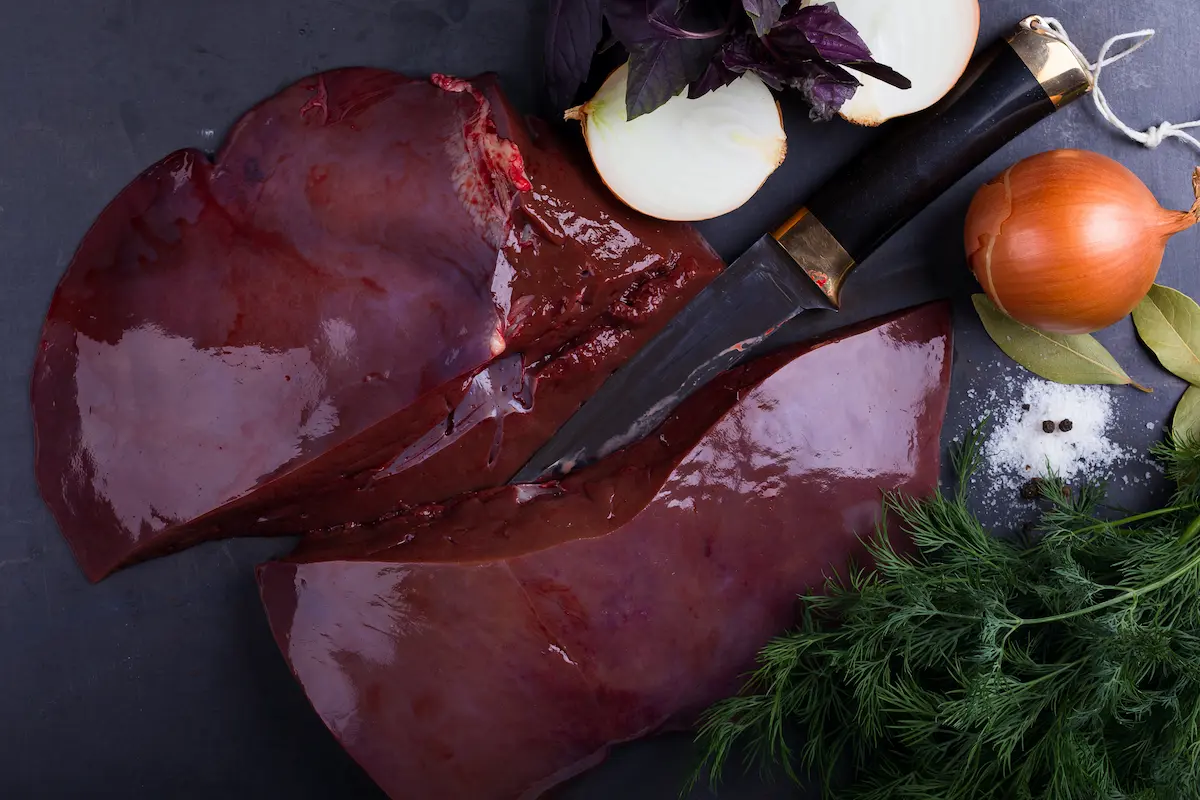
If there were a competition for the most nutritious food on the planet, beef liver would be a serious contender.
Yet mention beef liver at the dinner table and you’re likely to get one of two reactions: enthusiastic praise from someone who grew up eating it, or an immediate look of disgust from someone who can’t imagine putting liver on their plate.
Few foods are as misunderstood.
For decades, beef liver was a staple in many households. Then convenience foods took over, organ meats fell out of favor, and liver gradually disappeared from most diets.
Ironically, while many people spend money on multivitamins and other supplements, they often overlook a whole food that’s naturally packed with vitamin A, vitamin B12, iron, copper, choline, high-quality protein, and many other essential nutrients.
Let’s take a closer look at the benefits of beef liver, its nutrition, and how to enjoy it safely as part of a balanced diet.
What Is Beef Liver?
Beef liver is an organ meat that comes from cattle. Unlike muscle meats such as steak or ground beef, the liver stores and processes many of the nutrients the body needs to function.
Because it plays a central role in metabolism, beef liver naturally contains high concentrations of vitamins and minerals, making it one of the most nutrient-dense foods available.
Nutrition Facts of Beef Liver
A 3-ounce (85-gram) serving of cooked beef liver provides approximately:
- Energy: 138 kcal
- Protein: 21 g
- Total Fat: 3.8 g
- Carbohydrate: 3.7 g
- Iron: 4.7 mg (26% Daily Value (DV))
- Phosphorus: 359 mg (29% DV)
- Zinc: 3.8 mg (35% DV)
- Copper: 10.4 mg (1,156% DV)
- Selenium: 26.1 mcg (47% DV)
- Vitamin A: 6,817 mcg (757% DV)
- Vitamin B2: 2.47 mg (190% DV)
- Vitamin B3: 12.7 mg (79% DV)
- Vitamin B5: 5.1 mg (102% DV)
- Vitamin B6: 0.74 mg (44% DV)
- Folate: 183 mcg (46% DV)
- Vitamin B12: 51 mcg (2,125% DV)
- Choline: 308 mg
Few foods provide such a remarkable combination of vitamins, minerals, and high-quality protein in a single serving.
Health Benefits
These are the benefits associated with eating beef liver as a part of balanced diet.
1. It May Help Support Energy Levels
Many people associate low energy with a lack of sleep, stress, or a busy schedule. While those factors certainly matter, nutrition plays an important role as well.
Beef liver is rich in several nutrients involved in normal energy metabolism, including riboflavin (vitamin B2), niacin (vitamin B3), pantothenic acid (vitamin B5), vitamin B6, and copper (2, 3, 4, 5, 6)
It also provides vitamin B12 and iron, both of which are essential for healthy red blood cell production. Deficiencies in either nutrient can lead to fatigue, weakness, and anemia (7, 8).
One of beef liver’s greatest strengths is that it provides many of these nutrients in a single serving. While it isn’t a cure for fatigue, it can help increase your intake of nutrients that support normal energy production as part of a balanced diet.
2. One of the Best Foods for Vitamin B12
Vitamin B12 is essential for healthy nerves, red blood cell production, and DNA synthesis. Yet many people don’t realize how difficult it can be to obtain large amounts of this nutrient from food.
Beef liver stands in a category of its own.
One slice (68 g) of cooked beef liver provides about 48 mcg of vitamin B12, nearly 20 times the amount most adults need in a day, making it one of the richest natural food sources available.
Because vitamin B12 plays such an important role throughout the body, maintaining healthy levels is important for everything from neurological function to normal energy production.
3. Rich in Iron That Your Body Can Easily Use
Iron deficiency remains one of the most common nutrient deficiencies worldwide.
While many plant foods contain iron, the iron found in animal foods such as beef liver is known as heme iron, a form that is generally absorbed more efficiently by the body.
Iron’s primary job is helping transport oxygen through the bloodstream. Without enough iron, tissues receive less oxygen, which can contribute to feelings of tiredness and reduced physical performance.
Because beef liver is one of the richest sources of highly absorbable heme iron, it can be an excellent choice for people looking to increase their iron intake. However, many other iron-rich foods can also help you meet your daily iron needs.
4. Supports Healthy Red Blood Cell Production
Your body produces millions of new red blood cells every second to carry oxygen from your lungs to tissues throughout the body.
To produce healthy red blood cells, your body needs several nutrients, including iron, vitamin B12, folate, and copper. Iron is needed to make hemoglobin, while vitamin B12 and folate support the DNA production and cell division required to form new red blood cells (6, 7, 8, 9). Beef liver is one of the few foods that naturally provides all four in a single serving.
Together, these nutrients help your body produce healthy red blood cells and transport oxygen efficiently. That’s one reason beef liver has long been valued as a highly nutritious food, particularly for supporting overall nutritional status.
5. Packed With Vitamin A for Eye and Immune Health
Most people think of carrots when they think about vitamin A.
But beef liver contains far more. In a serving, it provides more than 11 times as much vitamin A as carrots, making it one of the richest natural food sources of this essential nutrient.
Vitamin A helps support healthy vision, immune function, skin health, and normal cell growth. It’s involved in countless processes throughout the body, yet many people don’t consume enough of it.
This is one area where beef liver truly stands out. Even a modest serving provides well over the Daily Value for vitamin A.
6. An Unexpectedly Powerful Food for Nutrient Density
Many foods are rich in one nutrient.
Salmon is known for omega-3 fats. Oranges are known for vitamin C. Yogurt is known for calcium.
Beef liver is different.
Its greatest strength isn’t a single nutrient. It’s the sheer concentration of nutrients working together.
When researchers compare foods based on nutrient density, beef liver consistently ranks among the most nutrient-dense foods because it provides exceptionally high amounts of several essential vitamins and minerals in a relatively small serving.
In practical terms, even a modest serving can make a meaningful contribution toward your daily intake of several essential nutrients.
This level of nutrient density is one reason liver has remained valued in traditional diets around the world for centuries.
Are There Any Downsides to Eating Beef Liver?
Despite its impressive nutritional profile, beef liver isn’t suitable for everyone.
Vitamin A Intake
Beef liver is exceptionally rich in vitamin A. Eating very large amounts regularly may increase the risk of vitamin A toxicity, so it’s best enjoyed in moderation.
Pregnancy Considerations
Pregnant individuals should speak with their healthcare provider before consuming liver regularly due to its very high vitamin A content.
Certain Medical Conditions
People with conditions affecting iron storage or copper metabolism may need to limit liver consumption based on medical advice.
How Much Beef Liver Should You Eat?
Because beef liver is extremely nutrient-dense, a small serving is usually enough. For most healthy adults, about 2–3 ounces (55–85 g) once a week is sufficient to obtain its nutritional benefits.
Eating much larger amounts or consuming it daily isn’t necessary and may contribute to excessive vitamin A intake over time.
Tips for Making Beef Liver Taste Better
One reason many people avoid beef liver is its strong flavor.
These strategies may help:
- Soak liver in milk for a few hours before cooking
- Pair it with caramelized onions
- Mix ground liver with ground beef
- Use liver in meatballs or meatloaf
- Avoid overcooking, which can intensify bitterness
Proper preparation can make a significant difference in taste and texture.
The Bottom Line
Beef liver is one of the most nutrient-dense foods available.
It provides exceptional amounts of vitamin B12, vitamin A, iron, copper, riboflavin, and several other essential nutrients that support energy production, red blood cell formation, immune function, and overall health.
While its strong flavor isn’t for everyone, even modest amounts can provide an impressive nutritional boost.
For those willing to give it a chance, beef liver offers something increasingly rare in today’s food environment: an extraordinary amount of nutrition packed into a single, whole food.
4 thoughts on “Beef Liver Benefits: Nutrition, Risks & How Much to Eat”
Comments are closed.