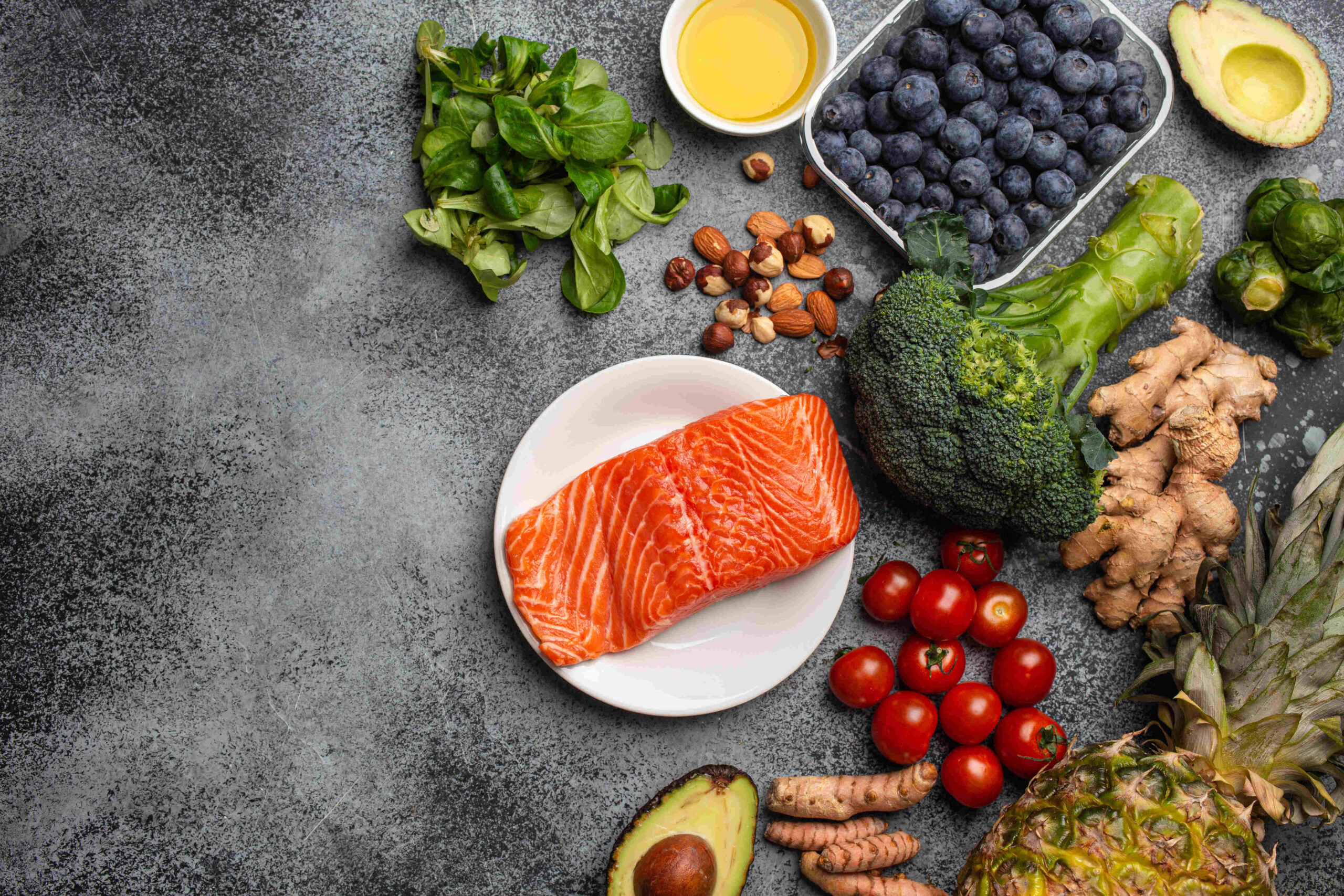
Eating balanced meals can support overall health.
While short-term inflammation helps the body heal from infections or injuries, long-lasting inflammation can gradually damage tissues and increase the risk of conditions such as arthritis, heart disease, diabetes, and even certain cancers.
The encouraging part is that everyday food choices can influence this process. Certain foods contain natural compounds that help calm inflammatory responses in the body. Including these foods regularly in your diet may support overall health and help reduce the long-term effects of chronic inflammation.
In this article, we explore some of the most effective anti-inflammatory foods and the potential health benefits they offer.
What Is Inflammation?
Inflammation is the immune system’s natural response to harmful stimuli such as infections, injuries, or toxins. It is generally classified into two types.
Acute inflammation is short-term and plays an important role in healing wounds or fighting infections.
Chronic inflammation, on the other hand, persists for long periods and can slowly harm healthy tissues.
When inflammation becomes chronic, it may contribute to symptoms such as fatigue, joint discomfort, digestive problems, or persistent body aches. Over time, this ongoing inflammatory activity can increase the risk of several serious health conditions.
How Can Food Help Combat Inflammation?
Diet plays an important role in either promoting or reducing inflammation. Many whole foods are naturally rich in antioxidants, healthy fats, vitamins, and plant compounds that help neutralize free radicals and regulate inflammatory processes in the body.
On the other hand, diets high in ultra-processed foods, sugary drinks, and trans fats may contribute to increased inflammatory activity. Choosing nutrient-dense foods more often can therefore be a practical way to support the body’s natural balance and long-term health.
Best Foods to Reduce Inflammation
Below are some of the best foods which has anti-Inflammatory properties.
1. Fatty Fish
Fatty fish like salmon, mackerel, sardines, and trout are among the best foods high in omega-3s, providing long-chain omega-3 fatty acids such as eicosapentaenoic acid (EPA) and docosahexaenoic acid (DHA), which have powerful anti-inflammatory effects.
These fatty acids may reduce inflammation by producing compounds called specialized pro-resolving mediators (SPMs), including resolvins, maresins, and protectins, which have strong anti-inflammatory effects.
Research suggests that omega-3 fatty acids found in oily fish may help reduce inflammation.
In one study, researchers examined how diets rich in oily fish and polyphenols affected inflammation in people at risk of heart disease. After eight weeks, the group that consumed more oily fish showed a reduction in key inflammatory markers. The polyphenol-rich diet, however, did not produce significant changes.
Another review analyzed 16 studies that investigated the effects of omega-3 fatty acids on inflammation and blood lipid markers in people with diabetes and heart disease. The researchers found that omega-3 fatty acids helped lower triglyceride levels and Apo AII.
However, they also observed a slight increase in fasting blood glucose among people with diabetes and a small rise in LDL cholesterol in heart disease patients.
Despite these mixed findings, many studies still suggest that omega-3 fatty acids may help reduce certain markers of inflammation.
2. Leafy Greens
Leafy greens are loaded with antioxidants like vitamin C and beta-carotene, which help lower inflammation. They also provide essential minerals like magnesium.
A study tested six leafy vegetables—Tanner’s Cassia, Passion Fruit Leaves, Vegetable Hummingbird, Ceylon Olive, Cowplant, and Gotu Kola—for their anti-inflammatory properties. Passion Fruit Leaves and Ceylon Olive reduced hemolysis best, Tanner’s Cassia inhibited protein denaturation most, and Cowplant effectively blocked lipoxygenase activity. All leaves showed different anti-inflammatory effects due to their unique bioactive compounds.
However, most these leaves are not globally popular, but they hold significant value in local cuisines and traditional healing systems.
3. Berries
Did you know that berries are more than just tasty treats? They’re packed with antioxidants that help fight inflammation and support heart health.
Blueberries, blackberries, strawberries, and raspberries are especially rich in natural compounds like anthocyanins, known for their anti-inflammatory and heart-protective effects.
Obesity-related inflammation can raise the risk of chronic conditions like type 2 diabetes, heart disease, and cancer.
Research on animals and lab models has shown that berries can lower inflammation and improve health markers through various biological processes.
However, berries’ health benefits come from a mix of fiber, vitamins, minerals, polyphenols, and other nutrients, since many studies use freeze-dried berry powders, pinpointing the most effective compound remains a challenge.
Curious about the connection between inflammation and body weight? Learn whether inflammation can contribute to weight gain.
4. Nuts
Nuts like almonds, walnuts, pecans, and cashews are packed with healthy fats, fiber, and antioxidants. Walnuts stand out for their high omega-3 fatty acids, which help reduce inflammation.
These nuts are a nutritional powerhouse, offering vital bioactives such as vitamin E (tocopherols), selenium, zinc, magnesium, fiber, phytosterols, and polyphenols, all of which promote better health.
Meta-analyses on almonds, walnuts, and hazelnuts show that their consumption can reduce oxidative stress and certain inflammatory markers. However, not all nuts show the same effects, and the impact of many other types remains underexplored.
While nuts may help lower inflammation and oxidative stress, research results are mixed. Some nuts show clear benefits, while others have inconsistent evidence. Many types still need further study, offering excellent opportunities for future research through well-designed clinical trials.
5. Extra Virgin Olive Oil
Extra virgin olive oil is a staple of the Mediterranean diet, is rich in monosaturated fats and known for its anti-inflammatory properties.
Studies suggest that following a Mediterranean diet enriched with extra virgin olive oil may significantly reduce inflammation by lowering specific inflammatory markers in the body.
Did you know that olive oil contains oleocanthal, a natural compound which has been reported for its effects similar to that of anti-inflammatory drugs such as ibuprofen?
For maximum health benefits, always choose extra virgin olive oil over refined oil. It retains most of the essential nutrients with anti-inflammatory properties that support overall well-being.
6. Turmeric
Turmeric, a staple spice in Indian cuisine, has been valued not only for its culinary uses but also for its medicinal properties. For centuries, it has been traditionally used to treat stomach and liver ailments.
Its health benefits primarily come from curcumin, a major bioactive compound found in turmeric, known for its powerful antioxidative and anti-inflammatory properties.
Several studies suggest that curcumin could be effective against various inflammatory diseases such as irritable bowel syndrome, Crohn’s disease, rheumatoid arthritis, anterior uveitis, peptic ulcer and inflammatory orbital pseudotumor.
Curcumin has also been found to fight against various types of cancer, skin conditions and metabolic disorders.
However, consuming turmeric as a spice in everyday cooking may not provide enough curcumin for noticeable health benefits, as a dessert spoon of turmeric powder (about 3 grams) contains only 30 to 90 milligrams of curcumin.
In addition to that, curcumin has poor bioavailability making it difficult to absorb in the body, where even the doses of 4000 mg of curcumin will be completely inactive.
For a more effective intake, consider curcumin supplements often paired with piperine, a compound from black pepper known to boost curcumin absorption by up to 2000% (20 times).
In fact, taking turmeric and black pepper with an oil rich in unsaturated fatty acids can further enhance the absorption of curcumin.
Always consult a healthcare professional before adding turmeric or curcumin supplements to your routine, especially for managing health conditions.
7. Garlic
Garlic is known for its anti-inflammatory and immune-boosting properties. It contains sulfur compounds, particularly allicin, which is responsible for its various health benefits.
In a study, 11 healthy males had four-week oral supplementation of garlic and then completed a 40-km cycling test. Results found that garlic significantly increased antioxidant capacity and reduced markers of oxidative stress, inflammation, and muscle damage.
However, some biomarkers remained unchanged and cycling performance was similar between garlic and placebo groups.
Another study found that allicin, through its anti-inflammatory properties, provided relief from osteoarthritis in 40 obese patients.
8. Tomatoes
Tomatoes are rich in carotenoids, particularly lycopene, a compound with antioxidant and anti-inflammatory properties.
Research indicates that lycopene may reduce the risk of various chronic diseases such as cardiovascular disease, non-alcoholic fatty liver disease, inflammatory pathways, lung cancer, prostate cancer, and male infertility.
Laboratory studies suggest that tomato extract and its carotenoids like lutein and lycopene extract has been found to reduce inflammation by inhibiting certain signaling pathways.
Chronic pancreatitis is a long-lasting inflammatory condition where the pancreas becomes damaged due to ongoing injury or stress, affecting its normal function.
In a study on mice induced with chronic pancreatitis found that a soy-tomato enriched diet showed lower inflammatory markers, improved enzyme levels, and better overall activity compared to those on a control diet.
These preliminary results suggest that a soy-tomato enriched diet could offer a promising new approach to reduce inflammation and alleviate pain in patients with chronic pancreatitis.
Do you know, cooking increases the bioavailability of lycopene in tomatoes by transforming into a form that is more easily absorbed by the body?
You can also boost lycopene absorption by combining your meal with fat-containing foods, such as around 10 g of fat with cooked tomatoes or 15 g with raw tomatoes.
9. Green Tea
Green tea contains polyphenols, which have powerful anti-inflammatory and antioxidant properties.
A study on 10 green teas and their effects on fatty liver disease caused by chronic alcohol consumption in mice found that several teas helped reduce fat levels and liver damage. Additionally, these teas lowered the levels of proinflammatory cytokines, suggesting a reduction in inflammation and oxidative stress.
Epigallocatechin-3-gallate (EGCG) is the most abundant polyphenol in green tea, which is responsible for its anti-inflammatory properties.
Research suggests that EGCG reduces inflammation in cancer, cognitive dysfunction, cardiovascular diseases, respiratory ailments and metabolic disorders by suppressing specific signaling pathways.
Regular consumption may help lower the risk of chronic diseases.
10. Whole Grains
Whole grains like oats, brown rice, quinoa, and barley are rich in soluble dietary fiber, which supports gut health and helps reduce inflammation.
Among whole grains, oats stand out due to their high content of avenanthramides (AVAs) — secondary metabolites of polyphenols, which have antioxidant and anti-inflammatory properties found mainly in oat bran.
However, more research is needed to better understand the effects of whole grains on inflammation.
Tip: Avoid refined grains, as they can have the opposite effect, potentially increasing inflammation.
11. Broccoli
Broccoli is a cruciferous vegetable rich in antioxidants that has anti-Inflammatory properties.
Its key compound, sulforaphane, lowers inflammation by reducing pro-inflammatory cytokines.
An animal study found that broccoli grown with deep sea water minerals had higher antioxidant and mineral content. When fed to mice with colon cancer, it reduced inflammation, inhibited inflammatory signalling pathway, and triggered cell cycle arrest and apoptosis by regulating key genes, which restored colon and spleen tissues.
Another study found that sulforaphane-enriched broccoli sprouts reduced neuroinflammation by blocking key inflammatory pathways (NF-κB and MAPK) and lowering harmful inflammatory proteins. They also activated Nrf2 and HO-1, which helped protect brain cells and prevent memory loss.
Sulforaphane is released when raw cruciferous vegetables are cut or chewed but can degrade with cooking. To preserve it, it’s best to eat them raw or lightly steamed (below 100°C). If boiling, keeping the cooking time short helps retain some of the benefits.
In fact, you can opt for broccoli sprouts, which contain up to 10 times more sulforaphane than mature ones and can further help reduce inflammation.
12. Ginger
Ginger has anti-inflammatory and pain-relieving properties, thanks to its bioactive compounds like gingerols and shogaols. It’s especially effective for reducing muscle soreness and joint pain.
A review of clinical studies suggests that consuming or applying ginger topically reduced pain in patients with osteoarthritis and rheumatoid arthritis by suppressing inflammation-related genes and lowering pro-inflammatory cytokine production.
In fact, the anti-inflammatory effect of ginger extract was found to be significantly stronger than that of diclofenac at the same concentration, with 6-shogaol being more potent than other shogaols.
13. Flaxseeds
Flaxseeds are rich in omega-3 fatty acids, particularly alpha-linolenic acid (ALA), which helps reduce inflammation in the body.
They are also a good source of phytosterols, the plant-based compounds with antioxidant and anti-inflammatory properties that help lower LDL (bad) cholesterol levels by blocking its absorption in the intestines. (23)
It has been estimated that consuming 1.5–2.0 g of plant sterols per day can reduce plasma LDL cholesterol levels by 9%–14%.
They also contain lignans, particularly secoisolariciresinol diglucoside (SDG), which has demonstrated anti-inflammatory properties by inhibiting specific inflammatory pathways in animal studies.
Additionally, flaxseeds’ high fiber content supports gut health, further aiding in reducing inflammation.
14. Avocado
Avocados are rich in anti-inflammatory compounds like monounsaturated fats, particularly oleic acid, which helps reduce inflammation.
They also contain antioxidants such as phenolic compounds, vitamin C, carotenoids and tocopherols that help combat oxidative stress.
In a study on liver cancer in rats, avocado fruit and seed extracts reduced liver inflammation by lowering inflammatory markers like COX-2 and NF-κB. They also boosted antioxidant enzymes, reduced tumor markers, and promoted cancer-fighting proteins.
Another study found that feeding colitis-induced mice with ethanol extract of avocado alleviated colitis symptoms by reducing inflammation-related proteins, cytokines, and suppressing specific inflammatory signaling pathways, suggesting its potential for treating inflammatory bowel diseases.
15. Pineapple
Pineapple is a tropical fruit known for its vibrant taste and health benefits.
One of its standout features is its anti-inflammatory properties, primarily attributed to an enzyme called bromelain.
In a study of 42 patients took either lyophilized pineapple extract (Brome-Inf®) and purified bromelain or placebo (Non-Steroidal Anti-Inflammatory Drugs (NSAIDs)) to evaluate its effect on pain, swelling, trismus, and quality of life after wisdom tooth surgery for 7 days.
The results showed significant reductions in pain and swelling, and improved quality of life in the active groups compared to placebo. Both bromelain and Brome-Inf® reduced the need for NSAIDs (ibuprofen), making them good options for helping patients recover more comfortably after surgery.
However, further studies are needed to explore the broader effects of pineapple extract in other kinds of surgical recovery.
Turning These Foods Into Real Meals
Learning about anti-inflammatory foods is helpful, but turning them into daily meals can still feel confusing.
If you’d like a simple structure to follow, this 7-Day Anti-Inflammatory Meal Plan shows how these foods can fit into a full week of balanced meals.
It also includes a grocery list, ingredient swaps, and a reusable weekly planner.
Explore the 7-Day Anti-Inflammatory Meal Plan here.
Learn more: 10 Simple ways to reduce inflammation naturally
Foods that Promote Inflammation
To combat inflammation effectively, it’s important to reduce or eliminate foods that can trigger it:
- Sugary drinks and snacks: Sodas, energy drinks, and candies can lead to increased inflammation.
- Processed foods and meats: Potato chips and foods like bacon, sausages, and hot dogs contain preservatives and unhealthy fats that promote inflammation.
- Refined carbs: White bread, pasta, pastries, and other foods made with refined flour can spike blood sugar and trigger inflammation.
- Trans fats: Found in margarine, fast food, baked goods, french fries, fried chicken and packaged snacks, these fats can increase inflammation in the body.
Remember, you don’t need to completely abstain from these foods, but it’s important to reduce their intake and focus on maintaining a well-balanced diet to help manage inflammation.
How to Incorporate Anti-Inflammatory Foods into Your Diet
- Start Your Day with Berries and Nuts: Add blueberries and almonds to your oatmeal or smoothie for a nutrient-packed breakfast.
- Choose Olive Oil Over Refined Oils: Use extra virgin olive oil for cooking or as a salad dressing.
- Spice Up Your Meals: Include turmeric and ginger in your curries, soups, or teas for a flavorful anti-inflammatory boost.
- Snack on Healthy Alternatives: Replace chips with roasted chickpeas or nuts for a satisfying, anti-inflammatory snack.
- Make Tea a Daily Ritual: Replace sugary beverages with green or chamomile tea to reduce inflammation naturally.
Sample Anti-Inflammatory Meal Ideas
Breakfast
- Smoothie Bowl: Blend spinach, berries, almond milk, and flaxseeds. Top with nuts and fresh fruit.
- Oatmeal with Berries: Cook oats with almond milk and top with blueberries and a drizzle of honey.
Lunch
- Quinoa Salad: Mix cooked quinoa with spinach, tomatoes, cucumbers, olive oil, and lemon juice.
- Vegetable Wrap: Fill a whole-grain wrap with hummus, greens, bell peppers, and grilled chicken.
Dinner
- Grilled Salmon: Serve with roasted vegetables and a side of brown rice.
- Vegetable Stir-Fry: Use garlic, ginger, and turmeric for seasoning, and serve over quinoa.
Want a Full Week of Meal Ideas?
The examples above show how anti-inflammatory foods can fit into everyday meals.
If you’d like a simple weekly structure, the 7-Day Anti-Inflammatory Meal Plan provides a full week of meals, along with a grocery list, flexible ingredient swaps, and a weekly planner to make meal planning easier.
See the 7-Day Anti-Inflammatory Meal Plan here.
Final Thoughts
Chronic inflammation can develop quietly over time and contribute to several long-term health problems. The foods you eat regularly can either fuel this process or help keep it under control.
Adding anti-inflammatory foods such as fatty fish, vegetables, fruits, nuts, and healthy oils to your meals may help support the body’s natural balance. While no single food can eliminate inflammation, a consistent diet built around nutrient-dense whole foods can play an important role in long-term health.
Making small, sustainable changes to your daily meals is often the most practical way to support your overall well-being.
14 thoughts on “15 Foods That May Help Reduce Inflammation”
Comments are closed.