[ez-toc]
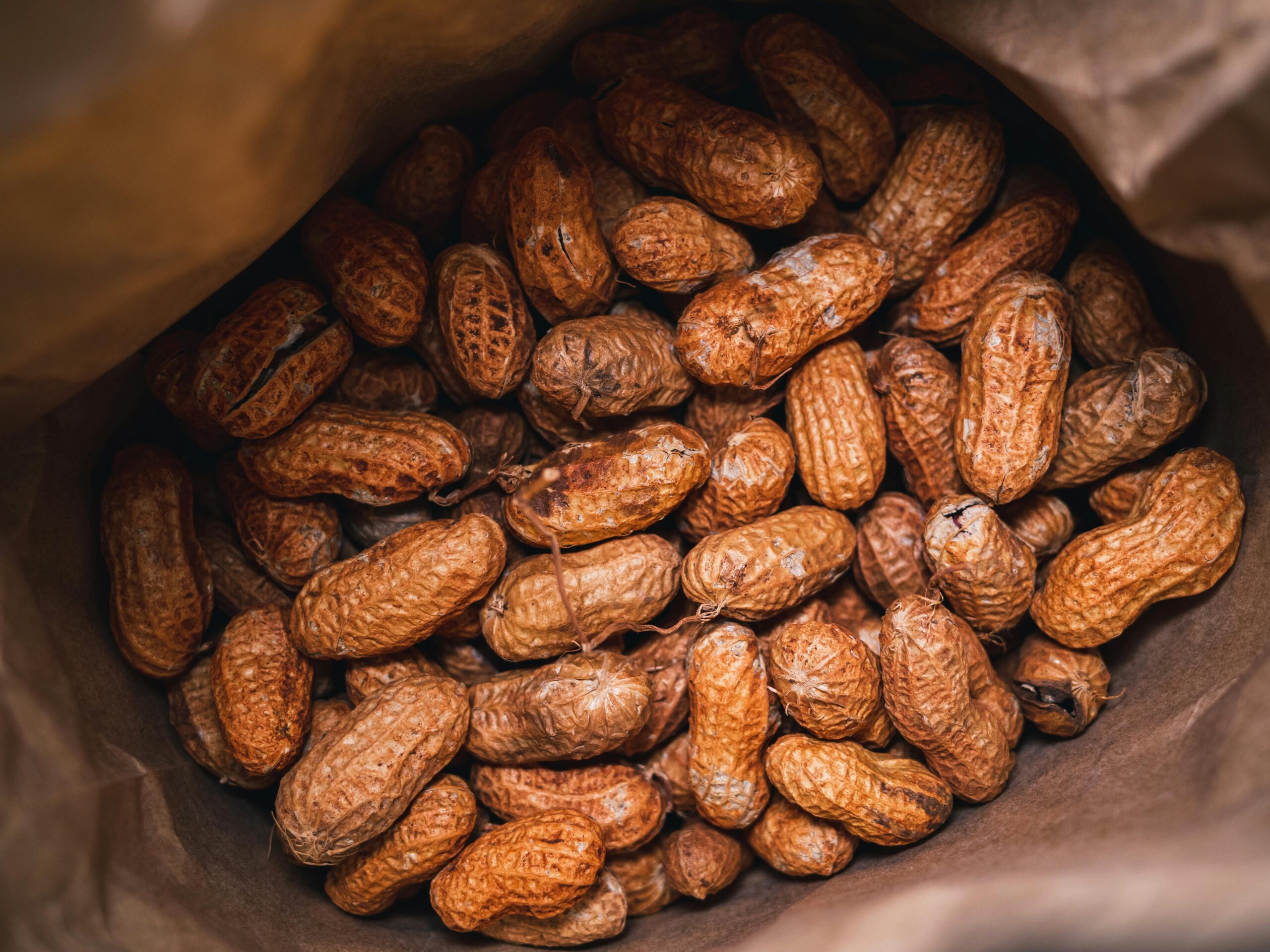
Boiled peanuts may not look like a typical health food, but they are surprisingly nutrient-dense. Made by boiling raw or green peanuts in salted water, they become soft, flavorful, and easier to digest than roasted peanuts.
Unlike fried or heavily processed snacks, boiled peanuts provide protein, fiber, healthy fats, and antioxidants, making them a wholesome option when eaten in moderation.
In this article, we explore boiled peanuts benefits, their nutritional value, how they affect health, and the safest way to include them in your diet.
Nutritional Value
Here is the nutritional value of 100 grams of boiled peanuts:
- Calories: 318 kcal
- Protein: 13.5 g
- Total Fat: 22 g
- Carbohydrates: 21 g
- Fiber: 9 g
- Iron: 1 mg (5% Daily Value (DV))
- Magnesium: 102 mg (24% DV)
- Phosphorus: 198 mg (16% DV)
- Zinc: 1.83 mg (16% DV)
- Copper: 0.5 mg (55% DV)
- Manganese: 1 mg (43% DV)
- Selenium: 4.4 mcg (8% DV)
- Thiamine: 0.26 mg (21% DV)
- Riboflavin: 0.063 mg (5% DV)
- Niacin: 5 mg (32% DV)
- Pantothenic acid: 0.825 mg (16% DV)
- Vitamin B6: 0.15 mg (7% DV)
- Folate: 75 mcg (19% DV)
- Vitamin E: 4 mg (27% DV)
Benefits of Boiled Peanuts
Here are the various health benefits offered by boiled peanuts.
1. Rich in Antioxidants
Boiled peanuts are a good of antioxidants, which play a crucial role in protecting the body from damage caused by free radicals. Free radicals are unstable molecules that can cause oxidative stress, leading to chronic diseases such as cancer and heart disease.
Antioxidants in peanuts include vitamin E, resveratrol, and polyphenols, which help protect the body from oxidative stress and support overall health.
What’s even more impressive? Boiled peanuts contain up to four times more antioxidants than raw or roasted ones, making them not only healthier but also a tastier snack choice. This is likely because, during boiling, peanuts draw antioxidants from their shells, enhancing their nutritional value.
2. May Promote Heart Health
One of the standout benefits of boiled peanuts is their heart-friendly nature.
They’re packed with monounsaturated and polyunsaturated fats that help lower LDL (bad) cholesterol and reduce the risk of heart disease.
The ARISTOTLE study found that eating 25–32 g of peanuts or peanut butter daily for 6 months improved cholesterol levels, especially in those eating skin-roasted peanuts. A review of 11 trials confirmed peanuts can lower triglycerides and improve cholesterol ratios. However, people at high risk for heart issues gained slight weight, but not more fat or BMI.
Peanuts are also shown to help lower blood pressure (about 5 mmHg), another key risk factor for heart disease.
Additionally, they are rich in antioxidants like resveratrol, which may further support heart health by reducing inflammation and protecting against oxidative stress.
3. May Help in Weight Management
Despite being calorie-dense, boiled peanuts can support weight management.
Their fiber and protein help you feel full longer, curbing appetite and reducing overall calorie intake.
In a 6-month study, participants who ate 35 g of peanuts before two main meals lost an average of 6.7 kg—similar to those on a low-fat diet. They also experienced a greater drop in systolic blood pressure, potentially lowering heart disease risk.
Protein-rich foods like boiled peanuts may also boost metabolism and help control hunger, making it easier to maintain a healthy weight.
4. May Regulate Diabetes
Boiled peanuts have a low glycemic index, which means they cause a slow and steady rise in blood sugar levels—beneficial for managing diabetes.
The combination of healthy fats, protein, and fiber in boiled peanuts may help stabilize blood sugar levels.
However, the previously mentioned study showed no significant change in blood sugar levels with a peanut diet. A review also found that while nuts (including peanuts) reduced total cholesterol and triglycerides, they had no significant effect on LDL or HDL cholesterol in people with diabetes—and did not assess blood sugar levels.
5. May Make Bones Stronger
Boiled peanuts are a good source of essential minerals like magnesium, potassium, and phosphorus—key nutrients for maintaining strong, healthy bones.
Magnesium supports bone formation and density, while potassium helps neutralize acids in the body that can deplete calcium from bones. Phosphorus works alongside calcium to build and maintain bone structure.
They are also rich in resvesterol, which may enhance bone health. For example, a 6-month study in type 2 diabetes patients found that taking 500 mg of resveratrol daily helped prevent bone loss, especially in those with low calcium or vitamin D levels. It improved bone density and calcium content compared to a placebo.
However, more research is needed to confirm if long-term resveratrol use can reduce fracture risk, and studies directly on boiled peanuts remain limited.
6. May Improve Digestive Health
Boiled peanuts are rich in dietary fiber, which promotes digestive health by aiding regular bowel movements and preventing constipation.
The fiber in peanuts helps bulk up stool, making it easier to pass and supporting overall gut health.
Additionally, boiled peanuts contain antioxidants and healthy fats, which may contribute to a balanced gut environment.
Incorporating boiled peanuts into your diet can help maintain a healthy digestive system, improve nutrient absorption, and reduce digestive discomfort.
7. May Enhance Skin Health
The vitamins and antioxidants in boiled peanuts contribute to healthy skin by protecting against damage and promoting skin repair.
Boiled peanuts are rich in vitamin E, which is known for its skin-protective properties. Vitamin E acts as an antioxidant, protecting the skin from oxidative damage and inflammation.
Resveratrol, an antioxidant found in peanuts, supports skin health by reducing inflammation, oxidative stress, and signs of aging. It boosts collagen, elastin, and antioxidant enzymes while suppressing harmful proteins and inflammatory markers for healthier, more resilient skin.
Are Boiled Peanuts Healthier Than Roasted Peanuts?
Boiled peanuts differ nutritionally from roasted peanuts in several ways:
- Higher antioxidant availability
- Lower calorie density per bite
- Softer texture, easier digestion
- Less oxidative damage from cooking
However, roasted peanuts are more shelf-stable and concentrated in calories. Both can be healthy depending on dietary needs.
How to Include Boiled Peanuts in Your Diet
Boiled peanuts are versatile and easy to include:
- Eat them as a snack between meals
- Add to salads or grain bowls
- Use as a topping for yogurt or oatmeal
- Blend into spreads or dips
- Add to stir-fries for texture and protein
Potential Side Effects
Boiled peanuts are nutritious but may not suit everyone.
- Peanut allergy: Can cause severe reactions in sensitive individuals
- High sodium: Salted versions may increase blood pressure
- Digestive discomfort: Excess fiber may cause bloating
- Calorie density: Overconsumption may contribute to weight gain
People with allergies or medical conditions should consult a healthcare professional.
Final Thoughts
Boiled peanuts are a nutrient-rich snack that offers antioxidant, heart, digestive, and skin health benefits. While most research focuses on peanuts in general, boiling may enhance antioxidant availability and digestibility.
When eaten in moderation and without excessive salt, boiled peanuts can be a healthy and satisfying addition to a balanced diet—provided you don’t have a peanut allergy.
You might also be interested in
7 Incredible Benefits of Cold Pressed Groundnut Oil
7 Amazing Kadaknath Egg Benefits for Health
Kalmegh Benefits: The Power of the “King of Bitters”
FAQs
Are boiled peanuts healthier than raw peanuts?
Boiled peanuts often contain more accessible antioxidants and are easier to digest, but both forms are nutritious.
Can boiled peanuts help with weight loss?
They may support appetite control when eaten in moderation but should not be consumed excessively.
Are boiled peanuts good for diabetics?
They have a low glycemic load but should be eaten in controlled portions.
How many boiled peanuts can you eat per day?
A small handful (30–40 g) is generally appropriate for most people.