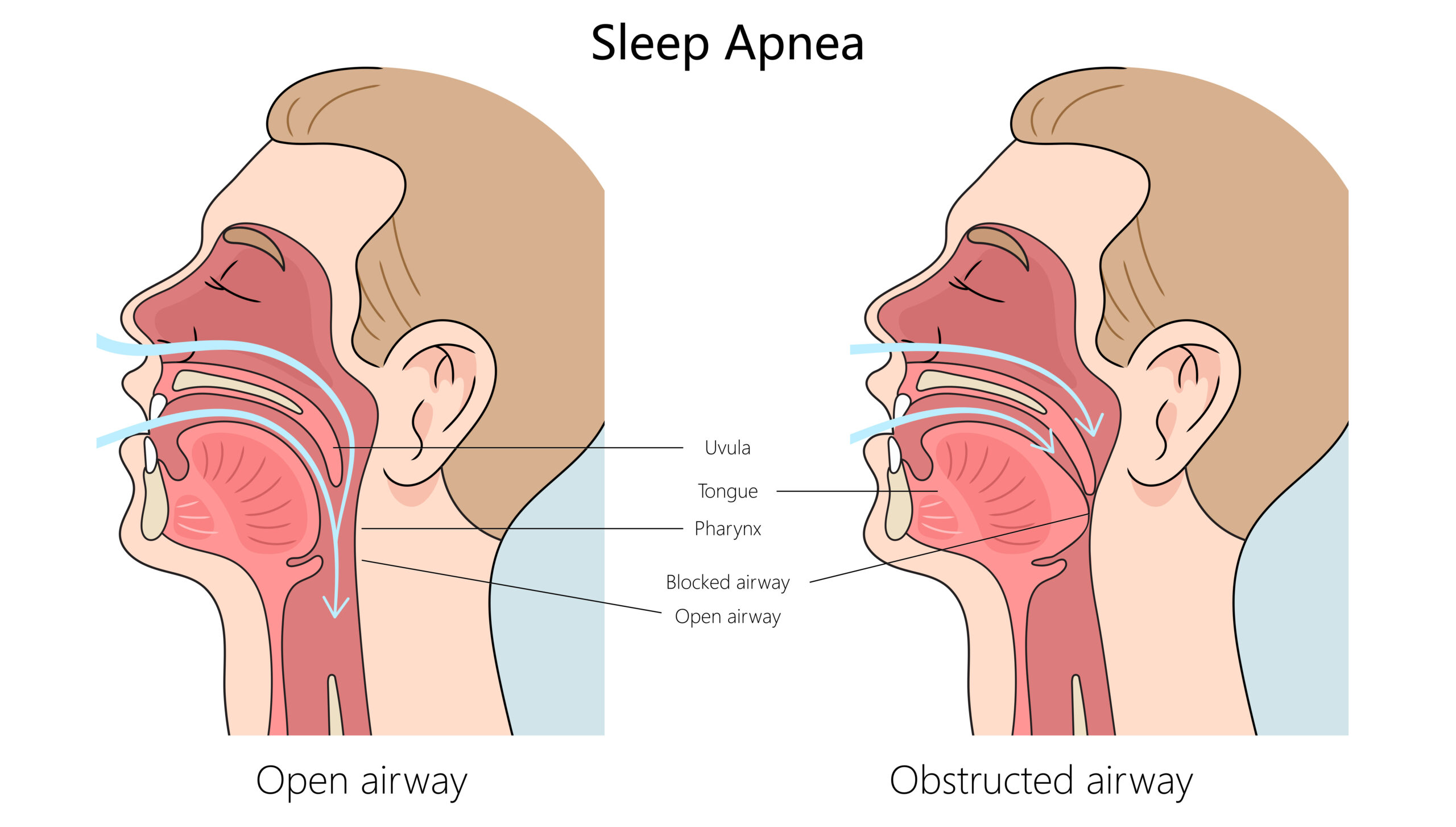
Sleep apnea is often dismissed as “just snoring” or a minor sleep issue. Many people live with it for years without realizing how serious it can be. That leads to a difficult but important question: can sleep apnea kill you?
The responsible answer is that untreated sleep apnea can increase the risk of serious long-term health complications. It rarely causes sudden death on its own. Instead, the concern lies in how repeated breathing disruptions and reduced oxygen levels affect the body over time.
This article explains what sleep apnea really is, how it affects the body, why it can become dangerous, and what actually lowers the risk. The goal is clarity, not fear.
What Sleep Apnea Really Means
Sleep apnea is a sleep disorder in which breathing repeatedly stops and starts during sleep. These pauses can last from a few seconds to over a minute and may happen dozens or even hundreds of times per night.
There are two main forms:
- Obstructive sleep apnea, caused by the airway narrowing or collapsing during sleep
- Central sleep apnea, caused by disrupted signals between the brain and the muscles that control breathing
In both cases, oxygen levels drop, carbon dioxide rises, and the brain is forced to briefly wake the body to resume breathing. Most people are unaware this is happening.
These repeated interruptions prevent deep, restorative sleep and place stress on nearly every major system in the body.
What Causes Sleep Apnea?
Sleep apnea develops when normal breathing becomes disrupted during sleep. The underlying cause depends on the type of sleep apnea, and in many cases, several factors contribute at once.
Common contributors to obstructive sleep apnea include:
- Relaxation of throat muscles during sleep
- A naturally narrow airway or jaw structure
- Excess weight around the neck or upper airway
- Nasal congestion or chronic sinus issues
- Alcohol or sedative use before bedtime
- Sleeping on the back
Central sleep apnea is less common and occurs when the brain does not consistently send signals to the muscles that control breathing. Certain neurological or heart conditions and some medications may play a role.
Common Symptoms of Sleep Apnea
Symptoms of sleep apnea often develop gradually and can vary in severity. Some occur during sleep, while others appear during the day.
Symptoms during sleep may include:
- Loud or ongoing snoring
- Pauses in breathing, gasping, or choking
- Restless or fragmented sleep
Daytime symptoms may include:
- Excessive sleepiness
- Morning headaches
- Waking with a dry mouth or sore throat
- Difficulty concentrating or memory changes
- Mood changes or irritability
Not everyone experiences the same symptoms, which is why sleep apnea can go unnoticed.
Does Sleep Apnea Cause Death Directly?
Sleep apnea itself is not typically an immediate cause of death. Instead, untreated sleep apnea is associated with an increased risk of health conditions that can become serious if left unmanaged.
The concern comes from a combination of factors that occur repeatedly during sleep:
- Drops in oxygen levels
- Frequent activation of the body’s stress response
- Ongoing sleep fragmentation
- Low-grade inflammation
When these patterns continue night after night, they can contribute to cardiovascular and metabolic strain. This is why sleep apnea is considered a medically significant condition rather than a minor sleep disturbance.
Effects on the Heart and Circulation
Sleep apnea has a well-established connection to heart and blood vessel health.
Each time breathing pauses, the body responds by increasing heart rate and blood pressure to restore oxygen levels. Over time, this repeated response can contribute to:
- High blood pressure
- Heart rhythm irregularities
- Coronary artery disease
- Worsening heart function
People with untreated sleep apnea have a higher likelihood of developing cardiovascular conditions, especially when other risk factors are present. Addressing sleep apnea can reduce this strain and support heart health.
Stroke Risk and Brain Health
Sleep apnea is also linked to a higher risk of stroke. Fluctuations in oxygen levels and blood pressure may affect blood flow to the brain over time.
Beyond stroke risk, untreated sleep apnea can affect cognitive and emotional health. Common concerns include:
- Difficulty concentrating
- Memory changes
- Slower thinking
- Mood changes
These effects often develop gradually, which can make them easy to overlook or attribute to stress or aging.
Cardiac Events During Sleep
In people with severe untreated sleep apnea, particularly those with existing heart disease, breathing disruptions can sometimes contribute to rare but serious cardiac rhythm complications during sleep.
It is important to emphasize that these events are uncommon. The risk increases mainly when sleep apnea is both severe and untreated. Early identification and management significantly lower this risk.
Increased Risk of Accidents
Another important concern related to untreated sleep apnea is daytime sleepiness.
Poor-quality sleep can lead to:
- Slower reaction times
- Reduced alertness
- Difficulty maintaining focus
This increases the risk of motor vehicle and workplace accidents. Drowsy driving, in particular, poses a safety concern and is one of the more preventable risks associated with untreated sleep apnea.
Who Faces Higher Risk?
The health impact of sleep apnea varies from person to person. Risk tends to increase when sleep apnea is more severe or when other health conditions are present.
Higher-risk groups may include people who:
- Have moderate to severe untreated sleep apnea
- Have high blood pressure or heart disease
- Are overweight or obese
- Have diabetes
- Smoke
- Use alcohol frequently
- Have a family history of cardiovascular disease
Sleep apnea can affect people of all ages and body types, and risk assessment is most accurate when done on an individual basis.
Why Sleep Apnea Often Goes Undiagnosed
Sleep apnea frequently remains undetected because many symptoms occur during sleep or develop gradually.
Common signs include:
- Loud or persistent snoring
- Pauses in breathing noticed by a bed partner
- Waking with a dry mouth or headache
- Excessive daytime fatigue
- Difficulty concentrating
- Mood changes
Because these symptoms are often subtle or attributed to other causes, many people delay evaluation longer than they should.
Does Treatment Lower Health Risks?
Yes. Treating sleep apnea significantly reduces the risks associated with the condition.
When breathing remains stable during sleep, oxygen levels stay more consistent, stress hormones decrease, and sleep becomes more restorative. This supports cardiovascular health, cognitive function, and overall well-being.
Treatment does not need to be perfect to be beneficial. Consistent management makes a meaningful difference.
Common Treatment Approaches
Treatment recommendations depend on the type and severity of sleep apnea, as well as individual needs.
Common options may include:
- Positive airway pressure therapy
- Oral appliances that help keep the airway open
- Weight management when appropriate
- Positional therapy
- Addressing nasal or airway obstruction
For some people, lifestyle adjustments combined with medical treatment offer the best results.
What Happens When Sleep Apnea Remains Untreated
When sleep apnea is left untreated, nightly breathing disruptions continue to place stress on the body. Over time, health risks tend to increase, especially in combination with other conditions.
Many people notice worsening fatigue, reduced mental clarity, or rising blood pressure before more serious complications occur. These changes are important signals that the body is under strain.
When to Seek Evaluation
It may be time to seek evaluation if you or someone close to you experiences:
- Loud snoring combined with daytime sleepiness
- Observed breathing pauses during sleep
- Persistent morning headaches
- Ongoing fatigue despite adequate sleep
- Blood pressure that is difficult to control
A proper assessment can clarify whether sleep apnea is present and what level of support may be helpful.
So, Can Sleep Apnea Kill You?
Sleep apnea itself is not usually fatal, but leaving sleep apnea untreated can increase the risk of serious health conditions over time. These include heart disease, stroke, and accident-related injury.
The encouraging reality is that sleep apnea is manageable. With appropriate evaluation and treatment, risks decrease and quality of life often improves significantly.
Final Thoughts
Sleep apnea is a medical condition that deserves attention, not fear. The concern surrounding the question “can sleep apnea kill you” reflects the importance of recognizing and addressing breathing disruptions during sleep.
Early awareness, appropriate treatment, and consistent follow-up can protect both sleep and long-term health. Supporting healthy breathing at night is one of the most effective ways to support overall well-being during the day.
If symptoms are present, seeking guidance is a proactive step toward better health, not a cause for alarm.
You may also read
Night Habits That Are Ruining Your Deep Sleep (Without You Realizing It)
Why You Wake Up Tired Even After 8 Hours of Sleep?
Comments are closed.