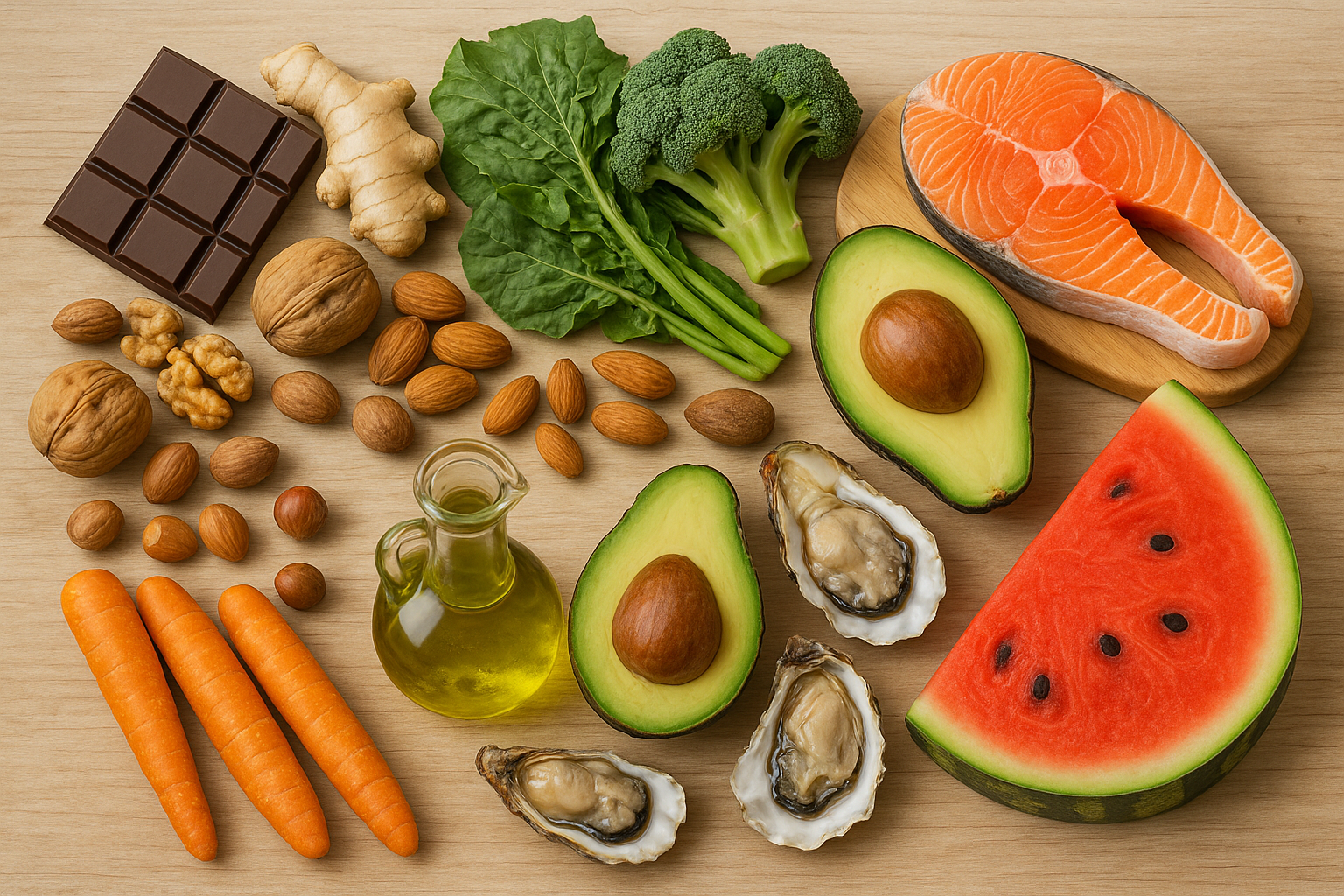
Menstrual pain, or dysmenorrhea, affects many women every month. The discomfort can show up as cramps, headaches, bloating, back pain, and mood swings, often disrupting daily routines. While painkillers offer quick relief, food plays a far more influential role than most people realize.
Certain foods help reduce inflammation, relax muscles, balance hormones, and replenish nutrients lost during menstruation.
Eating the right foods during your period can ease symptoms, stabilize energy levels, and support your body through this physically demanding time.
In this blog, we’ll explore some of the best foods to consume during your period for pain relief.
How Diet Helps Reduce Menstrual Pain
Period pain is primarily caused by prostaglandins, hormone-like compounds that trigger uterine contractions. Higher levels of inflammatory prostaglandins lead to stronger cramps.
Diet can help in three ways:
- Anti-inflammatory foods lower prostaglandin production
- Magnesium-rich foods relax muscles
- Iron-rich foods replenish what’s lost during bleeding
- Hydrating foods reduce bloating and water retention
- Omega-3-rich foods reduce pain-causing inflammation
Eating nutrient-dense foods before and during your period can significantly reduce the intensity and duration of pain.
Foods to Eat During Your Period
Eating nutrient-rich foods like legumes, fatty fish, and dark chocolate can help regulate prostaglandins—the hormones responsible for menstrual pain—easing discomfort and supporting hormonal balance.
1. Banana Blossoms
Banana flowers contain vitamin C and other beneficial compounds, traditionally used to manage menstrual bleeding and support lactation.
It contains magnesium, which helps relax muscles and reduce cramps, while its iron content can combat fatigue caused by blood loss.
Eating cooked banana blossoms may help reduce heavy bleeding and menstrual cramps by balancing progesterone levels.
Additionally, banana flowers may have anti-bleeding properties and can be consumed as tea to relieve menstrual discomfort. However, these benefits are primarily based on traditional use and anecdotal evidence, with limited scientific backing.
2. Dark Chocolate
Dark chocolate with at least 70% cocoa is an excellent source of flavonoids, iron, and magnesium, all of which may help reduce period pain.
The flavonoids in dark chocolate are known for their anti-Inflammatory properties, which reduce period pain. They work by inhibiting the production of prostaglandins, the hormones responsible for pain during menstruation.
Magnesium-rich dark chocolate can also help relax smooth muscles, widens the blood vessels, potentially relieving the cramps that often accompany menstruation.
Just a square a day could make your cycle a little easier.
3. Ginger
Ginger has powerful anti-inflammatory and pain-relieving properties that can help reduce menstrual cramps. Drinking ginger tea or adding fresh ginger to meals can alleviate pain and discomfort.
A study tested ginger’s effect on menstrual pain in 120 students. They took 500 mg ginger capsules or a placebo for either 3 days (during the first three days of their period) or 5 days (starting two days before and continuing through the first three days). Results showed ginger significantly reduced pain intensity and duration, with the 5-day treatment being more effective.
Additionally, ginger supports digestion and can help alleviate nausea, which some women experience during their menstrual cycle.
4. Fatty Fish
Rich in omega-3 fatty acids, fatty fish have strong anti-inflammatory properties that can help ease menstrual cramps.
A review of eight studies found that omega-3 fatty acids can reduce inflammation by inhibiting pain-causing hormones like prostaglandins and leukotrienes. Supplementing with 300 mg of omega-3 for 2 months, starting 2-8 days before menstruation, can help reduce pain.
Additionally, fatty fish are the excellent sources of vitamin D, which provides anti-Inflammatory properties by by regulating prostaglandin levels. Vitamin D also helps in calcium absorption, which also has a role in relieving period pain.
A study of 321 Japanese women found that lower intakes of animal proteins (including fish), vitamin D, B12, and fatty acids, along with less frequent breakfast consumption and bathing, are linked to more severe and frequent menstrual cramps.
5. Yogurt
Probiotics found in yogurt support gut health and may help reduce bloating and digestive issues during menstruation.
Additionally, yogurt is rich in calcium, which plays a role in reducing menstrual cramps by supporting muscle and nerve function.
Regular consumption of yogurt can also support immune function, reducing susceptibility to infections that can sometimes occur due to hormonal fluctuations.
6. Turmeric
Curcumin, the active compound in turmeric, has powerful anti-inflammatory and pain-relieving effects. Adding turmeric to meals or drinking turmeric tea can help ease period pain and discomfort.
In a study, 60 women with menstrual pain were given either a turmeric–boswellia–sesame supplement or a placebo. Those taking the supplement experienced significantly better pain relief, with pain scores improving up to 20 times more than the placebo group over six hours.
Similarly, another study on 28 women found that tamarind and turmeric drink significantly reduced menstrual cramps based on the NRS scale. This natural remedy may help relieve pain when consumed before or during menstruation.
7. Olive Oil
Olive oil is rich in antioxidants and omega 3 fatty acids, may help reduce inflammation, providing natural relief from discomfort during menstruation.
A study tested how the Mediterranean diet and local foods affect menstrual pain and cycle characteristics in 311 Spanish university women. Findings showed that poor diet adherence increased menstrual pain, while olive oil reduced bleeding. More research is needed.
Using extra virgin olive oil in cooking or dressings provides healthy fats that contribute to general well-being during menstruation.
Consider adding high-quality extra virgin olive oil to your daily meals for natural support.
8. Oysters
Oysters are high in omega-3 fatty acids, which have anti-inflammatory properties that can help ease cramps. They are also an excellent source of zinc, which has been shown provide relief from menstrual cramps.
A meta-analysis of 6 trials involving 739 women found that zinc supplementation significantly reduced period pain, particularly with doses of at least 7 mg/day and treatment durations of 8+ weeks. Zinc showed minimal side effects, making it a safe and effective option.
Additionally, the magnesium in oysters may help relax muscles and ease cramps, while their iron content can replenish lost minerals during menstruation.
9. Carrots
Carrots, packed with vitamin A and beta-carotene, can reduce inflammation and help reduce period pain.
A 2024 study of female university students found that those who usually ate vitamin A-rich plant foods had a 40% lower risk of menstrual cramps and a 60% lower risk of an irregular menstrual cycle.
Their fiber content also aids digestion and reduces bloating, making them a great addition to your diet during menstruation. While not a direct cure, they can contribute to overall relief from menstrual discomfort if you consume regularly.
10. Lentils and Beans
Lentils and beans are excellent sources of plant-based protein and iron. Consuming them during your period can help replenish lost iron and support overall energy levels while reducing inflammation.
The fiber in lentils and beans also supports digestion, preventing constipation and bloating that can worsen menstrual discomfort.
Additionally, legumes are packed with zinc, which can significantly ease menstrual cramps—even in small doses.
11. A serving of Fruits
Fruits are rich in antioxidants, vitamins, and minerals, which help reduce inflammation and may support hormonal balance.
The natural sugars in fruits provide a quick energy boost, combating fatigue often experienced during menstruation.
According to a 2020 study eating less than two pieces of fruit per day and pulses more than one day a week is linked to increased menstrual pain.
12. Leafy Green Vegetables
Spinach, kale, and other leafy greens are packed with iron, magnesium, and calcium, essential for reducing period cramps and preventing fatigue caused by iron loss during menstruation.
These vegetables also contain antioxidants that support overall menstrual health.
13. Nuts and Seeds
Almonds, walnuts, flaxseeds, and chia seeds are excellent sources of magnesium and omega-3 fatty acids. These nutrients help relax muscles, reduce inflammation by inhibiting certain hormones, making them great for relieving period pain.
Nuts and seeds also provide protein, healthy fats, and fiber, promoting stable energy levels and reducing mood swings.
14. Avocados
Avocados are loaded with healthy fats, magnesium, and potassium, which help regulate muscle contractions and reduce menstrual cramps. They also contain fiber that aids digestion and prevents bloating.
Additionally, the high vitamin E content in avocados supports skin health, preventing breakouts and dryness that can occur during menstruation.
15. Whole Grains
Brown rice, quinoa, and oats are excellent sources of fiber and magnesium. These grains help maintain blood sugar levels, reduce bloating, and support muscle function, making them beneficial for managing period discomfort.
Whole grains also support gut health, preventing constipation and digestive discomfort, which can worsen cramps.
16. Watermelon and Cucumber
Staying hydrated is essential during menstruation to prevent bloating and water retention. Watermelon and cucumber have high water content and provide hydration while offering essential vitamins and minerals.
Additionally, these fruits have natural detoxifying properties that help flush out toxins and support kidney function, reducing water retention.
17. Peppermint Tea
Peppermint tea is another excellent option for relieving period pain. It has natural muscle-relaxing properties that help ease cramps and digestive discomfort.
The menthol in peppermint can also provide a soothing effect on the stomach, reducing nausea and bloating.
18. Drinking Enough Water
Staying hydrated during menstruation helps reduce bloating, ease cramps, and prevent water retention. Drinking enough water also supports proper blood circulation, reducing fatigue and dehydration headaches.
Aim for 6-8 glasses daily to feel more balanced and comfortable.
Foods to Avoid During Your Period
While certain foods help relieve period pain, others can worsen symptoms. Here are some foods to avoid during menstruation:
- Processed Foods: High in sodium, processed foods can lead to bloating and water retention.
- Caffeine: Excessive caffeine intake can cause dehydration and increase cramps.
- Sugary Foods: High sugar consumption can cause mood swings and energy crashes.
- Dairy Products: Some dairy products can increase inflammation and worsen cramps.
- Fried and Fatty Foods: These can cause bloating and digestive discomfort.
- Alcohol: Due to intense alcohol may seem to be relaxing solution, but it can lead to water retention, bloating and dehydration headaches.
Studies suggest that a higher intake of refined cereals, processed meats, high-fat, sugary, and salty foods is linked to severe menstrual pain, while smoking increases psychological and behavioral symptoms. In contrast, consuming sweetened dairy, animal fats, and fruits is associated with milder menstrual pain. And there are mixed results on alcohol consumption (9, 12, 13).
Final Thoughts
A healthy diet can play a significant role in reducing period pain and discomfort. Incorporating nutrients-rich and anti-inflammatory foods such as leafy greens, fatty fish, nuts, and herbal teas can help manage cramps naturally.
At the same time, avoiding processed, sugary, and high-fat foods can prevent bloating and hormonal imbalances. Additionally, maintaining hydration, consuming fiber-rich foods, and including herbal teas in your diet can further improve menstrual health.
By making mindful dietary choices, you can experience a more comfortable menstrual cycle and improve your overall well-being.