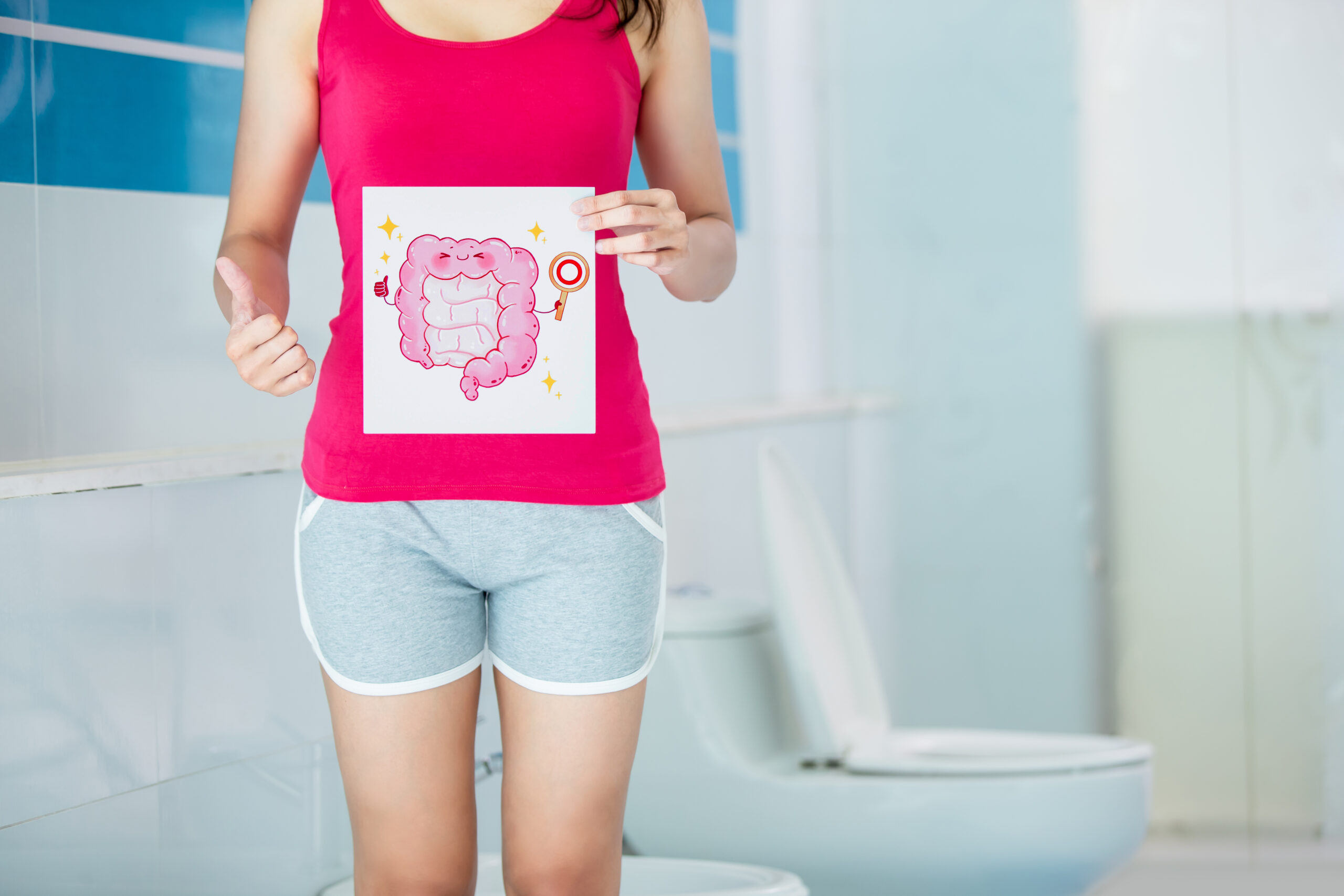
Your gut does far more than simply digest food. It is home to trillions of microorganisms collectively known as the gut microbiome. These bacteria help break down nutrients, support immune function, produce important compounds, and even communicate with the brain through the gut-brain axis.
When the balance of these microbes is healthy, digestion runs smoothly and the body absorbs nutrients efficiently. A well-balanced gut microbiome has also been linked to stronger immunity, clearer skin, better mood, and more stable energy levels throughout the day.
However, modern habits such as highly processed foods, low fiber intake, chronic stress, and poor sleep can disrupt this balance. When beneficial bacteria decrease and harmful microbes grow, people may experience bloating, constipation, diarrhea, food sensitivities, fatigue, or frequent digestive discomfort.
The good news is that gut health responds well to consistent lifestyle changes. Diet, daily habits, and stress management all play a major role in shaping the gut microbiome.
If you want better digestion, stronger immunity, and improved overall wellbeing, the following science-backed gut health tips can help support a healthier gut.
Simple Tips to Improve Gut Health Naturally
1. Eat More Fermented Foods
Fermented foods are natural sources of probiotics, which are live microorganisms that support a healthy gut microbiome.
Yogurt, kefir, sauerkraut, kimchi, miso, and kombucha are all excellent sources. These foods contain beneficial bacteria that help balance your gut flora, improve digestion, and boost your immune system.
For example, in a 28-day study, healthy adults consumed either inulin, a commercial probiotic drink, or traditional kefir. Only kefir showed clear effects—boosting levels of a specific beneficial bacteria (Lactococcus raffinolactis) and causing noticeable changes in urine metabolites, though no clinical measures changed.
A study with 87 healthy adults showed that eating fresh or pasteurized sauerkraut daily for 4 weeks led to small changes in gut bacteria, with pasteurized sauerkraut having the stronger effect. Only pasteurized sauerkraut increased short-chain fatty acids, showing mild but specific gut health benefits.
And a 2024 review highlights that fermented foods—especially rice-based ones like Poita Bhat and kanji—can enhance gut health in the elderly. They aid digestion, regulate blood sugar, improve mineral absorption, and reduce inflammation, supporting better immunity, chronic illness management, and cognitive health through the gut-brain axis.
Research shows that probiotics can help reduce symptoms of IBS (Irritable Bowel Syndrome), diarrhea, and constipation. Adding a small portion of fermented food to your daily diet can go a long way in supporting overall digestive wellness.
While fermentation of food improves digestibility, and provides beneficial microorganisms, poor hygiene, low-quality ingredients, and lack of safety standards can pose health risks— potentially leading to contamination by harmful bacteria like E. coli and Salmonella, especially in small-scale or homemade fermentation processes.
2. Add Prebiotic-Rich Foods
While probiotics introduce beneficial bacteria, prebiotics feed them. Prebiotics are types of dietary fiber that nourish the good bacteria already living in your gut.
Some of the most common prebiotic-rich foods include asparagus, garlic, onion, chicory root, Jerusalem artichoke, leeks, and bananas. Other great sources include whole grains like wheat, barley, rye, and legumes such as peas and beans. Even sugar beet, tomato, soybean, and honey contain prebiotic compounds. Recently, seaweeds and microalgae have also gained attention for their potential prebiotic benefits. Interestingly, both human and cow’s milk also contain small amounts of natural prebiotics.
Prebiotics feed the good bacteria in your gut, helping them grow and stay active. Different bacteria can digest different types of prebiotics. As they break down these fibers, they produce acids that lower gut pH, which promotes the growth of helpful bacteria and improves gut health.
In a 2023 study, researchers gave a mix of over 200 human milk sugars (HMOs) from donor milk to 32 healthy adults for 7 days. It increased Bifidobacterium, changed gut bacteria, reduced diversity, and affected immune and metabolic markers—even after stopping the HMOs.
Including a variety of prebiotic foods in your meals can improve microbial diversity, reduce inflammation, and support the production of short-chain fatty acids—which help maintain the health of your colon lining.
3. Stay Hydrated Throughout the Day
Water is essential for healthy digestion. It helps break down food, absorb nutrients, and move waste through your intestines. When the body doesn’t get enough fluids, digestion slows down and stools become harder, which can lead to constipation.
Proper hydration also supports the gut lining and helps beneficial bacteria function efficiently. Water works together with dietary fiber to keep bowel movements regular and maintain a healthy digestive environment.
Aim to drink around 8 cups (about 2 liters) of water daily, and more if you are active or live in a hot climate. Staying consistently hydrated helps keep digestion smooth and supports overall gut health.
4. Manage Stress With Simple Practices
Your brain and gut are closely connected through the gut-brain axis.
Chronic stress reduces the diversity of beneficial gut bacteria and increases harmful bacteria. It weakens intestinal and brain barriers, which may raise inflammation. Elevated cortisol levels from stress can also cause immune imbalance and metabolic issues like inflammatory bowel disease (IBD) (7, 8, 9, 10).
Additionally, stress-related changes in gut microbes can affect the brain and immune system, potentially leading to mood swings, memory problems, and a higher risk of mental health disorders (10).
To reduce stress and support gut health, consider incorporating mindfulness practices such as deep breathing, meditation, yoga, or even simple walks in nature.
Regular stress management not only benefits your digestion but also improves your overall mental clarity and emotional balance.
5. Avoid Overuse of Antibiotics
Antibiotics are sometimes necessary, but overusing them can disrupt your gut microbiota. These medications kill both harmful and beneficial bacteria, potentially leading to imbalances that cause digestive distress and weakened immunity.
Broad-spectrum antibiotics, in particular, can reduce gut bacterial diversity by up to 30%. While the microbiome may partly recover, some disruptions can last for months or even years. This imbalance may lead to digestive issues, a weakened immune system, and an increased risk of diarrhea and antibiotic-resistant infections like Clostridioides difficile.
Research also shows that early antibiotic use—especially in childhood—may have lasting effects on gut function, immune health, and even brain development.
To protect your gut:
- Only take antibiotics when prescribed by a healthcare professional.
- Always finish the full course as directed.
- After treatment, help your gut recover with probiotic-rich foods like yogurt, kefir, and fermented vegetables.
6. Eat a Variety of Plant-Based Foods
A diverse diet helps build a diverse gut microbiome.
Different plant-based foods provide unique fibers, polyphenols, and nutrients that feed different types of beneficial bacteria. The more variety your diet contains, the more balanced and resilient your gut microbiome becomes.
Fruits, vegetables, legumes, nuts, seeds, and whole grains all contribute to microbial diversity. Aim to include 20 to 30 different plant foods each week.
Colorful fruits and vegetables such as berries, spinach, carrots, and broccoli contain antioxidants and plant compounds that help nourish beneficial gut bacteria and support a healthier digestive environment.
7. Chew Your Food Thoroughly
Digestion starts in the mouth. Chewing breaks food down mechanically and mixes it with saliva, which contains enzymes that begin the digestive process. When you chew your food thoroughly, it reduces the workload on the stomach and small intestine.
Eating slowly and chewing food properly can also help reduce bloating and gas.
Mindful eating gives the digestive system time to process food more efficiently and allows the brain to register fullness, which may help prevent overeating.
8. Limit Sugar and Artificial Sweeteners
High sugar intake and the consumption of artificial sweeteners like aspartame or sucralose can disrupt the balance of bacteria in your gut.
Eating too much sugar—especially from processed foods—can upset the balance of gut bacteria, damage the gut lining, and increase inflammation. This raises the risk of metabolic, heart, brain, and even some cancer-related diseases. Artificial sweeteners may also harm gut health.
A cellular study found that neotame, a common artificial sweetener, may harm gut health by damaging intestinal cells, weakening the gut barrier, and promoting harmful bacterial activity. These effects involve taste receptors and raise concerns about its safety.
Instead, opt for natural sources of sweetness like fresh fruit, dates, or small amounts of honey. Reducing processed foods and sugary snacks can have a significant impact on your digestive health and energy levels.
9. Include Fiber in Every Meal
Fiber plays a crucial role in maintaining regular bowel movements, preventing constipation, and feeding good gut bacteria.
Eating a variety of fiber-rich foods such as fruits, vegetables, legumes, and whole grains helps support a balanced gut microbiome.
Soluble fiber turns into a thick gel in the gut and is usually broken down by bacteria in the colon, producing gases and helpful substances like short-chain fatty acids. Examples include oats, beans, and fruits.
Insoluble fiber, on the other hand, isn’t fermented by gut bacteria, it adds bulk to the stool and helps prevent constipation. Examples include zucchini, green beans, celery, whole grains, nuts, and seeds.
Including fiber in every meal supports satiety, blood sugar control, and a healthy microbiome. Start slowly and increase gradually to avoid gas and bloating.
10. Get Enough Quality Sleep
Sleep and gut health have a two-way relationship. The gut microbiome helps regulate hormones and neurotransmitters that influence sleep, while sleep patterns can affect the balance of beneficial gut bacteria.
A 2023 genetic study found evidence of this two-way connection. Researchers observed that certain gut bacteria may influence sleep quality, while chronic sleep deprivation can alter microbial balance and increase inflammation in the digestive system.
Adults should aim for 7 to 9 hours of quality sleep each night. Maintaining a consistent sleep schedule and limiting late-night screen exposure may help support a healthier microbiome, improve digestion, and regulate appetite hormones.