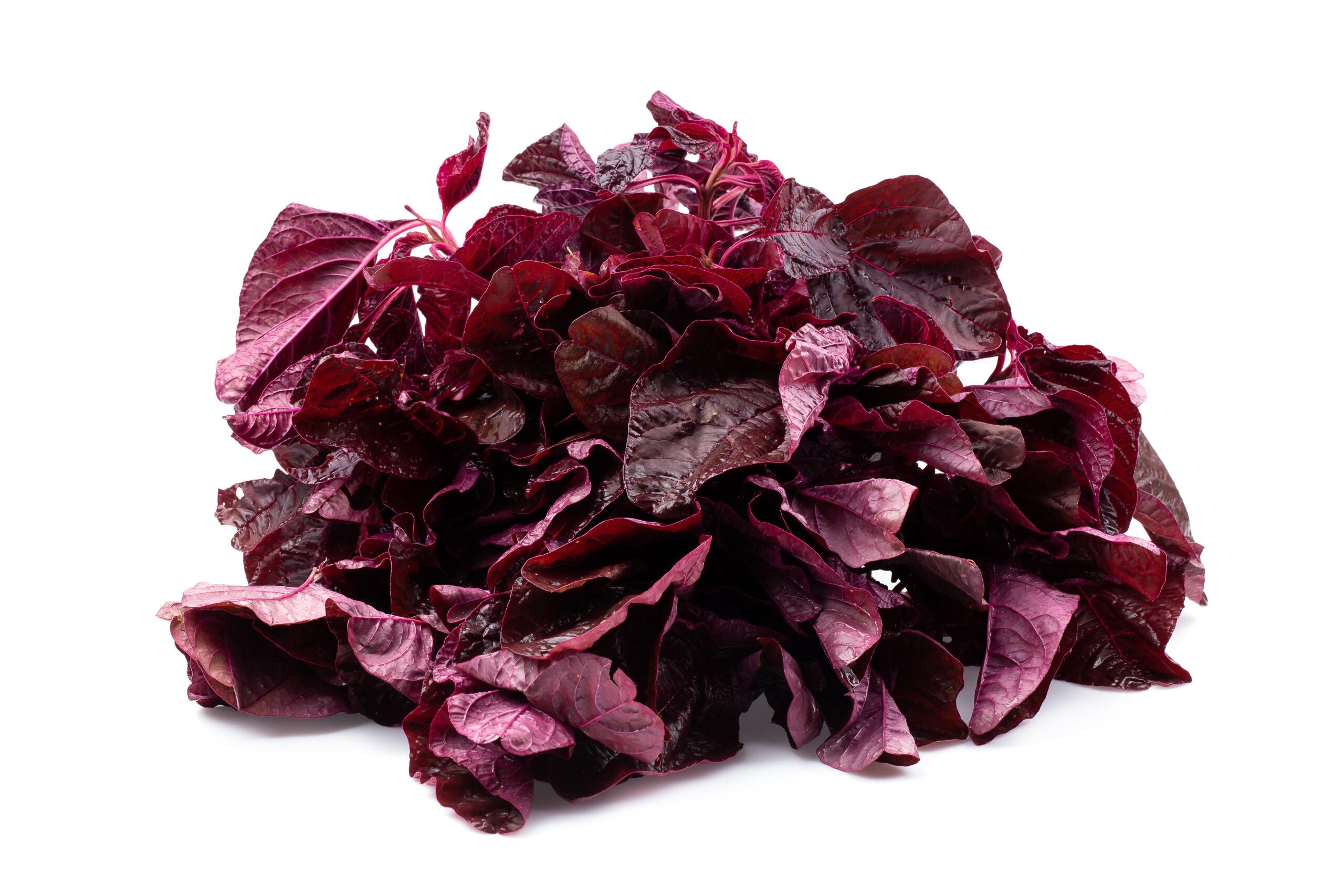
Red spinach (Amaranthus dubius) is a vibrant leafy vegetable packed with essential nutrients and powerful antioxidants. Its distinctive reddish-purple leaves are rich in anthocyanins, plant compounds known for their antioxidant properties, making it a nutritious addition to a balanced diet.
Popular in many Asian and Indian cuisines, red spinach provides vitamins, minerals, fiber, and beneficial phytonutrients that support overall health. Its mild earthy flavor and versatility make it easy to include in a variety of dishes.
In this article, we’ll explore the various benefits of red spinach, its nutritional value, and the best ways to include it in your meals.
Nutrient Profile
Red spinach is a nutrient-dense leafy vegetable that provides a wide range of vitamins, minerals, antioxidants, and dietary fiber. It is particularly rich in vitamins A, C, and K, along with iron, magnesium, potassium, and calcium, nutrients that support immunity, bone health, blood formation, and normal muscle and nerve function.
Some of its key nutrients include:
- Vitamin A: Supports healthy vision, skin, and immune function.
- Vitamin C: Acts as an antioxidant and supports collagen production and immune health.
- Vitamin K: Plays an essential role in blood clotting and bone metabolism.
- Iron: Helps produce hemoglobin and transport oxygen throughout the body.
- Calcium: Supports healthy bones, teeth, and muscle function.
- Magnesium and Potassium: Help regulate muscle contraction, nerve function, and healthy blood pressure.
Health Benefits
Here are the benefits of red spinach for health.
1. Rich in Antioxidants
1. Rich in Antioxidants
One of the standout benefits of red spinach is its impressive antioxidant content. Its vibrant reddish-purple color comes from anthocyanins, plant compounds that help protect cells from oxidative stress.
Oxidative stress occurs when harmful free radicals build up in the body, potentially contributing to aging and the development of chronic diseases.
Along with anthocyanins, red spinach also provides vitamin C and other antioxidants that support the body’s natural defense system.
Compared with green spinach, red spinach generally contains higher levels of anthocyanins, making it an excellent choice for adding more antioxidant-rich foods to your diet.
2. May Support Heart Health
Red spinach contains nutrients associated with cardiovascular support, including potassium, magnesium, fiber, and antioxidants.
Potassium helps regulate fluid balance and counteract the effects of sodium in the diet. Magnesium supports normal muscle contraction, including heart muscle function.
Dietary fiber supports healthy cholesterol levels when consumed as part of a balanced dietary pattern.
Rather than acting as a treatment, red spinach contributes to heart health as one component of a diet rich in vegetables, fruits, whole grains, and healthy fats.
3. May Boost Immune Function
Red spinach is rich in vitamin C and other immune-boosting nutrients that help strengthen the body’s defense mechanisms.
Regular consumption of red spinach can help ward off infections, speed up recovery from illnesses, and maintain overall immune health.
The antioxidants in red spinach also play a role in enhancing immune function by protecting immune cells from oxidative damage.
4. May Promote Eye Health
The vitamin A and beta-carotene in red spinach are essential for maintaining good vision.
The high levels of vitamin A and other antioxidants in red spinach support vision health by protecting the eyes from damage caused by free radicals.
And beta-carotene, a precursor to vitamin A, helps protect the eyes from oxidative damage.
Regular consumption of red spinach may keep your eyes healthy and may reduce the risk of age-related macular degeneration.
5. May Enhance Skin Health
The abundance of vitamins A and C in red spinach makes it beneficial for skin health.
Vitamin A helps maintain healthy skin by promoting cell turnover and reducing the risk of acne.
Vitamin C, on the other hand, supports collagen production, keeping the skin firm and elastic.
The antioxidants in red spinach also protect the skin from environmental damage, helping to maintain a youthful complexion.
6. May Support Digestive Health
Red spinach is a good source of dietary fiber.
Fiber supports:
- Regular bowel movements
- Gut microbiome diversity
- Satiety and appetite control
The combination of fiber and water helps promote digestive comfort and prevent constipation.
Including leafy greens regularly supports long-term digestive balance.
7. May Aid in Weight Management
Red spinach is low in calories but high in fiber and volume.
High-volume foods increase fullness, which can help regulate appetite and reduce overall calorie intake.
Because it is nutrient-dense and energy-light, red spinach fits well into weight-conscious eating patterns.
It works best when combined with balanced meals that include protein and healthy fats.
8. May Reduce Inflammation
Red spinach has anti-inflammatory properties due to the presence of antioxidants and other bioactive compounds.
These properties help reduce inflammation in the body, lowering the risk of chronic diseases such as arthritis and heart disease.
Regular consumption of red spinach can help manage inflammatory conditions and improve overall health.
9. May Improve Bone Health
Red spinach contains calcium, magnesium, and vitamin K — all nutrients involved in maintaining bone structure.
Vitamin K plays a role in bone mineralization, helping direct calcium to bones rather than soft tissues.
Magnesium supports bone formation and muscle relaxation.
While dairy is often emphasized for bone health, leafy greens like red spinach contribute valuable supporting nutrients.
10. May Help Support Blood Health
Red spinach contains iron and folate.
Iron is necessary for hemoglobin production, which carries oxygen in the blood.
Folate supports red blood cell formation and cell division.
Plant-based iron is less easily absorbed than animal-based iron. Pairing red spinach with vitamin C-rich foods like lemon juice, tomatoes, or bell peppers can enhance iron absorption.
You may also read
Cold Pressed Oil vs Refined Oil- Which Is Better?
9 Impressive Green Moong Sprouts Benefits
FAQs
Is red spinach better than green spinach?
Both red and green spinach offer impressive nutritional profiles and health benefits, so it’s not accurate to say that one is definitively better than the other.
Each type of spinach has its unique characteristics and advantages.
What is red spinach good for?
One of the notable red spinach benefits is its ability to support eye health.
The high levels of vitamin A and other antioxidants in red spinach support vision health by protecting the eyes from damage caused by free radicals.
Regular consumption of red spinach may help reduce the risk of age-related macular degeneration and cataracts.
Is red spinach good for blood pressure?
Yes, spinach is good for blood pressure. The potassium in red spinach contributes to healthy cardiovascular system.
Red spinach is a rich source of nitrates. Nitrates have been known to promote vasodilation (expansion of blood vessels), which inturn lowers the blood pressure.