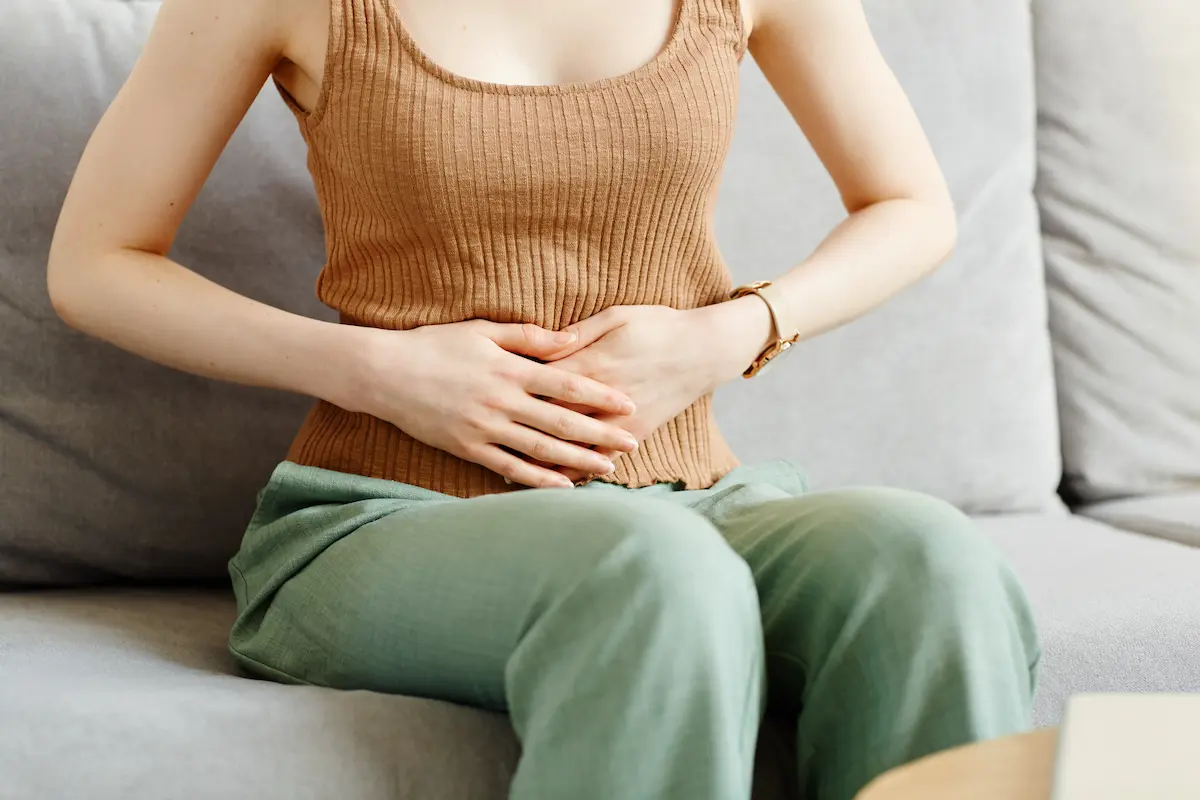
Do you suddenly feel bloated, crave chocolate, or become more emotional than usual? These changes may not be random. They could be signs that your period is approaching.
Your body often gives you clues before menstrual bleeding begins. Some women notice cramps or breast tenderness, while others experience mood swings, acne, headaches, or changes in appetite.
These symptoms are commonly associated with premenstrual syndrome (PMS), and they can begin several days to two weeks before your period.
Recognizing these early signs can help you understand your cycle, prepare for your period, and manage discomfort before it starts.
Here are 12 common signs your period is coming and what causes them.
1. Abdominal Cramps
Mild cramping in your lower abdomen is one of the common signs that your period is approaching. You may feel a dull ache, pulling sensation, or occasional sharp pain around your pelvic area.
These cramps occur as your uterus prepares to shed its lining. Prostaglandins, hormone-like substances produced in the uterine lining, trigger uterine contractions that help release the lining during menstruation.
You may notice cramps a few days before bleeding begins, and they can continue during the first few days of your period.
2. Bloating and Water Retention
Does your stomach suddenly feel fuller or tighter than usual? Bloating is another common symptom that may occur as your period approaches.
Changes in fluid retention throughout the menstrual cycle can contribute to abdominal fullness and swelling.
Fluid-retention symptoms tend to increase around menstruation and are often strongest on the first day of bleeding. This means bloating may continue even after your period begins.
3. Breast Tenderness and Swelling
If your breasts feel sore, swollen, or unusually sensitive, your period may be approaching.
Hormonal changes during the second half of your menstrual cycle can affect breast tissue, contributing to swelling, fullness, and tenderness.
A year-long study of 53 women tracking 720 menstrual cycles found that breast tenderness and swelling increased together, peaking in the late luteal phase. These symptoms were generally more pronounced in normally ovulatory cycles.
4. Mood Swings and Irritability
Feeling happy one moment and unusually irritated the next? Changes in mood can be a sign that your period is approaching.
During the menstrual cycle, fluctuations in estrogen and progesterone may affect brain chemicals involved in mood regulation, including serotonin. Some women may be more sensitive to these normal hormonal changes.
A 2011 review identified mood swings, irritability, anxiety, and tearfulness as common premenstrual symptoms. These emotional changes can become more noticeable in the days leading up to menstruation.
5. Increased Food Cravings
Suddenly craving chocolate, sweets, salty snacks, or carbohydrate-rich foods? Changes in appetite and food preferences can happen before your period.
Hormonal fluctuations throughout the menstrual cycle may influence hunger and eating patterns. Changes in serotonin activity have also been suggested as one possible explanation for carbohydrate cravings, although the exact mechanisms are not fully understood.
You may notice stronger cravings for chocolate, sweets, and salty foods in the days leading up to menstruation. Your appetite and protein intake, particularly from animal sources, may also increase around the middle of the post-ovulation phase.
6. Acne Breakouts
Unexpected pimples, especially around your chin and jawline, can be another clue that your period is approaching.
Hormonal changes throughout the menstrual cycle can influence oil production in your skin. Androgens stimulate the sebaceous glands to produce sebum, or natural skin oil. When excess oil combines with dead skin cells, it can clog pores and contribute to acne breakouts.
In a study following 25 women across two menstrual cycles, 63% experienced an increase in acne breakouts before their period, with inflammatory lesions rising by approximately 25% during the late luteal phase.
7. Headaches
If you find yourself reaching for pain relief more often just before your period, hormonal changes may be playing a role.
Estrogen levels naturally fluctuate throughout your menstrual cycle and drop shortly before menstruation. In some women, this decline can trigger headaches or migraines.
You may experience a dull ache, pressure around your forehead, or throbbing pain on one side of your head. These symptoms can be particularly noticeable in women who experience menstrual migraines.
One study analyzing 693 menstrual cycles from 155 women found that the risk of migraine attacks increased around menstruation. Women were 71% more likely to experience a migraine during the two days before their period, while the risk more than doubled on the first day of bleeding.
8. Lower Back Pain
A dull ache in your lower back can be another sign that your period is approaching. You may feel soreness around your waist, tightness in your pelvic area, or discomfort that sometimes spreads to your thighs.
Prostaglandins trigger uterine contractions to help shed the uterine lining. These substances contribute to menstrual cramps, which can occur alongside pain in the lower back and thighs.
In a study of 73 women with primary dysmenorrhea, researchers found that 90.4% experienced lower abdominal pain, while 82.1% reported lower back pain. Other affected areas included the head, breasts, upper abdomen, and legs.
You may notice that the discomfort becomes stronger as your period begins and improves as menstrual cramps settle.
9. Fatigue and Low Energy
Feeling unusually tired even after getting enough sleep? Fatigue can be another sign that your period is approaching.
Hormonal fluctuations during the menstrual cycle may influence sleep quality, mood, and energy levels. You may find it harder to fall asleep, wake up frequently during the night, or feel sleepier than usual during the day.
Fatigue, sleep problems, and difficulty concentrating can be particularly pronounced in women with premenstrual dysphoric disorder (PMDD). These symptoms may become more severe during the days leading up to menstruation.
10. Changes in Bowel Movements
Your digestive system may also respond to hormonal changes before and during menstruation. Some women experience constipation, while others notice loose stools, diarrhea, or increased gas.
Prostaglandins, which help the uterus contract during menstruation, can also stimulate intestinal activity. This may lead to more frequent bowel movements, loose stools, or abdominal discomfort.
In a study on 156 healthy women, 73% experienced at least one digestive symptom before or during menstruation. Diarrhea affected 24% of women before their period and 28% during menstruation, while constipation was reported by 15% and 10%, respectively.
11. Sleep Problems
Having trouble falling asleep or staying asleep before your period? Hormonal fluctuations may affect body temperature, mood, and sleep quality.
Other premenstrual symptoms, such as cramps, breast tenderness, bloating, and anxiety, can also make it difficult to get a comfortable night’s sleep.
A study tracking 32 women across two menstrual cycles found longer sleep onset and poorer sleep quality during the luteal phase.
A review of 35 studies also linked PMS and painful periods with poor sleep, daytime sleepiness, and difficulty staying asleep.
12. Changes in Vaginal Discharge
Vaginal discharge naturally changes throughout your menstrual cycle as estrogen and progesterone levels fluctuate. These changes can give you clues about where you are in your cycle.
Around ovulation, rising estrogen makes cervical mucus clearer, thinner, and stretchier. This type of discharge typically lasts for several days around the fertile window.
After ovulation, progesterone becomes the dominant hormone, causing mucus production to decrease and the discharge to become thicker, creamier, or stickier. You may also notice less discharge than you did around ovulation.
As your period approaches, these changes in discharge may become more noticeable.
Learn more: 13 Home remedies to relieve period pain naturally at home
When Should You Be Concerned About Premenstrual Symptoms?
Mild changes before your period are common. However, symptoms that become severe or interfere with your everyday activities deserve attention.
Consider seeking medical advice if you experience:
- Severe menstrual cramps that interfere with daily activities
- Very heavy menstrual bleeding
- Persistent or worsening pelvic pain
- Severe mood changes, anxiety, or depression before your period
- Symptoms that continue even after menstruation ends
- Irregular or frequently missed periods
Some women experience a more severe form of PMS called premenstrual dysphoric disorder (PMDD). It can cause intense mood changes, depression, anxiety, irritability, and physical discomfort that significantly affect daily life.
If you experience suicidal thoughts or feel unsafe during these symptoms, seek urgent mental health support.
Frequently Asked Questions
1. What are the first signs your period is coming?
Early signs may include breast tenderness, bloating, mood swings, food cravings, fatigue, and mild abdominal cramps. Some women notice these changes one or two weeks before their period, while others experience very few symptoms.
2. How do you know your period is coming tomorrow?
There is no definite sign that your period will start the next day. However, mild lower abdominal cramps, lower back pain, bloating, and breast tenderness may become more noticeable shortly before bleeding begins.
3. Can you feel like your period is coming but not get it?
Yes. You may experience PMS symptoms even if your period is delayed. Stress, pregnancy, hormonal changes, PCOS, thyroid problems, and changes in body weight can affect when menstruation begins.
4. Is white discharge a sign your period is coming?
White or creamy vaginal discharge can occur during the days leading up to menstruation because of hormonal changes. However, it is not a reliable way to predict when your period will start.
5. Do all women experience PMS symptoms before their period?
No. Some women experience several physical and emotional changes before menstruation, while others notice only mild symptoms or none at all. PMS symptoms can also vary from one cycle to another.
6. Can you have period symptoms without bleeding?
Yes. You may experience cramps, bloating, breast tenderness, and mood changes even when your period does not arrive on time. If pregnancy is possible, take a pregnancy test. If you repeatedly experience these symptoms without menstruation, seek medical evaluation.
Takeaways
Your body may show several signs that your period is approaching, from abdominal cramps and bloating to mood swings, breast tenderness, acne, and food cravings. These changes are often related to hormonal fluctuations during the menstrual cycle.
However, not everyone experiences the same symptoms, and their timing can vary. Tracking your cycle and noting recurring changes can help you recognize your personal pattern and prepare for your next period.
If symptoms are severe or your periods become irregular, do not ignore them.