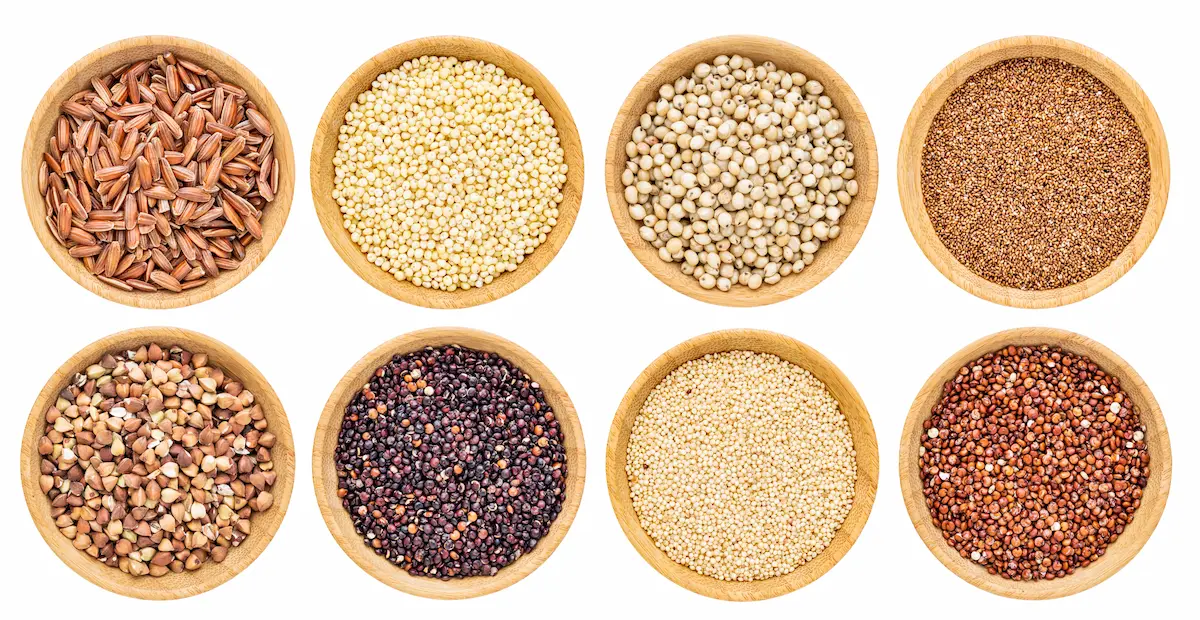
Millets have been a part of traditional diets for thousands of years, but they are now gaining renewed attention for their impressive nutritional value. These naturally gluten-free grains are rich in fiber, vitamins, minerals, and plant compounds that support overall health. Their ability to grow in harsh conditions with minimal water also makes them an environmentally sustainable food choice.
From pearl millet and finger millet to sorghum and foxtail millet, each variety offers a unique nutritional profile and health benefits. Some are particularly rich in calcium, while others provide more protein, iron, or antioxidants.
In this blog, we’ll explore the different types of millets and their benefits, helping you understand how these ancient grains can fit into a healthy, balanced diet.
What Are Millets?
Millets are a group of small-seeded cereal grains that belong to the grass family. They have been cultivated across Asia and Africa for centuries and are well adapted to dry and semi-arid regions. Despite their small size, millets are nutrient-dense foods that provide carbohydrates, fiber, protein, vitamins, minerals, and beneficial plant compounds.
Types of Millets
Below are some of the most commonly consumed millets:
- Pearl Millet (Bajra)
- Finger Millet (Ragi)
- Foxtail Millet (Kangni)
- Sorghum (Jowar)
- Barnyard Millet (Sanwa)
- Proso Millet (Chena)
- Little Millet (Kutki)
- Kodo Millet (Kodon)
- Browntop Millet (Korle)
Types of Millets and Their Benefits
There are several varieties of millets, each offering unique nutritional benefits. Here are the types of millets and their benefits:
1. Pearl Millet

Pearl millet is one of the most widely grown types of millet, especially in India and Africa. It has a nutty flavor and is rich in nutrients like protein, fiber, and iron.
Pearl millet can be eaten as porridge, flatbreads (bajra roti), steamed millet, or added to soups and salads.
Benefits of Pearl Millet:
- Helps Manage Blood Sugar Levels: Pearl millet contains beneficial plant compounds called polyphenols that may help support healthy blood sugar levels. Research suggests these compounds can slow the breakdown of carbohydrates and help the body use glucose more effectively after meals.
- Rich in Iron: Pearl millet is an excellent source of iron, making it a valuable food for preventing and managing anemia.
- Lowers Cholesterol: The soluble fiber in pearl millet helps lower cholesterol levels, supporting heart health.
2. Finger Millet

Finger millet is a popular choice in Southern India and is known for its high calcium content.
It can be consumed as porridge, roti (flatbread), or in baked goods.
Ragi malt is a common nutritious drink made from finger millet flour, mixed with water or milk, and lightly sweetened or salted. It is commonly enjoyed as a morning or mid-day drink, especially during hot summers for its cooling and energy-boosting properties.
Benefits of Finger Millet:
- High in Calcium: Finger millet is one of the best plant-based sources of calcium, which is essential for strong bones and teeth.
- Helps Manage Blood Sugar: Finger millet is rich in phenolic compounds that may help manage post-meal blood sugar levels by slowing the breakdown of starch into glucose.
- Helps Lower Blood Pressure: Animal studies suggest that compounds in finger millet may help support healthy blood pressure levels by affecting systems in the body that regulate blood vessel function and circulation.
3. Foxtail Millet
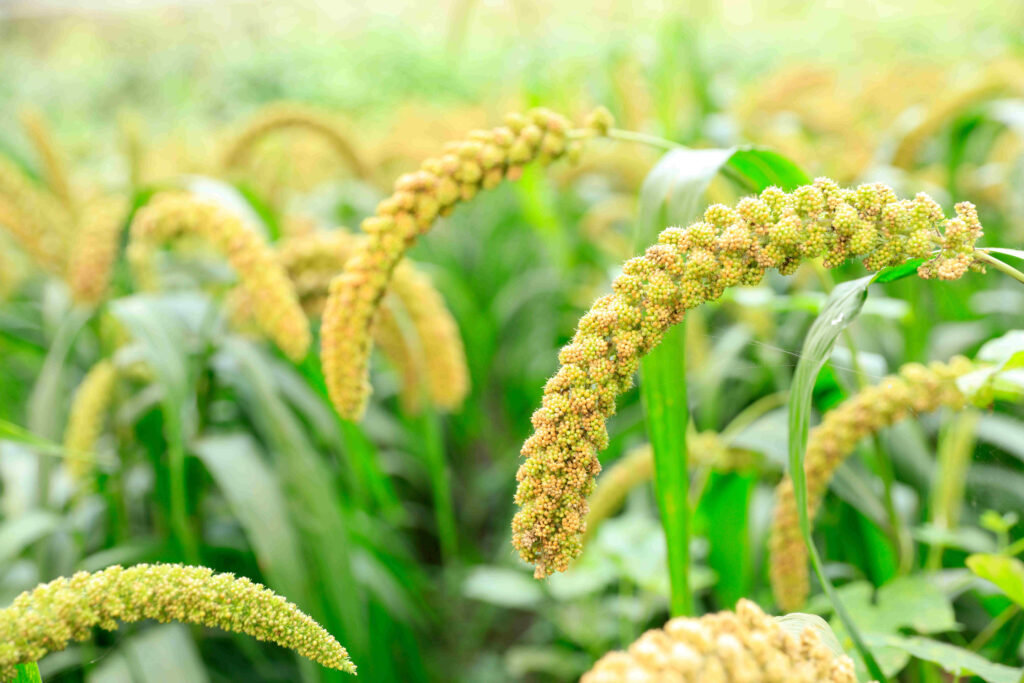
Foxtail millet is another ancient grain known for its high protein and low carbohydrate content.
It has a slightly sweet, nutty flavor and is often used in salads, soups, and stir-fries.
Benefits of Foxtail Millet:
- Supports Healthy Blood Sugar Levels: Research in diabetic rats suggests that compounds in foxtail millet may help improve blood sugar control, support glucose metabolism, and reduce abnormal blood fat levels.
- May Support Heart Health: Studies in rats have shown that protein hydrolysates derived from foxtail millet may help lower blood pressure and reduce factors associated with heart disease.
- Provides Nutrients That Support Immunity: Foxtail millet contains vitamins and other nutrients that support normal immune function and contribute to healthy skin and vision.
- May Help Lower Blood Pressure: In a study involving people with mild hypertension, a diet containing whole foxtail millet was associated with reductions in both systolic and diastolic blood pressure.
- Supports Digestive Health: Foxtail millet has traditionally been used in Chinese medicine to support digestion and help manage issues such as bloating, poor appetite, and acid reflux.
- May Support Liver Health: Research suggests that heat-treated foxtail millet may help reduce liver fat accumulation, improve cholesterol and triglyceride levels in the liver, and support a healthier gut microbiota in the context of non-alcoholic fatty liver disease.
- Contains Compounds Studied for Anticancer Activity: Laboratory studies have found that certain foxtail millet varieties may inhibit the growth of breast and liver cancer cells. However, more research in humans is needed.
4. Sorghum

Sorghum is one of the top five cereal crops in the world and is often used as a gluten-free flour substitute. It is rich in protein, fiber, and antioxidants.
Sorghum can be eaten as porridge, roti, popped like popcorn, or used in soups, salads, and gluten-free baking.
Benefits of Sorghum:
- May Support Healthy Blood Sugar Levels: Research suggests that phenolic compounds in sorghum may help slow starch digestion by inhibiting starch-digesting enzymes, which could help reduce blood sugar spikes after meals.
- Supports Heart Health: Animal studies have found that sorghum may help improve cholesterol levels. In one study, hamsters fed sorghum had lower levels of non-HDL cholesterol, a marker associated with an increased risk of heart disease.
- May Help Maintain Healthy Blood Pressure: Alpha-kafirin, a protein found in sorghum, has shown the ability to inhibit an enzyme involved in blood pressure regulation, suggesting a potential role in supporting healthy blood pressure levels.
- May Aid Weight Management: Sorghum contains tannins that can interact with starch to form resistant starch. Because resistant starch is digested more slowly, it may promote fullness and support weight management efforts.
- Contains Compounds Studied for Anticancer Activity: Laboratory studies have shown that compounds extracted from black sorghum bran may inhibit the growth of certain cancer cells. However, human studies are needed to confirm these effects.
- May Support Brain Health: Sorghum is rich in polyphenols that have shown potential neuroprotective effects in laboratory studies. These compounds may help reduce harmful protein buildup associated with neurodegenerative conditions, although more research is needed.
5. Barnyard Millet

Barnyard millet is a popular type of millet consumed in India, especially during fasting periods. It has a fluffy texture when cooked and is packed with essential nutrients.
Barnyard millet can be consumed as porridge, cooked like rice, used in upma, idli, dosa, or added to salads and soups for a nutritious meal.
Benefits of Barnyard Millet:
- May Support Healthy Blood Sugar Levels: Barnyard millet contains phenolic compounds such as p-coumaric acid and chlorogenic acid. Research suggests these compounds may help reduce the formation of advanced glycation end-products (AGEs), harmful substances linked to high blood sugar and diabetes-related complications.
- May Support Weight Management: Barnyard millet is relatively low in calories and rich in fiber, which can promote fullness and help control overall calorie intake.
- Rich in Iron: Barnyard millet is a good source of iron, an essential mineral that helps transport oxygen throughout the body and supports healthy energy levels.
Contains Compounds Studied for Anticancer Activity: Laboratory studies have found that vanillin, a compound present in barnyard millet, may inhibit the growth of colon cancer cells and promote their death. However, more research is needed to determine whether these effects occur in humans.
6. Proso Millet
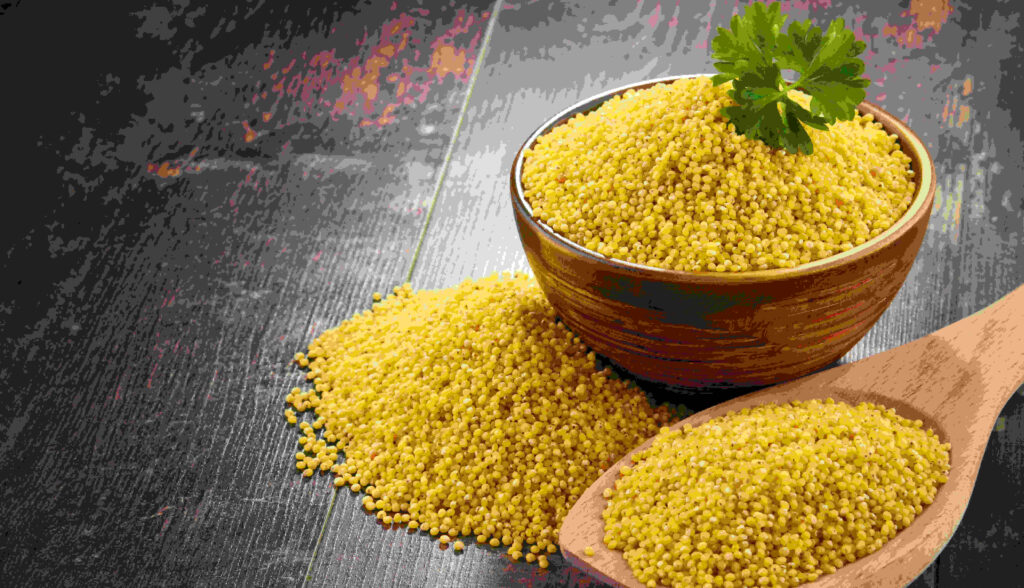
Proso millet is commonly grown in India and China. It has a mild, slightly sweet taste and is often used in birdseed but is also highly nutritious for human consumption.
Proso millet can be eaten as porridge, added to salads, cooked like rice, used in pilafs, soups, or ground into flour for baking.
Benefits of Proso Millet:
- May Support Healthy Blood Sugar Levels: Animal studies suggest that a diet containing proso millet may help improve blood sugar control, insulin sensitivity, and markers of liver and kidney health in diabetic mice.
- Rich in Protein: Proso millet provides plant-based protein, making it a nutritious addition to vegetarian and vegan diets.
- Supports Bone Health: Proso millet contains magnesium and phosphorus, two minerals that play important roles in maintaining strong bones and teeth.
Contains Compounds Studied for Anticancer Activity: Laboratory studies have shown that vanillin, a compound found in proso millet, may inhibit the growth of colon cancer cells and promote their death. However, further research is needed to determine whether these effects occur in humans.
7. Little Millet
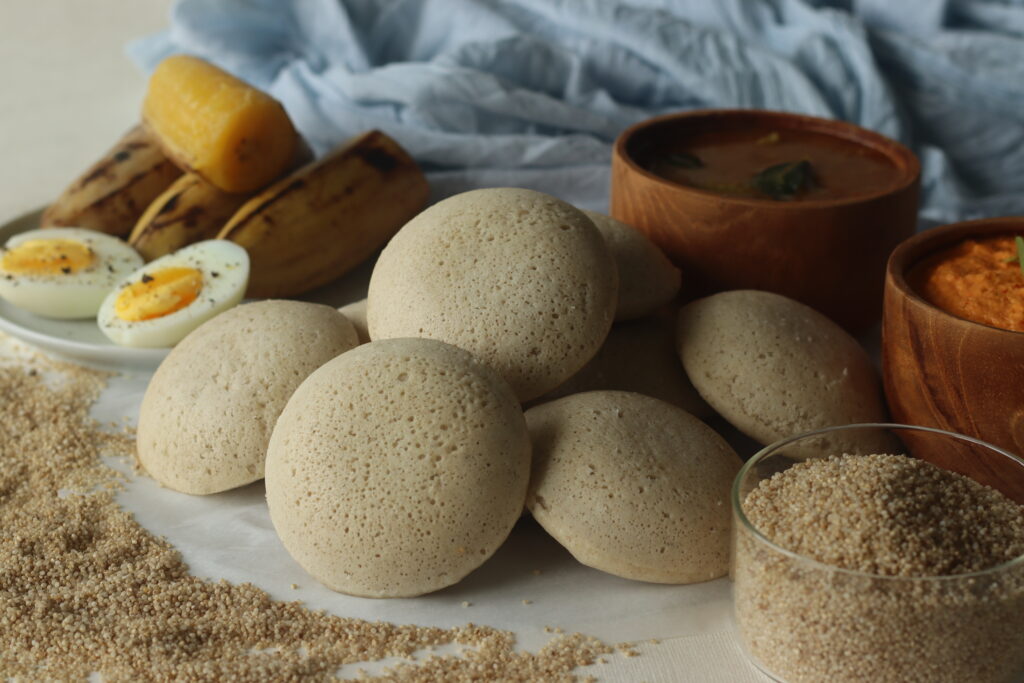
Little millet is a small, nutritious grain that is easy to cook and can be used in various dishes like porridge, dosa, or upma. It is highly nutritious and quick to digest.
Benefits of Little Millet:
- May Support Weight Management: Little millet is rich in fiber, which can promote fullness and help reduce overall calorie intake, making it a useful addition to a weight-management diet.
- May Help Maintain Healthy Blood Sugar Levels: Little millet has a relatively low glycemic index, meaning it is digested more slowly and may help reduce rapid rises in blood sugar after meals.
- Provides B-Vitamins: Little millet contains B-vitamins that help the body convert food into energy and support healthy skin, hair, and nervous system function.
Supports Digestive Health: The fiber in little millet promotes regular bowel movements and supports overall digestive health.
8. Kodo Millet
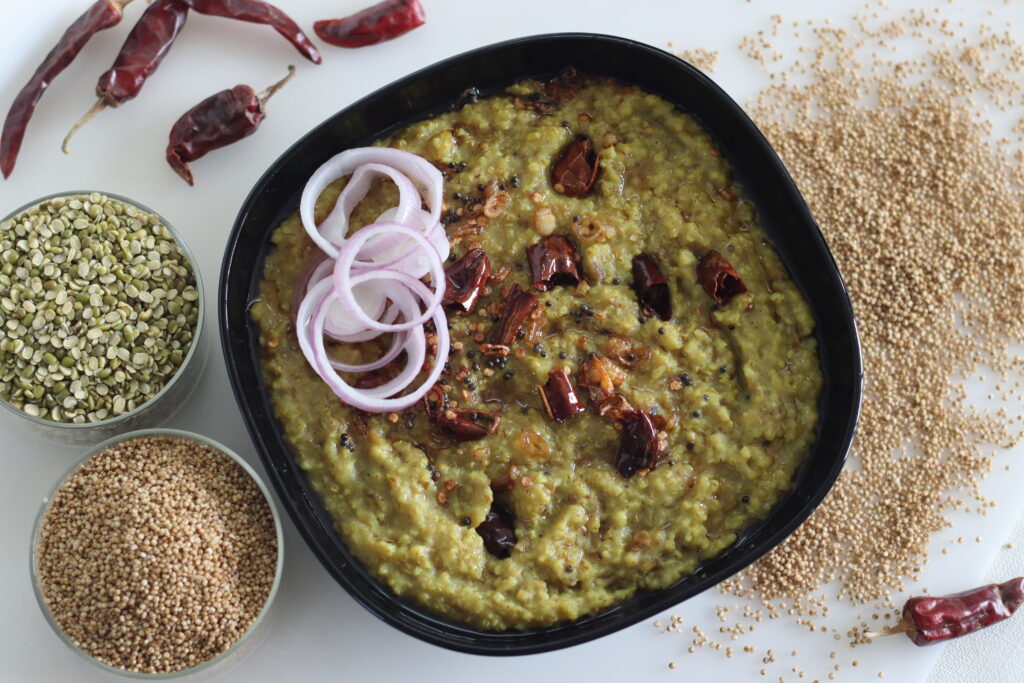
Kodo millet is primarily grown in India and Africa. It has a rich nutritional profile, with high amounts of dietary fiber and protein.
Kodo millet can be consumed as porridge, cooked like rice, used in upma, khichdi, pulao, or ground into flour for making rotis, dosas, and baked goods.
Benefits of Kodo Millet:
- May Support Healthy Blood Sugar Levels: Animal studies suggest that diets containing kodo millet and finger millet may help improve blood sugar control in diabetic rats. More human research is needed to confirm these effects.
- May Support Heart Health: Kodo millet is rich in antioxidants that may help reduce oxidative stress. Research has shown that phenolic extracts from kodo millet can inhibit the oxidation of LDL cholesterol, a process associated with the development of heart disease and stroke.
- Supports Bone Health: Kodo millet provides minerals such as calcium and magnesium, which play important roles in maintaining strong bones and supporting overall bone health.
- Contains Compounds Studied for Anticancer Activity: Ferulic acid and p-coumaric acid found in kodo millet have shown the ability to inhibit the growth of human colorectal cancer cells in laboratory studies. However, further research is needed to determine whether these effects occur in humans.
9. Browntop Millet
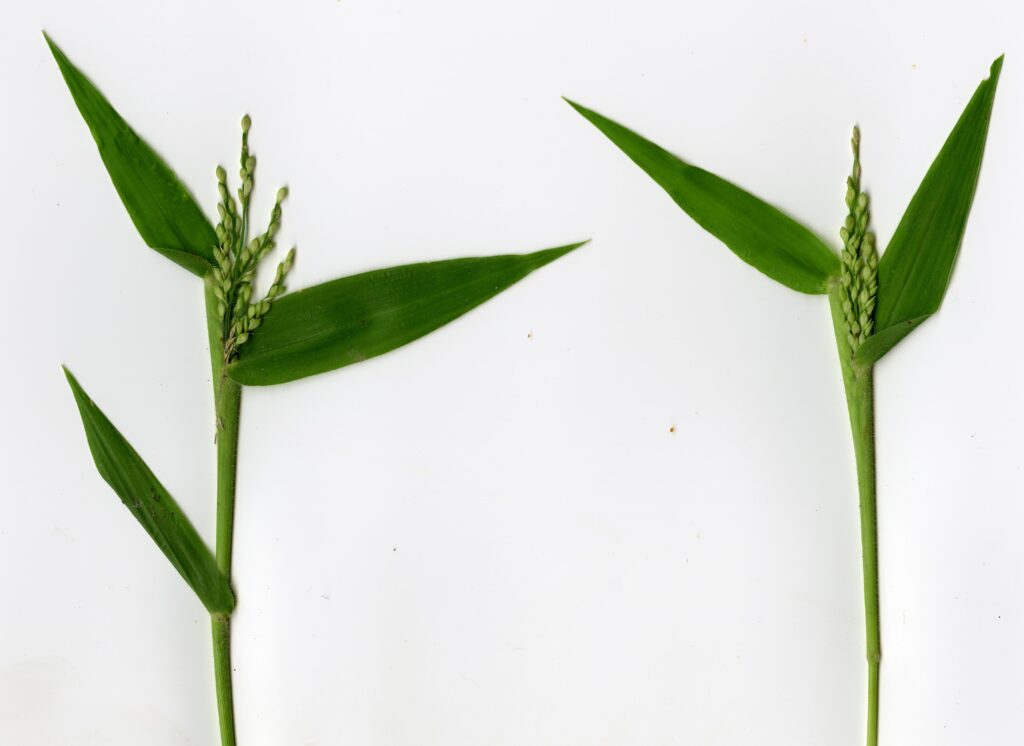
Browntop millet is one of the rarest and lesser-known millet varieties, but it is gaining popularity due to its impressive nutritional profile and ecological benefits. It is predominantly grown in certain regions of India, particularly Karnataka.
Browntop millet can be eaten as porridge, cooked like rice, used in upma, added to salads, or made into rotis.
Benefits of Browntop Millet:
- May Help Maintain Healthy Blood Sugar Levels: Browntop millet has a low glycemic index, meaning it is digested more slowly and may help reduce rapid increases in blood sugar after meals.
- May Support Weight Management: Its high fiber content can promote fullness, helping reduce hunger and support healthy weight-management efforts.
- Provides Important Minerals: Browntop millet contains minerals such as iron, calcium, and magnesium, which support energy production, bone health, and normal muscle function.
Supports Digestive Health: The fiber in browntop millet helps promote regular bowel movements and contributes to overall digestive health.
General Benefits of Millets
In addition to the specific benefits of individual millet varieties, consuming millets as a regular part of your diet provides numerous general health advantages:
1. High in Nutrients
Millets are rich in essential vitamins (particularly B-vitamins), minerals, fiber, protein, carbohydrates and antioxidants, making them an excellent source of nutrition for maintaining good health.
Millet proteins contain high amount of essential amino acids such as lysine, methionine, and cysteine, which are limited in other cereal grains like rice and wheat.
Additionally, millet fats consist of unsaturated fatty acids, including linoleic and oleic acids, which enhance its nutritional value and offer various health benefits.
Millets are also a great source of iron, there also the clinical trials showing millets could reduce anaemia and rise haemoglobin levels in adolescents.
2. Rich in Antioxidants
Millets are rich in antioxidants, including phenolic compounds, flavonoids, tannins, luteolin and phytic acid, all of which help neutralize free radicals and reduce oxidative stress in the body.
These antioxidants play a key role in preventing cellular damage, supporting heart health, and reducing the risk of chronic diseases like cancer and diabetes.
Consuming millets regularly can enhance the body’s defense mechanisms, promoting overall health and longevity.
3. Gluten-Free Alternative
Celiac is a disease where ingestion of gluten triggers an immune response that damages the small intestine and interferes with the absorption of nutrients from food.
Millets are naturally gluten-free, making them an excellent choice for individuals with gluten intolerance or celiac disease.
Their gluten-free nature, combined with high fiber and nutrient content, supports digestion and boosts overall wellness.
4. Good for Digestion
Millets are high in dietary fiber, both soluble and insoluble fiber, which promotes healthy digestion and prevents constipation, bloating, and other digestive issues.
Soluble fiber dissolves in water to form a gel-like substance that slows digestion, helping to regulate blood sugar levels and lower cholesterol. Soluble fiber also improves gut bacteria by acting as a prebiotic.
Insoluble fiber doesn’t dissolve in water and adds bulk to stool, promoting regular bowel movements and preventing constipation.
Millets have been shown to increase benefits bacteria and decrease harmful bacteria in the gut.
Regular consumption of millets has been linked to improved gastrointestinal function, enhanced nutrient absorption, and reduced risk of various digestive disorders.
5. May Help Manage Blood Sugar Levels
Millets help manage blood sugar levels due to their low glycemic index, high fiber content, and complex carbohydrates, which slow down the digestion and absorption of carbohydrates.
Studies suggest that low-digestible starch and phenolic compounds in millets contribute to its anti-diabetic properties by its antioxidative properties.
Animal studies show that feeding diabetic rats with kodo and finger millet-based diets reduced blood glucose levels.
There are also few clinical studies proving millet diet can help manage blood sugar levels.
A study found that Millet diet (foxtail millet, finger millet, sorghum) regulated the glucose level in the diabetic patients better than the non-millet diet.
6. May Aid in Weight Loss
Millets can also be a great addition to your weightloss diet as it is a good source of magnesium, tannins and starch.
Magnesium plays an essential role in the regulation of thyroid gland, promoting weight loss by improving fat metabolism.
Sorghum is also rich in tannins, which inters with the amylose in starch forming resistant starch.
This naturally modified starch, means the resistant starch cannot be digested in the small intestine and thus reaches the large intestine. This may help in weight management and support healthy gut bacteria.
Animal studies suggest that sorghum could reduce weight gain, which is attributed to formation of complexes with starch making it digest slowly, which helps you in lower caloric intake.
7. May Promote Heart Health
The antioxidants and fiber found in millets help lower cholesterol, reduce inflammation, and protect against heart diseases.
Millets contain higher levels of sterols and policosanols, which prevent the production of cholesterol.
Animal studies suggest that millets, particularly sorghum could promote cardiovascular health by reducing both plasma low-density lipoprotein (LDL) and liver cholesterol levels at different doses.
Millets have also been shown to reduce both systolic and diastolic blood pressure in patients with mild blood pressure.
8. May Support Neurological Function
Gut-brain axis is a bidirectional communication pathway connecting the gut and the brain.
Emerging research suggests that microbiome in the gut plays a crucial role in improving mood and cognition.
Gut microbiota is influenced by dietary fiber, and millets are a great source of it.
Gut microbiota communicates with the central nervous system through the vagus nerve, immune system and synthesis of neurotransmitters. They generate a variety of neurotransmitters that affect behavior and brain function, including dopamine, gamma-aminobutyric acid (GABA), and serotonin.
Polyphenols in sorghum have shown potential protective effects against Alzheimer’s Disease in cellular and animal studies.
Millets have also been shown to have neuroprotective effects against Parkinson’s disease and other neurological disorders.
9. May Help Reduce the Risk of Cancer
Millets are rich in antioxidants, which may prevent the growth and production of cancer cells in the body.
A cellular study suggests that phenolic extracts rich in ferulic and p-coumaric acids from kodo millet has shown to be effective in inhibiting the growth of human colorectal cancer cells.
Millets have also shown protective effects against breast, liver and colon cancer cells in cellular studies.
A compound named 3-deoxyanthocyanidins from the bran of black sorghum strongly inhibited the growth of various human cancer cells in cellular studies.
And its potential was comparable to that of quercetin, one of the most potent antioxidant molecules.
10. May Reduce Higher Uric Acid Levels
An increase in uric acid levels, caused by either too much production or insufficient excretion, leads to high serum uric acid, known as hyperuricemia, which can cause various diseases.
Millets contain natural compounds like luteolin, which may help prevent and treat hyperuricemia and its related conditions.
The Bottom Line
Millets are versatile, nutrient-rich grains with a wide range of health benefits—from improving digestion and managing blood sugar to boosting iron and calcium intake. Each variety, like pearl millet or finger millet, offers unique nutritional value, making them an excellent addition to any diet.
Although more animal studies and clinical trials are needed to fully understand how millet nutrients interact with our bodies and genes, their promise in nutrition and business is undeniable.
Whether enjoyed as porridge, mixed into salads, or used in baking, millets are a powerful, natural way to support better health and well-being.
You might also be interested in
Top 10 Biotin Rich Foods Vegan
Top 10 Iron Rich Indian Foods
7 Surprising Benefits of Brinjal