You don’t just “want something sweet” for no reason.
Most sugar cravings come from unstable blood sugar, poor meal balance, lack of protein, or even simple habits like eating late at night or skipping meals. When your body doesn’t get what it actually needs, it asks for the fastest fuel available. That usually means sugar.
The problem is not craving sweetness. It’s relying on quick sugar hits that spike your energy and then crash it just as fast. That cycle keeps repeating, and cravings get stronger over time.
The solution is simple, but not easy: give your body steady energy, enough protein, and the right nutrients so it stops asking for sugar constantly.
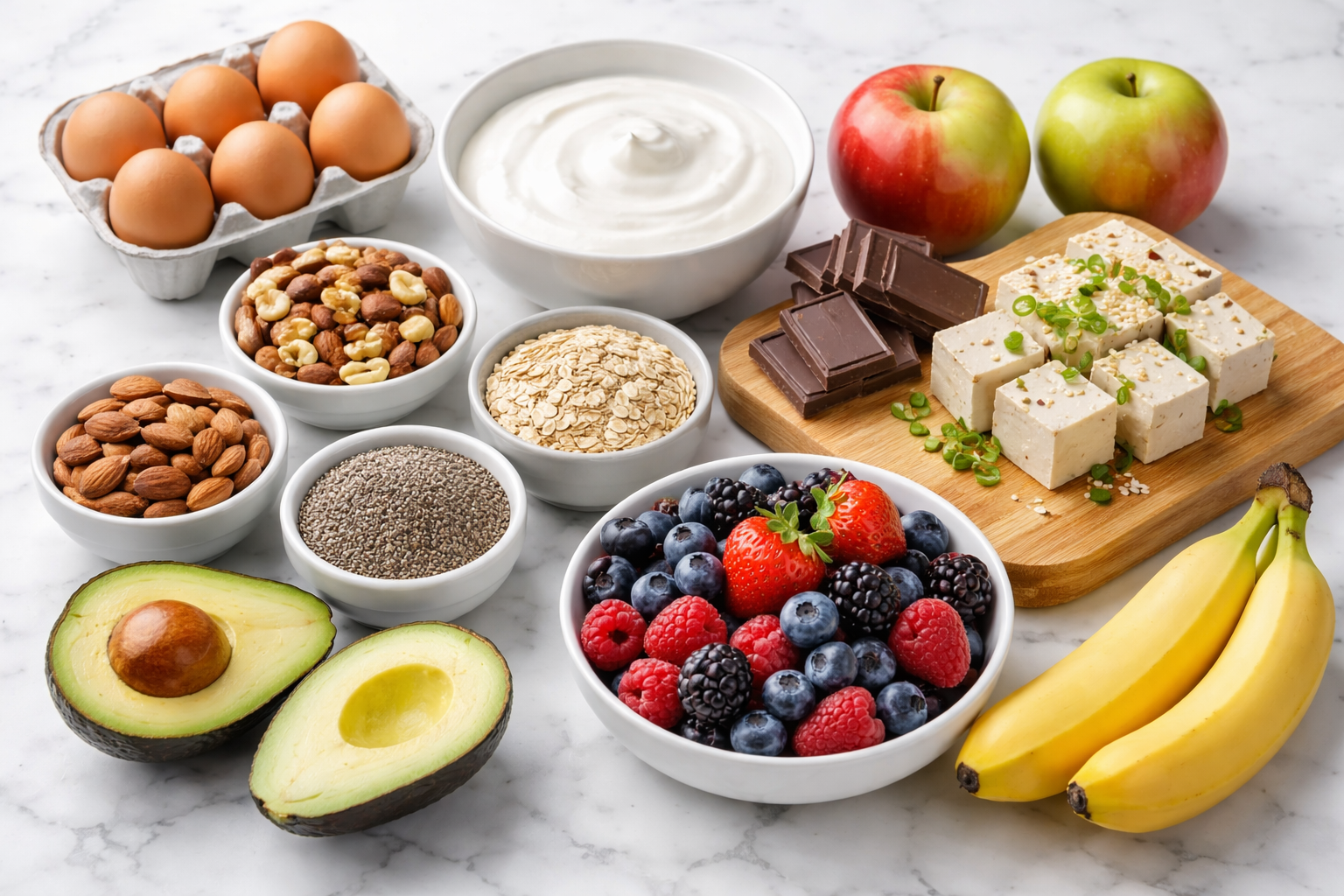
Below are foods that actually help reduce sugar cravings. Not by “blocking” them magically, but by fixing the real cause.
What to Eat to Stop Sugar Cravings
Sugar cravings reduce when your meals are balanced and keep your blood sugar steady.
1. Eggs
Eggs are one of the most effective foods to reduce cravings because they are rich in protein and healthy fats.
Protein helps reduce cravings by lowering the hunger hormone ghrelin and increasing satiety hormones like GLP-1 and PYY. It also slows digestion and keeps blood sugar stable for longer. This prevents sudden drops that trigger sugar cravings.
Eggs also help you feel full, which reduces the urge to snack on sweets.
Starting your day with eggs instead of a high-carb breakfast like biscuits or sugary cereals can noticeably reduce cravings later in the day.
2. Greek Yogurt
Greek yogurt is high in protein and low in sugar compared to regular yogurt.
It helps you stay full longer and keeps blood sugar levels steady, which can reduce cravings throughout the day.
The probiotics in yogurt support gut health, which may influence appetite and cravings. Research suggests gut bacteria may affect eating behavior through the gut-brain connection, and probiotics may help reduce binge eating, improve satiety, and support mood.
If you want something sweet, adding fruit to plain Greek yogurt is a far better option than processed desserts.
3. Nuts
Nuts combine protein, fiber, and healthy fats, which is exactly what your body needs to stay satisfied.
They help prevent sharp blood sugar spikes and crashes, which reduces the urge for sugar.
Research also shows that eating nuts does not lead to weight gain and may even support weight control by improving satiety and how the body absorbs energy.
A small handful between meals can stop cravings before they start. Just don’t overdo it, as nuts are calorie-dense.
4. Chia Seeds
Chia seeds absorb water and expand in your stomach, helping you feel full for longer.
They are rich in fiber and slow down the absorption of sugar into the bloodstream. This helps maintain steady energy levels.
Chia water or chia pudding can reduce mid-day or evening sugar cravings when used consistently.
5. Oats
Oats are a slow-digesting carbohydrate rich in fiber.
Unlike refined carbs, they release energy gradually, preventing blood sugar spikes and crashes that drive sugar cravings.
They contain a fiber called beta-glucan, which slows digestion, lowers blood sugar, and reduces hunger by lowering ghrelin while increasing hormones like GIP and PP. However, its long-term effects on digestive hormones are still unclear.
Eating oats for breakfast can help reduce the desire for sweets later in the day. The key is to avoid adding sugar and instead pair oats with nuts or fruit.
6. Apples
Apples can help control cravings.
They contain natural sugar along with fiber like pectin, which slows sugar absorption and prevents spikes and crashes.
Fruits like apples also provide natural sweetness along with fiber, polyphenols, and nutrients that may help reduce sugar cravings.
7. Dark Chocolate (70% or Higher)
Dark chocolate can help control sugar cravings when eaten in small amounts.
It contains less sugar than milk chocolate and has a more intense flavor, which can satisfy sweet cravings with a smaller portion. It also contains compounds that may influence appetite and mood.
Research suggests that replacing milk chocolate with dark chocolate can reduce calorie intake at the next meal, possibly due to its intense cocoa flavor.
It also contains polyphenols, which are linked to health benefits like reduced risk of cardiovascular diseases.
Even though it has some health benefits, a piece or two is enough.
8. Dates (in Moderation)
Dates are naturally sweet and can help satisfy sugar cravings without processed sugar.
They contain fiber, which slows down sugar absorption and helps prevent sharp spikes.
A study in 100 people with type 2 diabetes found that eating three dates daily for 16 weeks did not affect blood sugar or weight but improved cholesterol levels and quality of life, suggesting moderate intake can be safe.
However, they are still high in natural sugar, so portion control matters. Using 1–2 dates instead of sweets is a smart swap, not a free pass to eat many.
9. Sweet Potatoes
Sweet potatoes provide natural sweetness along with fiber and complex carbohydrates.
They digest slowly, helping keep blood sugar steady and reducing the urge for sugary snacks.
Including sweet potatoes in meals can help reduce post-meal dessert cravings.
10. Leafy Greens
Leafy greens are not sweet, but they play a key role in controlling cravings.
They are rich in magnesium, which supports better blood sugar control and may help reduce sugar cravings.
Leafy greens, especially spinach, also contain phytonutrients that support satiety signals and help reduce oxidative stress.
A diet low in micronutrients can increase cravings. Greens help fill that gap.
11. Lentils and Legumes
Lentils, chickpeas, and beans are rich in protein and fiber.
They slow digestion and keep blood sugar stable for hours. This reduces both hunger and sugar cravings.
Including legumes regularly in meals may help prevent the “need something sweet” feeling after eating.
12. Tofu
Tofu is a high-protein, plant-based food that helps reduce sugar cravings by keeping you full and stabilizing blood sugar levels.
Meals low in protein can lead to more cravings. Tofu helps fill that gap, especially for vegetarians or those who don’t eat eggs or dairy.
It also absorbs flavors well, making it easy to include in both savory and mildly sweet dishes without added sugar.
Including tofu regularly can help reduce the urge to snack on sweets between meals.
13. Avocado
Avocado is rich in healthy fats and fiber.
It digests slowly, helping keep blood sugar steady and reducing cravings.
Including avocado in meals can help reduce the urge for sugary snacks between meals.
14. Berries
Berries like blueberries, blackberries, and cherries are rich in anthocyanins, plant compounds that help support better blood sugar control.
Their fiber content slows sugar absorption, which helps reduce sudden spikes and may curb cravings for sugary foods.
15. Paneer
Paneer is high in protein and fat, which helps keep you full and satisfied.
It helps prevent blood sugar dips that trigger cravings. It also works well in both sweet and savory meals.
Having paneer as a snack is far more effective than reaching for biscuits or sweets.
16. Banana (With Protein or Fat)
Bananas are often blamed for their sugar content, but they can help control cravings when used correctly.
They provide natural sweetness and quick energy, and pairing them with protein or fat, like peanut butter, helps slow sugar absorption.
Research shows that eating sweet foods can reduce the desire for more sweet flavors. In one example, eating a banana reduced the craving and liking for another sweet food like peach.
This makes bananas a smarter alternative to processed sugary snacks.
17. Herbal Tea
Sometimes cravings are not hunger but habit or dehydration.
Herbal teas like peppermint or cinnamon tea can reduce the urge to eat something sweet. They also help create a break in the craving cycle.
Drinking something warm can shift your focus and reduce impulsive eating.
18. Fermented Foods
Fermented foods like kefir, sauerkraut, and buttermilk support gut health, which plays a key role in appetite and cravings.
An unhealthy gut can increase cravings for sugar and processed foods, while better gut balance may help reduce them over time.
A 2024 review suggests probiotics may improve gut balance, reduce binge eating, support appetite control, and improve mood, although stronger evidence is still needed.
In one study, adding kefir to a high-glycemic meal helped control appetite and food intake, making it behave more like a low-glycemic meal. This more stable response may help reduce cravings that often follow blood sugar spikes.
Simple options like kefir and buttermilk make it easy to include these benefits daily.
19. Sprouts
Sprouts, especially green mung sprouts, help reduce sugar cravings by providing protein, fiber, and slow-digesting carbohydrates. This combination supports stable blood sugar levels, which lowers sudden urges for sweets.
They also keep you full without feeling heavy, making it easier to avoid unnecessary snacking. Unlike processed foods, they provide steady energy instead of quick spikes and crashes.
Sprouting improves the availability of vitamins and minerals, which supports overall metabolism and appetite control.
You can eat mung sprouts or green mung sprouts as a salad, lightly steamed, or mixed with vegetables. Keep them simple and low in oil for best results.
If you are not used to sprouts, they may cause bloating. Start with small portions and increase gradually.
20. Roasted Chickpeas
Roasted chickpeas are a practical snack that helps reduce sugar cravings by combining protein, fiber, and slow-digesting carbohydrates. This mix supports stable blood sugar levels and prevents sudden hunger spikes that often lead to sweet cravings.
They are also crunchy and satisfying, which helps replace the habit of reaching for biscuits or sugary snacks. Unlike processed options, roasted chickpeas keep you full for longer and provide steady energy.
You can have them as a mid-meal snack or carry them for convenience. Keep the preparation simple by roasting with minimal oil and light spices to maintain their effectiveness.
What Actually Works (And What Doesn’t)
Here’s the reality most people ignore:
The problem is not sugar. It’s unstable eating patterns.
If your meals lack protein, fiber, or healthy fats, no “superfood” will fix your cravings. You’ll keep wanting sugar because your body is under-fueled.
The core issues:
- Skipping meals
- Eating too many refined carbs
- Not enough protein
- Poor sleep
- Habitual snacking
- Chronic stress
The fix:
- Eat balanced meals (protein + fiber + fat)
- Avoid long gaps between meals
- Replace, don’t restrict
- Sleep properly
Simple Daily Strategy to Reduce Sugar Cravings
Keep it practical:
- Start your day with protein (eggs, yogurt, paneer)
- Add fiber to every meal (vegetables, oats, legumes)
- Include fermented foods daily (kefir, buttermilk, sauerkraut)
- Use fruit instead of sweets when cravings hit
- Keep nuts as a backup snack
- Stay hydrated
This works because it addresses the cause, not just the symptom.
Final Thoughts
Sugar cravings are not a lack of willpower.
They are signals. Most of the time, your body is asking for better fuel, not more sugar.
If you consistently eat foods that stabilize blood sugar and keep you full, cravings naturally reduce. Not overnight, but steadily.
Focus on balance, not restriction. That’s what actually works long term.