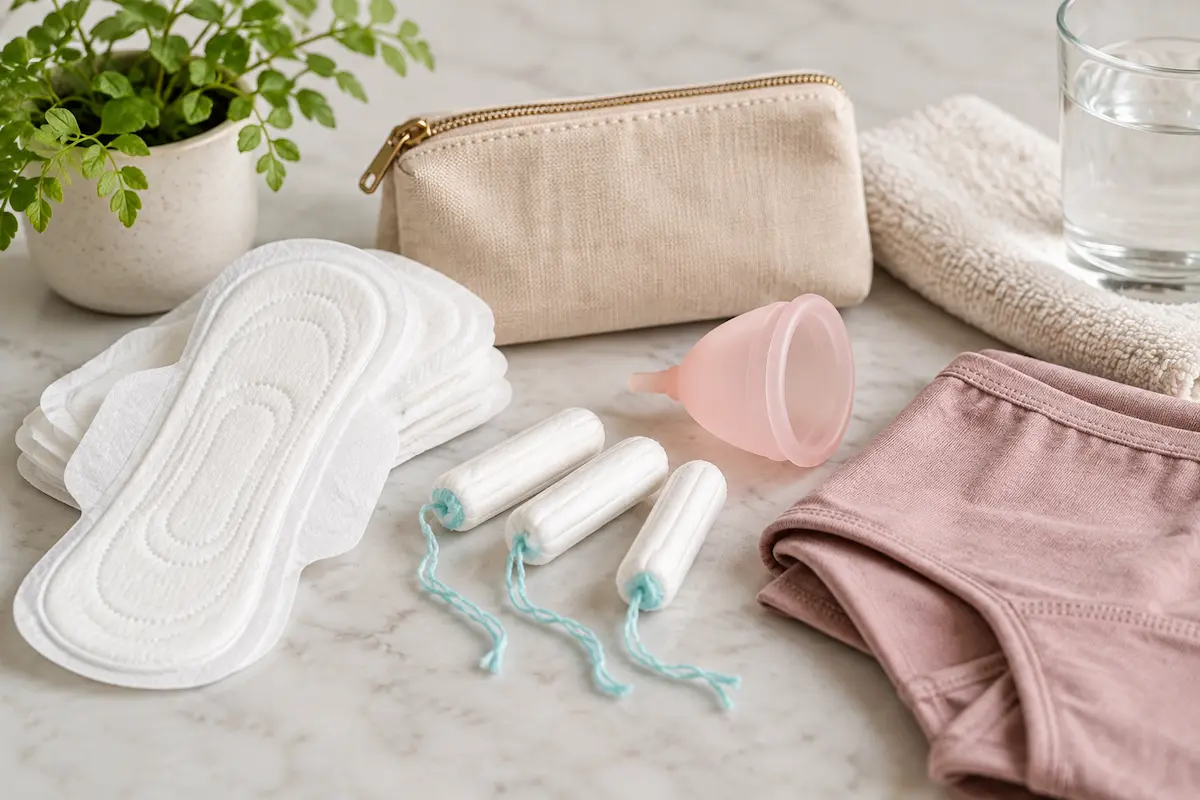
Your period is a normal part of life, but that doesn’t mean you have to put up with constant discomfort, irritation, or feeling unclean during those days.
Sometimes, the smallest habits make the biggest difference. Changing a pad before it becomes soaked, washing your hands before handling a menstrual cup, or simply avoiding scented products can help you stay more comfortable throughout your period.
Good menstrual hygiene isn’t about using more products or following a complicated routine. It’s mainly about keeping the vulva clean and dry, changing menstrual products regularly, and using them correctly.
In this guide, you’ll find simple, practical ways to make your period more comfortable and avoid common hygiene mistakes.
How to Practice Good Menstrual Hygiene
Good menstrual hygiene comes down to a few simple habits that can make your period more comfortable and help you avoid common hygiene mistakes.
1. Change Your Menstrual Product Regularly
Changing your period product regularly is one of the simplest ways to maintain good menstrual hygiene. How often you need to change it depends on the product and your flow.
- Pads: Change them every few hours, even when your flow is light, and more often on heavy-flow days.
- Tampons: Change them every 4–8 hours and never wear one for more than 8 hours at a time. Use the lowest absorbency that meets your needs.
- Menstrual cups: Clean your cup every day after use. After your period ends, sanitize it as directed, such as by rinsing it thoroughly and boiling it for the recommended amount of time.
- Period underwear: Wash reusable period underwear according to the manufacturer’s instructions. Most can be machine washed, but cleaning methods may vary by product.
2. Wash Your Hands Before and After Handling Menstrual Products
Your hands come into contact with countless surfaces throughout the day, so it’s important to clean them before handling menstrual products.
Wash your hands with soap and water before and after using a menstrual product, including when inserting or removing a tampon, menstrual cup, or disc. This helps reduce the transfer of germs to your genital area.
3. Clean Your Vulva Gently
You don’t need to scrub or use special products to feel clean during your period. Gently wash the vulva—the external genital area—with warm water, and avoid scented products or harsh scrubbing.
Keep the inside of the vagina out of your cleansing routine. The vagina is self-cleaning, so there is no need to wash inside it or douche. Products or chemicals used internally can disrupt its natural balance and may increase the risk of irritation or infection.
When using the bathroom, wipe from front to back to help avoid transferring bacteria from the anus toward the genital area..
4. Choose Unscented Menstrual Products
Scented pads, tampons, liners, wipes, and sprays may seem like a good way to feel fresher during your period.
But fragrances can irritate sensitive skin, particularly when a product remains in contact with the vulva for several hours.
If you notice itching, burning, redness, or irritation after using fragranced products, switch to unscented alternatives.
You also don’t need to make your period smell like perfume. A mild natural odor from menstrual blood is normal.
5. Keep the Genital Area Dry
Periods can leave the skin around your vulva feeling damp, irritated, or uncomfortable, especially when you’re wearing a pad for several hours.
Change your menstrual product when it becomes damp or uncomfortable, and gently pat the area dry after washing. If your underwear gets sweaty or wet, change into a clean, dry pair.
Skip powders, sprays, and deodorants—you don’t need them to keep the area dry or fresh.
6. Wear Clean, Breathable Underwear
Your underwear sits directly against the skin around the vulva, so comfort and breathability matter.
Choose clean, breathable underwear, such as cotton, especially if you tend to sweat or experience irritation during your period. Tight or non-breathable fabrics can trap heat and moisture, which may make the area feel uncomfortable.
Change your underwear whenever it becomes damp, sweaty, or heavily stained.
You don’t need a special type of underwear for your period. Focus on keeping it clean, comfortable, and reasonably dry.
7. Use Tampons Safely
Tampons can be convenient, especially for exercise or swimming, but how you use them matters.
Choose a tampon with the lowest absorbency that adequately manages your flow. Your bleeding can change throughout your period, so you may need a different absorbency on heavier or lighter days.
Never leave a tampon in for more than 8 hours. Changing it every 4–8 hours can help reduce the risk of toxic shock syndrome (TSS), a rare but serious condition associated with tampon use.
Know the warning signs. Sudden high fever, vomiting, diarrhea, muscle aches, nausea, or a rash while using a tampon can be symptoms of TSS. Remove the tampon and seek urgent medical attention if these symptoms occur.
8. Clean Reusable Menstrual Products Properly
Reusable products such as menstrual cups and discs can be convenient, but they need proper cleaning between uses.
Wash your hands before handling the product. After emptying a cup or disc, clean it according to the manufacturer’s instructions.
Many menstrual cups should also be sanitized between periods, often by boiling them for one to two minutes. Follow the specific instructions for your disc, as cleaning and sanitizing methods can vary by product.
Avoid harsh chemicals or cleaning methods that aren’t recommended by the manufacturer. Proper care helps keep reusable products clean and in good condition.
9. Dispose of Disposable Products Correctly
Used pads, tampons, and liners should be wrapped in toilet paper, tissue, or other suitable material and placed in a trash bin.
Never flush menstrual products down the toilet. They don’t break down like toilet paper and can contribute to clogged pipes and sewage problems.
Keeping a small disposal bag or covered bin nearby can make changing products more convenient.
For reusable products such as cups and discs, follow the cleaning and storage instructions instead of throwing them away after each use.
10. Wipe From Front to Back
After using the toilet, wipe from front to back rather than back to front. This helps reduce the chance of transferring bacteria from the anal area toward the urethra and vagina.
It’s a simple habit that can help protect your genital area during your period and throughout the rest of the month. Gentle wiping is enough—there’s no need to scrub or wipe aggressively.
11. Stay Hydrated
Drink enough fluids throughout the day. This can help flush your urinary tract and may help prevent infections, including yeast infections.
12. Track Your Period
Tracking your period can help you understand what’s normal for you. Note when your bleeding starts, how long it lasts, how heavy it is, and any symptoms such as cramps or other discomfort.
If your periods are irregular, unusually heavy, very painful, or your symptoms interfere with your usual activities, keeping a record can give you useful information to discuss with your healthcare provider.
You can track your cycle on a calendar or with a period-tracking app. After a few months, you may start to notice patterns or changes in your cycle.
13. Know When Something Isn’t Normal
Not every uncomfortable sensation during your period means something is wrong.
Mild cramping, tiredness, breast tenderness, and changes in vaginal discharge can occur as part of the menstrual cycle.
But some symptoms shouldn’t simply be blamed on menstruation.
Pay attention to:
- A strong or unusual vaginal odor
- Persistent itching
- Unusual pain
- Unusual discharge
- Pain when urinating
- Persistent pelvic pain
- Symptoms that continue after your period ends
These symptoms can have several possible causes, including infections or other vaginal and reproductive health conditions.
If something feels noticeably different from your usual cycle or doesn’t improve, it’s better to get it checked than to try to mask the symptoms with scented products or extra washing.
How to Stay Comfortable During Your Period
Good menstrual hygiene isn’t just about preventing problems—it should also make your period easier and more comfortable to manage.
Keep a few spare menstrual products with you if your flow is unpredictable.
Choose an absorbency that matches your flow rather than using a higher-absorbency product than you need.
If pads cause friction or irritation, try a different type or material. And if tampons feel uncomfortable, you don’t have to force yourself to use them. Pads, menstrual cups, discs, and period underwear are all options.
The best menstrual product is the one that suits your flow, feels comfortable, and can be used safely.
The Bottom Line
Menstrual hygiene doesn’t need to be complicated. Change your products regularly, wash your hands before and after handling them, clean the vulva gently, and avoid douching and fragranced products.
Most importantly, pay attention to changes that aren’t normal for you. Persistent itching, burning, unusual odor, abnormal discharge, or significant pain shouldn’t simply be dismissed as part of your period.