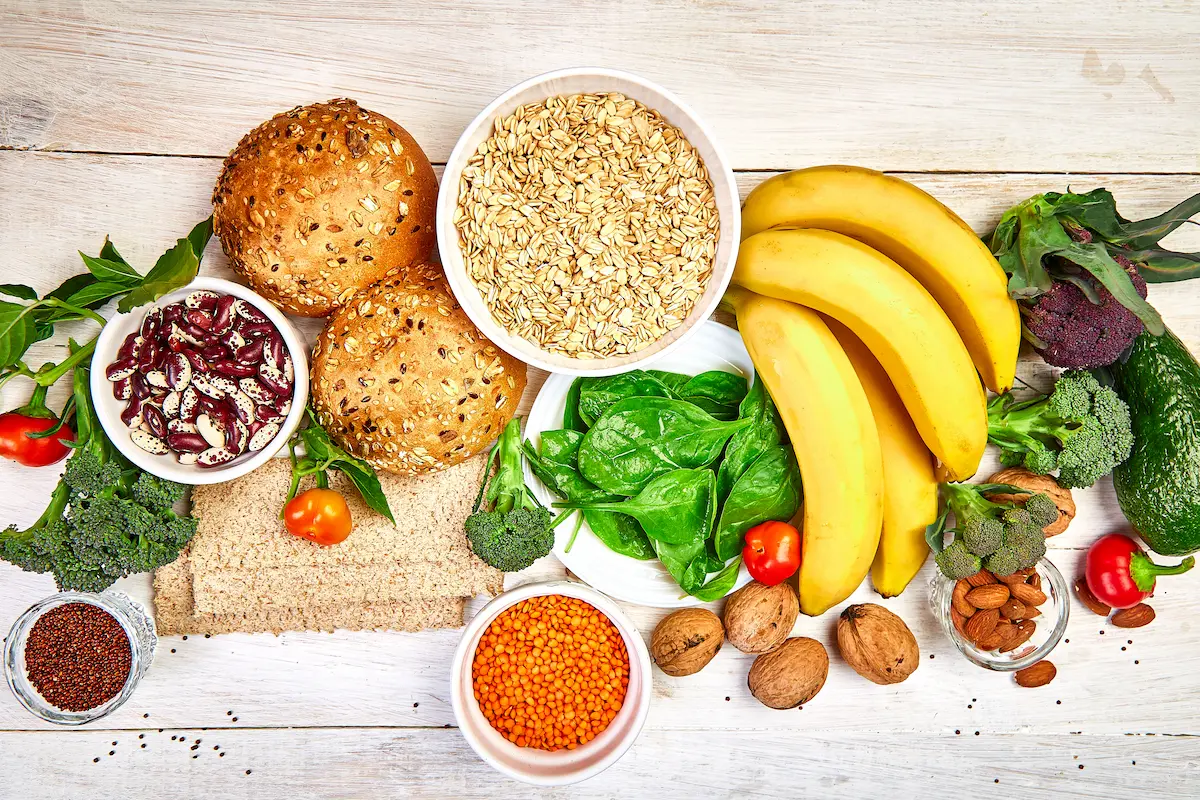
Pregnancy can change your digestion in ways you may not expect. Constipation, bloating, and feeling uncomfortably full can become common, especially as pregnancy progresses.
Fiber can help keep things moving, but getting enough isn’t always easy when your appetite, food preferences, and digestion are changing. The good news is that you don’t need a complicated diet to increase your fiber intake.
From berries and pears to oats, beans, chia seeds, and whole grains, there are plenty of pregnancy-friendly foods that can add more fiber to your day. And getting enough fiber isn’t just about digestion—it can support several parts of a healthy pregnancy diet.
Benefits of Fiber During Pregnancy
Fiber is a type of carbohydrate that your body doesn’t fully digest. Instead, it passes through the digestive system and supports healthy bowel function. Fiber is found naturally in plant foods, including fruits, vegetables, beans, lentils, whole grains, nuts, and seeds.
During pregnancy, fiber can support several aspects of health:
Fiber Helps Relieve and Prevent Constipation
Constipation is common during pregnancy, and it can sometimes feel like your digestive system has slowed to a crawl.
Hormonal changes can slow movement through the digestive tract, while the growing uterus may put pressure on the bowel. Iron supplements, reduced physical activity, changes in eating habits, and not drinking enough fluids can also contribute.
Fiber can help support regular bowel movements. Insoluble fiber, found in whole grains, vegetable skins, and many vegetables, increases stool bulk and helps reduce intestinal transit time. Soluble fiber, found in foods such as oats, beans, apples, and chia seeds, absorbs water and forms a gel that can help support stool consistency and digestive regularity.
In a study of 40 pregnant women with constipation during the third trimester, adding 10 grams of supplemental fiber per day from either a corn-based biscuit or wheat bran increased bowel movement frequency and resulted in softer stools compared with no intervention.
A Cochrane review reported about 2.24 additional bowel movements per week with fiber supplementation. However, the evidence is limited because the finding came from one small study.
The key is to increase fiber gradually rather than all at once. Drinking enough fluids as you increase your fiber intake can also help your digestive system adjust. Suddenly adding a large amount of fiber may instead leave you dealing with more gas, bloating, or discomfort.
If constipation is severe, persistent, painful, or doesn’t improve with dietary and lifestyle changes, talk with your healthcare provider.
Fiber May Help Support Healthy Blood Sugar Levels
Fiber can help support steadier blood sugar levels after meals.
A meta-analysis of 20 trials involving 1,061 pregnant women with diabetes showed that higher fiber intake lowered fasting and post-meal blood glucose and reduced the likelihood of needing insulin. However, most studies had a high risk of bias.
Fiber isn’t a treatment for gestational diabetes by itself. However, incorporating more fiber-rich foods into a balanced diet may support blood sugar management.
Another meta-analysis found that fiber supplementation improved blood sugar and blood lipid levels in women with gestational diabetes. Insoluble fiber appeared more effective for fasting glucose, while 12 grams or more of fiber per day may provide greater benefits, although more research is needed.
If you have gestational diabetes or have been advised to monitor your blood sugar, follow individualized guidance from your healthcare provider or registered dietitian.
Fiber Can Support Healthy Weight Management
Fiber can make a meal feel more satisfying. Many high-fiber foods take longer to chew, while some types of fiber absorb water and expand, which may help you feel fuller for longer.
During pregnancy, however, fullness should never be about eating less or preventing weight gain. Your body needs adequate nutrition, and the amount of weight you should gain depends on factors such as your pre-pregnancy BMI and whether you’re carrying one baby or multiples.
Some research suggests that healthier dietary patterns rich in vegetables, fruits, nuts, legumes, and fish, and lower in added sugar and red or processed meat, may be associated with lower gestational weight gain, although the evidence is limited.
Think of fiber as one part of a satisfying, balanced pregnancy diet—not a tool for restricting food. Pair fiber-rich foods with protein and healthy fats to build a more satisfying meal. For example:
- Beans with vegetables and avocado
- Oatmeal with Greek yogurt and berries
- Whole-grain toast with eggs
- A pear with nuts
- Lentil soup with whole-grain bread
Fiber Helps You Build a More Nutrient-Dense Pregnancy Diet
Many high-fiber foods also provide nutrients needed during pregnancy. Beans and lentils provide plant protein, iron, and folate. Fruits and vegetables provide vitamins, minerals, antioxidants, and fluids. Whole grains provide carbohydrates for energy along with nutrients such as magnesium and B vitamins.
Choosing fiber-rich foods can therefore help improve the overall quality of your diet, not just your bowel habits.
How Much Fiber Do You Need During Pregnancy?
According to the American Pregnancy Association, pregnant women should aim for about 25–30 grams of fiber per day.
Rather than trying to reach that amount in one meal, spread fiber throughout the day. If you’re not used to eating much fiber, increase it gradually and drink plenty of fluids as you do so.
High-Fiber Foods for Pregnancy
The fiber amounts below are approximate and can vary depending on the food’s size, brand, preparation method, and serving size. Use nutrition labels when available.
Legumes and Beans
- Lentils (1 cup cooked): 15.6 g
- Black beans (1 cup cooked): 15 g
- Kidney beans (1 cup cooked): 11 g
- Chickpeas (1 cup cooked): 12.5 g
- Navy beans (1 cup cooked): 19 g
- Edamame (1 cup cooked, shelled): 8 g
Beans and legumes are excellent sources of fiber and also provide plant protein, folate, iron, and other nutrients. Add them to soups, curries, salads, tacos, grain bowls, or rice dishes.
If beans cause bloating, start with smaller portions and increase gradually.
Fruits
- Raspberries (1 cup): 8 g
- Blackberries (1 cup): 7.6 g
- Pear (1 medium): 5.5 g
- Avocado (½ medium): 6.7 g
- Apple (1 medium): 4.2 g
- Pomegranate arils (½ cup): 3.5 g
- Orange (1 medium): 3 g
- Banana (1 medium): 2 g
A little food-safety step goes a long way during pregnancy. Wash fruits and vegetables thoroughly under running water before eating, cutting, or peeling them. Avoid soap or cleaning products, and remove bruised or damaged areas.
During pregnancy, good produce hygiene is especially important because unwashed fruits and vegetables can carry germs or parasites that may be harmful to you or your baby.
Vegetables
- Green peas (1 cup cooked): 9 g
- Brussels sprouts (1 cup cooked): 4 g
- Broccoli (1 cup cooked): 5 g
- Carrots (1 cup cooked): 4.7 g
- Sweet potato (1 medium baked): 3.8 g
- Artichoke hearts (1 cup cooked): 9.6 g
- Green beans (1 cup cooked): 4 g
- Cauliflower (1 cup cooked): 3 g
- Spinach (1 cup cooked): 4.3 g
Roast, steam, or add vegetables to soups, stir-fries, grain bowls, and other meals.
Whole Grains
- Barley (1 cup cooked): 6 g
- Quinoa (1 cup cooked): 5.2 g
- Oatmeal (1 cup cooked): 4 g
- Brown rice (1 cup cooked): 3.5 g
- Air-popped popcorn (3 cups): 3.6 g
- Whole-grain bread (1 slice): 1.8 g
Whole grains can be an easy way to increase fiber throughout the day. Choose whole-grain breads, cereals, and other grains more often than refined versions when possible.
FDA specifically includes oats, brown rice, popcorn, quinoa, whole-wheat bread, and other whole grains among foods appropriate during pregnancy.
Nuts and Seeds
- Chia seeds (1oz): 9.8 g
- Almonds (1 oz): 3.5 g
- Pistachios (1 oz): 3 g
- Sunflower seeds (1 oz): 2 g
- Walnuts (1 oz): 1.5 g
- Pumpkin seeds (1 oz): 1.7 g
Nuts and seeds provide fiber along with unsaturated fats, protein, and other nutrients. Add them to oatmeal, yogurt, salads, smoothies, or homemade trail mix.
Dried Fruit
Dried fruit can be convenient when fresh fruit isn’t available, but it is more concentrated, so portions are smaller than those of fresh fruit. Prunes are also a convenient fiber-rich option when constipation is an issue.
The Bottom Line
Getting enough fiber during pregnancy doesn’t require a special diet. Aim for about 25–30 grams a day by regularly including beans, lentils, fruits, vegetables, whole grains, chia seeds, and nuts.
Increase fiber gradually, drink enough fluids, and spread it throughout the day.
If constipation becomes persistent or severe, talk with your healthcare provider rather than continuing to add more fiber.