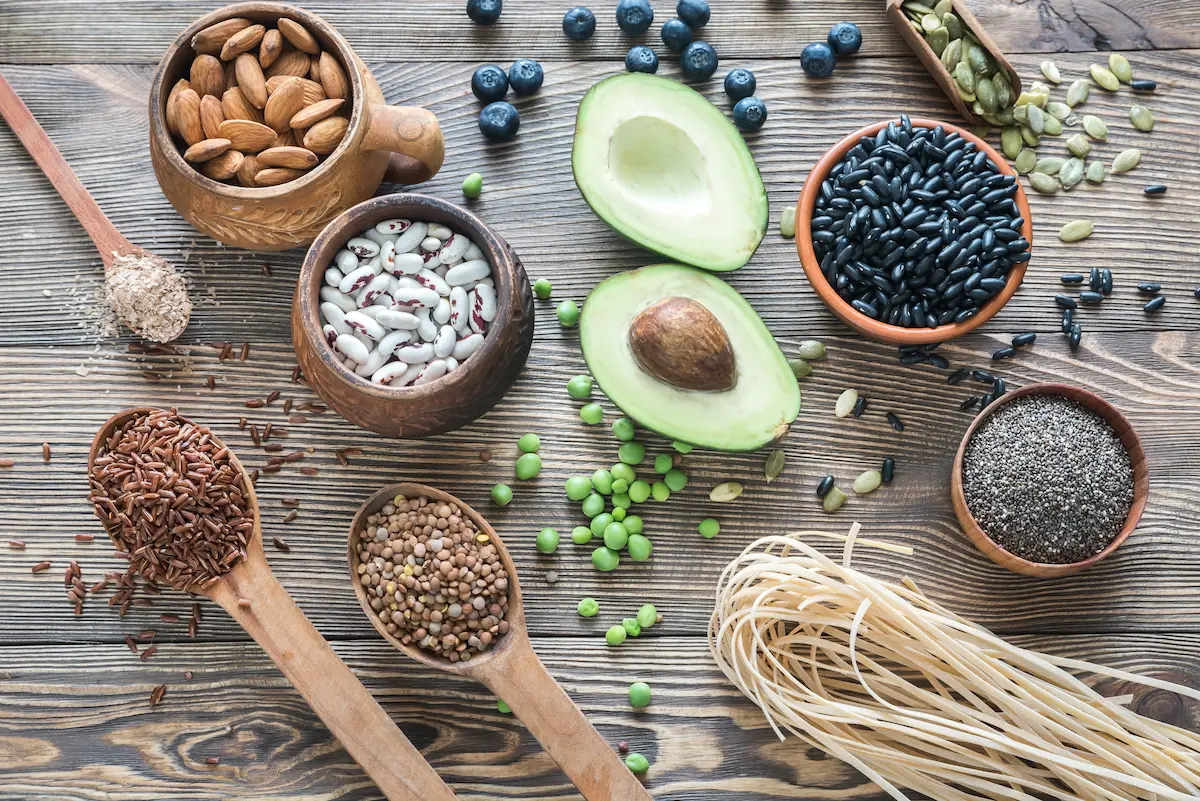
Managing diabetes isn’t just about avoiding sugar. Choosing the right foods can help keep blood sugar levels steadier, support heart health, and improve overall well-being. One nutrient that plays an important role is fiber.
Fiber slows the digestion and absorption of carbohydrates, helping reduce blood sugar spikes after meals while keeping you full for longer. It also supports gut health and healthy cholesterol levels.
In this article, you’ll discover the best high-fiber foods for diabetes, how they support healthy blood sugar levels, and why they deserve a place in your diet.
How Does Fiber Help People with Diabetes?
Fiber is a type of carbohydrate that your body cannot fully digest. Instead of being broken down and absorbed, it moves through the digestive system, slowing the digestion and absorption of carbohydrates. This helps reduce blood sugar spikes after meals and supports overall metabolic health.
A high-fiber diet may also help:
- Increase fullness and support healthy weight management
- Support healthy cholesterol levels
- Help relieve constipation
- Nourish beneficial gut bacteria
- Support heart health
Most adults should aim for 25–38 grams of fiber per day, but many people consume much less than this.
High Fiber Foods That Help Manage Blood Sugar
The following foods are among the best sources of fiber and can be valuable additions to a diabetes-friendly diet.
1. Beans and Legumes
Few foods offer a better combination of fiber, plant protein, and slow-digesting carbohydrates than beans and legumes, making them one of the best choices for people with diabetes.
Depending on the variety, cooked beans and legumes provide about 10–16 g of fiber per cup. Lentils, black beans, white beans, kidney beans, and chickpeas are among the richest sources.
Their high fiber and protein content helps slow carbohydrate digestion, promoting a more gradual rise in blood sugar after meals.
A review of 41 trials found that regularly eating beans, lentils, chickpeas, and other legumes improved fasting blood sugar, insulin levels, and long-term blood sugar control (HbA1c), particularly when included as part of a low-glycemic or high-fiber diet.
However, researchers note that more high-quality long-term studies are still needed.
2. Oats
Starting your morning with oats is one of the simplest ways to increase your fiber intake.
One cup (234 g) of cooked oats provides about 4 g of fiber.
Oats are particularly rich in beta-glucan, a type of soluble fiber that helps slow digestion and has been shown to support healthy blood sugar and cholesterol levels.
A meta-analysis found that eating oats or oat beta-glucan modestly improved fasting blood sugar, HbA1c, post-meal blood sugar, and insulin resistance in adults with type 2 diabetes.
While promising, researchers note that more long-term, high-quality studies are needed.
3. Flaxseeds
Adding a spoonful of ground flaxseeds to your breakfast is an easy way to increase your daily fiber intake.
Just 2 tablespoons (14 g) of ground flaxseeds provide about 4 g of fiber.
Flaxseeds are also rich in plant-based omega-3 fatty acids, lignans, magnesium, and protein, making them a nutrient-dense addition to a balanced diet.
In one review, flaxseed supplementation improved fasting blood sugar, HbA1c, fasting insulin, and insulin resistance in people with prediabetes or type 2 diabetes. However, more studies are needed to determine the most effective dose and method of supplementation.
4. Chia Seeds
Despite their tiny size, chia seeds are among the richest sources of dietary fiber.
Just an ounce serving (28 g) provides approximately 10 g of fiber.
Chia seeds also supply plant-based omega-3 fatty acids, calcium, magnesium, phosphorus, and protein.
When mixed with liquid, their soluble fiber forms a gel-like consistency that slows digestion, promotes fullness, and helps reduce the rate at which carbohydrates are absorbed. One popular way to enjoy them is as chia seed water.
While chia seeds are an excellent source of fiber, evidence that they directly improve blood sugar control is limited.
A 2024 review found no significant improvements in fasting blood sugar, HbA1c, or insulin levels, although the available studies were small and varied in design. More high-quality research is needed.
5. Nuts
Nuts are a convenient, satisfying snack that can help increase your daily fiber intake.
Depending on the variety, a 28 g (1-ounce) serving provides around 2–4 g of fiber. Almonds, pistachios, walnuts, and pecans are among the best choices.
Besides fiber, nuts are rich in heart-healthy unsaturated fats, plant protein, magnesium, vitamin E, and other beneficial nutrients.
The combination of fiber, healthy fats, and protein helps slow digestion, promotes fullness, and supports a more gradual rise in blood sugar after meals.
A review of 12 trials found that eating tree nuts lowered fasting blood sugar and HbA1c in people with type 2 diabetes. However, most studies were short-term and of low quality, so more high-quality, long-term research is needed to confirm these benefits.
6. Avocados
Creamy, satisfying, and naturally low in sugar, avocados are one of the best fruits for increasing your fiber intake.
A 150 g serving provides around 10 g of fiber, along with heart-healthy monounsaturated fats, potassium, folate, and vitamin E.
The combination of fiber and healthy fats helps slow digestion, promote fullness, and support a more gradual rise in blood sugar after meals.
Unlike many fruits, avocados are naturally low in carbohydrates, making them an excellent choice for people with diabetes.
7. Whole Grains
Whole grains are a healthier alternative to refined grains because they retain the fiber-rich bran and nutrient-packed germ.
Depending on the variety, whole grains provide around 3–10 g of fiber per cooked cup. Good choices include quinoa, barley, bulgur, brown rice, farro, and whole wheat.
Their fiber helps slow carbohydrate digestion, promoting a more gradual rise in blood sugar after meals. Whole grains also provide B vitamins, magnesium, iron, selenium, and other essential nutrients.
Research supports these benefits. A 2021 review found that increasing whole-grain intake improved fasting blood sugar, HbA1c, and insulin resistance in people with diabetes.
8. Broccoli
Broccoli is a nutritious, fiber-rich vegetable that fits well into a diabetes-friendly diet.
One cup (156 g) of cooked broccoli provides around 5.1 g of fiber.
Besides fiber, broccoli is rich in vitamins C and K, folate, and potassium. It also contains glucosinolates, natural plant compounds that are converted into sulforaphane when broccoli is chopped or chewed.
Sulforaphane has attracted attention for its potential role in metabolic health. Research from laboratory, animal, and human studies suggests it may help improve insulin sensitivity, lower fasting blood sugar, and reduce oxidative stress.
However, most human studies have used sulforaphane, so more research is needed to determine whether eating whole broccoli provides the same benefits.
Lightly steaming broccoli helps preserve the enzyme needed to produce sulforaphane. Pairing cooked broccoli with myrosinase-rich foods, such as mustard seed powder, may also increase sulforaphane formation.
9. Sweet Potatoes
Sweet potatoes are a naturally fiber-rich source of complex carbohydrates that can fit well into a diabetes-friendly diet.
One medium sweet potato with the skin (114 g) provides 3.8 g of fiber.
The combination of fiber and complex carbohydrates helps slow digestion and supports a more gradual rise in blood sugar after meals.
Sweet potatoes are also packed with vitamin A, vitamin C, potassium, and manganese, while keeping the skin on adds even more fiber.
10. Raspberries
Few fruits pack as much fiber into such a small serving as raspberries.
A single cup (123 g) of raspberries provides 8 g of fiber.
Raspberries are naturally low in sugar compared with many other fruits and are loaded with vitamin C, manganese, and anthocyanins, antioxidant compounds that help protect cells from oxidative stress.
While raspberries are an excellent source of fiber and other nutrients, current research has not shown significant improvements in blood sugar control. More high-quality studies are needed.
While increasing your fiber intake is an important step, it’s only one part of managing diabetes. You can also explore other foods that may help support healthy blood sugar levels.
Tips for Eating More Fiber with Diabetes
Increasing your fiber intake can be beneficial, but it’s best to do so gradually. Eating too much fiber too quickly may lead to bloating, gas, or abdominal discomfort, especially if your current diet is low in fiber.
Here are a few simple ways to add more fiber to your meals while supporting healthy blood sugar levels.
Increase your fiber intake gradually
Give your digestive system time to adjust by adding one or two high-fiber foods at a time rather than making drastic changes overnight.
Drink plenty of water
Fiber absorbs water as it moves through the digestive tract. Staying well hydrated helps fiber work effectively and may reduce the risk of constipation.
Choose whole foods more often
Whenever possible, replace refined grains with whole grains, include legumes several times a week, and choose whole fruits instead of fruit juice.
Pair carbohydrates with protein and healthy fats
Combining fiber-rich carbohydrates with foods like Greek yogurt, eggs, fish, nuts, seeds, or avocado can help create balanced meals that are both satisfying and nutritious.
Read nutrition labels
When buying packaged foods, look for products that provide at least 3 grams of fiber per serving and contain little or no added sugar.
Learn more: 12 Simple ways to keep blood sugar levels stable naturally
Foods to Limit if You Have Diabetes
Adding more fiber is only one part of healthy blood sugar management. It’s equally important to limit foods that are low in fiber and high in refined carbohydrates or added sugars.
These include:
- Sugar-sweetened beverages
- Candy and sweets
- Pastries, doughnuts, and cakes
- White bread and refined pasta
- Sugary breakfast cereals
- Chips and other highly processed snack foods
- Sweetened fruit juices
- Highly processed baked goods
You don’t have to eliminate these foods completely, but enjoying them less often and in smaller portions can help support healthier blood sugar levels.
The Bottom Line
Adding more fiber-rich foods to your diet is a practical step toward better blood sugar management and overall health.
Instead of focusing on one “superfood,” aim to enjoy a variety of legumes, whole grains, fruits, vegetables, nuts, and seeds as part of a balanced eating pattern.
Over time, these small, consistent choices can make a meaningful difference in supporting long-term diabetes management.