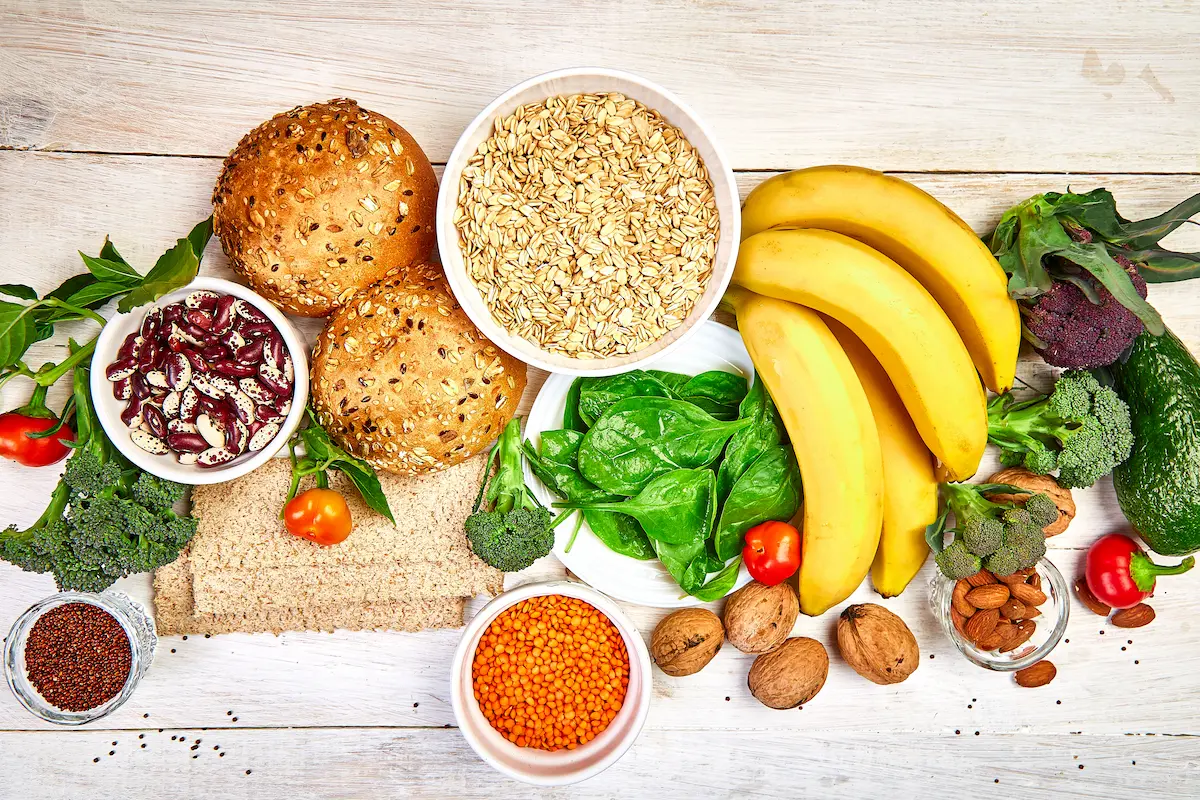
Fiber is often associated with one thing: staying regular. But that is only a small part of what this nutrient can do.
The right amount of fiber can help keep your digestion moving, support healthy gut bacteria, make meals more filling, and contribute to healthy blood sugar and cholesterol levels. Yet many people still do not get enough from their everyday diet.
So, what exactly does fiber do—and why does it matter so much for your health?
What Is Fiber?
Fiber is a type of carbohydrate found naturally in plant foods that your body does not fully digest. Instead, it passes through the digestive system and can affect digestion, bowel movements, and gut bacteria.
Fiber is often grouped into two types:
Soluble fiber dissolves in water and can form a gel-like substance. Certain soluble fibers can slow digestion and may help support healthy blood sugar and cholesterol levels.
Insoluble fiber does not dissolve in water and can add bulk to stool, helping support regular bowel movements.
Many plant foods contain both types, so you don’t need to worry about getting a perfect balance. Eating a variety of fruits, vegetables, whole grains, legumes, nuts, and seeds is a simple way to get different types of fiber.
Benefits of Fiber
Getting a variety of plant foods can help you get different types of fiber. But fiber does more than support regular bowel movements—it can benefit several aspects of your health.
1. Helps Prevent Constipation
One of the best-known benefits of fiber is its ability to support regular bowel movements and help relieve constipation.
Fiber can increase stool bulk, while certain types can help soften stool and make it easier to pass.
A review of 16 studies found that fiber supplementation improved constipation, increased stool frequency, and improved stool consistency. However, the benefits may vary depending on the type and amount of fiber consumed.
If constipation is a recurring problem, gradually increasing fiber from foods such as vegetables, fruits, beans, lentils, whole grains, nuts, and seeds may help. Drink fluids regularly as you increase your fiber intake, especially if you’re adding much more fiber than usual.
Learn more: 18 high-fiber foods that may help relieve constipation
2. Supports a Healthy Gut Microbiome
Your digestive tract is home to trillions of microorganisms, and many beneficial gut bacteria feed on certain types of fiber.
Some dietary fibers remain undigested and are fermented by gut bacteria. These fibers can act as prebiotics, providing food for beneficial bacteria. During fermentation, bacteria produce compounds called short-chain fatty acids (SCFAs), which play a role in digestion, immunity, and metabolism.
However, the amount and type of SCFAs produced can vary depending on the type, structure, and amount of fiber consumed.
This is one reason dietary variety matters. Eating a wide range of vegetables, fruits, legumes, whole grains, nuts, and seeds can provide your gut bacteria with different types of fiber and other plant compounds.
3. May Help With Weight Management
Fiber can make meals more filling, which may help you stay satisfied for longer and reduce how much you eat later.
Certain soluble, viscous fibers can slow gastric emptying and increase feelings of fullness.
A meta-analysis found that viscous fiber modestly reduced body weight, BMI, and waist circumference without calorie restriction. Greater reductions in body weight were observed in people with overweight, diabetes, or metabolic syndrome.
Fiber isn’t a weight-loss treatment by itself, but it can be part of an eating pattern that supports healthy weight management.
4. May Help Reduce Chronic Inflammation
Inflammation is a normal part of the body’s defense system, but chronic, low-grade inflammation is often associated with obesity and metabolic health problems. What you eat may influence this process, and fiber could be one part of the picture.
A meta-analysis showed that dietary fiber slightly reduced C-reactive protein (CRP), a marker of inflammation, in overweight and obese adults. The reduction was significant when daily fiber intake was at least 8 grams higher than in the control group.
Still, fiber isn’t an anti-inflammatory treatment by itself. A diet rich in vegetables, fruits, legumes, whole grains, nuts, and seeds provides fiber along with other beneficial plant compounds that can support overall metabolic health.
Learn more: How to reduce inflammation naturally
5. May Help Manage Blood Sugar Levels
Fiber can influence how quickly carbohydrates are digested and absorbed, which may affect how much blood sugar rises after a meal.
Certain types of soluble, viscous fiber can slow digestion and glucose absorption. A meta-analysis of 28 trials on people with type 2 diabetes found that viscous fiber improved HbA1c, fasting blood glucose, and insulin resistance.
However, the effects are not the same for every type of fiber. A 2023 review found that soluble fiber had mixed effects on post-meal blood sugar, while resistant starch appeared more promising for reducing glucose responses.
Higher fiber intake, particularly from cereals, may also be linked to a lower risk of developing type 2 diabetes.
6. May Support Healthy Cholesterol and Heart Health
Certain types of soluble fiber can help lower LDL cholesterol.
Soluble fiber, particularly viscous types, can reduce the reabsorption of bile acids in the digestive tract. The liver then uses cholesterol to make more bile acids, which can contribute to lower levels of circulating LDL cholesterol.
The evidence is encouraging. A review of 181 studies involving 14,505 adults found that soluble fiber supplementation lowered LDL and total cholesterol, triglycerides, and Apo-B. Each additional 5 g of soluble fiber per day reduced LDL by about 5.6 mg/dL and total cholesterol by 6.1 mg/dL.
Fiber-rich foods also tend to provide potassium, magnesium, antioxidants, and other nutrients that support overall heart health.
In fact, higher fiber intake has also been associated with lower risks of cardiovascular disease, coronary heart disease, stroke, and cardiovascular death.
7. May Lower the Risk of Colorectal Cancer
Higher dietary fiber intake has been associated with a lower risk of colorectal cancer.
An umbrella review of 45 meta-analyses found convincing evidence that higher dietary fiber intake was associated with a lower risk of colorectal cancer. The evidence remained consistent after sensitivity analyses, although more research is needed on specific foods and dietary patterns.
However, this does not mean fiber alone prevents cancer, as overall diet and lifestyle also matter.
How Much Fiber Do You Need?
Your daily fiber needs depend on your age, sex, and calorie needs.
For women, the general recommendation is about 25 grams of fiber per day, while men generally need about 38 grams.
You don’t need to hit the exact number every day. Instead, aim to include a variety of fiber-rich foods throughout the day.
How to Increase Fiber Without Feeling Bloated
If your current diet is low in fiber, increase it gradually.
Going from very little fiber to a high-fiber diet overnight can cause gas, bloating, and abdominal discomfort.
Instead, try adding one change at a time:
- Add fruit to breakfast.
- Replace refined grains with whole grains.
- Add beans or lentils to one meal.
- Include an extra serving of vegetables each day.
- Sprinkle chia or flaxseeds over yogurt or oatmeal.
- Choose whole fruit instead of fruit juice.
And remember to drink enough fluids as you increase your fiber intake.
What Happens If You Don’t Get Enough Fiber?
A consistently low-fiber diet can contribute to constipation and may mean you are missing out on fiber’s benefits for gut health, fullness, cholesterol, and blood sugar regulation.
It can also be a sign that your diet is low in plant foods overall.
If your meals rarely contain vegetables, fruits, legumes, whole grains, nuts, or seeds, gradually adding more of these foods is a simple place to start.
The Bottom Line
Fiber does far more than keep your bowel movements regular. It can support digestion, nourish beneficial gut bacteria, help you feel full, and contribute to healthy blood sugar and cholesterol levels.
The easiest way to get more is not to search for a single superfood. Build your meals around a variety of vegetables, fruits, beans, lentils, whole grains, nuts, and seeds.
Increase your intake gradually, drink enough fluids, and let fiber become a regular part of your diet rather than something you only think about when constipation strikes.