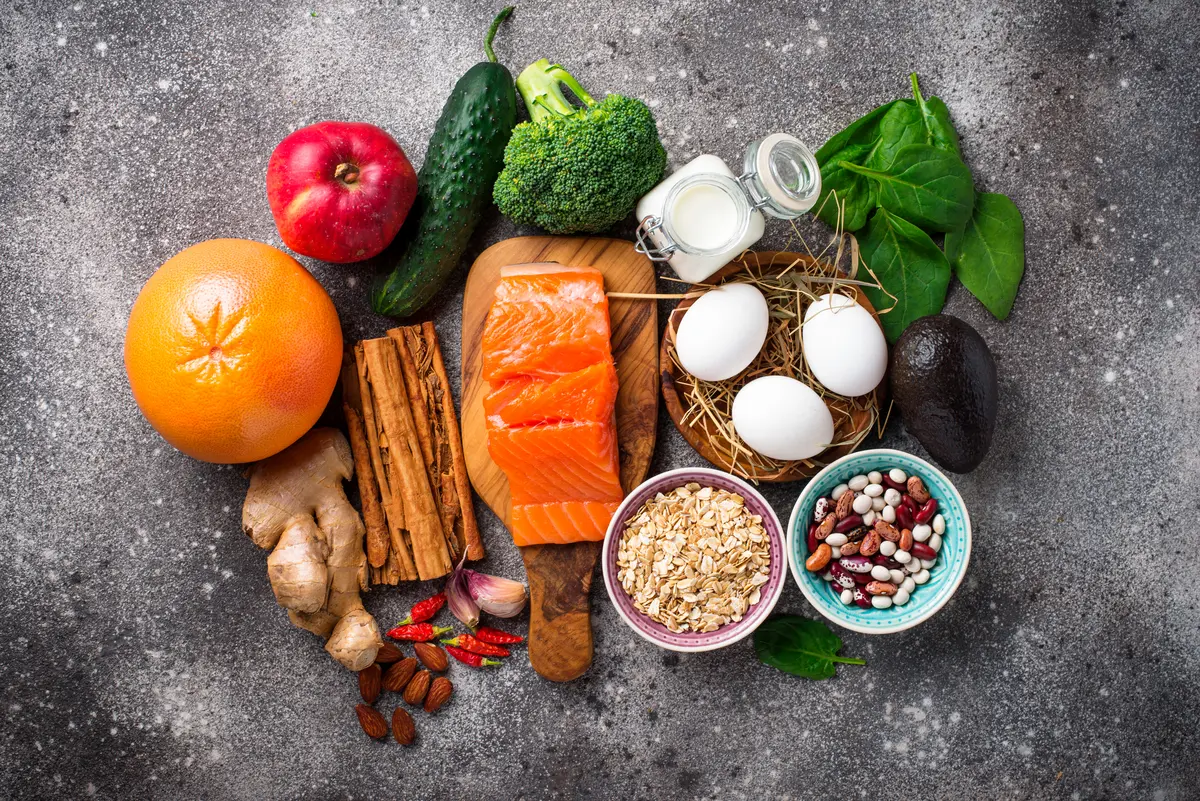
Most people searching for fat burning foods are hoping to find a shortcut to weight loss. The truth is simpler. No single food melts body fat overnight. Your body burns fat when it needs energy, and that happens when your daily habits support a healthy metabolism.
Some foods can make that process easier. They may help you feel full longer, stabilize blood sugar, increase the calories burned during digestion, or slightly boost metabolic activity. These small effects add up over time.
Foods rich in protein, fiber, and certain natural compounds tend to support fat burning the most. Protein requires more energy to digest, fiber slows hunger signals, and some plant compounds slightly increase calorie burning.
The key is consistency. When these foods become part of your regular meals, they help create an environment where your body burns fat more efficiently.
This article looks at some of the best fat burning foods that can support metabolism, reduce hunger, and make weight management easier.
Best Fat Burning Foods
Here are 15 foods that can naturally support fat burning and healthy weight management.
1. Green Tea
Green tea is well known for its metabolism-supporting properties. It contains natural antioxidants called catechins along with small amounts of caffeine.
These compounds may increase fat oxidation, meaning the body uses more stored fat as energy. Green tea can also slightly increase calorie burning through thermogenesis.
Catechins may support this process by slowing the breakdown of norepinephrine, a hormone that helps the body burn fat. Caffeine may enhance this effect, which can further support thermogenesis and fat metabolism.
A review of 15 studies involving 499 participants found that green tea catechins (100–800 mg EGCG) may influence fat metabolism and reduce the respiratory quotient, which suggests the body uses more fat for energy.
However, results on resting metabolic rate and energy expenditure were mixed, so more research is needed to determine the optimal dose.
Drinking green tea regularly may support weight loss when combined with healthy eating habits.
2. Chili Peppers
Chili peppers contain capsaicin, the compound that gives them their spicy heat.
Capsaicin can increase metabolic activity and stimulate thermogenesis, the process where the body burns calories to generate heat. It may also increase fullness and reduce hunger, which can lower overall energy and fat intake.
A meta-analysis of 11 studies involving 609 participants found that chili pepper showed a small but nearly significant effect on reducing body weight.
Even small amounts of chili peppers added to meals may help support fat burning over time.
3. Oats
Oats are one of the best breakfast foods for weight management. They contain a soluble fiber called beta-glucan.
This fiber slows digestion, helps you feel full for longer, and stabilizes blood sugar levels, which can reduce hunger and prevent overeating.
Research also suggests oats may help regulate appetite hormones and improve body weight, body fat levels, and waist circumference.
Because oats digest slowly and support appetite control, they can help reduce overall calorie intake, which may support fat loss over time.
4. Greek Yogurt
Greek yogurt is rich in protein and beneficial probiotics. Protein helps preserve muscle mass during weight loss, which is important for maintaining a healthy metabolism.
Muscle tissue burns more calories than fat tissue, even at rest.
The probiotics in yogurt may support gut health. A study of over 1,000 adults found that people who regularly consumed yogurt had lower visceral fat and higher levels of beneficial gut bacteria such as Streptococcus thermophilus and Bifidobacterium lactis.”
5. Coffee
Coffee contains caffeine, a natural stimulant that can temporarily increase metabolic rate.
Caffeine stimulates the nervous system and helps maintain higher levels of norepinephrine, a hormone that signals fat cells to release stored fat into the bloodstream so it can be used for energy.
Coffee may also improve physical performance, which can help you burn more calories during exercise.
6. Fatty Fish
Fatty fish such as salmon, mackerel, and sardines are rich in protein and omega-3 fatty acids.
Protein helps keep you full and supports muscle maintenance during weight loss, which is important for maintaining a healthy metabolism.
Omega-3 fats may help regulate hormones that control hunger and fullness, increase satiety, and potentially support fat metabolism while helping preserve lean muscle.
7. MCT Oil
MCT oil contains medium-chain triglycerides, a type of fat that is absorbed and used for energy more quickly than most other fats. These fats are rapidly transported to the liver, where they can be used as a quick energy source.
A 2022 study found that sedentary adults with a BMI between 25 and 30 who consumed 2 grams of MCTs daily for two weeks experienced increased fat oxidation during low-intensity physical activity compared with those consuming long-chain fats.
Because MCTs are quickly used for energy, they may help increase fat burning during physical activity and support weight management when included in a balanced diet.
8. Avocados
Avocados are rich in monounsaturated fats and fiber. This combination helps slow digestion and increase feelings of fullness.
Research suggests that higher monounsaturated fat intake may increase satiety and fat burning, which has been linked with lower body weight, waist circumference, and body fat.
Fiber intake has also been associated with increased fullness and reductions in body weight and waist size.
Although avocados are calorie-dense, they can still support weight management because they reduce hunger and help prevent overeating.
9. Lentils
Lentils are rich in fiber, plant protein, and beneficial plant compounds. These nutrients slow digestion and help increase feelings of fullness.
Research suggests that lentils may help reduce food intake, body weight, and waist circumference. Their fiber and flavonoids enhance satiety, which can help lower overall calorie intake.
Some studies also show that lentils may slow the digestion and absorption of carbohydrates and fats, helping control post-meal blood sugar and energy intake.
Including lentils regularly in meals may therefore support healthy weight management over time.
10. Dark Chocolate
Dark chocolate comes from cocoa beans of the Theobroma cacao tree and contains fiber, minerals, caffeine, theobromine, and antioxidant polyphenols such as catechin and epicatechin.
These compounds may influence metabolism by reducing fatty acid synthesis, improving insulin sensitivity, and increasing thermogenesis and fat oxidation. Cocoa polyphenols may also affect enzymes involved in digestion and energy metabolism.
For the greatest benefits, choose dark chocolate that contains at least 70% cocoa, and enjoy it in moderation, about 1 ounce (28 grams) per day.
11. Ginger
Ginger contains natural compounds called gingerols that may help increase thermogenesis, a process where the body burns calories to produce heat.
Although small human studies show mixed results, animal and laboratory research suggests ginger may help improve energy expenditure, reduce weight gain, promote the browning of white adipose tissue (WAT), and support mitochondrial activity.
For example, a study comparing steam-processed ginger extract with regular ginger extract in mice fed a high-fat diet found that the steam-processed version showed stronger antioxidant and anti-obesity effects. It improved lipid levels, supported liver function, and reduced fat accumulation by influencing genes involved in fat metabolism.
12. Turmeric
Turmeric contains an active compound called curcumin, which has been widely studied for its potential effects on inflammation and metabolism.
Research suggests that curcumin may help the body burn fat and produce energy by activating several metabolic pathways.
A meta-analysis of nine randomized controlled trials involving 699 diabetic participants found that curcumin supplementation significantly reduced body weight, body mass index, and waist circumference, with stronger effects observed at doses above 1000 mg per day.
13. Cinnamon
Cinnamon contains cinnamaldehyde, the compound that gives it its flavor and may influence metabolism by helping regulate blood sugar and fat levels.
Small human trials found only minor effects on calorie burning or short-term food intake.
For instance, a study in 15 healthy participants found that cinnamaldehyde increased energy expenditure and maintained higher fat oxidation for about 90 minutes after ingestion compared with placebo. Unlike capsaicin, cinnamaldehyde was better tolerated while producing similar thermogenic effects.
Although human studies show only modest effects, animal research suggests cinnamon may increase heat production, reduce visceral fat, regulate appetite, and support fat metabolism.
14. Broccoli
Broccoli, a cruciferous vegetable, contains glucosinolates that convert into sulforaphane (SFN) in the body.
Animal and laboratory studies suggest SFN may support fat metabolism, increase thermogenesis, promote fat breakdown, encourage the browning of white fat, and support beneficial gut bacteria. However, human research is still limited.
A 100-g serving of fresh broccoli may provide about 37–75 mg of sulforaphane, although cooking and storage can reduce this amount.
15. Nuts
Nuts such as almonds, walnuts, and peanuts are rich in healthy fats, protein, fiber, vitamins, and antioxidants that support heart health and weight management.
Some studies suggest nuts may also influence energy balance.
In a study of 30 healthy participants who added either fruits or nuts to their diet for two months, only the nut group showed an increase in basal metabolic rate, although weight changes were similar between the two groups.
Other research found that walnut-rich meals increased diet-induced thermogenesis, while results for peanuts appear less consistent.
Final Thoughts
Fat burning foods are not miracle solutions, but they can make weight loss easier when included in a balanced diet.
Foods rich in protein increase calorie burning during digestion. Fiber-rich foods help control hunger. Certain natural compounds slightly increase metabolic activity.
When these foods replace highly processed snacks and refined carbohydrates, they naturally reduce overall calorie intake.
Long-term fat loss comes from consistent habits. Building meals around whole foods like eggs, fish, legumes, fruits, vegetables, and healthy fats is one of the most effective ways to support metabolism and maintain a healthy weight.