If you’re dealing with PMS, irregular periods, hormonal acne, mood swings, stubborn weight gain, or constant fatigue, your hormones may be out of sync.
Hormones influence nearly every system in your body. They regulate your menstrual cycle, metabolism, sleep, appetite, stress response, and reproductive health. When they’re balanced, you feel steady and energized. When they’re not, even small disruptions can feel overwhelming.
While no single food can “fix” hormones overnight, the way you eat each day has a powerful impact on how your body produces, processes, and responds to hormones. Certain foods provide the building blocks and support systems your body needs to function more smoothly.
Why Food Matters for Hormone Balance
Hormonal imbalance doesn’t happen overnight. It often develops from:
- Blood sugar spikes
- Chronic stress
- Inflammation
- Poor gut health
- Nutrient deficiencies
The right foods help by:
- Stabilizing insulin
- Supporting estrogen detoxification
- Improving progesterone balance
- Reducing inflammation
- Supporting thyroid function
What to Eat for Better Hormone Balance
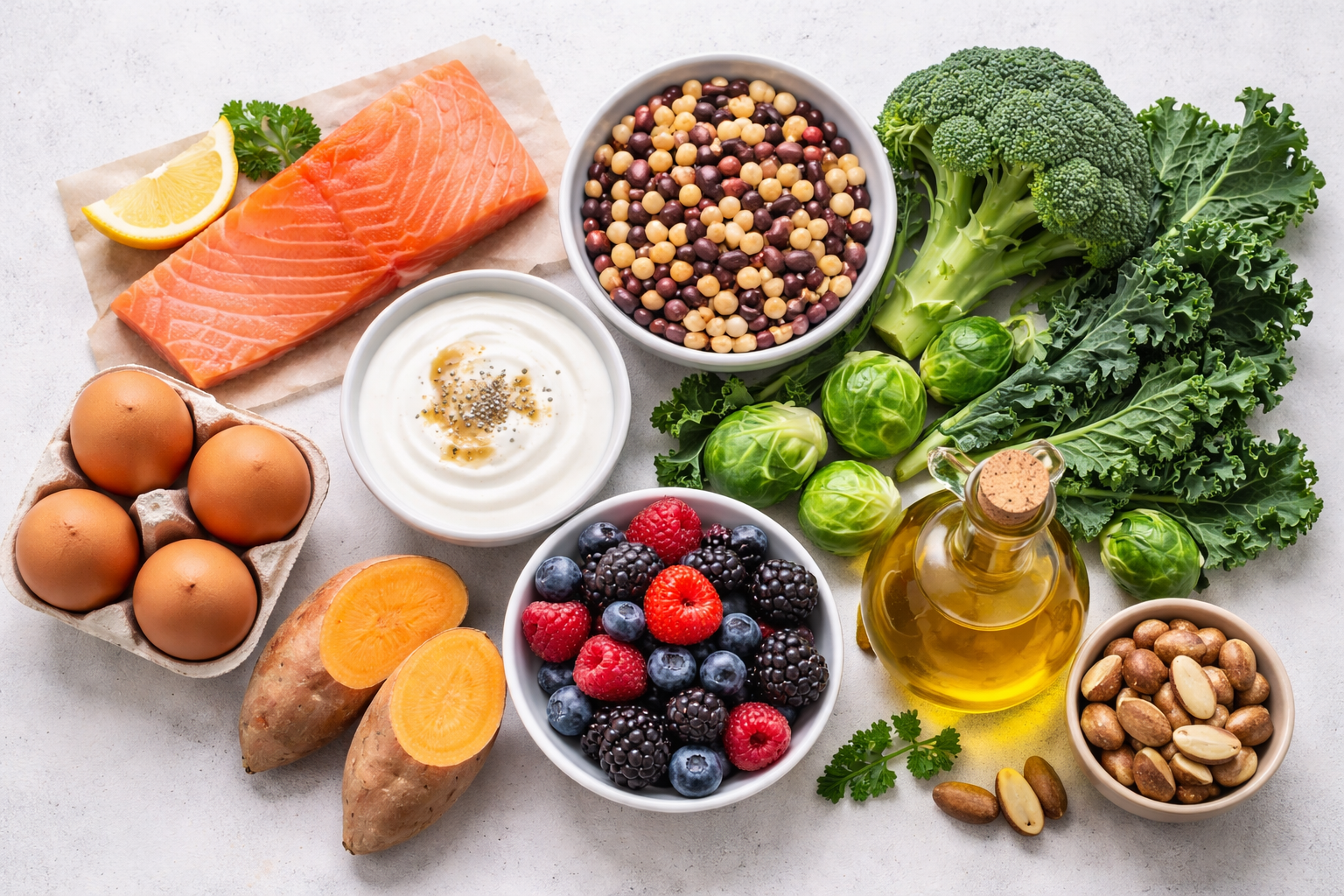
Here are 10 foods that can help support hormonal balance in women.
1. Salmon and Other Fatty Fish
Fatty fish like salmon, sardines, and mackerel are rich in omega-3 fats, particularly EPA and DHA.
These fats play a key role in reducing inflammation and supporting brain function. Inflammation is one of the hidden drivers behind PMS, hormonal acne, insulin resistance, and even mood changes.
Omega-3 fats are especially important during times of hormonal transition, such as perimenopause, when fluctuating estrogen levels can affect sleep, mood, and cognitive clarity.
Some research suggests that higher omega-3 intake may support metabolic and emotional well-being during these stages.
Including fatty fish two to three times per week can make a meaningful difference.
2. Eggs
Eggs are nutrient-dense and provide high-quality protein, healthy fats, and choline. Choline supports liver function, and the liver helps metabolize estrogen before it is removed from the body.
Protein also helps stabilize blood sugar. Frequent blood sugar spikes can increase insulin levels, and long-term insulin imbalance may affect ovulation and progesterone balance.
Starting your day with protein, such as eggs instead of a sugary breakfast, helps create steadier energy and fewer cravings throughout the day.
3. Greek Yogurt and Fermented Foods
Gut health can play a role in hormone regulation.
Certain gut bacteria are involved in estrogen metabolism, a system sometimes called the estrobolome. These microbes help break down estrogen so it can be removed from the body through bile and stool.
When the gut microbiome becomes imbalanced, this process may be disrupted, which can affect how estrogen circulates in the body.
Fermented foods such as Greek yogurt with live cultures, kefir, sauerkraut, and kimchi support beneficial gut bacteria.
Choosing plain yogurt with berries also provides probiotics and fiber, which together support digestion and overall metabolic health.
4. Lentils and Beans
Lentils, black beans, chickpeas, and other legumes are rich in fiber and plant-based protein.
Fiber plays an essential role in helping the body eliminate excess estrogen. Without enough fiber, estrogen can circulate longer than it should, potentially contributing to bloating, heavy periods, and breast tenderness.
Research suggests that increasing dietary fiber intake may improve insulin sensitivity and support healthier blood sugar levels. This may be particularly relevant for women with PCOS, where insulin resistance is commonly observed.
Adding lentils to soups, salads, or grain bowls is a simple way to increase fiber without dramatically changing your diet.
5. Broccoli and Cruciferous Vegetables
Broccoli, cauliflower, Brussels sprouts, cabbage, and kale belong to a group called cruciferous vegetables.
These vegetables contain glucosinolates, plant compounds that break down into substances such as indole-3-carbinol and sulforaphane. These compounds may influence enzymes involved in estrogen metabolism in the liver.
Sulforaphane in particular has been widely studied, with thousands of studies and more than 125 clinical trials examining its biological effects. It activates the Keap1/Nrf2 pathway, which supports antioxidant defenses and helps regulate inflammation.
However, its effects on hormone-related health conditions remain largely unexplored.
Rather than “detoxing” hormones dramatically, cruciferous vegetables appear to support the body’s normal processes for metabolizing and eliminating estrogen.
Including them regularly as part of a balanced diet may support long-term metabolic and hormonal health.
6. Pumpkin Seeds
Pumpkin seeds are small but nutrient-dense. They are rich in magnesium, a mineral involved in hundreds of biochemical reactions in the body, including nerve function, muscle relaxation, and energy production.
Magnesium also plays a role in regulating the body’s stress response and supporting healthy sleep patterns.
Low magnesium levels have been linked to symptoms such as increased PMS discomfort, anxiety, and stronger cravings for sugary foods.
Adding a small handful of pumpkin seeds to yogurt, oatmeal, or salads is an easy way to boost magnesium intake through whole foods.
7. Sweet Potatoes
Carbohydrates are often blamed for hormonal problems, but the type of carbohydrate matters more than the presence of carbs themselves.
Sweet potatoes provide fiber and slow-digesting carbohydrates that help support more stable blood sugar levels.
Stable blood sugar can help prevent large spikes in insulin. Since insulin plays a role in metabolic and reproductive processes, maintaining balanced blood sugar may support healthier hormonal regulation.
Replacing refined carbohydrates with whole-food options like sweet potatoes can also help reduce energy crashes.
8. Berries
Blueberries, raspberries, and strawberries are rich in antioxidants, particularly polyphenols and anthocyanins. These compounds help reduce oxidative stress, a process that can damage cells and interfere with tissues involved in hormone production.
Diets rich in antioxidant foods are also associated with better metabolic health, including improved insulin response and lower inflammation.
Adding berries to breakfast, yogurt, or oatmeal provides natural sweetness along with nutrients that support overall health.
9. Olive Oil
Extra virgin olive oil contains anti-inflammatory compounds and healthy monounsaturated fats. These fats are associated with improved insulin sensitivity and reduced chronic inflammation, both of which play roles in metabolic and hormonal health.
Some research has examined the effects of olive oil and olive leaf extracts on thyroid function. Animal studies have suggested that olive oil and olive leaf extracts may stimulate thyroid activity, although the mechanisms are not fully understood and human evidence is still limited.
Using olive oil as your primary cooking oil or salad dressing base is a simple dietary shift that supports long-term metabolic health.
10. Brazil Nuts
The thyroid gland plays a major role in regulating energy, metabolism, and menstrual regularity. Brazil nuts are one of the richest natural sources of selenium, a mineral required for enzymes that convert the thyroid hormone T4 into its active form, T3.
A review of 24 clinical trials found that regular Brazil nut consumption improved antioxidant status by increasing selenium and glutathione peroxidase levels. Benefits were also observed in lipid markers, glucose control, oxidative stress, inflammation, thyroid function, and cognitive performance across different populations.
Just one or two Brazil nuts per day can provide enough selenium to support normal intake. Because selenium levels in Brazil nuts are very high, eating them in moderation is important.
Bringing It All Together
Hormonal balance isn’t about eliminating entire food groups or following extreme diets.
Consistent eating patterns that include foods such as fatty fish, eggs, lentils, cruciferous vegetables, seeds, berries, and healthy fats provide nutrients involved in estrogen metabolism, insulin regulation, thyroid function, and stress response.
While some foods contain phytoestrogens (plant compounds that can interact with estrogen receptors), research examining how individual foods directly affect women’s hormone levels is still limited.
Nutrition works best as part of a broader approach to health. If symptoms like irregular periods, persistent fatigue, hair loss, or severe mood changes continue, medical guidance is important.
Over time, supportive daily habits can help create the conditions for better hormonal balance.