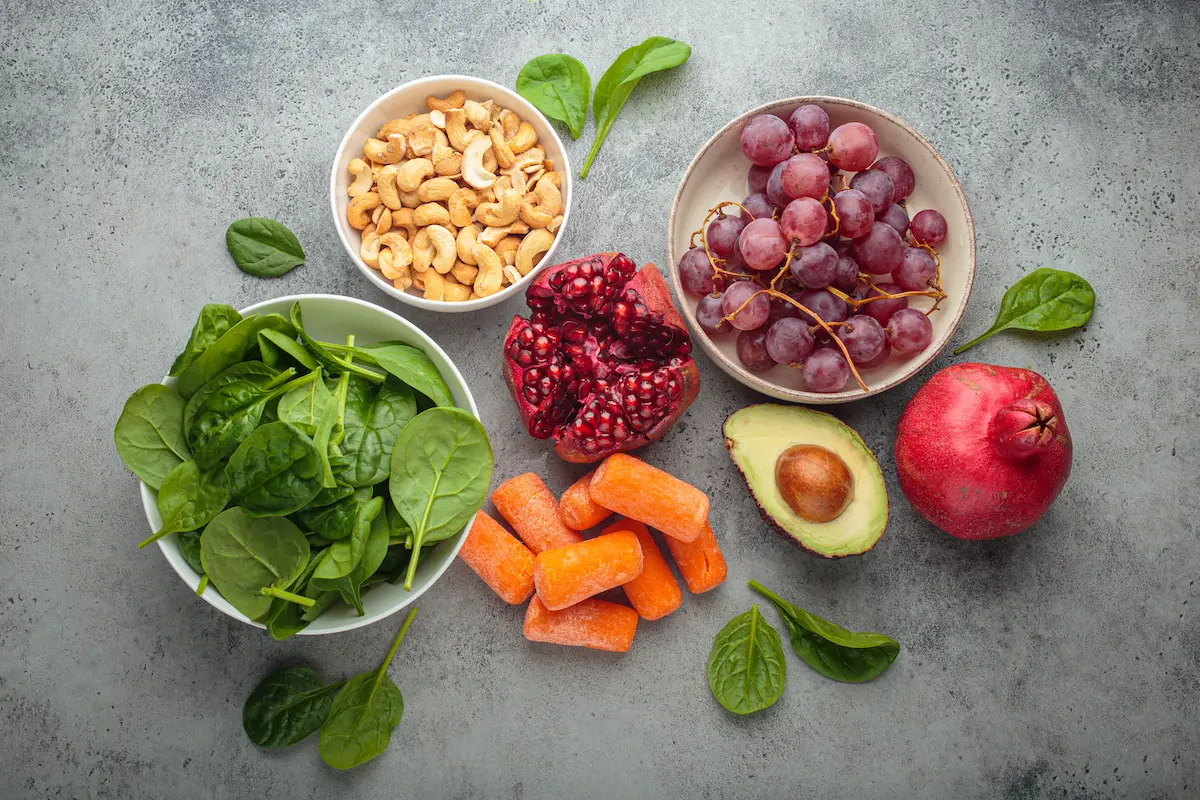
Potassium may not receive as much attention as nutrients like protein or vitamin D, but it’s essential for good health. Every heartbeat, muscle contraction, and nerve signal depends on it. It also helps regulate fluid balance and supports healthy blood pressure by working alongside sodium.
Despite its importance, many people don’t get enough potassium. While bananas are well known for containing it, they’re far from the richest source. Everyday foods such as potatoes, beans, leafy greens, yogurt, and certain types of fish often provide even more.
Modern diets high in processed foods tend to be rich in sodium but relatively low in potassium, making it harder to meet daily needs.
The good news is that increasing your potassium intake doesn’t usually require supplements.
In this article, you’ll discover some of the best potassium-rich foods and simple ways to include more of them in your diet.
How Much Potassium Do You Need?
Most adults need between 2,600 and 3,400 mg of potassium each day, depending on their age, sex, and life stage. However, many people don’t get enough, making potassium-rich foods an important part of a balanced diet.
Foods Rich in Potassium
From vegetables and legumes to dairy products and fish, plenty of everyday foods are naturally rich in potassium. Here are some of the best options to include in your diet.
1. Potatoes
Potatoes are one of the best dietary sources of potassium, yet they’re often underestimated because of their carbohydrate content.
A medium cooked potato (136 g) with the skin provides around 515 mg of potassium, covering about 15% of the Daily Value (DV).
Potassium is found throughout the potato, but keeping the skin on helps preserve more fiber and nutrients. Along with potassium, potatoes also provide vitamin C, vitamin B6, and beneficial plant compounds that add to their nutritional value.
Baked, roasted, and air-fried potatoes are all simple, delicious ways to enjoy this potassium-rich vegetable.
2. Sweet Potatoes
Sweet potatoes are an excellent source of potassium while also providing fiber and beta carotene, which the body converts into vitamin A.
One medium sweet potato (114 g) supplies approximately 542 mg of potassium, providing roughly 16% of your daily potassium needs.
Their naturally sweet flavor makes them versatile enough for both savory and sweet dishes. They pair well with roasted vegetables, grain bowls, salads, and even breakfast recipes.
The combination of potassium, fiber, and antioxidants makes sweet potatoes one of the most nutrient-dense carbohydrate sources available.
3. White Beans
When it comes to potassium-rich foods, white beans deserve a top spot.
A half cup (90 g) of cooked white beans delivers around 500 mg of potassium, contributing 15% toward the daily value. White beans also provide plant-based protein, iron, magnesium, and fiber.
Their high fiber content may help support digestive health and promote fullness after meals.
White beans work well in soups, stews, salads, grain bowls, and homemade dips.
4. Lentils
Lentils are affordable, versatile, and packed with nutrients.
Half a cup (99 g) of cooked lentils contains around 730 mg of potassium, meeting about 11% of the recommended daily value.
They’re also rich in plant protein and dietary fiber, making them a staple in many healthy eating patterns.
Lentils are perfect for soups, curries, salads, veggie burgers, and side dishes.
5. Spinach
Spinach is one of the most nutrient-dense leafy greens you can eat.
A 100-g serving of cooked spinach provides around 466 mg of potassium, equivalent to roughly 14% of the daily value. It’s also rich in iron, magnesium, folate, and vitamin K.
Cooking spinach significantly reduces its volume, making it easier to eat larger amounts and boost your potassium intake.
Spinach blends easily into soups, pasta dishes, omelets, casseroles, and smoothies.
6. Swiss Chard
Swiss chard ranks among the richest vegetable sources of potassium.
One cup (179 g) cooked Swiss chard supplies approximately 960 mg of potassium, accounting for 28 % of your daily potassium requirement.
Its colorful stems and dark green leaves also provide vitamins, minerals, and antioxidants.
Swiss chard is delicious in sautés, soups, grain bowls, and vegetable side dishes.
7. Avocados
Avocados are well known for their heart-healthy fats, but they’re also an impressive source of potassium.
One avocado (201 g) contains around 975 mg of potassium, delivering nearly 29% of the DV.
Combined with fiber and monounsaturated fats, potassium adds to the nutritional value of this creamy fruit.
Enjoy avocado in salads, sandwiches, wraps, grain bowls, or smoothies.
8. Bananas
Bananas have earned their reputation as a potassium-rich food for good reason.
A medium banana (115 g) provides roughly 375 mg of potassium, helping you meet around 11% of your daily potassium goal.
Although they aren’t the richest source available, bananas remain a convenient, portable, and affordable choice.
They also provide carbohydrates that can serve as a quick source of energy before or after physical activity.
9. Yogurt
Yogurt provides potassium along with several other important nutrients, including calcium and protein.
A 6-ounce (170 g) serving contains about 280 mg of potassium, representing around 8% of the recommended daily amount.
Yogurt is especially versatile and pairs well with fruit, nuts, seeds, or oats.
Choosing unsweetened varieties helps keep added sugar intake in check.
10. Salmon
Salmon is widely recognized for its omega-3 fats, but it’s also a valuable source of potassium.
A 3-ounce (85 g) serving of cooked salmon provides around 326 mg of potassium, supplying approximately 10% of the DV.
Including salmon in your diet supports both potassium intake and heart-healthy fat consumption.
Its rich flavor pairs well with vegetables, whole grains, salads, and roasted potatoes.
11. Tuna
Tuna offers a substantial amount of potassium alongside high-quality protein.
A 3-ounce (85 g) serving of cooked yellowfin tuna provides around 448 mg of potassium, contributing 13% of your daily potassium needs.
It’s also an excellent source of high-quality protein, vitamin D, selenium, and several B vitamins.
Fresh tuna, canned tuna, and tuna salads can all contribute to meeting your daily potassium intake.
12. Coconut Water
Coconut water is often promoted as a natural sports drink because of its electrolyte content.
One cup (240 mL) of unsweetened coconut water provides around 404 mg of potassium, contributing about 12% of the daily value.
While it shouldn’t replace water for everyday hydration, it can be a refreshing option after prolonged exercise or heavy sweating.
Choose varieties without added sugar whenever possible.
13. Beet Greens
Beet greens are one of the most potassium-rich leafy vegetables, yet they’re often overlooked.
Just a half cup (72 g) of cooked beet greens provides 654 mg of potassium, covering around 19% of the daily recommended value.
They’re also an excellent source of vitamin K and antioxidants.
Use beet greens in soups, sautés, smoothies, or anywhere you’d normally use spinach
14. Edamame
Edamame is one of the few plant foods that naturally combines potassium, protein, and fiber in a single serving.
One-half cup (80 g) of cooked edamame provides around 338 mg of potassium, filling about 10% of the DV.
It also supplies folate, vitamin K, magnesium, and other essential nutrients.
Enjoy edamame as a snack or add it to salads, grain bowls, stir-fries, and noodle dishes for an easy nutrition boost.
15. Tomatoes
Fresh tomatoes are a good source of potassium, and tomato-based products can provide even more.
One medium tomato (123 g) contains approximately 292 mg of potassium, contributing about 9% of the daily value.
Cooking tomatoes concentrates their nutrients, so tomato sauce, tomato paste, and other cooked tomato products often provide more potassium per serving than fresh tomatoes.
Tomatoes are also rich in lycopene, a powerful antioxidant linked to several health benefits, and are easy to include in salads, sandwiches, soups, pasta dishes, and sauces.
Can You Get Too Much Potassium?
For most healthy individuals, getting potassium from foods is not a concern.
The kidneys typically remove excess potassium and help maintain healthy levels in the blood.
However, people with kidney disease or certain medical conditions may need to monitor potassium intake more carefully. Some medications can also affect how the body handles potassium.
If you have kidney disease or have been advised to follow a low-potassium diet, consult your healthcare provider before making significant dietary changes.
Simple Ways to Eat More Potassium-Rich Foods
Increasing potassium intake doesn’t have to be complicated.
Consider these simple strategies:
- Add spinach to omelets and smoothies
- Use beans or lentils in soups and salads
- Enjoy baked potatoes with meals
- Snack on yogurt and fruit
- Add avocado to sandwiches and salads
- Include salmon or tuna a few times per week
- Replace some processed snacks with fruits and vegetables
Small changes can add up quickly and help boost potassium intake over time.
The Bottom Line
Potassium is an essential mineral that supports heart function, muscle contractions, nerve signaling, and fluid balance.
While bananas are often the first food that comes to mind, many other foods contain equal or even greater amounts of potassium. Potatoes, beans, lentils, leafy greens, avocados, yogurt, and fish are among the best options.
Focusing on a variety of whole, minimally processed foods can help you naturally increase your potassium intake while also improving the overall quality of your diet.
1 thought on “15 Foods High in Potassium”
Comments are closed.