High blood pressure doesn’t cause obvious symptoms, which is exactly why it becomes dangerous. Over time, it puts constant strain on your arteries, increasing the risk of heart disease, stroke, and kidney damage.
Many people focus only on medication, but diet plays a direct role in how your blood vessels function every day.
The right foods can help relax blood vessels, reduce excess sodium, and improve fluid balance. The wrong ones do the opposite.
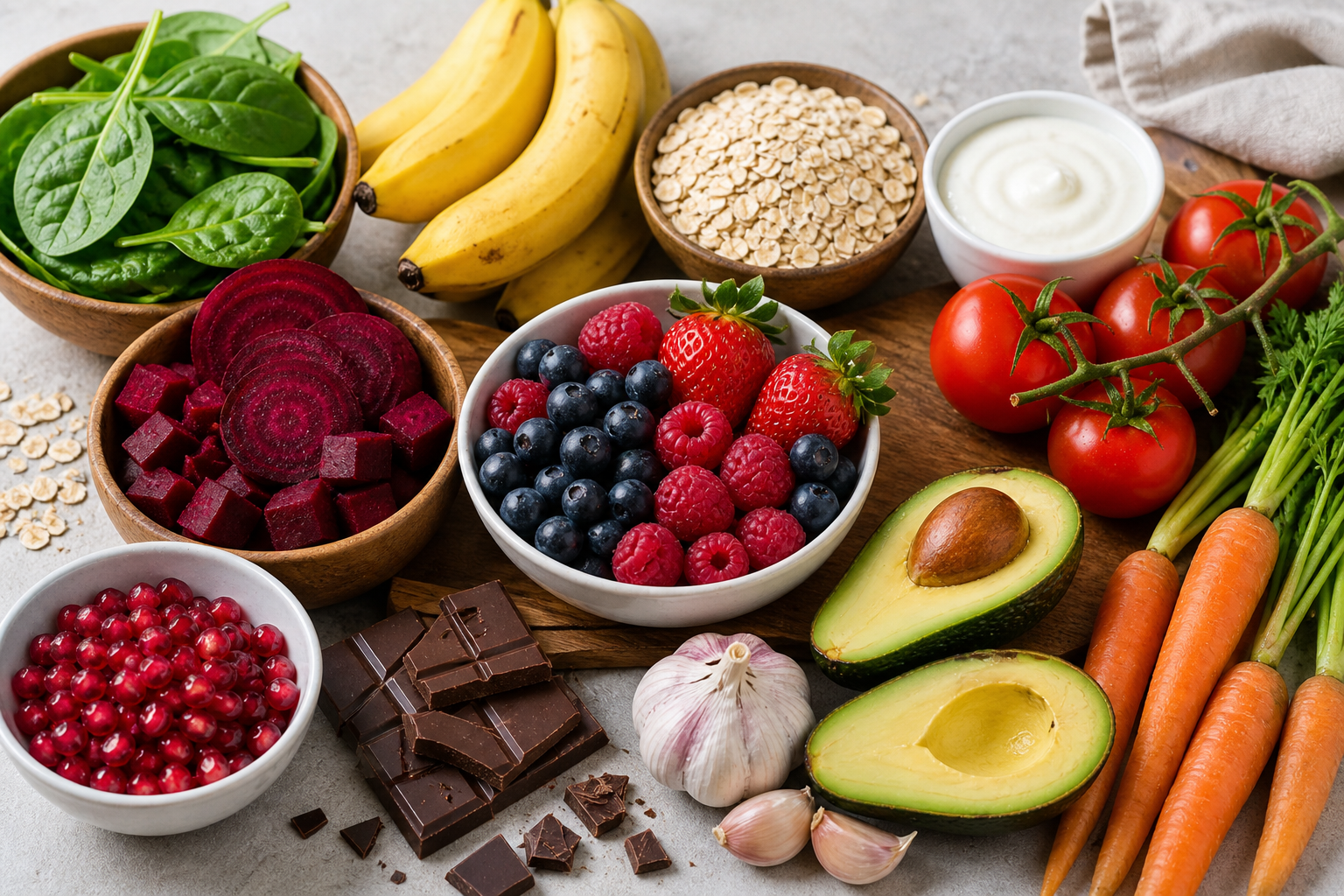
This article outlines foods that help reduce blood pressure and shows how specific nutrients help regulate blood flow and reduce strain on the arteries.
How Blood Pressure Works (and Why Diet Matters)
Blood pressure is the force of blood pushing against artery walls. When this pressure stays high, it damages the inner lining of blood vessels and makes them less flexible. Over time, arteries narrow, forcing the heart to work harder.
Diet influences three key factors:
- Sodium balance: Too much sodium causes fluid retention, increasing pressure.
- Vessel tone: Nutrients like potassium and nitric oxide help blood vessels relax.
- Inflammation and stiffness: Poor diets increase oxidative stress, making arteries less elastic.
Foods that lower blood pressure typically reduce sodium effects, improve blood vessel function, or support better circulation. This is why dietary patterns like DASH (Dietary Approaches to Stop Hypertension) consistently show results.
Best Foods for High Blood Pressure
The foods below contain compounds that help support healthy blood pressure through different mechanisms.
1. Spinach
Spinach helps lower blood pressure by improving both sodium balance and blood vessel function.
Its potassium content helps the body remove excess sodium, which reduces fluid retention and pressure in the arteries. At the same time, its natural nitrates convert into nitric oxide, which relaxes and widens blood vessels, allowing blood to flow more easily.
A 2015 study in healthy adults found that eating spinach daily for 7 days reduced arterial stiffness and lowered both central and arm blood pressure.
Another study in 30 adults showed that spinach increased nitric oxide levels, improved blood vessel function, and lowered systolic blood pressure.
However, a 2020 study on adults with high blood pressure found that eating leafy green vegetables or taking nitrate supplements for 5 weeks did not significantly reduce 24-hour systolic blood pressure compared to a low-nitrate control group.
2. Bananas
Bananas are a good source of potassium, which helps regulate blood pressure by improving sodium balance in the body.
A 2013 review found that higher potassium intake lowers blood pressure, especially in people with hypertension, without harmful effects. It also showed a 24% lower risk of stroke, supporting potassium’s role in heart health.
Unlike processed potassium sources, bananas provide a steady and safe intake, making them a practical daily option for managing blood pressure.
3. Beetroot
Beetroot is one of the most effective foods for improving blood vessel function.
It contains natural nitrates that convert into nitric oxide, which signals blood vessels to relax and expand. This may lead to improvements in blood flow and reduced pressure.
A meta-analysis of 7 trials (218 adults with hypertension) found that nitrate-rich beetroot juice consumed for 3–60 days significantly reduced systolic blood pressure by about 5 mmHg, but did not produce a meaningful change in diastolic blood pressure.
4. Garlic
Garlic helps lower blood pressure by improving how blood flows through your arteries.
First, its active compounds can increase nitric oxide levels, which relax and widen blood vessels, making circulation easier.
Second, it may reduce the activity of angiotensin-converting enzyme (ACE), which lowers levels of angiotensin II—a compound that causes blood vessels to constrict. With less constriction, arteries stay more relaxed, helping reduce pressure.
A review of 12 trials (553 people with hypertension) found that garlic supplements reduced systolic blood pressure by about 8.3 mmHg and diastolic by 5.5 mmHg, with effects comparable to standard medications, along with improvements in arterial stiffness, cholesterol, and gut health.
5. Oats
Oats help lower blood pressure mainly through beta-glucan, a type of soluble fiber that supports healthier blood vessels.
It helps reduce LDL cholesterol and improves arterial flexibility, allowing blood to flow more easily and reducing pressure on the arteries.
A meta-analysis of 21 trials found that oat consumption reduced systolic blood pressure by about 2.8 mmHg, especially in people with hypertension or when replacing refined grains. The effect was stronger with at least 5 g of beta-glucan daily over 8 weeks.
6. Yogurt
Yogurt can help support healthy blood pressure by providing calcium and beneficial bacteria.
Calcium helps regulate how blood vessels contract and relax, and low intake has been linked with higher blood pressure levels. Probiotics in yogurt may also support gut health, which can influence inflammation and blood vessel function.
Research shows mixed results.
A study of 715 adults aged 60+ with hypertension found that consuming low-fat milk or yogurt at least 7 times per week was linked to lower diastolic blood pressure and better 24-hour blood pressure control, while whole-fat versions showed no benefit.
However, another study using probiotic yogurt found no significant effect, suggesting the impact may vary.
7. Pomegranate
Pomegranate helps support healthy blood pressure by improving how blood vessels function.
Its polyphenols help protect the inner lining of arteries and enhance nitric oxide activity, allowing blood vessels to relax and expand more easily.
A review of 14 trials (573 people) found pomegranate juice reduced systolic BP by ~5 mmHg. ≤300 mL/day worked best; higher amounts didn’t lower systolic BP but reduced diastolic. Benefits were stronger within 2 months and appeared dose-dependent.
8. Legumes
Legumes such as lentils, beans, and chickpeas help support healthy blood pressure by providing potassium, magnesium, and fiber. Magnesium helps relax blood vessel walls, while potassium balances sodium levels.
Their fiber content also supports healthier cholesterol levels, keeping arteries more flexible.
A 2023 review found that legume consumption did not significantly reduce overall blood pressure, though small reductions were seen in overweight or obese individuals.
Evidence was low quality, and more high-quality studies are needed to confirm benefits.
9. Fatty Fish
Fatty fish are rich in omega-3 fatty acids, which play a direct role in blood pressure regulation. These fats reduce inflammation and improve arterial flexibility, allowing blood to flow more easily.
Omega-3s also help lower triglyceride levels and support endothelial function, keeping blood vessels more stable under pressure.
A meta-analysis of 70 trials found that omega-3 fats (EPA and DHA) slightly lowered blood pressure overall, with stronger reductions in people with untreated hypertension. Intakes of at least 2 grams daily also helped reduce diastolic blood pressure.
10. Dark Chocolate
Dark chocolate contains flavonoids that help relax blood vessels by increasing nitric oxide levels. This allows arteries to widen more easily, reducing resistance to blood flow.
A review of 35 trials found that flavanol-rich dark chocolate slightly reduced blood pressure, lowering both systolic and diastolic levels by about 1–2 mmHg. The benefit was stronger in people with high blood pressure and was observed over 2–18 weeks.
In practice, small portions work best—about one ounce of dark chocolate with at least 70% cocoa and minimal added sugar.
11. Berries
Berries contain anthocyanins, compounds that help keep blood vessels flexible and reduce oxidative stress. This supports better circulation and may play a role in blood pressure regulation.
However, research shows mixed results.
A 2022 review found that while anthocyanins from berries improved cholesterol levels and reduced inflammation, they did not significantly lower blood pressure, although higher intake was linked to a lower risk of heart disease.
More research is needed to find the effect of berry consumption on blood pressure.
12. Avocado
Avocado may support blood pressure by providing potassium and healthy monounsaturated fats.
Potassium helps balance sodium levels, while healthy fats support healthier blood vessels and reduce inflammation, which can make blood flow more efficient.
A 2025 review found that avocado intake slightly lowered systolic blood pressure by about 1.15 mmHg, with no significant effect on diastolic pressure, although it also improved LDL cholesterol levels.
More high-quality studies with larger groups are needed to confirm these effects and understand the long-term impact of avocado on heart health.
13. Tomatoes
Tomatoes contain lycopene, a compound that helps reduce oxidative stress and supports blood vessel health. Lycopene is linked to improved endothelial function, which can help arteries relax and improve blood flow.
Cooked tomato products provide more bioavailable lycopene, making them a useful addition to regular meals.
A review of 11 trials on 617 participants found that standardized tomato extract lowered systolic blood pressure by about 5.9 mmHg, with stronger effects in people with hypertension.
However, effects on diastolic pressure were not consistent across studies.
14. Citrus Fruits
Citrus fruits may support blood pressure through vitamin C and flavonoids such as hesperidin. These compounds help improve blood vessel function, allowing arteries to expand more efficiently and reducing pressure.
A study in 37 adults with elevated or stage 1 hypertension found that hesperidin from orange juice lowered systolic blood pressure and reduced inflammation-related genes after 12 weeks, with stronger effects at higher doses.
However, a meta-analysis found no significant effect of hesperidin supplementation on blood pressure or cholesterol levels.
15. Nuts
Nuts may support blood pressure by providing magnesium, potassium, and healthy unsaturated fats.
Magnesium helps relax blood vessels, while healthy fats improve arterial function and reduce inflammation, supporting smoother blood flow.
A meta-analysis found that nut consumption slightly lowered systolic blood pressure in people without type 2 diabetes. Pistachios showed the strongest effects, reducing both systolic and diastolic pressure, while mixed nuts modestly lowered diastolic pressure.
16. Green Tea
Green tea contains catechins, natural compounds that help improve blood vessel function and reduce oxidative stress. These effects can support better circulation and help regulate blood pressure.
A meta-analysis found that green tea lowered systolic blood pressure by about 2 mmHg and diastolic by about 1.9 mmHg, with stronger effects seen in low-dose, long-term use and when caffeine effects were minimized.
17. Carrots
Carrots may support blood pressure by providing potassium and antioxidant compounds that help reduce oxidative stress and support healthier blood vessels.
Research shows mixed results.
In one study, drinking about 16 oz of fresh carrot juice daily for three months slightly lowered systolic blood pressure, while having no effect on diastolic pressure. It also improved antioxidant levels without changing cholesterol, weight, or inflammation markers.
Conversly, a much smaller study reported a larger drop in blood pressure within one week, but it had no control group, so the results are less reliable.
18. Pumpkin Seeds
Pumpkin seeds may support blood pressure mainly because they are rich in magnesium and arginine, along with other beneficial nutrients.
Magnesium helps relax blood vessel walls, while arginine is used by the body to produce nitric oxide, a compound that helps blood vessels widen and improves blood flow.
Limited human studies suggest pumpkin seed oil may improve blood pressure and HDL cholesterol, especially in postmenopausal women, but evidence is inconsistent and stronger trials are needed.
Nutrients That Support Healthy Blood Pressure
- Potassium: Help balance sodium levels and support healthy blood pressure.
- Magnesium: Supports muscle relaxation, including artery walls.
- Fiber: Supports heart health and healthy cholesterol levels.
- Dietary nitrates: Help the body produce nitric oxide, which relaxes blood vessels.
- Omega-3 fatty acids: Reduce inflammation and improve flexibility.
Focus on whole foods that naturally contain these nutrients rather than supplements.
Foods and Habits to Limit
- High-sodium processed foods (chips, packaged snacks, instant meals)
- Excess alcohol
- Sugary beverages
- Processed meats
- Frequent deep-fried foods
These increase fluid retention, inflammation, or arterial stiffness.
How to Include These Foods Daily
Keep it simple:
- Add spinach or lentils to lunch or dinner
- Eat a banana or yogurt as a snack
- Replace refined grains with oats
- Use garlic in regular cooking
- Include one fruit serving like berries or citrus daily
- Swap snacks with nuts or seeds
Consistency matters more than perfection.
Conclusion
Managing blood pressure isn’t about one food or a short-term fix. It’s about building a diet that consistently supports healthy blood vessels and fluid balance.
The foods to lower blood pressure listed here work through different mechanisms—some relax arteries, others reduce sodium effects, and some improve overall vascular health.
You don’t need to overhaul everything at once. Start by adding a few of these foods into your routine and gradually build from there. Combined with reduced sodium and better lifestyle habits, these changes can make a measurable difference over time.
1 thought on “18 Foods That May Help Lower Blood Pressure”
Comments are closed.