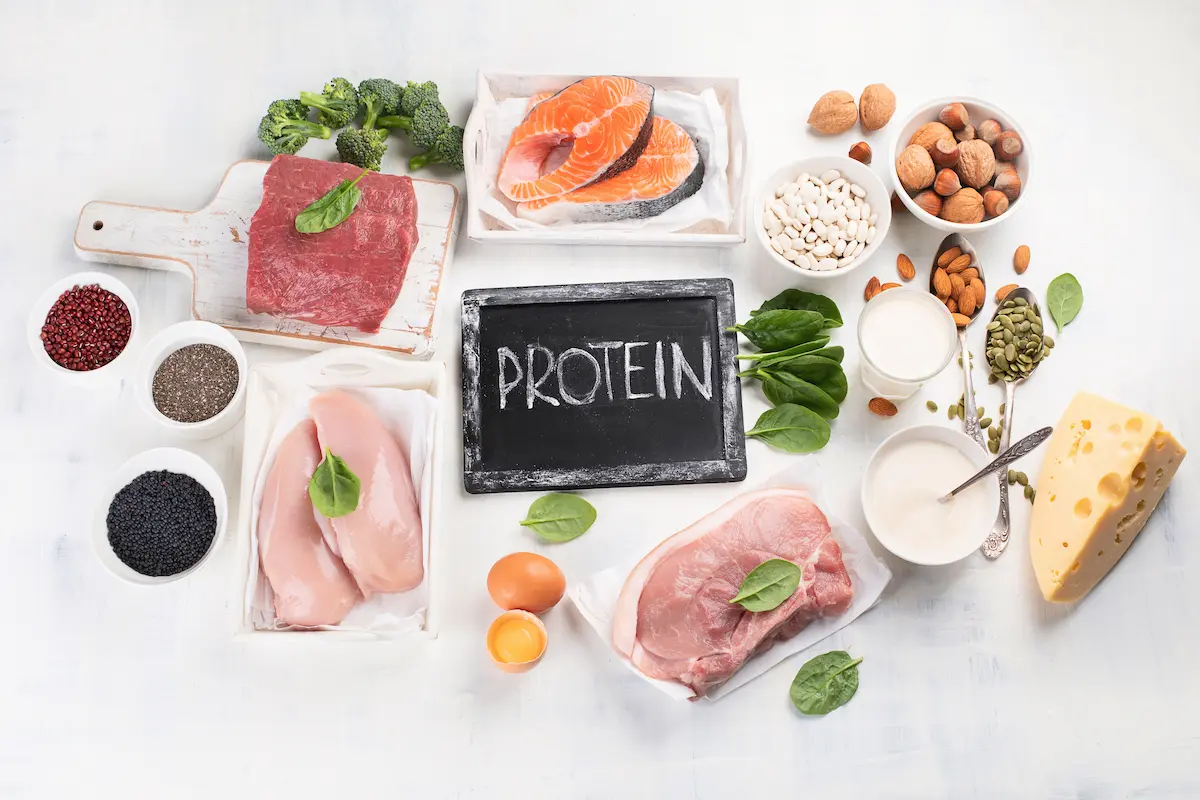
Protein is the one nutrient most people don’t eat enough of. Meals look full, but hunger shows up fast because they’re built around carbs with very little staying power.
Protein supports muscle, recovery, and many basic body functions, but it also plays a major role in keeping you full and steady between meals.
When protein is too low, energy dips, cravings rise, and it’s harder to stay satisfied between meals.
The fix is simple. Build meals around foods that actually deliver protein instead of treating it like an afterthought. You don’t need complicated plans. Just a short list of reliable foods you can use daily.
Start with these.
1. Eggs
Eggs are one of the most efficient foods to build meals around. They cook quickly, pair with almost anything, and keep you full longer than most quick breakfasts.
They also provide nutrients like choline and vitamin B12 that support muscle and brain function. The yolk is also one of the few natural food sources of vitamin D, making eggs useful if you’re trying to increase intake through diet.
One large egg (50 g) contains 6.2 grams of protein, or 12.4 grams per 100 g.
2. Egg Whites
Egg whites are a concentrated source that adds extra protein without much fat or calories.
They’re useful when you want to increase intake but keep meals light. Combine them with whole eggs for better texture and nutrition.
Three egg whites (roughly 100 g) provide 10.7 grams of protein and blend easily into omelets or breakfast bowls.
3. Greek Yogurt
Greek yogurt is thicker and more filling than regular yogurt because much of the liquid has been strained out. That process makes it far more satisfying and useful as a breakfast or snack base.
It pairs well with fruit, nuts, or oats.
One cup (245 g) of plain Greek yogurt contains 21.5 grams of protein, or 8.8 grams per 100 g.
4. Milk
Milk is an easy addition that helps balance meals and snacks. It supports bone health and recovery while also helping meals feel more complete.
Adding it to smoothies, cereal, or coffee is a simple way to increase intake.
One cup (244 g) of milk contains around 8 grams of protein along with calcium and other key nutrients.
5. Cheese
Cheese adds flavor, texture, and staying power to meals. It’s usually best used as a supporting protein source rather than the main one since portions are small and calories add up quickly.
Add a little to eggs, sandwiches, salads, or grain bowls to make meals more satisfying without much effort.
Most cheeses provide 5–9 grams of protein per ounce (28 g), depending on the type.
Protein per ounce (28 g):
- Cheddar: 6.1 grams
- Mozzarella: 6.3 grams
- Parmesan: 8 grams
- Romano: 9 grams
- Swiss: 7.7 grams
- Paneer: 4.5 grams
Meat and Poultry
6. Chicken Breast
Chicken breast is a practical staple for everyday meals. It cooks quickly, stores well, and fits into everything from salads to wraps and grain bowls.
Half of the chicken breast (86 g) delivers about 27 grams of protein, or 31 grams per 100 g.
7. Ground Turkey
Ground turkey is versatile and works in burgers, pasta, bowls, and tacos. Lean versions keep fat lower while still delivering strong nutrition.
A 100-gram serving of ground turkey provides around 27 grams of protein.
8. Lean Beef
Lean beef is dense and satisfying. It supports muscle maintenance and provides iron and B vitamins. Use moderate portions and pair with vegetables or grains for balanced meals.
A 3-ounce (85 g) serving contains 24.6 grams of protein, or 29 grams per 100 g.
9. Pork Loin
Pork loin is leaner than many other cuts and works well grilled or roasted. It’s filling and easy to portion across multiple meals.
A 3-ounce (85 g) cooked portion provides roughly 22.4 grams of protein or 26.4 grams per 100 g.
10. Turkey Breast
Turkey breast is lean and works well in sandwiches, wraps, and bowls. It’s easy to prep in advance and keeps meals balanced.
A 3-ounce (85 g) serving contains 25.6 grams of protein, or around 30 grams per 100 g.
Fish and Seafood
12. Salmon
Salmon is filling and nutrient dense, offering healthy fats along with strong protein content.
It supports heart health and keeps you satisfied longer than many lean proteins.
A 3-ounce (85 g) cooked portion provides about 19 grams of protein, or roughly 22 grams per 100 g.
13. Tuna
Tuna is convenient and easy to keep on hand. It works well in salads, sandwiches, or rice bowls and requires almost no prep time.
A 3-ounce (85 g) serving light, canned tuna provides 16.2 grams of protein or 19 grams per 100 g.
14. Halibut
Halibut is a firm, mild fish that cooks quickly and pairs well with simple sides like vegetables, rice, or potatoes.
It’s lean but still satisfying, making it a solid option when you want something lighter that still keeps you full.
A 3-ounce (85 g) cooked portion of halibut provides around 19 grams of protein, or 22.5 grams per 100 g.
15. Sardines
Sardines are small but nutrient dense. They provide calcium, omega-3 fats, and a solid protein boost.
One can (92 g) offers around 22.6 grams of protein, or 24.6 grams per 100 g.
16. Cod
Cod is lean and mild in flavor, making it easy to pair with many dishes. It’s a good option when you want something lighter but still filling.
A 3-ounce (85 g) serving provides about 19.4 grams of protein, or about about 23 grams of protein.
18. Shrimp
Shrimp are one of the leanest, most protein-dense shellfish. They’re low in fat and easy to cook quickly.
A 3-ounce (85 g) cooked serving packs 19.4 grams of protein, or 22.8 grams per 100 g.
19. Crab
Crab meat is light but surprisingly dense in protein. It works well in salads, bowls, and simple seafood dishes.
A 3-ounce (85 g) cooked serving provides roughly 15 grams of protein, or about 18 grams per 100 g.
20. Lobster
Lobster is lean and filling with very little fat. It’s similar to crab in protein density but slightly higher in some cases.
A 3-ounce (85 g) cooked serving provides 22.4 grams of protein, or 26.4 grams per 100 g.
Beans and Legumes
21. Lentils
Lentils are filling and affordable, making them one of the most practical plant-based options.
They work in soups, bowls, and salads and help keep hunger under control.
One cooked cup (198 g) provides about 18 grams of protein, or 9 grams per 100 g.
22. Chickpeas
Chickpeas are versatile and work in curries, salads, or roasted snacks. Their fiber content helps meals feel more satisfying.
One cooked cup (164 g) contains about 14.5 grams of protein, or 8.86 grams per 100 g.
23. Black Beans
Black beans are hearty and easy to cook in batches. Pair them with rice or grains for a balanced meal that keeps you full longer.
One cooked cup (172 g) provides around 15 grams of protein, or 8.86 grams per 100 g.
24. Kidney Beans
Kidney beans are dense and work well in chili, soups, and bowls. They help build filling meals without relying on meat.
One cooked cup (177 g) contains about 15.3 grams of protein, or 8.67 grams per 100g.
Soy and Plant-Based Options
25. Edamame
Edamame is one of the strongest plant-based options and works well as a snack or side. It’s easy to keep frozen and cook quickly.
One cooked cup (160 g) gives you 18.5 grams of protein, or 11.5 grams per 100 g.
26. Tofu
Tofu absorbs flavor well and works in stir-fries, bowls, and wraps. It’s one of the easiest plant-based options to cook regularly.
A 100-gram serving contains 9 grams of protein.
27. Tempeh
Tempeh has a firmer texture and higher content than tofu. It’s filling and works well sliced into bowls or sandwiches.
100 grams of cooked tempeh provides about 20 grams of protein.
28. Soy Milk
Soy milk is one of the few plant milks that provides a meaningful amount. It works well in smoothies, cereal, or coffee.
One cup (244 g) usually contains about 9 grams of protein, or 3.55 grams per 100 g.
Nuts and Seeds
29. Almonds
30. Pistachios
Pistachios are a practical snack that adds both crunch and staying power to meals. They’re easy to portion, travel well, and pair nicely with fruit, yogurt, or grain bowls.
Because they contain a mix of protein, fiber, and healthy fats, they help keep hunger in check between meals. Keep portions moderate since calories can add up quickly.
A one-ounce handful of pistachios (28 g) provides 5.73 grams of protein.
31. Peanuts
Peanuts are affordable and filling. They work well as snacks or added to meals for extra staying power.
A small handful (28 g) provides 7.31 grams of protein.
32. Peanut Butter
Peanut butter is convenient and easy to add to toast, oats, or smoothies. Portion control matters because it’s calorie dense.
Two tablespoons (32 g) provide 7.11 grams of protein.
33. Pumpkin Seeds
Pumpkin seeds are one of the higher-protein seeds and easy to sprinkle into yogurt or salads.
One ounce (28 g) contains 8.56 grams of protein.
34. Chia Seeds
Chia seeds add small amounts but help when combined with yogurt, milk, or oats. They also support fullness due to their fiber content.
A one ounce (28 g) serving provides about 4.7 grams of protein.
35. Sunflower Seeds
Sunflower seeds contribute moderate amounts and work well as toppings or snacks.
A 30-gram serving provides 5.67 grams of protein.
Grains With Useful Amounts
37. Quinoa
Quinoa is one of the few grains that provides all essential amino acids. It works well as a base for bowls or salads.
One cooked cup (185 g) contains about 8.14 grams of protein, or 4.4 grams per 100 g.
38. Oats
Oats are more filling than many breakfast cereals and work best when paired with milk or yogurt.
One cooked cup (234 g) provides around 6 grams of protein, or 2.54 grams per 100 g.
39. Whole-Wheat Bread
Whole-grain bread contributes small amounts that add up across the day. Pair with eggs, nut butter, or cottage cheese.
Each slice (32 g) contains roughly 4 grams of protein, or 12.4 grams per 100 g.
40. Brown Rice
Brown rice offers modest amounts and works best when paired with beans, lentils, or meat.
One cooked cup (202 g) provides about 5.54 grams of protein, or 2.74 grams per 100 g.
41. Farro
Farro is hearty and filling, making it a good base for grain bowls.
One cooked cup contains around 6–7 grams of protein.
Protein Powders
If you’re always hungry, low on energy, or struggling to stay full between meals, protein intake is probably too low. The solution isn’t complicated. Build meals around a real protein source first. Then add carbs and vegetables around it.
Pick a few foods from this list and use them daily. Keep them stocked. Prep them ahead of time. Consistency matters more than variety.
8 thoughts on “42 Healthy Foods Packed With Protein”
Comments are closed.