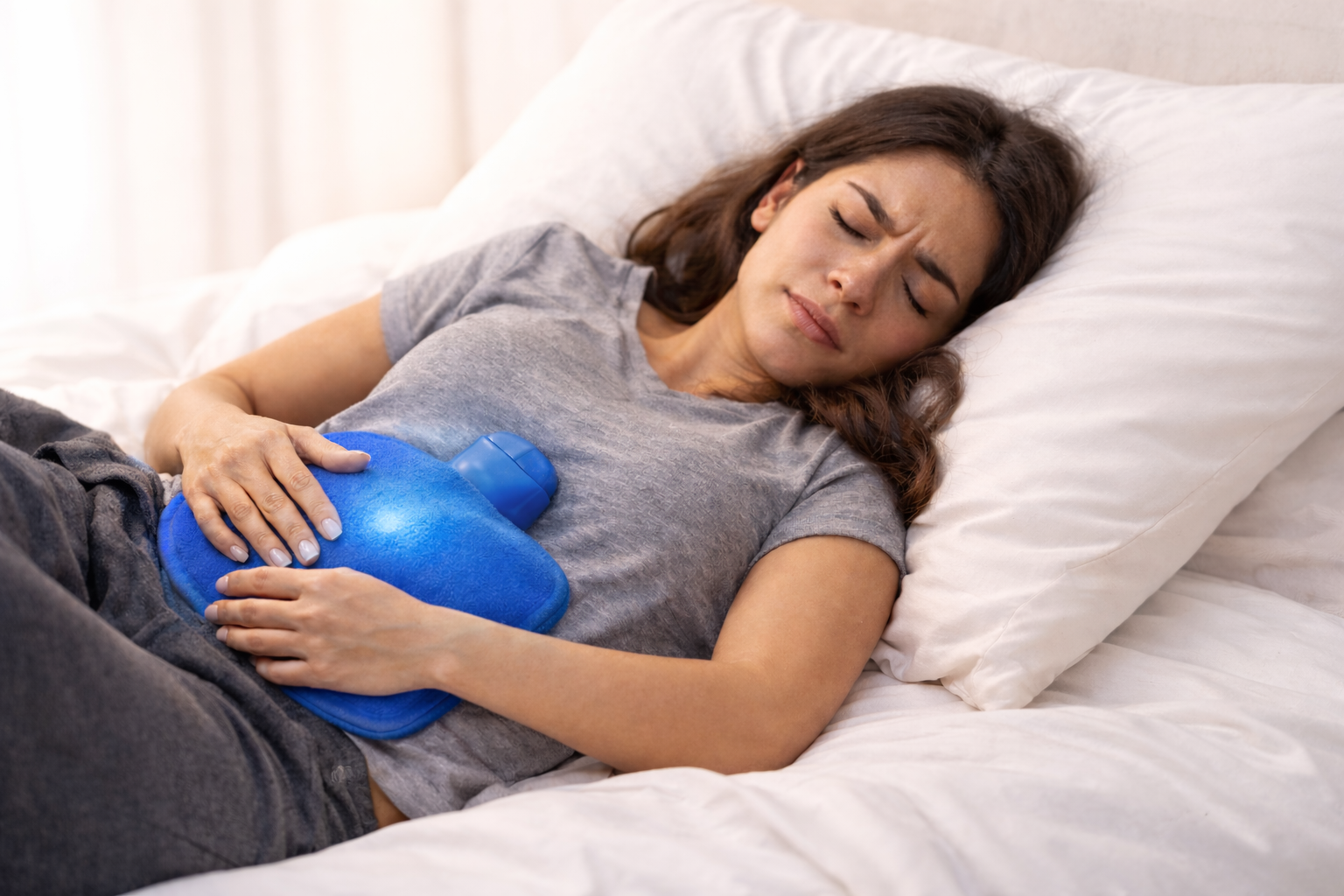
Period pain doesn’t always start as something serious.
At first, it’s a dull ache in the lower abdomen or back. Then it builds into cramps that can drain your energy, affect your mood, and make it hard to focus.
And the frustrating part—it comes back every month.
Most people rely on painkillers. They work, but only temporarily. They don’t address what’s actually happening inside your body.
Period pain, or dysmenorrhea, is mainly caused by prostaglandins—hormone-like substances that trigger uterine contractions. Stronger contractions reduce blood flow to the uterus, which leads to pain.
So the goal isn’t just to numb it. It’s to reduce these contractions and calm inflammation.
That’s where natural methods can help.
They won’t eliminate pain instantly, but used consistently, they can reduce severity and make your cycle easier to manage.
What Makes Period Pain Worse
Before focusing on what helps, it’s important to recognize what quietly makes things worse.
Diet plays a bigger role than most people realize. Regular intake of highly processed foods, excess sugar, and fried items can increase inflammation in the body, making uterine contractions feel more intense. Choosing the right foods for period pain can help reduce this effect.
Caffeine is another factor. While a cup of coffee might feel comforting, too much can constrict blood vessels and increase muscle tension, which may worsen cramps for some people.
Then there’s movement. When you’re in pain, the natural instinct is to lie down and stay still. But staying inactive for long periods can actually make stiffness worse and reduce blood circulation.
Sleep and stress also matter more than they seem. Poor sleep lowers your tolerance to pain, and high stress can increase muscle tension and make discomfort feel more intense.
If these areas are ignored, even effective remedies may not give you the results you expect.
Simple Remedies That Can Ease Menstrual Cramps Naturally
Here are simple, evidence-based methods you can use to reduce period pain and improve comfort during your cycle.
1. Heat Therapy
Heat is one of the simplest and most effective ways to reduce period pain.
It works by relaxing the muscles of the uterus and improving blood flow to the area. This directly reduces the intensity of cramps.
A review of six clinical trials found that heat therapy, like heating pads, can reduce period pain, sometimes working better than placebo or painkillers. However, the studies were small, so stronger research is still needed to confirm these effects.
How to use it:
- Apply a heating pad or hot water bag to your lower abdomen
- Use for 15–20 minutes at a time
- Repeat as needed throughout the day
2. Gentle Movement and Stretching
It may feel counterintuitive, but moving your body can actually reduce period pain.
When you stay completely still, muscles tend to tighten and circulation slows down. This can make cramps feel worse over time. Gentle movement helps improve blood flow and reduces stiffness, which can ease discomfort.
You don’t need intense workouts. In fact, pushing your body too hard can backfire. Simple activities like walking for a short time, stretching, or doing basic yoga poses can help your body relax.
Some research supports this. A small study in 24 young women found that yoga significantly reduced menstrual pain after practice compared to before.
Another study in 66 adolescent girls showed that abdominal stretching exercises led to a clear reduction in pain compared to a control group.
The key is to keep it light and consistent. Even a few minutes of movement can make a noticeable difference.
3. Ginger
Ginger is often used for digestion, but it also has strong anti-inflammatory properties.
It can help reduce the production of prostaglandins, the compounds responsible for painful uterine contractions. By doing this, it may help lower the intensity of cramps.
A study in 120 students with moderate to severe period pain found that taking 500 mg ginger capsules three times daily for 3–5 days significantly reduced pain intensity and duration compared to placebo, especially when started before menstruation.
Drinking ginger tea is one of the easiest ways to include it. Fresh ginger boiled in water creates a warm, soothing drink that not only helps with pain but also feels comforting during your period.
4. Magnesium-Rich Foods
Magnesium plays a direct role in muscle relaxation. When your body doesn’t get enough of it, muscles—including the uterus—can contract more intensely.
This can make cramps feel sharper and more uncomfortable.
Magnesium may also help reduce period pain by lowering prostaglandin production and relaxing muscle spasms in the uterus.
Including magnesium-rich foods in your regular diet can help reduce this effect over time. Foods like nuts, seeds, leafy greens, and bananas are simple options that support muscle function.
This is not something that works instantly in one day. But over time, it helps your body handle contractions more smoothly.
5. Hydration
Dehydration is often overlooked, but it can make period symptoms worse.
When your body lacks fluids, muscles are more likely to tighten, which can increase cramping. Dehydration can also contribute to bloating and fatigue, making the overall experience more uncomfortable.
In one small study, young women who increased their water intake for one month experienced a clear reduction in period pain, with many shifting from moderate to mild pain levels.
Drinking enough water throughout the day helps keep your muscles relaxed and supports better circulation. Warm fluids like herbal teas or soups can be especially comforting and effective during your period.
Avoid excessive caffeine, which can counteract hydration.
6. Fennel
Fennel, commonly known as saunf, has mild antispasmodic properties. This means it can help relax muscles and reduce the intensity of cramps.
It has been traditionally used to manage digestive discomfort, but its ability to ease muscle contractions makes it useful for menstrual pain as well.
A meta-analysis of 12 clinical trials found that fennel reduced period pain, performing better than placebo and similarly to conventional pain medications. Only minor side effects were reported.
However, many of the studies were small, so more robust research is still needed.
A simple way to use it is by boiling fennel seeds in water and drinking it as a warm infusion. It’s gentle, easy to prepare, and can provide gradual relief.
7. Omega-3 Rich Foods
Omega-3 fatty acids are known for their anti-inflammatory effects.
Since inflammation plays a role in period pain, including omega-3-rich foods can help reduce the severity of symptoms over time. These fats may also help regulate prostaglandin production, which directly affects how strong uterine contractions are.
In a 2022 study, women with primary dysmenorrhea who took omega-3 supplements experienced a noticeable reduction in period pain compared to placebo over six months.
Foods like fatty fish, flaxseeds, and walnuts are good sources. With consistent intake, they can support better pain management across cycles.
8. Probiotic-Rich Foods
Gut health may play a role in how your body handles inflammation and pain.
In one study, women who took a multispecies probiotic daily for three menstrual cycles experienced a significant reduction in period pain compared to placebo. However, the effect did not last after stopping, suggesting consistent intake may be important.
Foods like yogurt, kefir, and other probiotic-rich foods can support gut health, though supplements may offer more consistent effects for reducing period pain.
9. Good Sleep
Sleep is not just about rest. It directly affects how your body processes pain.
When you don’t sleep well, your pain threshold drops. This makes cramps feel more intense
A study in young women found that insomnia—not just shorter sleep—was strongly linked to period pain, fatigue, headaches, and mood changes. In contrast, shorter sleep duration was only linked to premenstrual cramps and showed little connection to other symptoms.
Good sleep supports hormone balance and helps your body manage stress more effectively.
Keeping a regular sleep schedule and creating a calm bedtime routine can make a noticeable difference during your cycle.
10. Reduce Caffeine Intake
Caffeine affects people differently, but research suggests higher coffee intake is linked to more severe period pain.
One study in women found that those who drank more coffee or milk tea were more likely to report stronger cramps. Even people who changed their caffeine intake during their periods reported more pain, which suggests the link isn’t simple or cause-and-effect.
If you notice your cramps worsen with caffeine, try reducing it slightly during your cycle and see how your body responds.
11. Abdominal Massage with Essential Oils
A gentle abdominal massage using essential oils like lavender, clove, black pepper, and clary sage may help reduce period pain.
In one study, women who used this aromatherapy massage reported less pain than those who used plain oil or a hot pack. The combination of massage and essential oils appeared to provide better relief.
Using warm oil and applying light circular pressure on the lower abdomen can be an easy way to try this at home while also promoting relaxation.
12. Herbal Teas
Herbal teas like chamomile and peppermint are known for their calming effects.
They can help relax muscles and ease mild cramps, while also supporting better sleep, which helps your body handle pain more effectively.
Some studies suggest chamomile may help reduce period pain and even menstrual bleeding, though results vary and more research is needed.
Drinking something warm also provides comfort, especially when cramps leave you feeling drained or low on energy.
13. Manage Stress Levels
Stress doesn’t just affect your mind—it affects your body.
High stress can:
- Increase muscle tension
- Worsen hormonal imbalance
- Amplify pain perception
A study on 397 female medical students found that higher stress levels were strongly linked to period pain, heavy bleeding, and premenstrual symptoms, with many cases severe enough to require pain relief.
Simple ways to manage stress:
- Deep breathing
- Short walks
- Listening to calming music
- Taking breaks during the day
You don’t need complex techniques. Just consistency.
When You Should Not Ignore the Pain
Natural methods can help manage mild to moderate period pain.
But if your pain is severe, keeps getting worse, or interferes with your daily life, it’s important not to ignore it.
Conditions like endometriosis or fibroids can cause intense pain and require medical attention. Very heavy bleeding or pain that doesn’t improve with basic care should be evaluated properly.
A Simple Routine That Actually Works
You don’t need to follow every method at once. What works better is combining a few simple habits and staying consistent.
Start your day with something warm, like water or herbal tea, to help your body relax and improve circulation. If you feel discomfort early, using heat on your lower abdomen for a short time can ease the intensity before it builds.
During the day, avoid staying in one position for too long. Light movement, even a short walk or gentle stretching, helps reduce stiffness and improves blood flow. At the same time, focus on eating balanced meals and staying hydrated, as both play a role in how your body handles pain.
As the day winds down, switch to calming methods. A warm drink like ginger or chamomile tea can help relax your muscles, while gentle abdominal massage or heat therapy can provide additional relief. Prioritizing good sleep at night supports your body’s recovery and makes it easier to handle discomfort the next day.
The goal is not perfection, but consistency. Even a simple routine like this, followed regularly, can make your cycle feel more manageable over time.
Final Takeaway
Relieving period pain naturally is not about finding one perfect solution.
It’s about supporting your body in small, consistent ways. Reducing inflammation, relaxing muscles, improving circulation, and maintaining balance all work together to ease discomfort.
You don’t need to do everything at once. Start with what feels manageable. Add one or two habits, stay consistent, and observe what works for your body.
Over time, these small changes can make your cycle feel more controlled and less overwhelming.