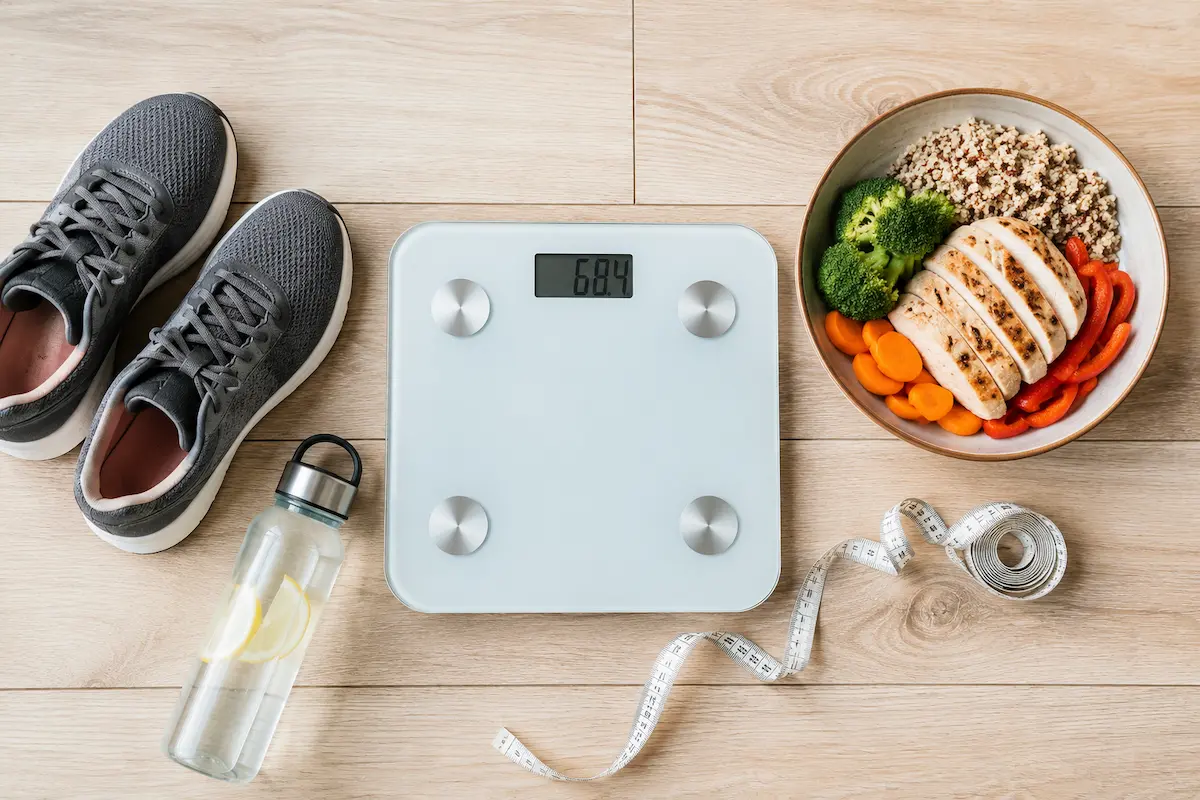
If you’ve ever stepped on the scale after weeks of dieting, exercising, and saying no to foods you enjoy, only to see little or no change, you’re not alone.
One of the most common questions people ask is, “Why am I not losing weight?” It’s frustrating to feel like you’re doing everything right while the scale refuses to move.
The good news is that weight loss is rarely a mystery. Factors like calorie intake, sleep, stress, medications, hydration, and daily habits can all influence your results. It’s also important to remember that weight loss isn’t always linear—normal fluctuations in water, digestion, and hormones can temporarily mask progress.
If you’re not losing weight despite eating healthy or you’ve hit a plateau, identifying the underlying cause is the first step toward getting your progress back on track.
Why You’re Not Losing Weight?
Here are 16 common reasons you may not be losing weight and what you can do about them.
1. You’re Overeating Healthy Foods Without Realizing It
Healthy foods are nutritious, but they still contain calories.
Foods like nuts, seeds, avocados, olive oil, granola, smoothies, and nut butters are rich in nutrients but also calorie-dense. Because they’re often seen as “healthy,” it’s easy to eat larger portions without realizing how quickly the calories add up.
For example, a serving of peanut butter is much smaller than many people expect, and homemade smoothies can easily contain several hundred calories once ingredients like fruit juice, nut butter, oats, yogurt, and protein powder are added.
Even a few extra pours of olive oil can significantly increase the calorie content of a meal.
What You Can Do
Continue eating these nutritious foods, but be mindful of portion sizes. Occasionally measuring servings or checking nutrition labels can help you spot hidden calories and stay on track with your goals.
2. You’re Not Getting Enough Protein
Protein plays a critical role in weight management.
It helps preserve muscle mass during weight loss, increases feelings of fullness, and may reduce hunger throughout the day. Diets that are too low in protein often leave people feeling less satisfied after meals, making it easier to snack frequently or overeat later.
Protein also has a higher thermic effect than carbohydrates and fats, meaning your body uses more energy to digest and process it.
A 2004 review found that higher-protein diets can increase feelings of fullness, boost calorie burning, reduce calorie intake at later meals, and may support greater weight and fat loss, although the long-term evidence remains mixed.
What You Can Do
Include a quality protein source at each meal, such as eggs, fish, poultry, Greek yogurt, tofu, beans, lentils, cottage cheese, or lean meats. If you’re unsure which foods to choose, check out our list of protein-rich foods for weight loss for more ideas.
3. You’re Eating Too Many Refined Carbohydrates
Not all carbohydrates are created equal.
Highly refined carbohydrates such as white bread, pastries, sugary cereals, chips, crackers, and processed snacks are often digested quickly and tend to be less filling than whole-food alternatives. As a result, hunger may return sooner, increasing the likelihood of overeating.
Many refined carbohydrate foods are also easy to consume in large quantities because they combine sugar, starch, fat, and salt in ways that make them highly palatable. This can make portion control more difficult even when you’re trying to eat less.
In contrast, minimally processed carbohydrate sources often contain more fiber, water, and nutrients, all of which contribute to satiety.
This isn’t just theory. In a 2019 study, people eating an ultra-processed diet consumed about 500 more calories per day and gained nearly 1 kg in just two weeks, while those eating minimally processed foods lost a similar amount of weight without intentionally eating less.
What You Can Do
Choose more fiber-rich carbohydrates such as vegetables, fruits, legumes, oats, quinoa, and whole grains. These foods generally keep you fuller for longer and can make maintaining a calorie deficit feel easier.
4. You’re Drinking Too Many Calories
Sugary drinks can add a significant number of calories without making you feel full.
Soft drinks, sweetened coffees, energy drinks, sweet teas, sports drinks, and fruit-flavored beverages often contain large amounts of sugar that can quickly increase daily calorie intake.
Unlike solid foods, liquid calories do a poor job of keeping you full. A study shows that people rarely eat less later to make up for these extra calories, making sugary drinks an easy source of excess energy that can contribute to weight gain.
A meta-analysis of 32 studies found that regularly consuming sugar-sweetened beverages promotes weight gain in both children and adults. Reducing these drinks helped limit weight gain, while adding them to the diet increased body weight.
What You Can Do
Replace sugary beverages with water, sparkling water, unsweetened tea, black coffee, or other low-calorie alternatives whenever possible. If eliminating them completely feels unrealistic, reducing frequency can still make a meaningful difference.
5. Weekend Habits Are Canceling Out Weekday Progress
Many people are highly disciplined during the workweek but become much less structured on weekends.
A few restaurant meals, drinks with friends, takeout, desserts, and larger portions can easily erase the progress created during the week. Because these choices are spread across multiple days, it’s common to underestimate their overall impact.
For example, creating a modest calorie deficit Monday through Friday can be offset by a couple of high-calorie restaurant meals and several alcoholic drinks over the weekend. This can make it seem like your diet isn’t working when the issue is actually inconsistency.
Research supports this pattern. A one-year study found that many people gained weight or stopped losing weight on weekends because they ate more and were less active, slowing overall weight loss despite maintaining a calorie deficit during the week.
What You Can Do
Look at your habits across the entire week rather than focusing only on weekdays. Sustainable moderation usually works better than strict restriction followed by overeating.
6. You’re Overestimating Calories Burned Through Exercise
Exercise is excellent for health, but many people assume it burns far more calories than it actually does.
Fitness trackers, cardio machines, and workout apps often provide estimates that aren’t entirely accurate. Even an intense workout may burn fewer calories than expected.
In fact, one study found that people often made large errors when estimating both the calories they burned during exercise and the calories in a meal, with some overweight adults overestimating exercise calorie burn by as much as 72%.
This becomes a problem when exercise is used to justify extra food intake. Many people unknowingly consume more calories after a workout than they burned during it, especially when rewarding themselves with treats or larger meals.
Exercise remains incredibly valuable for cardiovascular health, fitness, mood, and muscle preservation, but relying on it alone for weight loss can be misleading.
What You Can Do
View exercise primarily as a tool for improving health, fitness, and preserving muscle mass. Let nutrition create most of your calorie deficit and avoid assuming every workout earns additional calories.
7. You’re Not Moving Enough During the Rest of the Day
A daily workout doesn’t automatically mean you’re highly active.
Many people exercise for an hour and then spend most of the remaining day sitting. Daily movement outside structured exercise—walking, standing, household chores, errands, and general activity—can have a major impact on calorie expenditure.
This everyday movement is known as non-exercise activity thermogenesis (NEAT), and it can vary dramatically between individuals. Two people may complete the same workout, but the person who moves more throughout the day may burn significantly more calories overall.
Research highlights just how important this can be. A review found that NEAT can differ by up to 2,000 calories per day between people, and those with obesity tended to spend about 2.5 more hours sitting each day than their lean counterparts.
What You Can Do
Increase your daily step count, take walking breaks, use stairs when possible, park farther away, and reduce long periods of sitting. Small increases in daily movement can add up over time.
8. You’re Not Drinking Enough Water
Hydration plays an important role in overall health and can influence appetite, energy levels, and physical performance.
Sometimes thirst can be mistaken for hunger, leading people to eat when they may actually need fluids. Mild dehydration can also contribute to fatigue, making it less likely that you’ll stay active throughout the day.
Water may also support healthy eating habits by promoting fullness before meals. While drinking water won’t directly cause fat loss, it can make it easier to maintain behaviors that support weight management.
In fact, a clinical trial found that adults who drank about 500 mL of water before meals lost about 2 kg more than those who did not, suggesting that pre-meal water intake may help reduce calorie intake.
What You Can Do
Aim to drink water consistently throughout the day rather than waiting until you feel thirsty. Having a glass of water before meals and carrying a water bottle with you can make it easier to stay hydrated and may help support your weight loss efforts.
9. Poor Sleep Is Affecting Your Appetite
Sleep is one of the most overlooked factors in weight management.
When you don’t get enough sleep, hormones that regulate hunger and fullness can become disrupted. This often leads to increased cravings, larger portions, and a stronger desire for highly processed foods.
Lack of sleep can also reduce energy levels, making it harder to stay active, exercise consistently, and make healthy choices throughout the day. Decision-making tends to suffer when you’re tired, which can increase impulsive eating.
In fact, one study found that even a single night of sleep deprivation reduced resting calorie burning by about 5% and the calories burned after eating by about 20%, while also increasing hunger-related hormones that influence appetite.
What You Can Do
Aim for consistent, high-quality sleep and establish a regular sleep schedule whenever possible. Improving sleep may indirectly improve appetite control, energy levels, and adherence to healthy habits.
10. Chronic Stress Is Influencing Your Eating Habits
Stress affects weight loss in several ways.
Some people eat more when stressed, while others become less active, sleep poorly, or rely on convenience foods. Chronic stress can make healthy habits feel harder to maintain because it consumes mental energy and reduces motivation.
Stress-related eating is often driven by comfort rather than physical hunger. This can lead to frequent snacking, emotional eating, or cravings for highly rewarding foods that are easy to overconsume.
Research suggests that chronic stress can increase cravings for highly palatable foods rich in sugar and fat while also affecting hormones and brain pathways involved in appetite and reward. Over time, these changes may encourage overeating and contribute to weight gain.
What You Can Do
Develop stress-management habits such as walking, meditation, journaling, exercise, deep breathing, therapy, or spending time outdoors. Managing stress often improves multiple aspects of health simultaneously.
11. Alcohol Is Adding More Calories Than You Realize
Alcohol can slow weight loss for multiple reasons.
It contains calories, often stimulates appetite, and can reduce self-control around food choices. A few drinks may lead to late-night snacking, larger restaurant meals, or food decisions that wouldn’t otherwise happen.
A 2010 review found that calories from alcohol are typically added on top of daily food intake rather than replacing other calories. Drinking before or with meals can also increase food intake, making overeating and weight gain more likely, especially with heavier or binge drinking.
Many alcoholic beverages also contain added sugars and mixers that further increase calorie intake. Since alcohol provides 7 calories per gram, cocktails, flavored beverages, and specialty drinks can contribute a surprisingly large number of calories. Over time, heavy alcohol intake may make weight management more difficult and increase the risk of weight gain.
In addition, alcohol may interfere with sleep quality and recovery, which can indirectly affect appetite, energy levels, and exercise performance
What You Can Do
Review your weekly alcohol consumption honestly and consider reducing intake if progress has stalled. Even small reductions can create a meaningful calorie deficit over time.
12. You’re Expecting Results Faster Than Reality Allows
Social media can create unrealistic expectations about weight loss by emphasizing dramatic before-and-after transformations while providing little context about the time and consistency required to achieve them.
As a result, many people expect visible changes within a few weeks and become discouraged when progress is slower.
In reality, sustainable fat loss is usually gradual and may include periods of slower progress or temporary weight loss plateaus. Normal fluctuations in body weight due to water retention, hormones, and digestion can also mask fat loss.
When expectations don’t match reality, people may abandon effective habits prematurely, believing their efforts aren’t working when they simply need more time and consistency.
What You Can Do
Measure success over months rather than days. Consistent progress, even if slow, is often more sustainable and more likely to lead to long-term success than rapid weight loss.
13. Medications or Medical Conditions May Be Playing a Role
Certain medications can affect appetite, fluid retention, metabolism, or body weight.
Examples include some antidepressants, corticosteroids, insulin, and certain psychiatric medications. In some cases, medications may increase hunger or make it easier to gain weight even when eating habits haven’t changed significantly.
Medical conditions such as hypothyroidism, polycystic ovary syndrome (PCOS), insulin resistance, and hormonal disorders can also make weight management more challenging. While these conditions don’t make weight loss impossible, they may require a more individualized approach.
It’s important not to assume that slow or stalled weight loss is always due to poor discipline or lack of effort. In some cases, medications or underlying medical conditions may also contribute, making a personalized approach necessary.
What You Can Do
If you’ve been consistently following a weight loss plan without results, discuss your concerns with a healthcare professional. Identifying underlying factors can help you create a more effective strategy.
14. You’ve Reached a Weight Loss Plateau
Weight loss plateaus are a normal part of the process.
As you lose weight, your body requires fewer calories to function because there is less body mass to support. The calorie deficit that produced results initially may become smaller over time, even if your eating habits haven’t changed.
In addition, people often become less precise with portions after months of dieting. Small increases in calorie intake combined with reduced calorie needs can gradually slow progress.
Plateaus don’t necessarily mean something is wrong. As your body becomes lighter, it needs fewer calories to function than it did before. This means the calorie deficit that once drove weight loss may shrink over time, and small adjustments to your diet or physical activity may be needed to continue making progress.
What You Can Do
Reassess your calorie intake, activity level, protein intake, and portion sizes. Small adjustments are often enough to restart progress without making drastic changes.
15. You’re Relying on the Scale as Your Only Measure of Success
Body weight is only one indicator of progress.
You may be losing body fat, reducing your waist circumference, improving fitness, gaining strength, or improving important health markers without seeing dramatic changes on the scale. For people who are new to strength training or returning after a break, muscle gain and temporary changes in water retention can also mask fat loss.
In addition, hydration, sodium intake, glycogen stores, digestion, and hormonal fluctuations can cause normal day-to-day changes in body weight.
Instead of relying only on the scale, track other measures such as waist circumference, clothing fit, strength, fitness, and progress photos to get a more complete picture of your progress.
What You Can Do
Track additional measures such as waist measurements, progress photos, clothing fit, strength gains, fitness performance, and energy levels. These indicators often provide a more complete picture of progress.
16. Your Approach Isn’t Sustainable
One of the biggest reasons people struggle with weight loss is that they follow a plan they can’t realistically maintain.
Extreme calorie restriction, eliminating entire food groups, skipping meals, or relying on willpower alone can make a weight loss plan difficult to sustain. Although these approaches may produce short-term results, they’re often hard to maintain over time.
When a plan feels overly restrictive, people are more likely to abandon it and return to previous habits. This cycle of losing and regaining weight can make long-term progress more difficult.
The most effective weight loss strategies are usually the ones that fit into everyday life. Instead of relying on extreme rules, they focus on sustainable habits that can be maintained consistently over the long term.
What You Can Do
Focus on building habits you can maintain long term. Small, sustainable changes usually outperform extreme diets in the long run because consistency matters more than perfection.
Final Thoughts
If you’re wondering why you’re not losing weight, remember that successful weight loss is rarely about a lack of willpower. More often, it’s the result of small factors that gradually add up over time.
Rather than searching for a quick fix, focus on identifying the habits that may be holding you back and make changes you can realistically maintain.
Weight loss isn’t always linear, but consistent, sustainable habits are far more likely to produce lasting results than extreme diets or short-term solutions.