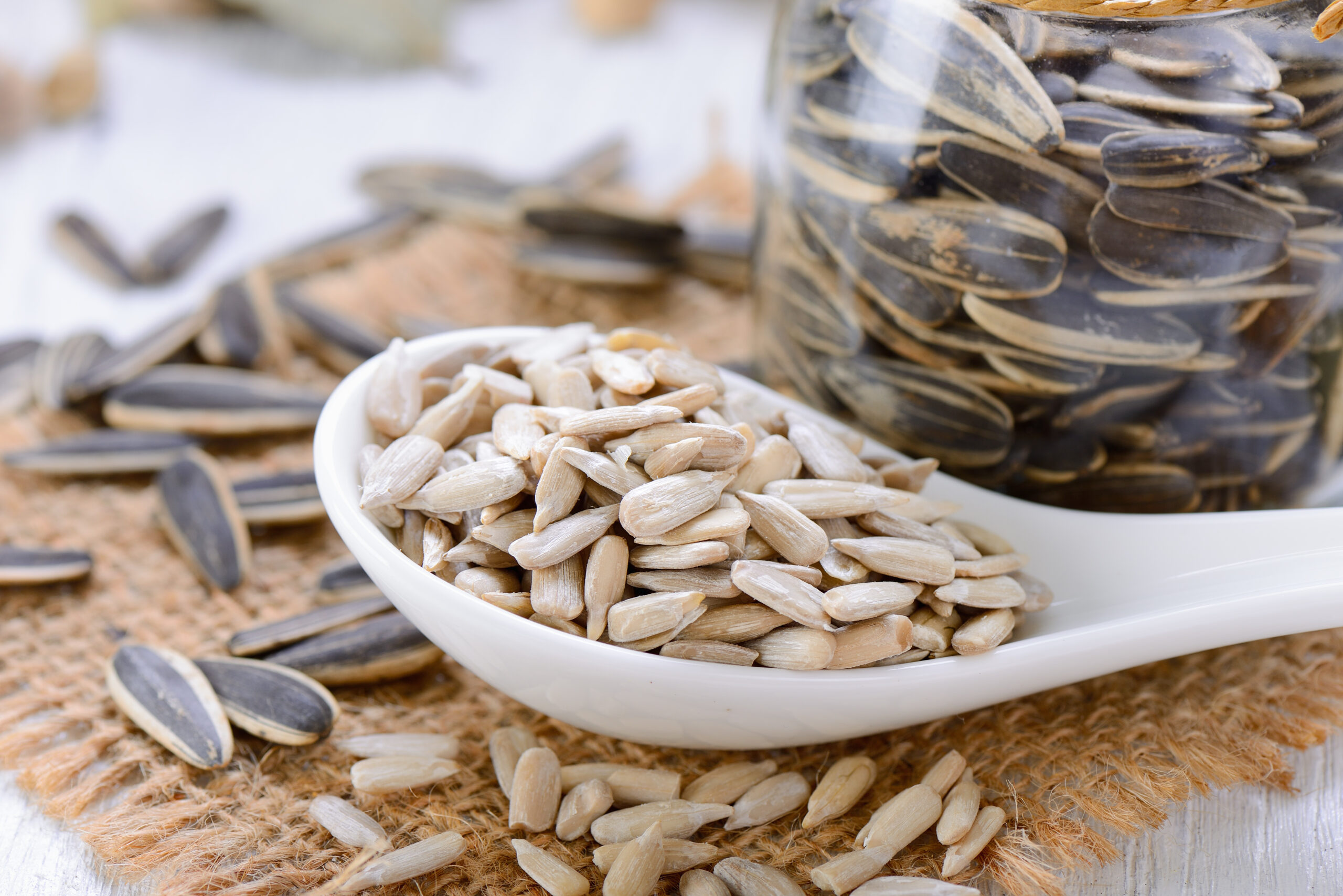
Sunflower seeds may be small, but they’re packed with nutrients that support healthy hair.
They provide vitamin E, healthy fats, protein, zinc, and selenium, all of which play important roles in protecting hair follicles, supporting the scalp, and promoting normal hair growth.
While no single food can transform your hair overnight, regularly eating nutrient-rich foods like sunflower seeds may help support stronger, healthier hair as part of a balanced diet.
In this article, you’ll discover the potential benefits of sunflower seeds for hair and learn how they may support stronger, healthier hair as part of a balanced diet.
Nutritional Value
Here’s the nutrional value of one cup of sunflower seeds with hulls (edible yield 46 grams):
- Calories: 269 kcal
- Protein: 9.6 g
- Fat: 23.7 g
- Saturated Fat: 2.05 g
- Monounsaturated Fat: 8.51 g
- Polyunsaturated Fat: 10.6 g
- Carbohydrates: 9.2 g
- Sugars: 1.2 g
- Fiber: 4 g
- Vitamin E: 16.2 mg (108% Daily Value (DV))
- Thiamine: 0.68 mg (57% DV)
- Riboflavin: 0.163 mg (13% DV)
- Niacin: 3.84 mg (24% DV)
- Pantothenic Acid: 0.52 mg (10% DV)
- Vitamin B6: 0.62 mg (48% DV)
- Folate: 104 mcg (26% DV)
- Iron: 2.42 mg (13% DV)
- Magnesium: 150 mg (35% DV)
- Phosphorus: 304 mg (24% DV)
- Potassium: 297 mg (6% DV)
- Zinc: 2.3 mg (21% DV)
- Copper: 0.83 mg (92% DV)
- Manganese: 0.90 mg (39% DV)
- Selenium: 24.4 mcg (44% DV)
Sunflower Seeds Benefits for Hair
Sunflower seeds contain several nutrients that support healthy hair from different angles, including protecting hair follicles, nourishing the scalp, and providing the building blocks needed for normal hair growth.
May Prevent Hair Loss
Hair loss can have many causes, including genetics, hormonal changes, stress, nutrient deficiencies, inflammation, and certain medical conditions. While sunflower seeds cannot treat every cause of hair loss, they provide several nutrients that support normal hair health.
They are rich in vitamin E, healthy fats, protein, magnesium, zinc, selenium, and other antioxidants that help protect hair follicles from oxidative stress and support a healthy scalp.
Vitamin E and other antioxidant compounds may also help reduce oxidative stress and support normal inflammatory responses, both of which are important for maintaining healthy hair follicles.
Poor nutrition is another factor that can contribute to hair thinning. Research has linked deficiencies in nutrients such as protein, zinc, iron, selenium, and certain vitamins with different types of hair loss. By supplying several of these nutrients, sunflower seeds can help support healthy hair growth as part of a balanced diet.
Because sunflower seeds provide several of these nutrients, they can help support healthy hair as part of a balanced diet. However, there is limited evidence that sunflower seeds or their supplements prevent hair loss in people without nutritional deficiencies.
If you experience sudden, severe, or persistent hair loss, it is important to consult a healthcare professional to identify the underlying cause, as nutritional supplements are unlikely to help unless a deficiency is present.
May Support Healthy Hair Growth
Sunflower seeds provide several nutrients involved in normal hair growth, including vitamin E, zinc, protein, healthy fats, and other antioxidants that help support healthy hair follicles and scalp function.
Research suggests that deficiencies in nutrients such as zinc, protein, iron, and certain vitamins can contribute to hair thinning. Because sunflower seeds provide several of these nutrients, they can help support healthy hair as part of a balanced diet.
Although sunflower seeds also contain biotin, they are not a particularly rich source. Current evidence suggests that biotin supplements are unlikely to improve hair growth in people without a deficiency, and true biotin deficiency is uncommon.
Overall, there is limited evidence that sunflower seeds or their nutrients stimulate hair growth in people without nutritional deficiencies.
However, they remain a nutritious food that can help support normal hair health and may be especially beneficial for individuals whose diets are lacking in key nutrients.
May Help Protect Against Premature Hair Graying
Premature hair graying is influenced by several factors, including genetics, aging, oxidative stress, and certain nutrient deficiencies.
Oxidative damage to hair follicles can impair the cells responsible for producing melanin, the pigment that gives hair its natural color.
Sunflower seeds provide antioxidants such as vitamin E, phenolic compounds, and carotenoids that help protect cells from oxidative stress. They are also an excellent source of copper, a mineral required for the activity of tyrosinase, the enzyme involved in melanin production.
Although these nutrients support normal hair pigmentation, there is currently no direct evidence that eating sunflower seeds prevents or reverses premature graying. They are best viewed as part of an overall nutrient-rich diet that supports healthy hair.
May Protect Hair from Damage
Hair is exposed daily to environmental stressors such as ultraviolet (UV) radiation, pollution, and free radicals, all of which can damage hair proteins and weaken hair over time.
Sunflower seeds are an excellent source of vitamin E and other antioxidants that help protect hair follicles and surrounding tissues from oxidative stress. A 46-gram serving of roasted sunflower seeds provides around 16 mg of vitamin E, or approximately 108% of the Daily Value.
While sunflower seeds cannot repair existing hair damage, regularly including antioxidant-rich foods in your diet may help support healthier hair and reduce oxidative damage over time.
May Help Support Hair and Scalp Moisture
Healthy hair depends on a healthy scalp. When the scalp’s protective barrier is compromised, it can lose moisture more easily, contributing to dryness and irritation.
Sunflower seeds are rich in essential fatty acids, particularly linoleic acid (an omega-6 fatty acid), which plays an important role in maintaining the skin barrier. A healthy scalp barrier helps reduce water loss and supports normal moisture levels.
While there is no direct evidence that sunflower seeds treat dry hair or dandruff, including healthy fats as part of a balanced diet may help support overall scalp health and hair condition.
Recommended Daily Serving
A serving of about 30 grams (roughly a handful) of sunflower seeds is a practical daily amount. It provides vitamin E, healthy fats, protein, and several minerals that support overall hair and scalp health without adding excessive calories.
Because sunflower seeds are calorie-dense, moderation is still important.
How to Incorporate Sunflower Seeds into Your Haircare Routine
To get the most out of sunflower seeds for your hair, consider the following ways to include them in your haircare routine:
Diet
- Snacks: Eat a handful of raw or roasted sunflower seeds as a snack.
- Salads: Sprinkle sunflower seeds over your salads for an added crunch and nutritional boost.
- Smoothies: Add a tablespoon of sunflower seeds to your smoothies.
- Baking: Include sunflower seeds in your baking recipes, such as bread, muffins, and cookies.
- Breakfast: Mix sunflower seeds into your yogurt, oatmeal, or cereal.
DIY Sunflower Seed Hair Treatments
Although scientific evidence is limited, some people enjoy using sunflower seeds in homemade hair care recipes for their moisturizing and conditioning properties.
- Sunflower Seed Hair Mask: Blend finely ground sunflower seeds with yogurt or honey to create a nourishing hair mask that may help soften dry hair.
- Sunflower Seed Scalp Scrub: Mix ground sunflower seeds with a carrier oil and a gentle exfoliant such as sugar to help remove product buildup and leave the scalp feeling refreshed. Avoid vigorous scrubbing, especially if your scalp is sensitive.
- Sunflower Seed Milk Rinse: Blend soaked sunflower seeds with water, strain the mixture, and use it as a final hair rinse to add temporary softness and shine.
While these treatments may improve the look and feel of your hair, there is currently little scientific evidence that they promote hair growth or prevent hair loss. The strongest evidence supports eating sunflower seeds as part of a balanced diet rather than applying them directly to the hair or scalp.
Conclusion
Sunflower seeds are a nutrient-dense food that provides vitamin E, healthy fats, protein, zinc, selenium, and other nutrients important for normal hair and scalp health.
While they are not a cure for hair loss or premature graying, regularly including sunflower seeds as part of a balanced diet may help support healthy hair by providing nutrients involved in hair growth, follicle function, and protection against oxidative stress.
For the best results, focus on an overall nutrient-rich eating pattern rather than relying on any single food. Consistent healthy habits are far more important for long-term hair health than any individual ingredient.
You may also explore
9 Types of Millets and Their Benefits
7 Surprising Benefits of Blue Tea
9 Mesmerizing Benefits of Coriander and Mint Juice