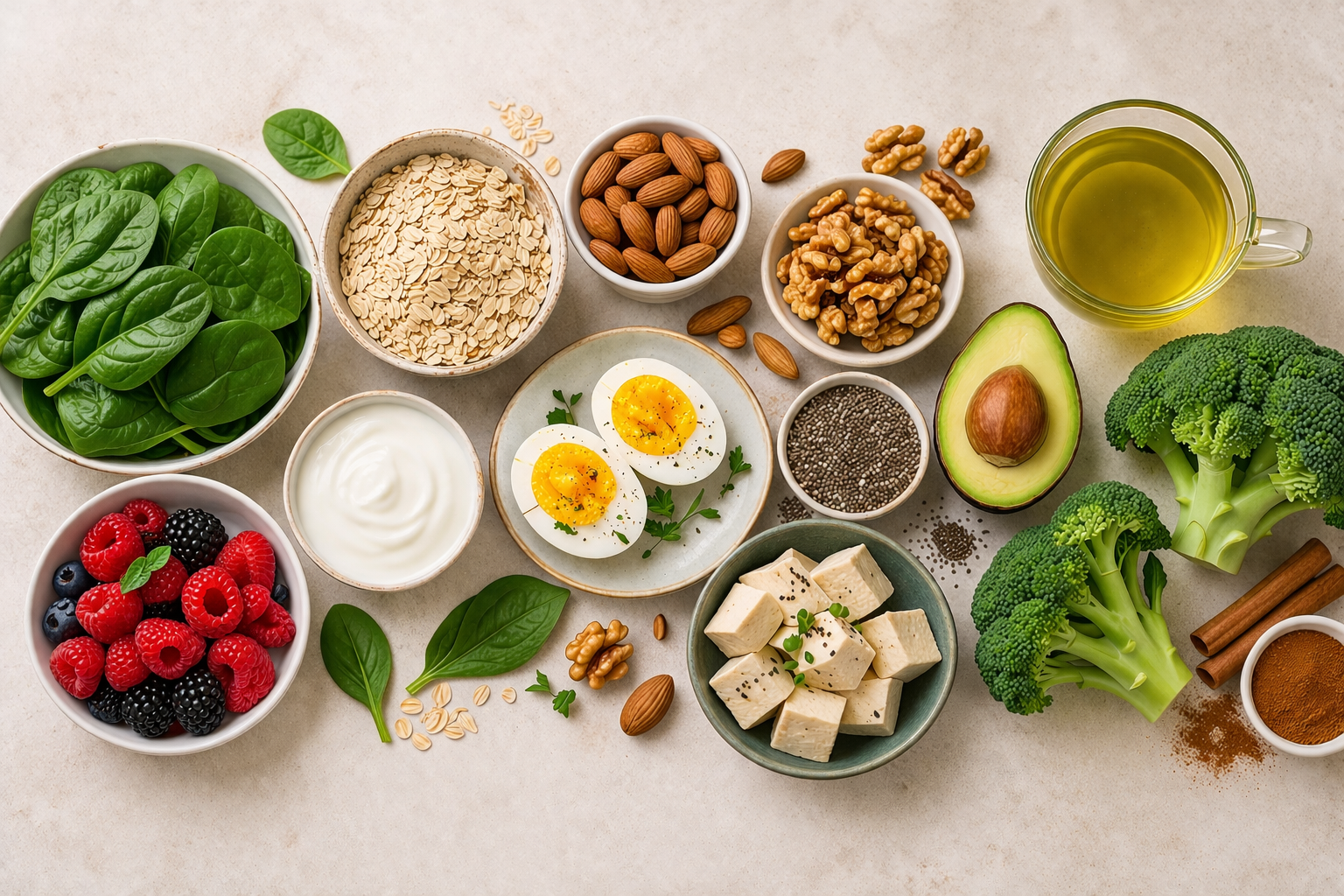
Polycystic Ovary Syndrome (PCOS) is often explained in medical terms—hormones, insulin resistance, irregular cycles—but what most people actually struggle with is day-to-day management.
What do you eat? What should you avoid? And why does it feel like the same foods that work for others don’t work for you?
That confusion is valid.
PCOS affects how your body handles insulin, which directly impacts hunger, energy levels, and fat storage. It also influences inflammation and hormone balance. That’s why food choices matter more than usual. Not in a restrictive or extreme way, but in a consistent, practical way.
The goal is not to follow a perfect diet. It’s to choose foods that keep blood sugar steady, reduce unnecessary inflammation, and support your body’s natural rhythm.
Foods to Eat for PCOS
Here are some of the best foods to include in a PCOS-friendly diet:
1. Spinach and Leafy Greens
Leafy greens like spinach, kale, and amaranth are low in calories but rich in nutrients that matter for PCOS. They provide iron, magnesium, and fiber, which support energy levels and metabolic health.
Regular intake of leafy greens is associated with better metabolic health, which can support insulin sensitivity and overall metabolic function in PCOS.
Women with PCOS often have insulin resistance that isn’t explained by overeating or inactivity.
Research shows lower intake of fiber and magnesium is linked to higher insulin levels and androgen hormones. Increasing these nutrients may help improve insulin resistance and hormone balance.
2. Oats
Oats are a strong carbohydrate choice for PCOS because they release energy slowly. This helps keep blood sugar stable and reduces sudden hunger.
They are also rich in soluble fiber, particularly beta-glucan, which may help improve insulin sensitivity over time.
A 2025 review suggests that higher fiber intake is associated with better blood sugar control and improved metabolic markers in women with PCOS, although its direct effects on hormones remain unclear and require further research.
Starting your day with oats instead of refined carbs can make a noticeable difference in energy and cravings.
3. Whole Eggs
Whole eggs are one of the most underrated foods for PCOS.
They provide high-quality protein and healthy fats, both of which slow down glucose absorption. That means fewer blood sugar spikes—and that directly helps reduce insulin resistance.
Eating eggs for breakfast can keep you full longer and reduce cravings later in the day. That alone can make a noticeable difference.
4. Fatty Fish
Fatty fish like salmon, sardines, and mackerel provide omega-3 fatty acids, which help reduce inflammation.
Low-grade chronic inflammation is often seen in women with PCOS, and reducing it may support better metabolic health.
These fats may also help improve insulin sensitivity and support heart health, which is important since PCOS can increase the risk of cardiovascular disease and type 2 diabetes over time.
5. Greek Yogurt
Unsweetened yogurt or curd provides protein and probiotics. Protein supports satiety, while probiotics help maintain a healthy gut environment.
A healthy gut may support better metabolic health and reduce inflammation, which are important factors in managing PCOS.
Some research in adolescents with PCOS suggests probiotics may improve markers like insulin resistance and lipid levels, although more research is needed.
Choosing plain versions without added sugar is important, as sweetened options can spike blood sugar and counter the benefits
6. Berries
Berries such as strawberries, blueberries, and blackberries are lower in sugar compared to many fruits and are packed with flavonoids, particularly anthocyanins.
These compounds help reduce oxidative stress and inflammation. Some research suggests flavonoids may also improve insulin sensitivity and support metabolic and reproductive health in women with PCOS, although more human studies are needed.
The fiber content also helps control blood sugar levels, making berries a better fruit choice for people managing PCOS.
7. Lentils
Lentils are rich in plant-based protein and fiber, which makes them ideal for stabilizing blood sugar. They digest slowly, preventing rapid spikes and crashes.
Lentils are also a good source of iron and B vitamins, which support energy production.
Similar benefits are seen in other pulses like chickpeas and beans.
A clinical study found that a pulse-based diet helped improve insulin response, cholesterol levels, and overall heart health markers in women with PCOS, although these results were part of a broader lifestyle program.
8. Quinoa
Quinoa is a whole grain that provides carbohydrates, protein, and fiber, making it more balanced than refined grains.
Unlike refined grains, it has a lower glycemic impact, meaning it doesn’t cause sharp increases in blood sugar.
It also contains important minerals like magnesium, which plays a role in insulin function. Quinoa can be a useful alternative to white rice.
9. Nuts
Nuts offer a combination of healthy fats, protein, and fiber. This combination helps keep blood sugar stable and reduces cravings between meals.
Almonds and walnuts are particularly useful because they also contain compounds that support heart health.
A study in women with PCOS found that eating almonds or walnuts daily for six weeks improved cholesterol levels. Walnuts also improved blood sugar markers and increased sex hormone-binding globulin (SHBG), while almonds reduced androgen levels, suggesting nuts may support metabolic and hormonal health.
Portion control matters, as nuts are calorie-dense, but small amounts are effective.
10. Flaxseeds
Flaxseeds may help support hormone balance.
They contain lignans, which may influence hormone activity and are often studied in PCOS.
A 12-week study in women with PCOS found that adding flaxseed to the diet improved certain hormone patterns linked to ovulation, although not all hormone levels changed and more research is needed.
They’re also rich in omega-3 fats and fiber, both of which support insulin sensitivity.
One important point: Eat them ground, not whole. Whole flaxseeds pass through undigested.
1–2 teaspoons daily is enough.
11. Chia Seeds
Chia seeds are similar to flaxseeds but with a slightly different nutrient profile.
They are rich in fiber, omega-3 fatty acids, and protein.
They help slow digestion and stabilize blood sugar.
They also expand in the stomach, which increases satiety and helps control appetite.
A tablespoon a day is enough.
12. Sweet Potatoes
Sweet potatoes are a better carbohydrate choice than refined grains, especially for managing blood sugar. Their fiber content and lower glycemic index help release energy more steadily, which can support insulin control in Polycystic Ovary Syndrome.
They are also rich in beta-carotene, which supports overall health.
When eaten in moderate portions, sweet potatoes can be a simple and satisfying addition to a PCOS-friendly diet.
13. Avocado
Avocado is rich in monounsaturated fats, which help improve insulin sensitivity and support heart health.
It also contains fiber, which aids digestion and helps maintain steady blood sugar levels.
A 2024 review suggests that diets higher in healthy fats, particularly monounsaturated fats, may support fertility outcomes in women with PCOS, although more research is needed.
Including avocado in meals can make them more satisfying and reduce the likelihood of overeating later.
14. Chicken Breast
Lean protein sources like chicken breast are important for maintaining muscle mass and supporting metabolism.
Protein helps regulate appetite and reduces blood sugar fluctuations after meals.
Including a good source of protein in each meal is one of the most effective ways to manage PCOS symptoms through diet.
15. Tofu
Tofu is a plant-based protein option that works well for vegetarians. It provides protein without adding saturated fat and helps maintain stable energy levels.
It also contains soy isoflavones, which may support hormone balance, improve insulin resistance, and reduce inflammation in women with PCOS.
Current evidence is promising, but more human studies are needed to confirm these effects.
16. Broccoli and Cruciferous Vegetables
Cruciferous vegetables like broccoli, cauliflower, and cabbage contain compounds such as I3C and sulforaphane that may support healthy estrogen metabolism and antioxidant pathways. This may help with overall hormone balance, including in conditions like Polycystic Ovary Syndrome.
They are also rich in fiber and antioxidants, which support gut health and reduce inflammation.
However, most evidence comes from lab and animal studies, so more human research is needed.
17. Cinnamon
Cinnamon is not a food on its own but works well as a functional addition. It may help improve insulin sensitivity and reduce blood sugar spikes when added to meals.
A study in women with PCOS found that adding cinnamon (1000 mg/day) to Metformin for 12 weeks reduced blood sugar, insulin, estradiol, body weight, and BMI.
A review also suggests cinnamon may improve insulin sensitivity, hormone levels, blood pressure, and weight, though more research is needed to confirm these effects.
While the effect is modest, using it regularly in oats, smoothies, or teas can provide small but useful benefits.
18. Green Tea
Green tea contains antioxidants that may support metabolic health, reduce inflammation, and slightly improve insulin sensitivity.
A study in women with Polycystic Ovary Syndrome found that green tea reduced weight, BMI, and waist and hip measurements compared to baseline, suggesting potential benefits for managing obesity.
Also, a meta-analysis in women with PCOS found tea, especially green tea, reduced body weight, fasting blood sugar, and insulin levels, with some improvements in hormones. Effects varied by duration and population, and no significant side effects were reported.
Replacing sugary beverages with green tea can reduce calorie intake and support overall health without major dietary changes.
19. Apples
Apples provide fiber, especially pectin, which helps slow digestion and support more stable blood sugar levels—important for managing insulin resistance in Polycystic Ovary Syndrome.
They also make a convenient snack and can help reduce cravings for processed foods.
Pairing apples with a protein source like nuts can improve satiety and keep energy levels more stable.
What Matters More Than Individual Foods
Focusing only on individual foods is a mistake. PCOS management depends more on patterns than on single ingredients.
Meals should include a balance of protein, healthy fats, and fiber. This combination slows digestion and keeps blood sugar stable. Skipping meals or relying heavily on refined carbohydrates tends to worsen symptoms.
Consistency matters more than perfection. Eating well most of the time is far more effective than following a strict plan for a short period.
Foods to Limit
You don’t need to eliminate entire food groups, but some foods make PCOS harder to manage when consumed frequently.
Highly processed foods, sugary drinks, and refined carbohydrates like white bread and pastries can cause rapid blood sugar spikes. Over time, this worsens insulin resistance, which is a key issue in PCOS.
The goal is not complete avoidance. It’s reducing how often these foods appear in your daily routine.
Common Mistakes That Make PCOS Worse
Let’s be direct. These mistakes are extremely common:
1. Going too low-carb too quickly
This often backfires and leads to cravings and binge eating.
Fix: Reduce refined carbs first, not all carbs.
2. Over-relying on “healthy” packaged foods
Granola, protein bars, flavored yogurt—most are loaded with sugar.
Fix: Stick to whole foods as much as possible.
3. Skipping meals
This worsens blood sugar control and increases cravings later.
Fix: Eat balanced meals at regular intervals.
4. Ignoring protein intake
Low protein = unstable blood sugar.
Fix: Include protein in every meal.
The Bottom Line
Managing Polycystic Ovary Syndrome through food is not about following a perfect diet or chasing quick results. It comes down to making consistent choices that support stable blood sugar, reduce inflammation, and keep energy levels steady.
The foods listed above work because they target these core issues. They are practical, accessible, and easy to include in everyday meals without overcomplicating your routine.
There is no single food that can fix PCOS. But the right combination, followed consistently, can make symptoms easier to manage and improve how you feel day to day.
If symptoms are severe, persistent, or not improving, it’s important to consult a healthcare professional for proper evaluation and treatment.