Wisdom teeth removal isn’t just about getting through a few painful days. It’s a short window where your body is actively repairing tissue, stabilizing clots, and rebuilding the affected area.
What you eat during this time directly affects how well that process works.
Most people take the easy route. They focus only on texture and ignore nutrition. Soft foods like ice cream, plain pasta, and sugary snacks feel comfortable, but they don’t support healing. They lack protein, lack micronutrients, and often increase sugar exposure in the mouth.
That combination slows recovery.
The better approach is simple:
Choose foods that are soft enough to avoid irritation but strong enough to support tissue repair.
What Makes a Food Safe After Wisdom Teeth Removal
A food is only safe if it protects the extraction site while still supporting healing.
First, it should require little to no chewing. Pressure from chewing can disturb the blood clot and increase discomfort.
Second, the texture should be smooth. Foods with seeds, grains, or rough edges can get trapped in the socket and cause irritation.
Third, it should be mild in temperature and flavor. Very hot, spicy, or acidic foods can irritate the wound.
Finally, it should provide nutritional value. Protein, vitamins, and enough calories are essential for tissue repair. Soft foods that lack these nutrients slow recovery rather than support it.
Soft Foods to Eat After Wisdom Teeth Removal
Each food below is chosen for both softness and its role in healing after wisdom tooth removal—because texture alone isn’t enough.
1. Scrambled Eggs
Eggs are one of the most efficient recovery foods because they deliver complete protein in a form that requires almost no chewing.
Two eggs provide over 12 g of protein along with vitamin B12 and choline, both essential for cell repair and tissue regeneration. Protein is the limiting factor in healing—if intake is low, recovery slows.
The key is texture. Eggs should be soft and slightly moist. Overcooked eggs become rubbery, which increases chewing effort and discomfort.
Eat them plain or mix into soft foods like mashed potatoes for easier intake.
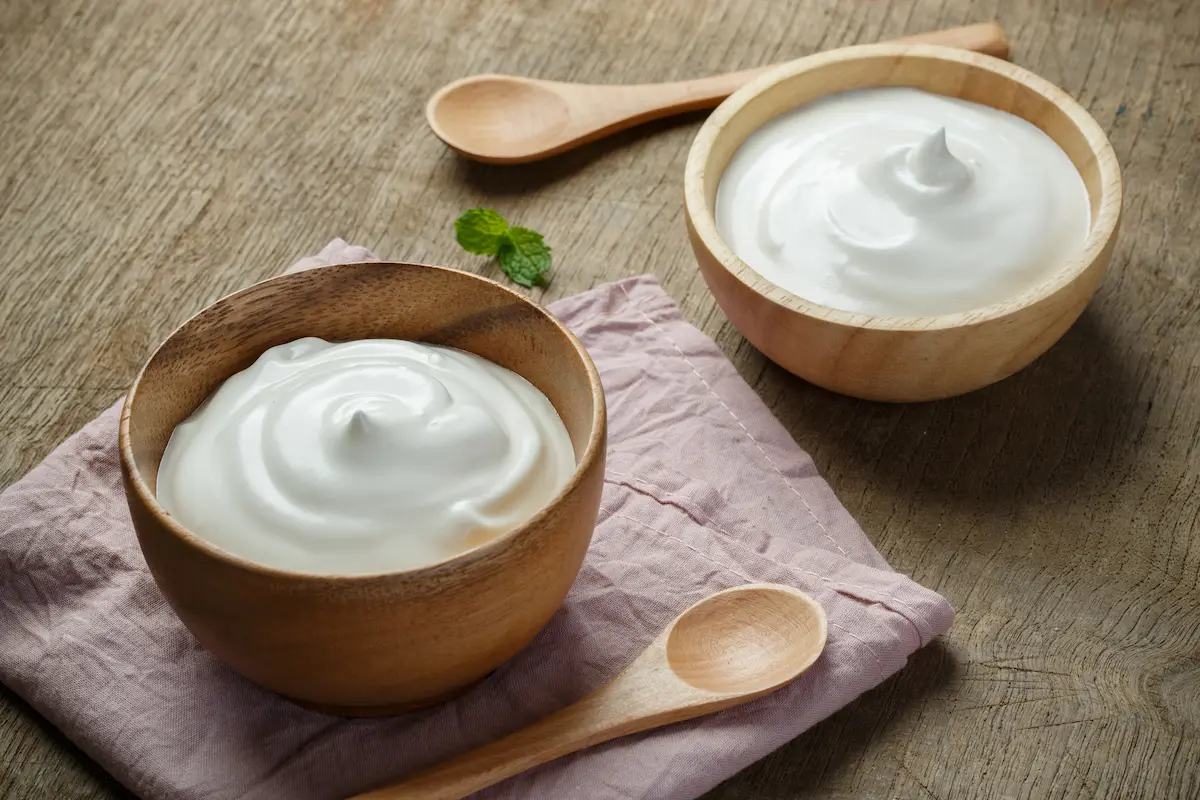
2. Greek Yogurt (Plain)
Greek yogurt works because it combines protein, calcium, and probiotics in a smooth, easy-to-eat form.
A 100 g serving provides about 9 g of protein and contributes to daily calcium needs, which supports bone healing in the jaw.
Probiotics also help maintain a balanced oral and gut environment, which can be affected when brushing is difficult.
The mistake to avoid is choosing flavored yogurt. Added sugar increases bacterial growth near the extraction site, which can interfere with healing.
3. Cottage Cheese
Cottage cheese provides slow-digesting casein protein, which supports continuous tissue repair over several hours.
Half a cup (110 g) delivers around 13 g of protein along with calcium and phosphorus, both important for bone recovery.
Its soft texture makes it easy to eat, but large curds can still require slight chewing. If needed, mash it lightly or choose smoother varieties.
Avoid salted or flavored versions that may irritate the gums.
4. Ricotta Cheese
Ricotta is softer and creamier than most cheeses, especially when made from whole milk, making it easier to tolerate early in recovery. It provides around 9 g of protein per half cup (124 g) along with calcium for bone support.
Whole milk ricotta has a smoother, more spreadable texture than part-skim versions, which can feel slightly grainy and require more effort to eat.
Unlike firmer cheeses, ricotta requires minimal chewing, which reduces pressure on the extraction site. It can be eaten alone or mixed into soft foods like oatmeal or mashed vegetables to improve both texture and nutritional value.
5. Soft Tofu
Tofu is one of the easiest plant-based protein sources to consume during recovery.
Silken or soft tofu requires almost no chewing and provides around 7 g of protein per 100 grams, along with calcium if it’s calcium-set.
Protein supports tissue repair, while calcium supports bone healing. Tofu can be eaten plain, blended into smoothies, or added to soups.
Avoid firm tofu early on, as it requires more chewing.
6. Mashed Sweet Potatoes
Sweet potatoes are more than just soft carbohydrates. They are rich in beta-carotene, which the body converts into vitamin A—a key nutrient for tissue repair and immune function.
They also provide fiber and potassium. The texture should be completely smooth, with no skin or lumps.
Adding a small amount of yogurt or olive oil can improve both calorie content and ease of swallowing.
7. Mashed Potatoes (Enriched)
Mashed potatoes are easy to eat, but on their own, they lack protein.
A medium potato provides potassium and carbohydrates, which help maintain energy levels, but they don’t support repair directly.
To make them effective, add milk, yogurt, or butter. This increases both calorie density and nutritional value. The goal is not just comfort—it’s making the food contribute to recovery.
8. Oatmeal (Well-Cooked)
Oatmeal provides soluble fiber, which helps stabilize blood sugar and supports digestion when your diet changes. It also contains magnesium, which plays a role in nerve and muscle function.
The key is cooking it longer than usual until it becomes smooth. Dry or undercooked oats create texture that can irritate the extraction site.
Avoid toppings like nuts or seeds.
9. Cream of Wheat (With Milk)
This is one of the easiest grains to tolerate in the early days. It has a smooth consistency and requires no chewing.
On its own, it’s mostly carbohydrates, so preparing it with milk improves protein and calcium content. This turns it from a filler food into a more balanced option.
10. Protein Smoothies
A properly built smoothie is one of the most efficient ways to meet your nutritional needs during recovery. It requires no chewing and can deliver protein, calories, and micronutrients in one serving.
Use milk, yogurt, tofu, or protein powder as a base. Add soft fruits like banana.
A well-balanced smoothie can easily provide 20–30 grams of protein.
Avoid seeds and drink from a cup, not a straw, to prevent clot disruption.
11. Protein Shakes
Protein shakes are useful when appetite is low or eating feels difficult. They provide a controlled and reliable way to maintain protein intake, which is critical for tissue repair.
Choose options with minimal added sugar and a smooth consistency. Thick or gritty textures can be uncomfortable.
12. Avocado (Mashed)
Avocado is rich in monounsaturated fats, which help maintain calorie intake when eating less.
It also provides potassium and vitamin E, both of which support overall tissue health.
Its naturally soft texture makes it ideal, but it should still be mashed fully to avoid any need for chewing.
13. Hummus
Hummus combines chickpeas, olive oil, and tahini, making it a nutrient-dense option with protein, fiber, iron, and healthy fats.
Its smooth texture makes it easy to eat, but it should be completely smooth with no coarse particles.
It works well as a spread or eaten on its own.
14. Blended Lentil Soup
Lentils are one of the best plant-based sources of protein and iron.
A cup (255 g) of lentil soup provides about 10 g of protein, which supports tissue repair.
Blending is critical. Whole lentils can create texture that gets trapped in the socket. A smooth consistency makes it both safe and effective.
15. Bone Broth
Bone broth is useful in the early phase when appetite is low. It provides hydration, electrolytes, and small amounts of protein and collagen.
While not a primary protein source, it supports overall recovery and is easy to consume when solid food feels difficult.
16. Soft Shredded Chicken
Chicken provides high-quality protein, typically around 20–25 grams per serving. This supports tissue repair and helps maintain steady healing.
The texture must be very soft and finely shredded. Large or dry pieces increase chewing effort and can irritate the wound.
17. Soft Baked Salmon
Salmon is valuable because it combines protein with omega-3 fatty acids.
Omega-3s help manage inflammation, which is a natural part of the healing process.
The fish should be soft and flaky. Avoid crispy or grilled edges.
18. Steamed and Mashed Carrots
Carrots are rich in beta-carotene, which the body converts into vitamin A. Vitamin A plays a direct role in tissue repair and supports immune function during recovery.
Cooking carrots until very soft breaks down their fibrous structure, making them easier to tolerate. Mashing them fully removes the need for chewing and reduces the risk of irritation near the extraction site.
They can be eaten alone or combined with protein-rich foods like eggs or yogurt to improve overall nutritional balance.
19. Mashed Pumpkin
Pumpkin provides vitamin A along with small amounts of fiber, making it useful for supporting tissue repair while remaining easy to digest.
Its naturally soft texture makes it suitable in the early recovery phase, but it should still be mashed completely to avoid any chunks. Adding milk or yogurt can improve both calorie and protein content.
It works well as a base food when appetite is low and chewing feels uncomfortable.
20. Unsweetened Applesauce
Applesauce is easy to swallow and provides quick carbohydrates for energy when eating feels difficult. It’s especially useful in the first few days when chewing is limited.
However, it contains very little protein, which limits its role in recovery. It should be paired with protein-rich foods like yogurt or cottage cheese to make it more balanced.
Always choose unsweetened versions to avoid excess sugar exposure around the healing site.
21. Mashed Banana
Bananas provide potassium and vitamin B6, both of which support nerve function and energy levels during recovery. They also offer quick, easily digestible carbohydrates.
Their naturally soft texture makes them easy to eat, but mashing ensures there’s no need for chewing. This reduces pressure on the extraction area.
They can be added to smoothies, oatmeal, or yogurt to increase both calories and overall nutrient intake.
22. Blended Spinach
Spinach is rich in iron and folate, which support oxygen transport and help maintain energy levels when food intake is reduced.
Raw or lightly cooked spinach is too fibrous, which can cause irritation. Blending it into soups or purees removes this issue and makes it easier to consume safely.
It works best when combined with other foods rather than eaten alone, as this improves both taste and overall nutrient balance.
23. Soft Pasta with Protein Sauce
Pasta provides carbohydrates that help maintain energy levels when overall intake drops during recovery.
On its own, it lacks protein, which limits its effectiveness. Adding a protein source like lentils, shredded chicken, or soft cheese turns it into a balanced meal that supports tissue repair.
Cook pasta until very soft and avoid thick or chunky sauces that may require chewing or irritate the wound.
24. Soft-Cooked Quinoa
Quinoa is a complete plant protein, meaning it provides all essential amino acids needed for tissue repair.
It also contains fiber, magnesium, and iron, which support overall recovery. However, its natural grain texture can be slightly firm if undercooked.
Cook it with extra water until very soft to reduce texture and make it easier to tolerate.
25. Chia Pudding (Fully Soaked)
Chia seeds provide omega-3 fatty acids, fiber, and small amounts of protein, all of which support overall healing and help manage inflammation.
The key is preparation. Chia seeds must be fully soaked until they form a smooth, gel-like consistency. Dry or partially soaked seeds can irritate the extraction site or get trapped.
Prepared correctly, chia pudding is easy to swallow and can be combined with milk or yogurt to improve its nutritional value.
Foods to Avoid After Wisdom Teeth Removal
Certain foods increase the risk of irritation, infection, or delayed healing.
Crunchy foods like chips and nuts can break into small pieces and get lodged in the socket. Sticky foods such as caramel or chewing gum cling to teeth and are difficult to clean. Spicy and acidic foods can irritate the wound and increase discomfort.
Foods with seeds or coarse textures are also a problem because they can become trapped in the extraction area.
Avoid these completely during the first week to reduce the risk of complications.
How to Get Enough Protein on a Soft Diet
Protein is the most important nutrient during recovery because it directly supports tissue repair. If intake is low, healing slows down.
The challenge is that many soft foods are low in protein. To fix this, focus on combining foods strategically. For example, pair mashed potatoes with eggs or have applesauce alongside Greek yogurt.
Use easy, high-protein options like eggs, yogurt, cottage cheese, tofu, and smoothies. When chewing feels difficult, smoothies and protein shakes are the simplest way to maintain intake without discomfort.
The Bottom Line
Most soft food lists are weak because they focus on comfort, not recovery.
That’s the mistake.
A strong recovery diet does three things:
- Protects the extraction site
- Provides enough protein for repair
- Supplies vitamins and minerals needed for healing
If a food doesn’t do at least one of these well, it doesn’t belong in your recovery plan.
That’s the standard you should follow.