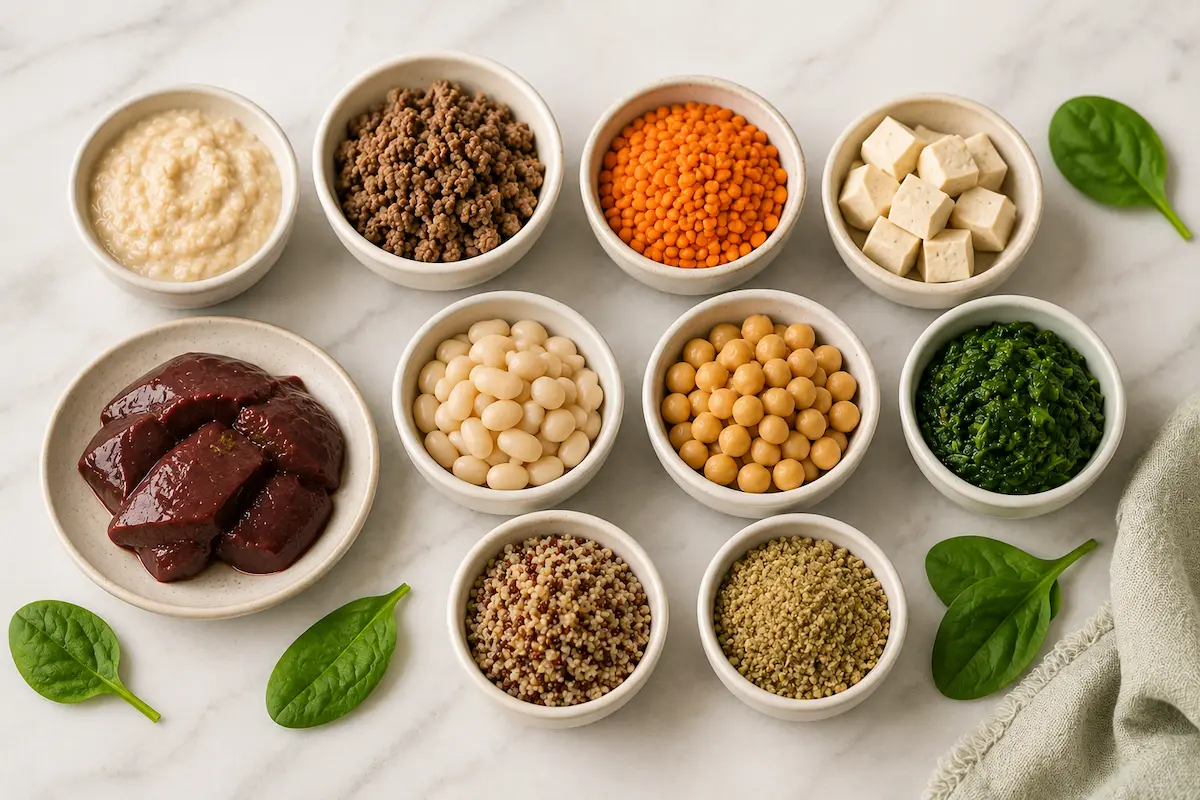
Iron is an essential mineral that supports your baby’s growth, brain development, and healthy red blood cell production.
During the first year of life, getting enough iron becomes especially important as babies grow quickly.
Babies are born with iron stores that typically last for about the first six months. After that, they need iron-rich foods—along with breast milk or formula—to help meet their increasing iron needs.
This guide covers why iron is important, how much babies need, the best iron-rich foods to offer, and simple ways to improve iron absorption.
Why Do Babies Need More Iron After 6 Months?
Healthy full-term babies are born with iron stores from pregnancy that typically last for about the first six months.
After 6 months, babies grow rapidly and these stores begin to decline, so they need iron-rich complementary foods alongside breast milk or iron-fortified infant formula. Iron-rich foods are therefore an important part of the first foods introduced when a baby is ready for solids.
According to the National Institutes of Health (NIH), babies need 0.27 mg of iron per day from birth to 6 months and 11 mg per day from 7–12 months.
During the first six months, these needs are generally met through breast milk or iron-fortified infant formula
Heme vs. Non-Heme Iron
Iron found in foods comes in two forms.
Heme Iron
Heme iron comes from animal foods and is absorbed more efficiently by the body. Examples include:
- Beef
- Chicken
- Turkey
- Fish
Non-Heme Iron
Non-heme iron is found in plant foods. Examples include:
- Lentils
- Beans
- Tofu
- Spinach
- Iron-fortified infant cereals
Although non-heme iron isn’t absorbed as efficiently as heme iron, pairing it with foods rich in vitamin C can significantly improve absorption.
Iron-Rich Foods for Babies
Note: The iron values below are approximate and may vary depending on the serving size and preparation method. The percentages are based on the recommended daily iron intake of 11 mg for babies aged 7–12 months.
1. Iron-Fortified Infant Cereal
Iron-fortified infant cereal is often one of the first complementary foods recommended for babies because it helps meet their increasing iron needs after about 6 months of age.
A 2-tablespoon (15 g) serving typically provides 4–7 mg of iron, depending on the brand. That’s about 40–60% of the daily iron needs of babies aged 7–12 months.
Many infant cereals are also fortified with zinc and B vitamins, making them a nutrient-rich first food.
Prepare the cereal with breast milk, iron-fortified formula, or water according to the package directions. You can also mix in mashed fruits, such as strawberries, pears, apples, or bananas, for added flavor and nutrition.
2. Ground Beef
Ground beef is one of the best foods rich in heme iron, the type of iron that’s more easily absorbed by the body than the non-heme iron found in plant foods. It’s often recommended as one of the first iron-rich foods to introduce after about 6 months of age.
A 1-ounce (28 g) serving of cooked lean ground beef provides 0.8–0.9 mg of iron, or about 8% of a baby’s daily iron needs.
Ground beef is also rich in high-quality protein, zinc, vitamin B12, and selenium, which support healthy growth, brain development, and immune function.
For younger babies, serve finely crumbled, minced, or puréed ground beef. As your baby develops chewing skills, you can gradually offer larger, soft pieces that are easy to pick up and chew.
3. Beef Liver
Beef liver is one of the richest sources of highly absorbable iron.
A 10 g serving of cooked beef liver provides around 0.6 mg of iron, helping meet about 6% of your baby’s recommended daily iron intake.
However, because it is also very high in vitamin A, it should be offered only in small amounts (about 5–10 g) no more than once a week for babies 6 months and older.
4. Beans and Legumes
Beans and legumes are excellent plant-based sources of iron and make a nutritious addition to your baby’s diet once solid foods are introduced. They also provide protein, fiber, folate, potassium, magnesium, and other nutrients that support healthy growth and digestion.
Good choices include:
- Lentils (¼ cup cooked): ~1.6 mg (15% of daily iron needs)
- White beans (¼ cup cooked): ~1.7 mg (15%)
- Kidney beans (¼ cup cooked): ~1 mg (9%)
- Chickpeas (¼ cup cooked): ~1.2 mg (11%)
- Black beans (¼ cup cooked): ~0.9 mg (8%)
Since beans and legumes contain non-heme iron, pairing them with vitamin C-rich foods such as tomatoes, strawberries, bell peppers, or citrus fruits may help improve iron absorption.
Mash or puree cooked beans for younger babies. As your baby becomes more comfortable with textured foods, offer softly mashed beans or mix them into soups, vegetable purees, or grain dishes.
5. Soy Foods (Especially Tofu)
Soy foods are a nutritious way to add more iron to your baby’s diet. They also provide complete plant protein, along with fiber, folate, magnesium, phosphorus, potassium, and other nutrients that support healthy growth and development.
Good choices include:
- Regular tofu (¼ cup): ~3.3 mg (30% of daily iron needs)
- Cooked soybeans (¼ cup): ~2.2 mg (20%)
- Cooked edamame (¼ cup): ~0.9 mg (8%)
Calcium-set tofu is also an excellent source of calcium, which supports healthy bone development. Because soy foods contain non-heme iron, serving them with vitamin C-rich fruits or vegetables may help improve iron absorption.
Mash or purée tofu and cooked soybeans for younger babies. Always remove
6. Spinach
Spinach is one of the richest leafy green vegetables in iron and can be a nutritious addition to your baby’s meals.
A ¼-cup (45 g) serving of cooked spinach provides approximately 1.6 mg of iron, covering 15% toward your baby’s daily iron requirement.
Spinach also provides folate, vitamins A and K, magnesium, and antioxidants that support healthy growth and development.
Cook spinach until soft, then puree or finely chop it before mixing it into mashed potatoes, lentils, eggs, or other vegetable purees.
7. Eggs
Eggs provide a modest amount of iron while supplying several other nutrients that support your baby’s growth and development.
One large egg contains 0.8 mg of iron, supplying about 7% of the recommended daily iron intake.
Eggs are also rich in high-quality protein, choline, vitamin B12, selenium, and healthy fats that support brain development.
Always serve eggs fully cooked, then mash, chop, or cut them into small, age-appropriate pieces.
8. Finely Ground Pumpkin Seeds
Pumpkin seeds are one of the richest plant-based sources of iron and can help boost your baby’s iron intake once solid foods are introduced.
One tablespoon (7 g) of pumpkin seeds provides approximately 0.6 mg of iron, meeting about 6% of the iron your baby need each day..
In addition to iron, pumpkin seeds provide healthy fats, plant protein, zinc, magnesium, phosphorus, and antioxidants that support healthy growth and immune function.
Since whole pumpkin seeds are a choking hazard, always grind them into a fine powder before serving. Stir finely ground pumpkin seeds into oatmeal, fruit purees, mashed vegetables, or yogurt (if age-appropriate) for an easy nutrition boost.
9. Whole Grains
Whole grains provide small to moderate amounts of iron while supplying fiber, complex carbohydrates, and several vitamins and minerals that support healthy growth and development. Including a variety of whole grains in your baby’s meals can help increase their overall iron intake.
Good choices include:
Quinoa is a complete protein that also provides magnesium and phosphorus, while amaranth is rich in protein, fiber, and manganese. Since both grains contain non-heme iron, serving them with vitamin C-rich fruits or vegetables may help improve iron absorption.
Cook quinoa and amaranth until soft, then mix them with mashed vegetables, fruits, beans, or shredded meat for a balanced baby-friendly meal.
Tips for Serving Iron-Rich Foods to Babies
- Start small. Begin with 1–2 tablespoons of iron-rich foods and gradually increase the portion as your baby’s appetite and eating skills develop.
- Serve foods safely. Offer foods mashed, puréed, finely chopped, or cut into soft, bite-sized pieces based on your baby’s developmental stage. Avoid whole nuts, whole seeds, and other foods that may pose a choking risk.
Tips to Help Babies Absorb More Iron
Choosing iron-rich foods is an important first step, but how you serve them can also affect how much iron your baby’s body absorbs. These simple strategies can help improve iron absorption.
Pair Iron-Rich Foods With Vitamin C-Rich Foods
Vitamin C helps improve the absorption of non-heme iron found in plant-based foods.
Good sources of vitamin C for babies include:
- Strawberries
- Oranges
- Kiwi
- Mango
- Papaya
- Tomatoes
- Bell peppers
- Broccoli
For example, you can pair lentils with tomatoes, tofu with broccoli, or oatmeal with mashed strawberries.
Offer Iron-Rich Foods Every Day
Babies have relatively high iron needs compared to their body size, especially after six months of age. Including at least one iron-rich food at most meals can help support healthy iron intake.
Continue Breastfeeding or Iron-Fortified Formula
Complementary foods are meant to complement—not replace—breast milk or infant formula during the first year.
Breast milk or iron-fortified infant formula should continue to provide most of your baby’s nutrition while solid foods gradually become a larger part of their diet.
Avoid Cow’s Milk Before 12 Months
Cow’s milk should not be used as a main drink before your baby’s first birthday. It doesn’t provide enough iron and may reduce the intake of iron-rich foods if it replaces breast milk or infant formula.
After 12 months, it’s generally recommended to offer cow’s milk in moderation as part of a balanced diet. At this stage, continuing to offer iron-rich foods for toddlers can help support their changing nutritional needs.
After 12 months, it’s generally recommended to offer cow’s milk in moderation as part of a balanced diet.
Include Both Animal and Plant Sources of Iron
If your baby eats both animal and plant foods, offering a variety of heme and non-heme iron sources can help support adequate iron intake.
For vegetarian babies, include a range of legumes, tofu, iron-fortified infant cereals, whole grains, and leafy green vegetables, and pair them with vitamin C-rich foods whenever possible.
Serve Foods in an Age-Appropriate Texture
Iron-rich foods can be introduced in different forms depending on your baby’s stage of development.
For younger babies, try:
- Smooth purees
- Mashed foods
- Finely minced meats
As chewing skills improve, gradually introduce:
- Soft finger foods
- Shredded meats
- Soft beans
- Bite-sized pieces of tofu and vegetables
Always supervise your baby while eating and avoid foods that may pose a choking hazard.
Signs of Iron Deficiency in Babies
Iron deficiency doesn’t always cause noticeable symptoms at first. As iron deficiency progresses and may develop into iron deficiency anemia, some common symptoms include:
- Common symptoms may include:
- Pale skin
- Fatigue or low energy
- Increased fussiness or irritability
- Poor appetite
- Rapid heartbeat (in more severe cases)
If left untreated over time, iron deficiency may also affect a baby’s growth and development.
These symptoms can have many possible causes and do not necessarily mean your baby has iron deficiency. If you notice any of these signs or have concerns about your baby’s iron status, consult your pediatrician for an evaluation.
Frequently Asked Questions
When should babies start eating iron-rich foods?
Most healthy, full-term babies can begin eating iron-rich complementary foods at around 6 months of age, once they show developmental signs of readiness for solid foods, such as sitting with support, having good head control, and showing interest in food.
What are the best first iron-rich foods for babies?
Some of the best options include:
- Iron-fortified infant cereal
- Beef
- Chicken
- Turkey
- Lentils
- Tofu
- White beans
- Chickpeas
- Spinach
These foods provide iron along with other nutrients that support healthy growth and development.
Can babies get enough iron from breast milk alone?
Breast milk provides many important nutrients, but after about 6 months, most babies need additional iron from complementary foods because the iron stores they were born with begin to decrease.
Iron-fortified infant formula continues to provide iron, but introducing iron-rich solid foods remains an important part of a balanced diet.
Which fruit is highest in iron for babies?
Most fresh fruits are not significant sources of iron. However, dried fruits such as apricots and raisins contain more iron than most fresh fruits.
For babies, it’s generally more beneficial to offer vitamin C-rich fruits, such as strawberries, kiwi, oranges, mangoes, and papaya, because they help improve the absorption of iron from other foods.
Is spinach enough to meet a baby’s iron needs?
No. Although spinach contains iron, it shouldn’t be your baby’s only source.
Offering a variety of iron-rich foods—including meats, legumes, tofu, iron-fortified infant cereals, and whole grains—helps provide adequate iron along with many other essential nutrients.
Are iron supplements necessary for babies?
Most babies can meet their iron needs through breast milk or iron-fortified formula during the first six months, followed by iron-rich complementary foods.
However, some babies—such as those born prematurely, with low birth weight, or who have certain medical conditions—may need an iron supplement. Always consult your pediatrician before giving your baby any iron supplement.
Can babies eat iron-rich foods every day?
Yes. Including iron-rich foods in your baby’s daily meals is encouraged because iron requirements are relatively high during the second half of the first year. Offering a variety of iron-rich foods also helps expose babies to different flavors and textures.
Final Thoughts
Iron plays an important role in your baby’s growth, brain development, and overall health.
By offering a variety of iron-rich foods—such as iron-fortified infant cereal, lean meats, legumes, tofu, and other nutrient-dense options—you can help support their daily iron needs.
Pair plant-based iron sources with vitamin C-rich foods when possible to improve absorption, and continue introducing a wide range of healthy foods as your infant grows.