Iron is an essential mineral that helps your body produce hemoglobin, the protein in red blood cells that carries oxygen from your lungs to the rest of your body. Without enough iron, you may feel tired, weak, short of breath, or have trouble concentrating.
When people think of iron-rich foods, fruits usually aren’t the first thing that comes to mind. While fruits generally contain much less iron than legumes, seeds, whole grains, or meat, some can still make a meaningful contribution to your daily iron intake.
Better yet, many fruits are naturally rich in vitamin C, which can help improve iron absorption from non-heme iron sources.
Whether you’re following a vegetarian or vegan diet, looking to increase your iron intake naturally, or simply curious about which fruits contain the most iron, this guide covers the best options, how much iron they provide, and simple ways to include them in your diet.
Are Fruits a Good Source of Iron?
Fruits are not among the richest dietary sources of iron, but some provide moderate amounts and can contribute to your daily intake as part of a balanced diet.
In general:
- Dried fruits contain much more iron than fresh fruits because the water has been removed, concentrating the nutrients.
- Fresh fruits usually contain smaller amounts of iron but often provide vitamin C, which enhances the absorption of non-heme iron from plant foods.
For adults, the Daily Value (DV) for iron is 18 mg.
Fruits Rich in Iron
The following fresh and dried fruits are among the best dietary sources of iron. They also provide fiber, vitamins, antioxidants, and other beneficial nutrients that support overall health.
1. Black Olives
Although commonly used as a savory food, black olives are botanically a stone fruit and among the richest fresh fruit sources of iron.
Just a single cup (135 g) of black olives provides 8.5 mg of iron, which is nearly half of your recommended daily iron intake.
They’re also rich in heart-healthy monounsaturated fats, vitamin E, copper, and antioxidant polyphenols, making them a nutritious addition to a balanced diet.
Add black olives to salads, pasta dishes, pizzas, wraps, sandwiches, or grain bowls.
2. Fresh Mulberries
Mulberries are another fresh fruit that provides a meaningful amount of iron. One cup (140 g) provides about 2.6 mg of iron, meeting 14% of the DV.
Mulberries are also naturally rich in vitamin C, fiber, vitamin K, and anthocyanin antioxidants. Their vitamin C content may help improve the absorption of the non-heme iron they contain.
Enjoy mulberries fresh when in season, blend them into smoothies, or add them to yogurt, oatmeal, and fruit salads.
3. Dried Peaches
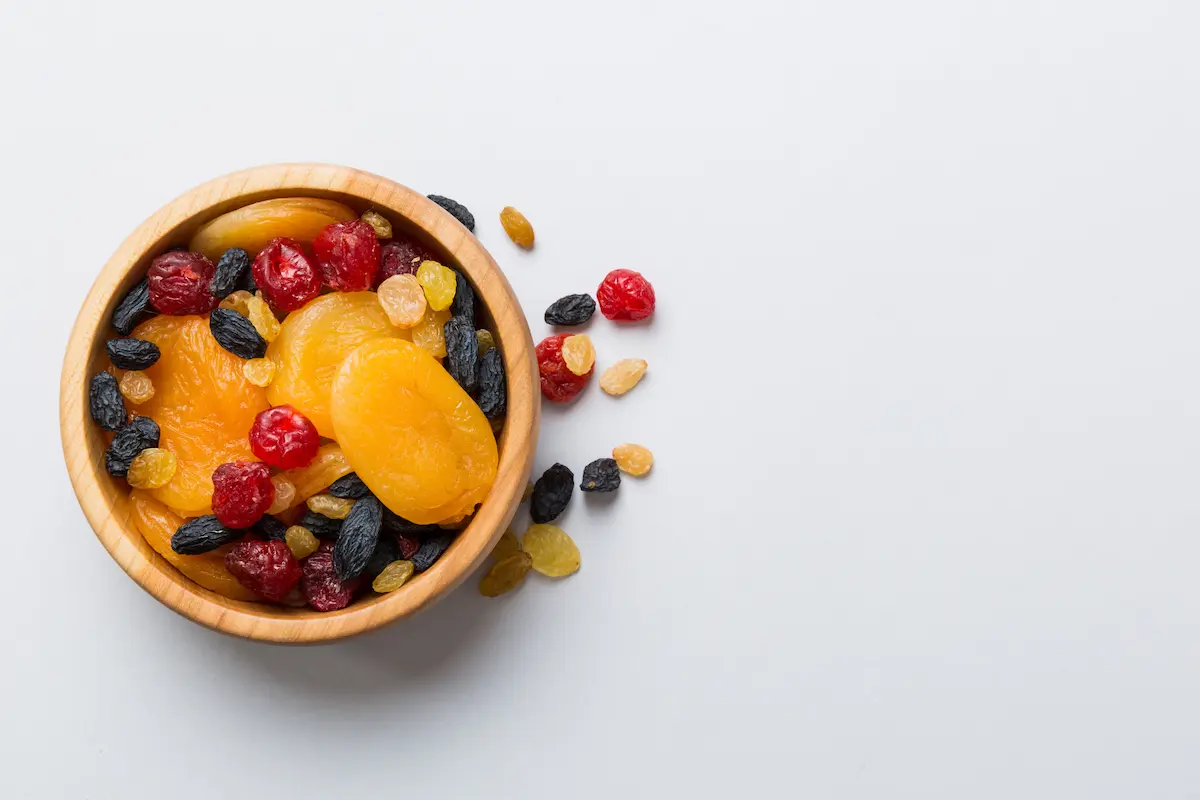
Dried peaches are one of the richest fruit sources of iron, making them an excellent addition to an iron-rich diet.
One serving (40 g) serving of dried peaches provides 1.6 mg of iron, covering about 9% of the Daily Value.
Besides iron, dried peaches are a good source of fiber, potassium, vitamin A, and antioxidant compounds that may support digestive health, eye health, and healthy blood pressure.
Enjoy dried peaches as a snack or add them to oatmeal, yogurt, homemade trail mix, or baked goods.
4. Dried Apricots
Dried apricots are another excellent fruit to include if you’re looking to increase your iron intake.
A 40 g serving dried apricots contains 1 mg of iron, accounting for about 6% of the daily iron requirement.
They also supply fiber, potassium, copper, and vitamin A, nutrients that support digestive health, healthy blood pressure, and eye health.
Enjoy dried apricots as a snack or mix them into oatmeal, yogurt, salads, or homemade granola.
5. Dried Tomatoes
While tomato is commonly used as a vegetable in cooking, it is botanically a fruit, specifically a berry, belonging to the nightshade family (Solanaceae).
Drying tomatoes removes most of their water, concentrating many of their nutrients.
Just 1 ounce (28 g) of sun-dried tomatoes delivers 2.5 mg of iron, enough to supply 14% of your daily iron needs.
They also contain vitamin C, which may help improve the absorption of non-heme iron. In addition, dried tomatoes are rich in lycopene, potassium, and antioxidants, nutrients that support heart health and overall well-being.
Add sun-dried tomatoes to pasta dishes, salads, sandwiches, pizzas, omelets, or grain bowls for a flavorful iron boost.
6. Dried Figs
Dried figs are a nutritious fruit that provides iron along with several important minerals.
Dried figs provide around 0.8 mg of iron, which is about 5% of the daily recommended intake.
They’re also an excellent source of fiber, calcium, potassium, magnesium, and antioxidants, making them a healthy choice for supporting digestive and bone health.
Enjoy dried figs on their own or add them to breakfast bowls, salads, cheese boards, or baked goods.
7. Raisins
Raisins are a convenient dried fruit that can help boost your daily iron intake.
A ¼ cup (40 g) serving provides 0.7 mg of iron, covering about 4% of the recommended daily iron intake.
They’re also a good source of fiber, potassium, copper, and naturally occurring antioxidants, making them a nutritious addition to a balanced diet.
Sprinkle raisins over cereal, oatmeal, yogurt, salads, or enjoy them as an easy on-the-go snack.
8. Prunes
Prunes, or dried plums, are best known for supporting digestive health, but they can also contribute to your daily iron intake.
A 40 g serving of prunes provides 0.37 mg of iron, which is only 2% of the Daily Value.
Prune juice is an even better source of iron, with a single cup (248 g) providing 2.9 mg iron. That’s 16% of your daily iron needs.
Although prune juice contains more iron, whole prunes are generally the more nutritious choice because they retain their natural fiber, which is largely removed during juicing.
Enjoy prunes as a snack, chop them into oatmeal, or add them to baked goods and savory dishes.
Tips to Increase Iron Absorption
Getting enough iron isn’t just about eating iron-rich foods. It’s also important to help your body absorb the iron you consume.
Pair iron-rich foods with vitamin C
Vitamin C can significantly improve the absorption of non-heme iron.
Good vitamin C-rich foods include:
- Oranges
- Kiwi
- Strawberries
- Guava
- Papaya
- Mango
Combine fruits with other iron-rich foods
Try pairing fruits with:
- Lentils
- Chickpeas
- White beans
- Kidney beans
- Tofu
- Pumpkin seeds
- Quinoa
- Fortified breakfast cereals
Avoid drinking tea or coffee with meals
Compounds called tannins and polyphenols in tea and coffee can reduce iron absorption when consumed alongside iron-rich meals.
Consider enjoying these beverages between meals instead.
FAQs
Which fruit has the most iron?
Among commonly eaten fruits, mulberries, black olives, dried apricots, and dried peaches are among the richest sources of iron.
Are bananas high in iron?
No. Bananas contain only a small amount of iron and aren’t considered a good source.
Do dried fruits contain more iron than fresh fruits?
Yes. Removing water concentrates minerals, making dried fruits a richer source of iron per serving. However, not all dried fruits are good sources of iron.
Can fruits alone meet your daily iron needs?
No. While some fruits contribute to your daily intake, most people need to obtain the majority of their iron from foods such as legumes, whole grains, seeds, fortified cereals, meat, seafood, or poultry.
The Bottom Line
Although fruits aren’t the richest source of iron, several can still help increase your overall intake, especially dried apricots, mulberries, dried peaches, raisins, prunes, dried figs, and dried currants.
Many fresh fruits also provide vitamin C, which helps your body absorb iron more efficiently from plant-based foods.
For the best results, include a variety of iron-rich fruits as part of a balanced diet alongside legumes, whole grains, seeds, and other iron-rich foods. This combination can help you meet your daily iron needs while supporting overall health.