Period cramps can make even simple daily activities uncomfortable. Along with lower abdominal pain, you may experience bloating, nausea, back pain, fatigue, and digestive changes.
While no drink can guarantee relief, certain teas and other beverages may help ease menstrual discomfort. Some have been studied for their potential effects on pain and inflammation, while others are mainly enjoyed for their soothing and hydrating qualities.
Ginger, cinnamon, fennel, and chamomile are among the drinks that have attracted research interest. However, the evidence isn’t equally strong for all of them, and some studies have examined supplements rather than the drinks themselves.
In this article, we’ll look at 12 drinks for period pain, what research says about their potential benefits, and how to include them in your menstrual care routine.
1. Ginger Tea
Ginger tea is one of the better-studied drinks for menstrual pain. Research has explored its potential to ease cramps, particularly in women with primary dysmenorrhea, which refers to painful periods without an underlying pelvic condition.
A 2024 review found that ginger reduced both the intensity and duration of menstrual pain compared with a placebo. Its effects were similar to those of NSAIDs, but limitations in the included studies and limited safety data mean more research is needed.
Ginger contains active compounds with anti-inflammatory properties that may help influence processes involved in menstrual pain.
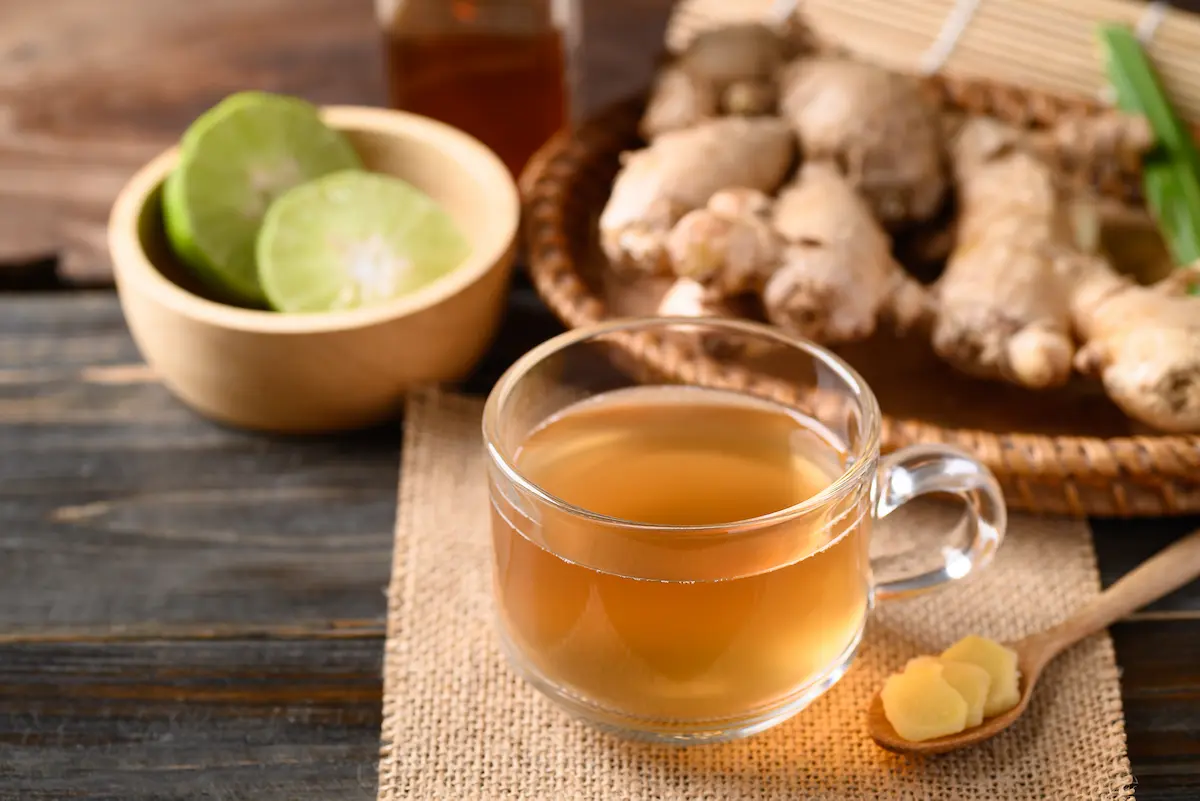
To prepare ginger tea, steep a few slices of fresh ginger in hot water for 5–10 minutes. Add lemon juice or a little honey if you prefer a milder flavor.
2. Cinnamon Tea
Cinnamon tea is another comforting drink you can try when dealing with period cramps. This aromatic spice contains plant compounds with anti-inflammatory and antioxidant properties, and researchers have studied its potential to ease menstrual pain.
A review of nine studies found that cinnamon was associated with reduced menstrual pain intensity compared with a placebo. The review also found that cinnamon helped shorten the duration of pain.
These findings are supported by a clinical trial in which women took 1,000 mg of cinnamon capsules during the first 72 hours of menstruation for two consecutive cycles. The cinnamon group experienced a significantly greater reduction in pain than the placebo group.
Keep in mind that the evidence comes from studies of cinnamon preparations, so it isn’t possible to say that an ordinary cup of cinnamon tea will produce the same effect.
To make cinnamon tea, steep a cinnamon stick in hot water for 5–10 minutes. You can enjoy it plain or add a few slices of fresh ginger for extra flavor.
3. Fennel Tea
Fennel tea is another herbal drink worth considering when you’re dealing with period cramps. Fennel seeds have traditionally been used for digestive discomfort, and researchers have also investigated their potential to relieve menstrual pain.
A 2020 review showed that fennel significantly reduced menstrual pain compared with a placebo. Interestingly, its pain-relieving effect was not significantly different from that of conventional medications such as mefenamic acid, an NSAID commonly used for period cramps.
Fennel tea has a naturally sweet, slightly licorice-like flavor. To prepare it, lightly crush a teaspoon of fennel seeds and steep them in hot water for 5–10 minutes. Strain before drinking.
4. Chamomile Tea
Chamomile tea is a soothing, caffeine-free drink that may help ease menstrual discomfort. It contains natural compounds with anti-inflammatory and antispasmodic properties that may help relax muscles and reduce cramping.
A review of seven trials involving 1,033 women noted that chamomile may help reduce menstrual pain and menstrual bleeding in women with primary dysmenorrhea.
And, a clinical trial involving 200 women also found that chamomile sachets helped manage menstrual pain and bleeding, with effects comparable to mefenamic acid.
In addition to its potential effects on cramps, a warm cup of chamomile tea may help you unwind and sleep better. This is worth noting because a study has linked poor sleep and insomnia with a higher likelihood of period pain and PMS.
To prepare chamomile tea, steep a chamomile tea bag or dried chamomile flowers in hot water for 5–10 minutes.
5. Peppermint Tea
Peppermint tea can be another comforting choice, particularly if your period comes with digestive discomfort. Its refreshing flavor may make it appealing when you’re feeling bloated or nauseated.
Interestingly, a 2025 review suggested that peppermint may help reduce menstrual pain and improve some gastrointestinal symptoms associated with menstrual disorders.
However, most studies examined peppermint capsules or essential oil rather than peppermint tea. So, there isn’t enough evidence to say that drinking peppermint tea will provide the same benefits.
If peppermint tends to worsen your heartburn or acid reflux, it may not be the best choice for you.
6. Rose Tea
Rose tea is a fragrant, soothing drink that may offer more than just a pleasant aroma. Research suggests that it may help ease menstrual discomfort, including period pain and emotional distress.
In a study of 130 female adolescents, researchers noted that drinking rose tea helped reduce menstrual pain, distress, and anxiety over six months compared with the control group.
Although these findings are promising, they come from a single clinical trial. More research is needed to confirm whether rose tea can reliably relieve period cramps.
To make rose tea, steep dried food-grade rose petals in hot water for 5–10 minutes. Strain and enjoy it warm. You can add a little honey or lemon for extra flavor.
7. Green Tea
Green tea provides antioxidants and can be a refreshing addition to your daily routine. Interestingly, research has also explored its potential connection with menstrual health.
An observational study on 1,183 women found that green tea consumption was associated with a lower prevalence of menstrual pain. However, more research is needed to determine whether green tea itself helps relieve cramps.
Green tea contains caffeine, which may affect people differently. If you notice that caffeinated drinks interfere with your sleep or make you feel uncomfortable, consider reducing your intake during your period.
You don’t necessarily need to avoid green tea during menstruation. Enjoy it in moderation and pay attention to how your body responds.
8. Raspberry Leaf Tea
Raspberry leaf tea is commonly marketed as a women’s wellness drink and has traditionally been used for menstrual discomfort.
The European Medicines Agency recognizes raspberry leaf preparations for the traditional relief of minor menstrual cramps. However, this use is based on long-standing traditional practice rather than strong clinical trial evidence.
You can enjoy raspberry leaf tea if you like its mild, earthy flavor, but don’t rely on it as a proven treatment for period pain.
If you’re pregnant, speak with your healthcare professional before using raspberry leaf products because their safety during pregnancy has not been well established.
9. Pineapple
Pineapple is more than just a refreshing fruit. It contains bromelain, a natural enzyme that may help reduce inflammation and ease menstrual discomfort.
Bromelain is thought to work by reducing the production of prostaglandins, hormone-like compounds that trigger uterine contractions and contribute to period pain.
A study on 39 adolescent girls found that drinking pineapple juice for three menstrual cycles significantly reduced period pain compared with a control group. The study also reported that both pineapple juice and ginger drink were effective in relieving pain associated with primary dysmenorrhea.
In addition to bromelain, pineapple provides vitamin C and antioxidants that support overall health.
Enjoying fresh pineapple or pineapple juice during your period may be a simple way to help manage menstrual discomfort.
10. Carrot Juice
If period cramps leave you curled up on the couch, a glass of carrot juice may offer some relief. Carrots are rich in beta-carotene and other antioxidants that help support the body’s natural response to inflammation.
In a study involving 25 young women, those who drank carrot juice experienced a significant reduction in menstrual pain, suggesting it may be a helpful addition to a period-friendly diet.
Carrot juice also provides nutrients that support overall health and is easy to include in your daily routine. While it won’t eliminate cramps completely, it may help make your periods a little more manageable.
11. Turmeric Milk (Golden Milk)
Golden milk is a warm, comforting drink made with milk and turmeric. It contains curcumin, the active compound in turmeric, which has been studied for its anti-inflammatory properties.
A 2025 review of ten studies found that six studies reported improvements in PMS and menstrual pain symptoms with curcumin supplementation. The review also identified changes in several inflammatory markers and vitamin D status.
To prepare golden milk, warm a cup of dairy or plant-based milk and stir in ¼–½ teaspoon of turmeric powder. Add a pinch of black pepper, cinnamon, or a little honey for extra flavor.
However, the research examined curcumin supplements rather than homemade turmeric drinks. More studies are needed to establish effective doses and treatment durations, so golden milk should not be considered a proven treatment for menstrual cramps.
12. Drinking Enough Water
Staying hydrated during menstruation helps reduce bloating, ease cramps, and prevent water retention. Drinking enough water also supports proper blood circulation, reducing fatigue and dehydration headaches.
In one small study, young women who increased their water intake for a month reported noticeably less period pain, with many moving from moderate discomfort to much milder symptoms.
Aim for 6-8 glasses daily to feel more balanced and comfortable.
Learn more: 15 Foods that may help relieve period pain
What Is the Best Drink for Period Pain?
If you’re looking for drinks with research-backed benefits for period pain, ginger tea is one of the strongest options. Several systematic reviews suggest that oral ginger can reduce menstrual pain compared with a placebo.
Cinnamon, fennel, and chamomile also show promising results, while peppermint and rose tea have some supporting clinical research. Pineapple juice, carrot juice, and turmeric supplements have shown potential, but more research is needed.
Green tea has been associated with a lower prevalence of menstrual pain, although this doesn’t prove it relieves cramps. Raspberry leaf tea and plain water can be part of your routine, but their direct benefits for period pain remain unclear.
Choose drinks you enjoy, stay hydrated, and remember that these beverages may complement your routine but aren’t replacements for proven treatments when cramps are severe.
How to Make Drinks Part of Your Period-Pain Routine
You don’t need to drink several herbal teas throughout the day to manage period discomfort. Instead, choose one or two drinks that you enjoy and include them in your usual routine.
Here is a simple example:
Morning: Start your day with a glass of water or fresh carrot juice.
Afternoon: Enjoy ginger tea or a glass of pineapple juice alongside your meal.
Evening: Choose a warm, caffeine-free drink such as chamomile tea, cinnamon tea, or golden milk to help you unwind.
You can also enjoy fennel tea, peppermint tea, or rose tea whenever you prefer. Continue drinking water throughout the day according to your thirst and hydration needs.
Remember, drinks are only one part of managing period discomfort. Using a heating pad, staying physically active when comfortable, getting enough sleep, and taking appropriate pain relief when needed can also help.
For more practical tips, explore these ways to relieve period pain at home.
The Bottom Line
A warm drink can be a comforting part of your menstrual care routine, but no beverage is guaranteed to eliminate period cramps. Choose options you enjoy, pay attention to how your body responds, and don’t rely on herbal drinks alone when pain is difficult to manage.
If period pain is severe, worsening, or interferes with your daily activities, don’t ignore it. Seek medical evaluation, as conditions such as endometriosis, adenomyosis, and fibroids can contribute to painful periods.