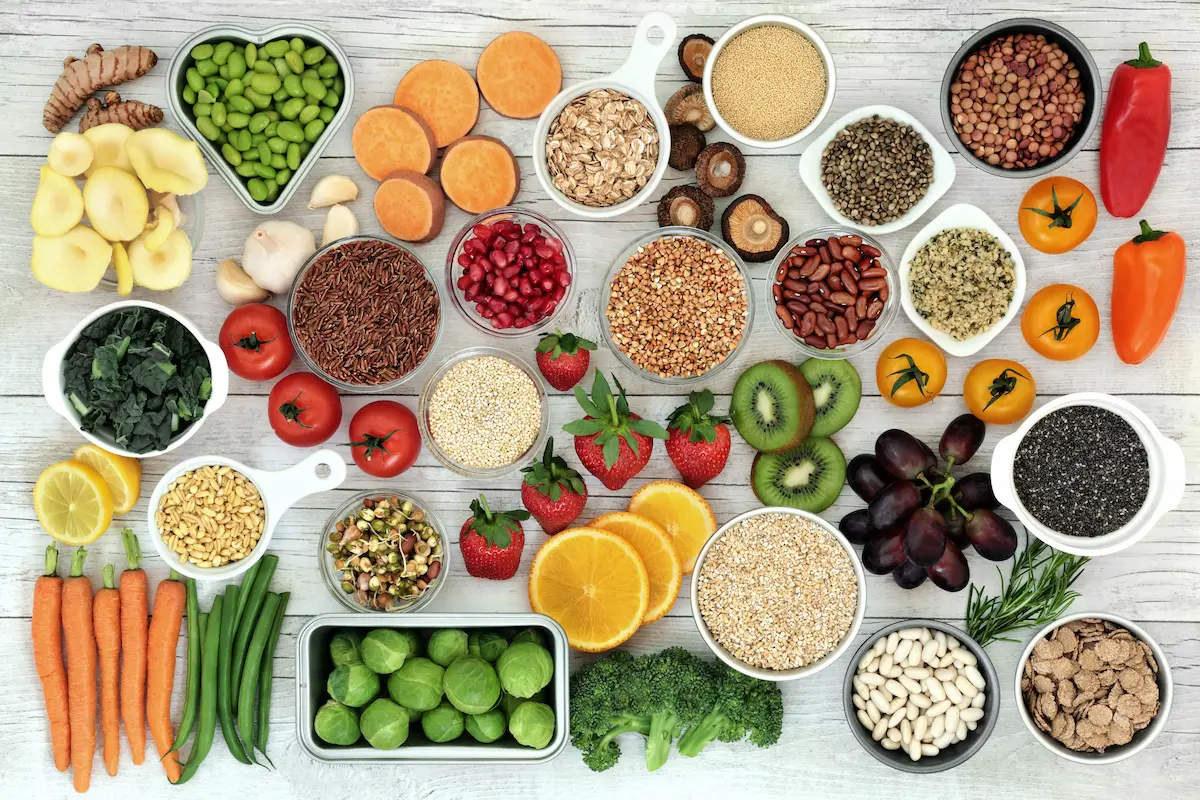
Most people don’t have a food problem—they have a food quality problem.
Meals are often built around convenience: refined grains, low-protein dishes, and packaged foods that fill your stomach but don’t deliver enough nutrients. Over time, that leads to constant hunger, low energy, and poor overall health.
The solution is not extreme diets or rare ingredients. It’s consistently eating foods that are rich in nutrients and easy to include in daily meals.
This list is built on that principle.
These foods are not trendy picks. They are practical, nutrient-dense, and widely available. You don’t need all of them every day, but rotating them regularly will improve your diet without overcomplicating things.
Foods That Are Super Healthy
Below are 50 super healthy foods, grouped into categories to make them easier to understand and include in your daily meals.
Whole Grains and Complex Carbohydrates
1. Oats
Oats are a reliable source of slow-digesting carbohydrates and soluble fiber, which supports digestion and helps manage cholesterol levels.
They are especially rich in beta-glucan, a type of fiber that slows digestion and helps you feel full for longer. This steady digestion supports better blood sugar control and gut health.
2. Brown Rice
Brown rice retains its outer bran layer, making it higher in fiber and minerals like magnesium compared to white rice. It digests more slowly, which helps maintain steady energy levels and better blood sugar control.
For people who eat rice regularly, switching to brown rice improves nutrient intake without major dietary changes.
3. Quinoa
Quinoa is one of the few plant foods that provides complete protein, meaning it contains all essential amino acids. It is also rich in fiber, iron, and magnesium, supporting muscle function and energy production.
Quinoa is more filling than most grains and helps stabilize blood sugar levels. It can replace rice or be used in salads and mixed dishes.
4. Millets
Millets are traditional grains that are gluten-free and rich in fiber and minerals. They digest slowly, helping maintain steady energy and reducing reliance on refined grains.
Regular consumption supports better nutrient diversity in the diet. Millets can be used for rotis, porridges, or as a rice substitute in daily meals.
Explore: Types of Millets and Their Benefits
5. Sweet Potatoes
Sweet potatoes are rich in beta-carotene, which the body converts into vitamin A, supporting vision and immune function. They also provide fiber, helping digestion and keeping you full for longer.
Their natural sweetness makes them easy to include without added sugar, and they work well in simple preparations like boiling or roasting.
6. Whole Wheat
Whole wheat contains more nutrients than refined flour because it includes the bran and germ. It provides fiber and B vitamins, which support digestion and steady energy release.
This helps prevent rapid blood sugar spikes and makes whole wheat a more stable option for everyday meals like rotis or bread.
Protein-Rich Foods
7. Eggs
Eggs provide high-quality protein along with essential nutrients like choline, which supports brain health. They are highly bioavailable, meaning the body can use their nutrients efficiently.
Eggs are also filling and help control hunger, making them useful for maintaining muscle and managing calorie intake.
8. Chicken
Chicken is a lean source of complete protein, providing all essential amino acids needed for muscle repair and maintenance.
Compared to red meat, it is lower in fat, making it a practical option for increasing protein intake without excess calories.
Including chicken regularly helps support muscle mass and recovery, especially when combined with a balanced diet.
9. Fish
Fish, especially fatty varieties like sardines and salmon, are rich in omega-3 fatty acids such as EPA and DHA. These fats are associated with heart and brain health and are often lacking in typical diets.
Including fish regularly helps improve the overall quality of dietary fats and supports long-term cardiovascular health.
10. Lentils
Lentils are a plant-based protein source that also provides a high amount of fiber and iron. Their combination of protein and fiber helps slow digestion, leading to more stable blood sugar levels and longer-lasting fullness.
11. Chickpeas
Chickpeas provide a mix of protein, fiber, and complex carbohydrates, making them useful for sustained energy throughout the day.
Compared to lentils, they are slightly denser and work well in a wider range of dishes, from curries to salads and snacks. Their fiber content also supports digestion while helping manage hunger between meals.
12. Kidney Beans
Kidney beans provide protein, fiber, and slow-digesting carbohydrates that help maintain stable energy levels. Their high fiber content may also support heart health by helping manage cholesterol levels
Including kidney beans regularly adds variety to plant-based protein sources and improves overall diet quality.
13. Tofu
Tofu is a plant-based protein made from soy that provides all essential amino acids, making it a complete protein source. It also contains calcium when fortified, supporting bone health.
Compared to most plant proteins, tofu is easier to digest and adapts well to different cooking styles, making it a practical option for increasing protein intake in vegetarian diets.
14. Greek Yogurt
Greek yogurt contains more protein than regular yogurt and provides probiotics that support gut health and digestion.
Its thicker texture comes from straining, which concentrates protein and reduces lactose content. This makes it both more filling and easier to tolerate for some people, while supporting muscle maintenance and satiety.
Healthy Fats
15. Almonds
Almonds are rich in vitamin E, magnesium, and monounsaturated fats, making them useful for supporting heart health and overall nutrient intake. Their combination of fat and protein helps control hunger between meals.
Eating almonds in small portions regularly can improve diet quality without adding excess calories.
16. Walnuts
Walnuts provide alpha-linolenic acid (ALA), a plant-based omega-3 fat that is less common in typical diets. This makes them a useful addition for improving overall fat balance.
Their fat profile supports heart health and adds variety compared to other nuts.
17. Flaxseeds
Flaxseeds are high in fiber and contain alpha-linolenic acid, contributing to digestion and heart health. They are also one of the richest sources of lignans, plant compounds that contribute to their antioxidant properties.
Their fiber content helps regulate bowel movements and support gut function.
Consuming flaxseeds in ground form improves nutrient absorption and makes them easier to include in daily meals.
18. Chia Seeds
Chia seeds are rich in soluble fiber, which absorbs water and forms a gel-like texture that helps you feel full for longer. This supports appetite control and steady energy levels.
They also provide plant-based omega-3 fats and can be easily added to drinks, yogurt, or breakfast bowls without changing flavor.
19. Olive Oil
Olive oil is rich in monounsaturated fats, particularly oleic acid, which is associated with heart health. It also contains polyphenols that contribute to its antioxidant properties.
Using olive oil in place of refined oils improves overall fat quality when used in moderate amounts.
20. Coconut
Coconut contains medium-chain triglycerides (MCTs), fats that are metabolized differently and used more quickly for energy.
It can be included in moderation as part of a varied fat intake. Because it is calorie-dense and higher in saturated fat, portion control matters more compared to other fat sources.
Leafy Greens
21. Spinach
Spinach is rich in iron and folate, nutrients that play a key role in red blood cell production. This makes it useful for maintaining healthy energy levels over time.
It also provides antioxidants and fiber, adding nutritional value without increasing calorie intake.
22. Kale
Kale is a highly nutrient-dense leafy green that provides vitamins A, C, and K, along with compounds like lutein and zeaxanthin. These are associated with maintaining eye health over time.
Kale also supports bone health due to its vitamin K content.
23. Fenugreek Leaves
Fenugreek leaves are rich in fiber and plant compounds that support digestion and help slow down carbohydrate absorption. This can contribute to more stable blood sugar levels over time.
They also provide iron and other micronutrients that support overall nutrition.
Their slightly bitter taste works well in curries, dals, and flatbreads, making them easy to include regularly.
24. Amaranth Leaves
Amaranth leaves are rich in calcium and iron, supporting bone health and blood function.
Including them improves nutrient diversity and helps strengthen overall diet quality.
Vegetables
25. Broccoli
Broccoli is a nutrient-dense vegetable that provides fiber, vitamin C, and vitamin K, all of which support overall health.
It also contains sulforaphane, a natural plant compound that makes broccoli stand out among vegetables.
26. Carrots
Carrots are rich in beta-carotene, which the body converts into vitamin A for eye and immune health. They also provide fiber, which supports digestion and helps maintain fullness between meals.
Their natural sweetness makes them easy to include in both raw and cooked forms.
27. Beetroot
Beetroot contains natural nitrates that support blood flow and overall cardiovascular function. It also provides fiber and essential nutrients that contribute to improved endurance and energy levels.
Including beetroot regularly can support better circulation and performance.
28. Tomatoes
Tomatoes are a rich source of lycopene, an antioxidant linked to heart health and reduced oxidative stress. They also provide vitamin C and potassium, supporting overall body function.
Cooking tomatoes, such as in curries or sauces, helps improve lycopene absorption, making them more beneficial than eating them only raw.
29. Bell Peppers
Bell peppers are high in vitamin C and antioxidants, which support immune function and overall health. They also provide fiber and add variety to meals through their color and taste.
Red, yellow, and orange bell peppers generally contain more vitamin C than green ones, making them a stronger choice when you want to maximize nutrient intake.
30. Cabbage
Cabbage is a fiber-rich cruciferous vegetable that provides vitamin C and compounds like glucosinolates, which are characteristic of this group.
Its fiber supports digestion and helps maintain gut function over time. With its low-calorie content and versatility, cabbage fits easily into meals like stir-fries or salads without adding excess energy.
31. Cauliflower
Cauliflower is a cruciferous vegetable that provides fiber, vitamin C, and glucosinolates.
Its fiber supports digestion, while its low-calorie content makes it useful for maintaining balanced meals.
32. Pumpkin
Pumpkin is rich in beta-carotene, which the body converts into vitamin A to support vision and immune function.
It also provides fiber, helping with digestion and keeping you full for longer.
Fruits
33. Apples
Apples provide dietary fiber, especially pectin, which supports digestion and helps regulate appetite.
They also contain polyphenols, particularly in the skin, which contribute to their overall nutritional value.
Eating apples regularly can help maintain gut function and steady energy levels. They are convenient, portable, and easy to include as a daily snack.
34. Bananas
Bananas are a quick source of energy due to their natural carbohydrate content.
They also provide potassium, which supports muscle function and fluid balance.
35. Oranges
Oranges are rich in vitamin C, which supports immune health and helps the body absorb iron more effectively.
They also provide hydration and fiber, contributing to overall health.
36. Berries
Berries are rich in anthocyanins, the natural compounds that give them their deep color and contribute to their antioxidant properties. They also provide fiber, which supports digestion and helps with fullness.
Regular intake is associated with better heart health over time. Berries are easy to include in meals like breakfast bowls, snacks, or simple desserts.
37. Papaya
Papaya contains papain, a natural enzyme that helps break down proteins and supports digestion. It also provides vitamin C and fiber, which contribute to gut function and overall nutrition.
Because it is easy to digest, papaya is often well tolerated and works well as a light fruit option after meals.
38. Guava
Guava is extremely rich in vitamin C, often providing more than common citrus fruits, which makes it a strong choice for supporting immune function.
It also contains fiber that helps digestion and appetite control.
39. Pomegranate
Pomegranate contains punicalagins, compounds that contribute to its antioxidant capacity. These are associated with heart health and overall vascular function.
Including pomegranate regularly adds variety and increases intake of plant compounds that are not commonly found in other fruits.
40. Mango
Mango is rich in beta-carotene, which supports eye health and immune function. It also provides natural sugars for quick energy along with some fiber for balance.
When eaten in moderate portions, mango fits well into a balanced diet without displacing other nutrient-dense foods.
Dairy and Alternatives
41. Milk
Milk provides calcium, protein, and vitamin B12, making it a complete and practical source of nutrition in daily diets.
It contains both whey and casein proteins, which support muscle maintenance and recovery.
42. Curd
Curd is a fermented dairy food that contains beneficial bacteria, or probiotics, which support gut health and digestion. This fermentation process makes it easier to digest than milk for many people.
It also provides protein and calcium, contributing to overall nutrition while helping maintain a healthy digestive system.
43. Paneer
Paneer is a concentrated source of dairy protein, mainly casein, which digests slowly and helps with satiety and muscle maintenance. It also provides calcium, supporting bone health.
Compared to other dairy foods, paneer is more energy-dense, making it useful for increasing protein intake in vegetarian diets.
Nuts, Seeds, and Extras
44. Peanuts
Peanuts provide protein and healthy fats, making them a practical and affordable option for improving satiety between meals.
They are relatively higher in protein compared to most nuts and seeds, which helps with hunger control.
Their combination of protein and fat makes them useful as a filling snack, especially when trying to avoid frequent energy dips.
45. Sesame Seeds
Sesame seeds are a concentrated source of calcium and also contain compounds like sesamin. Because they are small but dense in nutrients, even small amounts can contribute to mineral intake.
They are especially useful for adding calcium to meals without relying only on dairy.
46. Sunflower Seeds
Sunflower seeds are rich in vitamin E, an antioxidant that helps protect cells from oxidative damage. They also provide healthy fats that support heart health.
Compared to many other seeds, sunflower seeds stand out for their vitamin E content, making them a useful addition when your diet lacks antioxidant-rich foods.
Herbs and Functional Foods
47. Turmeric
Turmeric contains curcumin, a compound known for its role in lowering inflammation.
Its absorption improves when consumed with black pepper and some fat, which is why it is often used in cooked dishes.
48. Garlic
Garlic contains allicin, which forms when garlic is crushed or chopped. This compound is linked to its effects on heart health and immune function.
Letting chopped garlic sit briefly before cooking helps retain more of its active compounds. It is an easy way to add both flavor and functional value to meals.
49. Ginger
Ginger contains gingerol, which is associated with its effects on digestion and nausea. It is commonly used to ease digestive discomfort and is well tolerated in both food and beverages.
Fresh or dried ginger can be included regularly without much effort.
50. Green Tea
Green tea is rich in catechins, particularly EGCG, which contributes to its antioxidant properties.
It also contains a small amount of caffeine, providing a mild energy boost without the intensity of coffee.
Replacing sugary drinks with green tea is a simple way to improve overall beverage quality.
What Actually Makes These Foods “Super”?
A food isn’t “super” because of one nutrient. It’s because it delivers multiple benefits at once:
- High nutrient density
- Low processing
- Supports multiple body systems
- Easy to include regularly
If a food is expensive, hard to find, or difficult to eat consistently, it’s not useful—no matter how “healthy” it sounds.
How to Use This List
A common mistake is trying to include too many foods at once, which makes the diet difficult to maintain. A more practical approach is to keep things simple and consistent. Choose a few foods from each category, rotate them through the week, and build meals around them.
For example, a simple structure could look like oatmeal with fruit and nuts for breakfast, grilled chicken or beans with rice and vegetables for lunch, and whole grain bread with eggs, tofu, or a protein source and a side of salad for dinner. This kind of approach is easy to follow and provides a good balance of nutrients without overcomplicating daily meals.
Common Mistakes to Avoid
1. Overloading on one “healthy” food
Eating almonds or just fruits all day doesn’t make your diet balanced.
2. Ignoring portion sizes
Healthy food still has calories. Overeating slows progress.
3. Skipping protein
Many diets are carb-heavy and protein-poor. That affects energy and muscle health.
4. Relying on packaged “health foods”
If it comes in a packet with claims, read it carefully. Most are not as healthy as they seem.
Final Thoughts
There is no single food that will fix your health.
What works is consistency. Eating a mix of these foods, in reasonable portions, over time—that’s what actually makes a difference.
You don’t need perfection. You need a system you can follow daily.
Start small. Stay consistent. That’s where results come from.
1 thought on “50 Super Healthy Foods You Should Be Eating”
Comments are closed.