Heart disease rarely begins with a dramatic event. It develops quietly over many years as cholesterol gradually builds inside arteries, blood pressure rises, inflammation persists, and blood sugar becomes harder to manage. Most people don’t notice these changes until they become serious.
The good news is that what you eat every day can influence many of these risk factors.
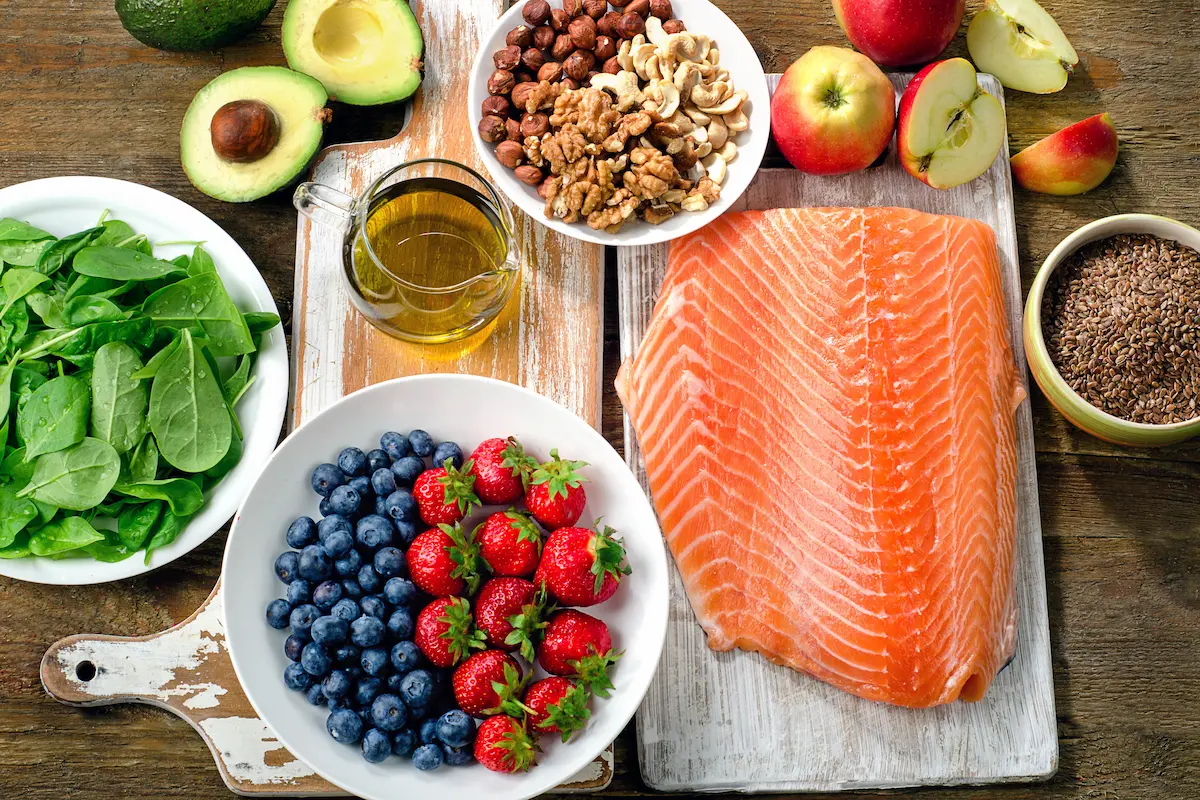
While no single food can prevent heart disease or “clean” your arteries, a diet rich in vegetables, fruits, whole grains, legumes, nuts, seeds, fish, and healthy fats provides nutrients that support healthy blood vessels, cholesterol levels, and overall cardiovascular function.
In this guide, you’ll discover the foods backed by research, why they benefit your heart, and simple ways to include them in your everyday meals.
What Makes a Food Good for Heart Health?
Heart-healthy foods have one thing in common: they support one or more of the factors that influence cardiovascular disease.
- Many are naturally high in soluble fiber, which helps lower LDL (“bad”) cholesterol by binding to cholesterol in the digestive tract before it can be absorbed.
- Others are rich in unsaturated fats, which can improve cholesterol levels when they replace saturated fats found in foods like fatty cuts of meat and butter.
- Some foods provide potassium and magnesium, minerals that help regulate blood pressure by balancing sodium levels and supporting healthy blood vessel function. Want to focus specifically on blood pressure? Explore our guide to foods that may help reduce blood pressure.
- You’ll also find foods packed with antioxidants and plant compounds that help protect blood vessels from oxidative stress and chronic inflammation, both of which contribute to plaque formation over time.
Rather than relying on one nutrient, the healthiest eating patterns combine many of these foods throughout the day.
Foods for a Healthy Heart
No single food can prevent heart disease, but regularly eating these nutrient-rich foods can help support healthy cholesterol, blood pressure, and overall cardiovascular health.
1. Fatty Fish
Fatty fish such as salmon, sardines, mackerel, herring, trout, and anchovies are among the best foods for heart health because they’re rich in the omega-3 fatty acids EPA and DHA.
EPA and DHA help lower triglyceride levels, support normal heart rhythm, and may help reduce inflammation. People who regularly eat fatty fish as part of a balanced diet also tend to have a lower risk of coronary heart disease and ischemic stroke.
American Heart Association recommends eating at least two servings of fatty fish each week.
Easy ways to eat more:
- Bake salmon with lemon and herbs.
- Add sardines to whole-grain toast.
- Toss canned salmon into salads.
- Grill trout instead of red meat.
2. Oats
A warm bowl of oats is more than a comforting breakfast. Oats are one of the most researched foods for heart health thanks to beta-glucan, a type of soluble fiber that helps lower LDL (“bad”) cholesterol.
In the digestive tract, beta-glucan forms a gel-like substance that binds to bile acids. To replace these bile acids, your body uses cholesterol, which helps reduce LDL cholesterol over time.
Studies have consistently shown that consuming at least 3 grams of oat beta-glucan per day can significantly lower LDL cholesterol, which may help reduce the risk of coronary heart disease. The greatest benefits have been observed in people with higher LDL cholesterol, while HDL (“good”) cholesterol and triglyceride levels generally remain unchanged.
Choose plain rolled or steel-cut oats over flavored instant varieties, which are often higher in added sugars.
3. Beans and Lentils
Beans, lentils, chickpeas, and peas are some of the most versatile foods you can keep in your kitchen.
They’re packed with fiber, plant protein, potassium, magnesium, and antioxidants, yet naturally low in saturated fat, making them an excellent choice for heart health.
A 2023 review found that people who eat legumes regularly tend to have a lower risk of cardiovascular disease and coronary heart disease, but not stroke. The greatest heart health benefits were seen with an intake of about 400 grams per week.
Adding legumes to your meals is an easy way to boost your intake of fiber and plant-based protein while creating filling, nutritious meals.
4. Leafy Green Vegetables
Spinach, kale, Swiss chard, collard greens, arugula, and other leafy greens are some of the most nutrient-dense foods you can eat for your heart.
They contain vitamins, minerals, antioxidants, and naturally occurring nitrates that support healthy blood vessels.
In the body, dietary nitrates are converted into nitric oxide, a molecule that helps blood vessels relax and widen, improving blood flow and supporting healthy blood pressure. Leafy greens are among the best nitrate-rich foods, making them an important part of a heart-healthy diet.
Research also suggests that eating more nitrate-rich vegetables is associated with better cardiovascular health and a lower risk of heart disease.
Leafy greens are also excellent sources of vitamin K, folate, potassium, and lutein, nutrients that help support healthy circulation and overall cardiovascular function.
5. Berries
Blueberries, strawberries, raspberries, blackberries, and cranberries may be small, but they’re packed with nutrients that support heart health.
They’re especially rich in anthocyanins, the natural plant compounds responsible for their deep red, blue, and purple colors.
Anthocyanins help protect blood vessels from oxidative stress and support healthy blood vessel function.
A 2021 review found that anthocyanins and anthocyanin-rich berries improved several cardiovascular risk markers, including LDL (“bad”) cholesterol, HDL (“good”) cholesterol, triglycerides, and markers of inflammation.
Whether you choose fresh or frozen, berries provide similar nutritional benefits and are an easy way to satisfy a sweet craving without relying on sugary desserts.
6. Nuts
Walnuts, almonds, and pistachios are among the best nuts for heart health.
They provide a balanced combination of unsaturated fats, fiber, plant protein, magnesium, vitamin E, and antioxidant-rich plant compounds that work together to support healthy cholesterol levels and overall cardiovascular health.
Walnuts stand out as an excellent source of alpha-linolenic acid (ALA), a plant-based omega-3 fatty acid.
A meta-analysis found that regularly eating walnuts improved total cholesterol, LDL (“bad”) cholesterol, and triglyceride levels without increasing body weight or affecting blood pressure.
Almonds and pistachios have also been extensively studied for their heart health benefits.
Regularly including them in your diet may help lower total and LDL (“bad”) cholesterol, while pistachios have also been shown to reduce triglyceride levels, making both nuts a nutritious addition to a heart-healthy eating pattern.
A handful (about 1 ounce or 28 grams) a day is enough for most people. Choose raw or dry-roasted, unsalted nuts whenever possible to keep added sodium to a minimum.
7. Extra Virgin Olive Oil
Extra virgin olive oil is one of the cornerstones of the Mediterranean diet and one of the healthiest fats you can use.
It’s rich in heart-healthy monounsaturated fats and polyphenols, natural plant compounds that help protect blood vessels from oxidative stress and support healthy blood vessel function.
A large clinical trial on 7,447 adults at high risk of heart disease found that following a Mediterranean diet enriched with extra virgin olive oil reduced the risk of heart attack, stroke, and cardiovascular death by about 30% compared with a low-fat diet.
Replacing butter, shortening, or other fats high in saturated fat with extra virgin olive oil is a simple way to make everyday meals more heart friendly.
8. Avocados
Avocados stand out for their combination of heart-healthy monounsaturated fats, along with fiber, potassium, and other beneficial plant compounds, which help support healthy cholesterol levels and contribute to overall heart health.
A review of 9 clinical trials and one large observational study found that avocados may help lower total and LDL (“bad”) cholesterol, particularly in people with high cholesterol, without contributing to weight gain.
Although avocados are rich in nutrients, they’re also relatively high in calories. For most people, one-third to one-half of a medium avocado is a sensible serving size that fits well into a balanced diet.
9. Whole Grains
Swapping refined grains for whole grains is one of the simplest changes you can make for your heart. Unlike refined grains, whole grains keep all parts of the grain, providing more fiber, vitamins, minerals, and beneficial plant compounds.
People who regularly eat more whole grains tend to have a lower risk of coronary heart disease, cardiovascular disease, and stroke than those who eat mostly refined grains. Research suggests the greatest benefits are seen when whole grains are eaten consistently as part of a balanced diet.
Good choices include:
- Oats
- Brown rice
- Quinoa
- Barley
- Whole wheat
- Farro
- Bulgur
When shopping, look for “whole” as the first ingredient on the label, such as whole wheat or whole oats, rather than simply wheat flour.
10. Flaxseeds
Ground flaxseed is packed with fiber, plant-based omega-3 fats (ALA), and lignans, natural plant compounds that may support heart health.
A review of 14 trials involving more than 1,100 adults found that flaxseed significantly lowered total cholesterol, LDL (“bad”) cholesterol, and triglyceride levels in people with abnormal cholesterol levels.
Chia seeds provide many of the same nutrients, but research on their heart health benefits has been less consistent.
For the best nutritional benefits, choose ground flaxseed rather than whole flaxseeds, as it is easier for your body to digest and absorb.
11. Tomatoes
Tomatoes are one of the richest dietary sources of lycopene, a powerful antioxidant that supports heart health. Cooking tomatoes, such as in tomato sauce, soup, or roasted dishes, makes lycopene easier for your body to absorb.
Research suggests that regularly eating tomatoes and tomato products may help support healthy blood vessels, blood pressure, and LDL (“bad”) cholesterol.
Tomatoes are also a good source of vitamin C and potassium, adding plenty of nutrition with very few calories.
When buying canned tomato products, choose lower-sodium varieties whenever possible.
12. Soy Foods
Minimally processed soy foods, such as edamame, tofu, tempeh, and unsweetened soy milk, are rich in high-quality plant protein, isoflavones, and healthy unsaturated fats, making them a nutritious addition to a heart-healthy diet.
Regular consumption of soy foods may help lower total and LDL (“bad”) cholesterol. Higher soy intake has also been associated with a lower risk of cardiovascular disease, coronary heart disease, and stroke.
Choose minimally processed soy foods more often than highly processed soy snacks or desserts, which don’t offer the same nutritional benefits.
13. Citrus Fruits
Oranges, grapefruit, mandarins, lemons, and limes are rich in vitamin C and flavonoids, plant compounds that act as antioxidants, which may help protect blood vessels from oxidative stress.
Clinical trials have shown that citrus flavonoids can improve blood vessel function, helping blood vessels relax and work more efficiently. Healthy blood vessels play an important role in maintaining normal blood flow and long-term heart health.
Whole citrus fruits are also a better choice than fruit juice because they provide fiber, which helps slow sugar absorption and promotes fullness.
If you take certain medications, particularly some statins and other prescription medicines, ask your healthcare provider whether grapefruit is appropriate, as it can interact with several medications.
14. Garlic
Garlic has been valued for its medicinal properties for centuries, and modern research suggests it may also benefit heart health.
It contains organosulfur compounds, including allicin, which help support healthy blood vessels and may reduce oxidative stress.
A review of 108 clinical trials found that garlic improved total cholesterol, LDL (“bad”) cholesterol, triglycerides, blood pressure, and several markers of inflammation and oxidative stress, particularly in people at higher cardiovascular risk.
Fresh garlic offers the greatest flavor, but minced, crushed, and roasted garlic can all be healthy additions to soups, vegetables, sauces, and salad dressings.
15. Green Tea
Green tea is rich in catechins, natural antioxidants that help protect blood vessels from oxidative stress and support cardiovascular health.
A 2014 review found that regularly drinking green tea helped lower systolic blood pressure, total cholesterol, and LDL (“bad”) cholesterol. The blood pressure reduction was modest, while the cholesterol improvements were more pronounced.
For the greatest health benefits, enjoy green tea with little or no added sugar.
Foods to Limit for Better Heart Health
Building a heart-healthy diet isn’t just about eating more nutritious foods. It’s also about limiting processed meats, sugary drinks, refined carbohydrates, and highly processed foods, which are often high in sodium, added sugars, unhealthy fats, or a combination of all three.
Large reviews of the evidence consistently associate higher intakes of added sugars and ultra-processed foods with an increased risk of cardiovascular disease.
Instead, choose minimally processed foods more often, and replace some saturated fats, such as butter and fatty cuts of meat, with healthier unsaturated fats like extra virgin olive oil, nuts, seeds, and fish.
Long-term clinical trials have shown that replacing saturated fats with unsaturated fats can help reduce the risk of cardiovascular events.
Lifestyle Habits That Support Heart Health
Eating heart-healthy foods is an important step, but it’s only one part of protecting your heart. Your everyday habits also play a major role in supporting healthy blood pressure, cholesterol, blood sugar, and overall cardiovascular health. Other healthy habits include:
- Stay physically active.
- Don’t smoke.
- Prioritize quality sleep.
- Manage stress.
- Know your numbers. Have these checked regularly:
- Blood pressure
- Cholesterol
- Blood sugar
- Body weight
Many cardiovascular risk factors develop silently and may not cause noticeable symptoms until complications occur, making regular health checkups especially important.
Final Thoughts
A healthy heart isn’t built by eating one “perfect” food. It’s the result of consistent choices over time.
Filling your diet with vegetables, fruits, whole grains, beans, nuts, seeds, olive oil, and fatty fish while limiting highly processed foods can help support long-term heart health.
If you have heart disease, high blood pressure, high cholesterol, or another cardiovascular condition, healthy eating should complement—not replace—the care and treatment recommended by your healthcare provider.
1 thought on “15 Best Foods for Heart Health”
Comments are closed.