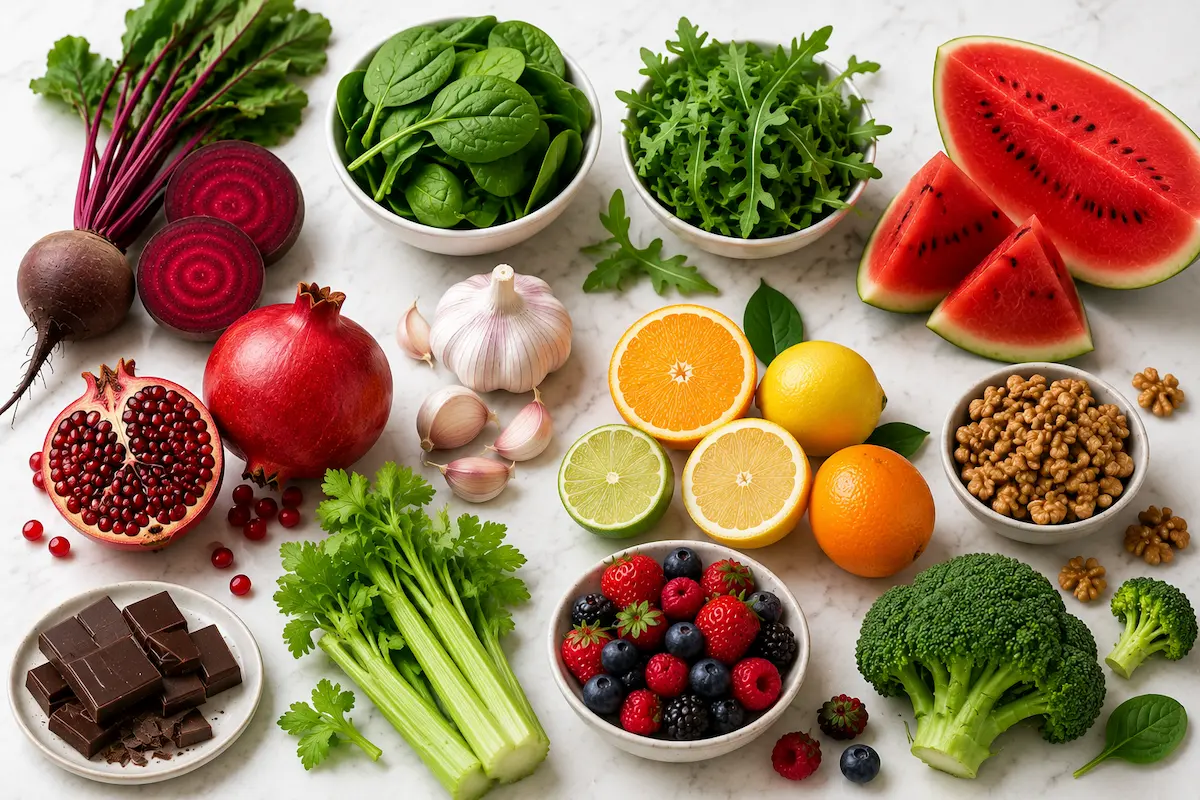
Poor circulation, elevated blood pressure, reduced exercise performance, and slower recovery can all be linked to lower nitric oxide levels.
Nitric oxide is a naturally produced molecule that helps relax blood vessels, improve blood flow, and support healthy blood pressure. As we age, its production gradually declines, and factors such as poor diet, smoking, physical inactivity, and chronic disease can reduce it even further.
Certain foods naturally contain compounds that support nitric oxide production or help protect it from breaking down.
In this article, you’ll discover some of the best foods to help support healthy circulation and blood vessel function.
What Foods Increase Nitric Oxide?
Here are some of the best foods that may naturally support nitric oxide production and promote healthy blood flow.
1. Beetroot
Beetroot is one of the most studied foods for nitric oxide production because it is naturally rich in dietary nitrates. After consumption, the body converts these nitrates into nitric oxide through a series of reactions involving oral bacteria and blood vessels.
It also contains betalains, antioxidant compounds linked to reduced inflammation, oxidative stress, and better blood vessel function.
Research suggests that beetroot may help support blood flow, exercise endurance, and healthy blood pressure levels in some people.
A review of multiple studies found that beetroot juice may slightly improve muscle strength, aerobic endurance, and exercise tolerance, particularly when consumed before exercise.
Athletes often use beetroot juice before workouts because improved oxygen delivery may help reduce fatigue during intense exercise.
2. Spinach
Spinach contains high levels of natural nitrates along with vitamin C and polyphenols that help protect nitric oxide from oxidative damage.
Research suggests that nitrate-rich leafy greens support healthy blood vessel function.
In one study, healthy adults who consumed nitrate-rich spinach daily for seven days experienced improved circulation and modest reductions in blood pressure, benefits researchers attributed in part to its natural nitrate content.
Spinach also provides magnesium and potassium, two minerals that support normal blood vessel relaxation and healthy blood pressure regulation.
3. Arugula
Arugula is one of the most nitrate-rich leafy greens and can contain higher nitrate levels than beetroot.
Its peppery flavor makes it easy to add to salads, sandwiches, wraps, and grain bowls without needing large amounts.
A study in healthy adults found that nitrate-rich vegetables like arugula helped increase nitric oxide-related compounds in the blood and supported healthy blood pressure levels.
Arugula also provides antioxidants that may help support healthy blood vessel function by protecting nitric oxide from oxidative stress.
4. Watermelon
Watermelon supports nitric oxide production through a different mechanism.
It contains citrulline, an amino acid that helps increase arginine levels in the body, which is then used to produce nitric oxide. Researchers suggest that this process may support blood vessel relaxation, circulation, and cardiovascular health.
A meta-analysis of clinical trials found that long-term watermelon consumption and citrulline supplementation may help improve vascular function by supporting nitric oxide production.
However, researchers noted that more studies are still needed to fully understand their effects on cardiovascular and metabolic health.
Watermelon also contributes hydration, which supports healthy circulation and blood volume.
5. Pomegranate
Pomegranate is rich in polyphenols and other antioxidants that may help protect nitric oxide from oxidative breakdown, supporting healthy blood vessel function.
Research suggests that pomegranate may improve blood flow and vascular health.
In one human study, pomegranate juice helped reduce oxidative stress and supported nitric oxide activity, which may help protect blood vessels over time.
While these findings are promising, more high-quality clinical trials are needed to better understand the long-term cardiovascular benefits of pomegranate.
6. Garlic
Garlic may help support nitric oxide production by influencing enzymes involved in nitric oxide synthesis and promoting healthy blood vessel function.
A laboratory study found that compounds in garlic, particularly allicin, may help relax blood vessels through nitric oxide-related mechanisms. Although both animal and human studies have reported promising findings, much of the clinical research has focused on aged garlic extract rather than fresh garlic.
Garlic also contains sulfur compounds that have been linked to cardiovascular health, but more high-quality human studies are needed to better understand its long-term effects on nitric oxide production and circulation.
7. Citrus Fruits
Orange, lemons, sweet lime, and grapefruit provide vitamin C, which plays an important role in protecting nitric oxide from oxidative damage.
Citrus fruits also contain flavonoids that may support nitric oxide activity and vascular function.
A clinical study found that hesperidin, a flavonoid found in citrus fruits, helped increase nitric oxide production and improve endothelial function in people with metabolic syndrome. Researchers also observed reductions in inflammatory markers linked to blood vessel health.
The combination of vitamin C and plant compounds makes citrus fruits valuable for nitric oxide support even though they are not especially high in nitrates themselves.
Whole fruits are generally more beneficial than sugary fruit juices because they contain fiber and lead to a slower blood sugar response.
8. Pumpkin Seeds
Pumpkin seeds provide arginine, an amino acid directly involved in nitric oxide production. Arginine acts as a building block for nitric oxide production, which helps support blood vessel relaxation and circulation.
Pumpkin seeds are also rich in magnesium, zinc, and healthy fats that support vascular health. Magnesium is particularly important because it helps blood vessels relax properly and supports healthy blood pressure regulation.
Although pumpkin seeds are not as heavily studied as beetroot for nitric oxide support, their combination of arginine, minerals, and antioxidants may still help support cardiovascular function over time.
9. Walnuts
Walnuts also contain arginine, which the body uses to produce nitric oxide, helping blood vessels relax and widen properly.
They also provide omega-3 fats, polyphenols, and antioxidants that may help support endothelial function and cardiovascular health.
By helping reduce oxidative stress and supporting healthy blood vessel function, walnuts may create a more favorable environment for nitric oxide activity.
While more research is needed to better understand their direct effects on nitric oxide production, walnuts are a nutritious addition to a heart-healthy diet.
10. Dark Chocolate
Dark chocolate contains flavanols that may help stimulate nitric oxide production inside blood vessels. These flavanols can improve endothelial function and support blood vessel relaxation.
A clinical study found that flavanol-rich cocoa increased nitric oxide levels and improved blood vessel function in smokers within a few hours of consumption. Researchers believe these effects may help support circulation and overall vascular health.
To maximize these benefits, choose dark chocolate with at least 70% cocoa and enjoy it in moderation, as many commercial chocolate products are high in added sugar and calories.
11. Celery
Celery naturally contains nitrates that may help support nitric oxide production and circulation. It also provides plant compounds like apiin, which may help reduce nitric oxide-related inflammation and support vascular health.
Although celery itself has not been studied as extensively as beetroot, research suggests that nitrate-rich vegetables are associated with improved endothelial function and healthy blood flow.
Celery is also high in water content, which supports hydration and healthy blood volume.
12. Berries
Blueberries, strawberries, blackberries, and raspberries contain anthocyanins and other antioxidants that help protect nitric oxide from oxidative breakdown.
Research suggests that blueberry polyphenols may help protect blood vessels by reducing oxidative stress and supporting nitric oxide availability. Scientists believe these effects may help improve endothelial function and support healthier circulation.
These effects may contribute to healthier circulation and cardiovascular health, although more long-term human studies are needed.
13. Broccoli
Broccoli contains vitamin C, polyphenols, and sulfur-containing compounds such as sulforaphane, which may help support nitric oxide activity by protecting blood vessels from oxidative stress.
Laboratory and animal studies suggest that sulforaphane may increase nitric oxide production and improve endothelial function. However, more high-quality human studies are needed to determine whether these effects translate into meaningful cardiovascular benefits.
Although broccoli is not as well studied for nitric oxide production as foods such as beetroot or spinach, it remains a nutritious vegetable that supports overall vascular health.
Habits That Help Preserve Nitric Oxide
Food matters, but daily habits strongly affect nitric oxide levels too.
Regular physical activity is one of the most effective ways to support endothelial function because exercise naturally stimulates nitric oxide production. Walking, cycling, resistance training, and aerobic exercise all help improve circulation over time.
Sleep also matters more than many people realize. Poor sleep is linked to impaired blood vessel function, inflammation, and reduced nitric oxide availability.
Smoking can impair blood vessel function by increasing oxidative stress and inflammation while reducing nitric oxide availability. Excessive intake of ultra-processed foods and added sugars may also impair endothelial function and nitric oxide availability over time.
Even antibacterial mouthwash may interfere with the nitrate-to-nitrite conversion process by disrupting oral bacteria involved in nitric oxide pathways.
One human study found that antiseptic mouthwash reduced nitric oxide-related compounds and slightly increased blood pressure.
Final Thoughts
Nitric oxide isn’t boosted by one food alone. It’s supported by the overall quality of your diet and lifestyle.
Eating a variety of nitrate-rich vegetables, antioxidant-rich fruits, nuts, seeds, and other whole foods, together with regular physical activity, can help support healthy blood vessel function and circulation over time.
Small, consistent habits are what make the biggest difference.
4 thoughts on “13 Nitric Oxide Foods for Better Blood Flow”
Comments are closed.