Braces change the way you eat. Not for a few days. For months.
Your teeth are under constant pressure. The ligaments holding them in place are inflamed. Your bite is unstable. Chewing hard food isn’t just uncomfortable. It can break brackets, bend wires, and slow treatment.
Most people handle this badly. They switch to ultra-soft junk food. Ice cream, instant noodles, sugary yogurt, white bread. Yes, those are soft. They’re also a direct path to plaque buildup around brackets, enamel damage, and weight gain from low-satiety foods.
You need soft food. But you also need structure. Protein for tissue repair. Calcium for enamel. Fiber for gut health. Low added sugar to reduce cavity risk.
A braces-friendly diet has one goal. Keep your mouth healing while keeping your nutrition solid.
This guide covers exactly what to eat, why it works, and how to do it without wrecking your orthodontic progress.
What Makes a Food “Braces Safe”
A food works if it meets three criteria:
- Requires minimal chewing
- Doesn’t stick to brackets or wires
- Supports oral and overall health
Texture matters. Nutrition matters more.
During the first 3–5 days after getting braces or after tightening, you’ll need very soft foods. After that, you can expand your options but still avoid hard, crunchy, sticky, or chewy items.
Soft Foods to Eat With Braces
1. Scrambled Eggs
Eggs are one of the best early-phase foods after adjustments. They’re soft, easy to chew, and rich in complete protein.
Two eggs (100 g) provide over 12 grams of protein plus vitamin B12, choline, and selenium.
Protein helps repair gum tissue stressed by tooth movement.
Keep them moist and lightly cooked. Dry eggs become rubbery and harder to chew.
2. Greek Yogurt
Plain Greek yogurt is ideal when chewing feels uncomfortable. It delivers protein, calcium, and probiotics without requiring effort.
100-gram serving provides about 9 grams of protein and up to 9% of daily calcium needs. Calcium helps maintain enamel strength while braces trap plaque around brackets. If you want to improve your intake further, include more calcium-rich foods in your daily diet.
Probiotics in yogurt also support oral and gut microbiome balance, which matters when brushing becomes harder around brackets.
Choose unsweetened versions. High-sugar yogurt increases cavity risk around brackets.
3. Oatmeal
Soft-cooked oats are filling and gentle on sore teeth.
Oats provide soluble fiber, which helps stabilize blood sugar and supports gut health. One cup of cooked oatmeal offers about 4–6 grams of fiber, magnesium, and iron. Magnesium plays a role in bone health and nerve function.
Cook oats until fully soft and avoid hard toppings like nuts or seeds. Add mashed banana or yogurt for texture and nutrition.
4. Mashed Potatoes
Mashed potatoes are easy to eat during painful adjustment days. They provide carbohydrates for energy and potassium for muscle and nerve function.
One medium potato (167 g) contains 548 mg (12% of the daily value) potassium, which helps maintain fluid balance and muscle function.
Add milk, olive oil, or butter for calories if appetite is low.
Pair with protein like eggs or lentils. Potatoes alone lack protein and won’t keep you full long.
5. Soft Rice with Dal
Well-cooked rice with soft lentils is a staple that works perfectly with braces. Rice provides easy-to-digest carbohydrates. Lentils add protein, iron, and fiber.
One cup of cooked lentils gives about 18 grams of protein and 15 grams of fiber. Iron supports oxygen transport and energy levels, which can dip if you’re eating less due to soreness.
Cook until very soft to avoid chewing strain.
6. Tofu
Tofu requires almost no chewing. It’s one of the best plant-based proteins for braces.
A quarter block (116 g) provides around 8 grams of protein, calcium, and iron. Calcium-set tofu can deliver up to 25% of daily calcium needs, though softer varieties contain less. Protein supports tissue repair. Calcium supports bone remodeling as teeth shift.
Use soft or silken tofu in curries, soups, or scrambled form.
7. Smoothies
Smoothies help when chewing is painful or appetite is low. A well-built smoothie can deliver protein, fiber, and micronutrients in one meal.
Use yogurt, milk, tofu, or protein powder as a base. Add soft fruits like banana or mango.
Avoid seeds that get stuck in brackets. A balanced smoothie can provide 20+ grams of protein, calcium, and antioxidants without chewing strain.
8. Cottage Cheese (Paneer, Soft)
Soft paneer or cottage cheese works well when cut into small pieces. It’s rich in casein protein, which digests slowly and supports tissue repair.
One half-cup provides around 12–14 grams of protein and a solid dose of calcium. Calcium and phosphorus support enamel strength.
Keep it soft and avoid fried or firm cubes that require heavy chewing.
9. Avocado
Avocado is soft, calorie-dense, and nutrient-rich. It provides healthy fats that help with satiety when eating less due to soreness.
One avocado contains about 15 grams of monounsaturated fat, fiber, potassium, and vitamin E. Healthy fats support gum health and reduce inflammation.
Mash it or slice thin.
Avoid chunky preparations that require biting pressure.
9. Smooth Nut Butter (No Crunchy Pieces)
Smooth peanut butter, almond butter, or cashew butter can be eaten in small amounts without heavy chewing.
Two tablespoons provide about 7–8 grams of protein plus healthy fats and magnesium. Healthy fats support satiety and may help manage inflammation in gum tissue.
Use thin layers on soft bread or mix into oatmeal or smoothies. Avoid crunchy versions, which can damage brackets.
10. Soft Cooked Vegetables
Well-cooked vegetables add fiber and micronutrients without chewing strain.
Carrots, pumpkin, zucchini, spinach, and beans can all be cooked until soft. These provide vitamin A, vitamin C, and antioxidants that support gum healing.
Vitamin C is especially important. It helps collagen production and gum tissue repair. Undercooked vegetables are a problem. Cook them until they’re fork-soft.
11. Applesauce or Stewed Apples
Raw apples are risky with braces. Softened apples are safe.
Applesauce provides carbohydrates and small amounts of vitamin C and potassium. While not high in protein, it’s useful when chewing is painful.
Choose unsweetened versions to reduce sugar exposure on brackets. Pair with yogurt or nut butter (smooth) for better nutritional balance.
12. Soft Pasta
Well-cooked pasta is easy to chew and provides energy. Choose softer shapes and cook until tender.
Pair with protein-rich sources like lentil sauce, minced chicken, or tofu.
Pasta alone is mostly carbohydrates. Combine it with protein and vegetables to make it nutritionally balanced. Whole-grain pasta adds fiber and B vitamins.
13. Bananas
Bananas are one of the safest fruits for braces. They’re naturally soft and require minimal chewing.
One banana provides potassium, vitamin B6, and quick energy. Potassium supports nerve and muscle function, which helps when your jaw feels tight.
Mash into oatmeal or yogurt for easier eating.
14. Lentil Soup
Blended or very soft lentil soup works well after adjustments.
Lentils provide protein, fiber, iron, and folate. A bowl can deliver 15–18 grams of protein depending on thickness. Warm soups also improve comfort by increasing blood flow to sore tissues.
Avoid crunchy toppings or undercooked lentils.
15. Soft Fish
Flaky fish like salmon or tilapia is easy to chew and highly nutritious. Fish provides high-quality protein and omega-3 fatty acids. Omega-3s help reduce inflammation in gum tissue.
A serving of salmon delivers about 19 grams of protein and vitamin D, which supports calcium absorption and bone health.
Avoid fried or crispy fish.
16. Hummus
Hummus is smooth, easy to eat, and nutritionally dense. It’s made from chickpeas, which provide plant protein, fiber, iron, and folate.
Two tablespoons offer about 2–3 grams of protein and steady energy from complex carbohydrates. The olive oil and tahini add healthy fats that support gum health and satiety.
Use hummus as a dip with very soft pita or spread it on soft bread.
Avoid pairing it with raw crunchy vegetables unless they are fully cooked.
17. Polenta or Soft Cornmeal
Soft polenta is one of the easiest grains to eat with braces. When cooked well, it has a smooth texture that requires minimal chewing.
It provides carbohydrates for energy plus small amounts of iron and B vitamins.
While not high in protein, it works well when combined with soft paneer, eggs, or lentils.
Polenta is also naturally gluten-free and gentle on sore gums during the first few days after adjustments.
18. Chia Pudding (Well-Soaked)
Chia pudding is made by soaking chia seeds in milk or a dairy-free alternative for several hours or overnight until they form a soft, gel-like consistency.
Once fully soaked, the seeds expand and become smooth and easy to swallow, which makes chia pudding a comfortable option for people with braces.
One ounce (28 g) of chia seeds provide about 5 grams of protein, 10 grams of fiber, along with omega-3 fats, calcium, and magnesium. Omega-3 fats may help support gum health by assisting in managing inflammation.
If you prefer a lighter option, you can also try chia seed water, where the seeds are soaked until fully expanded before drinking.
Avoid consuming dry chia seeds, as they can become lodged around brackets and wires.
19. Soft Meatballs
Very tender meatballs made from finely ground chicken, turkey, lamb or lean beef can be safe with braces when prepared properly. They should be moist and easy to break apart with a fork.
A 3-ounce (85 g) serving provides about 20–22 grams of protein along with iron, zinc, and vitamin B12. Protein supports gum tissue repair after adjustments, while iron and B12 help maintain energy levels if eating less due to soreness.
Cook them by baking or simmering in sauce rather than frying.
Avoid crispy edges or firm, dense meatballs that require strong chewing pressure.
20. Creamy Lentil or Bean Mash
Blended lentils or mashed beans create a smooth, protein-rich option that’s easy to swallow.
Half a cup provides around 7–9 grams of protein and several grams of fiber. Beans also supply magnesium and potassium, which support muscle and nerve function during jaw tightness.
Blend until smooth or mash thoroughly to avoid skins getting caught in brackets. Add olive oil for extra calories if eating feels limited.
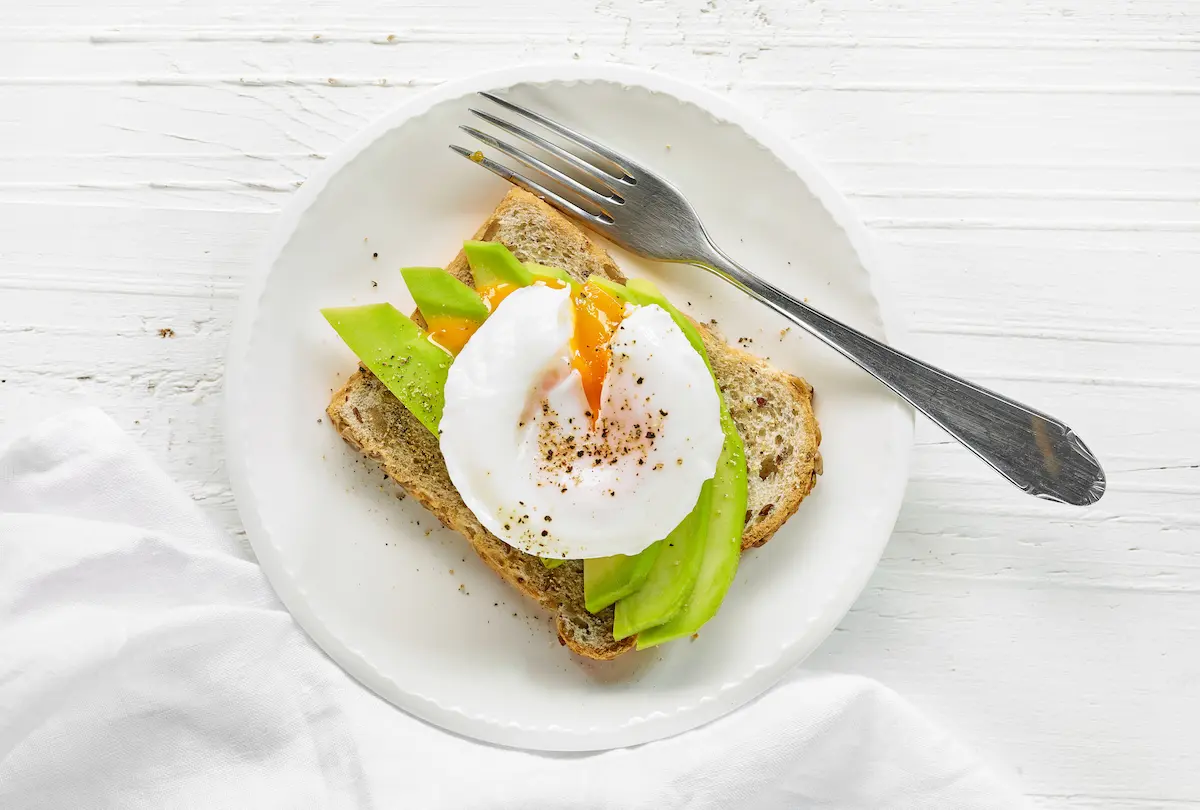
21. Soft Boiled or Poached Eggs
Soft-boiled or poached eggs are gentle on sore teeth and rich in nutrients.
One large egg provides 6.2 grams of high-quality protein plus vitamin D and choline. Protein supports tissue repair, while vitamin D supports calcium use in bone remodeling as teeth shift.
Keep the yolk soft. Hard-boiled eggs can become rubbery and require more chewing pressure.
22. Creamy Soups (Blended Vegetable or Protein-Based)
Blended soups are ideal when chewing feels uncomfortable.
Options like pumpkin soup, tomato soup, or blended chicken and vegetable soup provide hydration, vitamins, and easy calories. Adding lentils, yogurt, or tofu increases protein content.
Warm (not hot) soups can improve comfort by increasing circulation to sore tissues. Avoid soups with chunky vegetables or crispy toppings.
23. Avocado
Avocado is soft, calorie-dense, and nutrient-rich. It provides healthy fats that help with satiety when eating less due to soreness.
One avocado contains about 15 grams of monounsaturated fat, fiber, potassium, and vitamin E. Healthy fats support gum health and reduce inflammation.
Mash it or slice thin.
Avoid chunky preparations that require biting pressure.
24. Soft Pancakes or Soft Flatbread
Soft, fluffy pancakes or well-cooked flatbread can be easier to manage than crusty bread.
They provide carbohydrates for energy, especially helpful when overall intake is reduced due to soreness. Whole-grain versions add fiber and B vitamins.
Avoid crispy edges. Keep portions soft and pair with yogurt or eggs to balance protein intake.
25. Ricotta Cheese (Soft and Fresh)
Ricotta is naturally soft, creamy, and requires almost no chewing.
A half-cup (124 g) provides 9.35 grams of protein along with calcium and phosphorus. These minerals support enamel strength and bone remodeling as teeth shift.
It can be eaten plain, mixed into pasta, or spread on soft toast. Choose fresh, smooth ricotta without herbs or hard mix-ins.
Foods You Must Avoid with Braces
Avoid anything that can break brackets or get trapped:
- Nuts and seeds
- Popcorn
- Hard candy
- Ice
- Sticky caramel
- Chewing gum
- Crunchy chips
- Raw hard vegetables
- Whole apples
Even one broken bracket can delay treatment by weeks.
How to Eat Safely with Braces
Simple habits make a big difference.
- Cut food into small pieces
- Chew slowly and gently
- Avoid biting directly into food with front teeth
- Rinse after every meal
- Brush carefully around brackets
If something feels too hard, it probably is.
First Week After Braces or Adjustments
The first 3–5 days require the softest foods possible.
Best choices:
- Yogurt
- Smoothies
- Scrambled eggs
- Mashed potatoes
- Oatmeal
- Soup
- Soft rice
Pain usually drops after a few days. Expand slowly, but keep avoiding hard foods.
Long-Term Eating with Braces
Once soreness settles, you can eat more variety. But don’t return to crunchy or sticky foods. Every broken bracket extends treatment time.
Focus on:
- Soft proteins
- Cooked vegetables
- Moist grains
- Low-sugar foods
Good nutrition keeps gums healthy and reduces inflammation around moving teeth.
Oral Hygiene Matters More with Soft Foods
Soft foods stick. That’s the problem.
Brush after every meal if possible. At minimum, rinse thoroughly. Use interdental brushes or floss threaders around brackets. Plaque builds quickly when food is soft and frequent.
Calcium-rich foods, low added sugar, and consistent brushing reduce cavity risk during treatment.
Sample One-Day Soft Meal Plan
Breakfast: Oatmeal with yogurt and mashed banana
Snack: Smoothie with milk, banana, and peanut butter (smooth)
Lunch: Soft rice with dal and cooked vegetables
Snack: Cottage cheese with stewed apples
Dinner: Soft fish with mashed potatoes and spinach
Balanced. Soft. High protein. Low risk.
The Bottom Line
Soft food isn’t optional with braces. It’s strategic.
The biggest mistake is going soft but not nutritious. That leads to plaque buildup, low protein intake, and slower healing.
Eat foods that are easy to chew but nutritionally strong. Prioritize protein, calcium, and low sugar. Protect your brackets. Protect your enamel.
Do that, and your treatment stays on track. Your teeth move faster. And when the braces come off, the result is worth it.
6 thoughts on “Soft Foods for Braces: What You Can Actually Eat Without Breaking Brackets”
Comments are closed.