Inflammation isn’t always a bad thing. It’s part of your body’s natural response to injury and infection, helping protect you and support healing. The concern is when inflammation stays active for too long.
Your diet, physical activity, sleep, and stress levels can all influence inflammatory processes in the body.
The good news is that you don’t need extreme diets or expensive supplements to support a healthier inflammatory balance.
In this article, you’ll learn practical ways to reduce inflammation naturally through everyday habits.
How to Lower Inflammation in the Body
There isn’t one food, drink, or supplement that can switch chronic inflammation off. Instead, focus on the habits that consistently support metabolic health, healthy body weight, cardiovascular health, and normal immune function.
1. Eat More Fruits and Vegetables
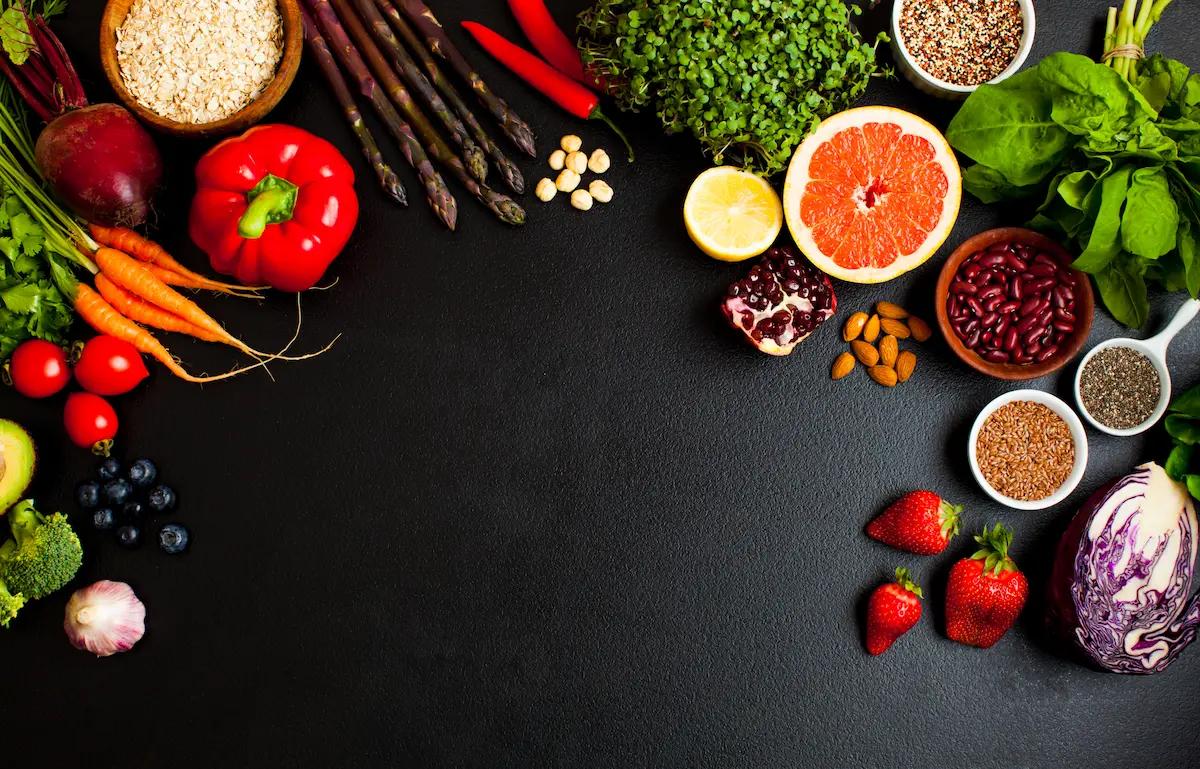
One of the simplest ways to improve your diet is to eat more plants.
Fruits and vegetables provide fiber, vitamins, minerals, polyphenols, and other antioxidant compounds that support overall health.
A review of 83 studies, including 71 clinical trials, found that higher fruit and vegetable intake may help reduce inflammation. The research found lower levels of inflammatory markers, including C-reactive protein (CRP) and TNF-alpha, along with improvements in certain immune cells.
Some particularly nutrient-rich choices include:
- Berries
- Citrus fruits
- Apples
- Pomegranates
- Leafy greens
- Broccoli
- Bell peppers
- Tomatoes
- Carrots
- Cruciferous vegetables
- Pineapple
Try adding different colors to your meals rather than focusing on one “superfood.”
For example, berries at breakfast, leafy greens at lunch, and roasted vegetables at dinner can give you a much wider range of plant compounds throughout the day.
Explore: Top 15 anti-inflammatory foods to add to your diet
2. Eat Fatty Fish Regularly
Fatty fish like salmon, sardines, mackerel, and trout are rich in omega-3 fatty acids, particularly EPA and DHA. A meta-analysis found that both EPA and DHA significantly lowered CRP levels, an important marker of inflammation.
An umbrella review of 32 meta-analyses also found that omega-3 supplementation significantly reduced several inflammatory markers, including CRP, TNF-alpha, and IL-6, in adults with various health conditions.
The American Heart Association recommends eating fish, particularly fatty fish, at least twice a week as part of a heart-healthy diet.
Don’t eat fish? Plant foods such as chia seeds, flaxseeds, and walnuts provide alpha-linolenic acid (ALA), another type of omega-3 fat.
Also read: 15 Omega-3 rich foods to include in your diet
3. Add Nuts and Seeds to Your Diet
Nuts and seeds can also add healthy fats, fiber, and plant compounds to your diet. Walnuts, chia seeds, and flaxseeds are particularly useful sources of plant-based omega-3 ALA.
A 2018 review suggests that nut consumption significantly reduced ICAM-1, an inflammatory marker, but did not significantly affect other inflammatory markers overall. The benefit was more evident in studies lasting 12 weeks or longer.
Research on flaxseed and chia seeds has also found improvements in some inflammatory markers, although the evidence is still limited and more research is needed.
4. Eat More Whole Grains
Whole grains like oats, barley, brown rice, quinoa, and whole-wheat bread contain more fiber and naturally occurring nutrients than refined grains.
Replacing some refined grains with whole grains can increase your fiber intake and make meals more filling.
A meta-analysis of 13 trials indicated that whole-grain consumption significantly lowered hs-CRP and IL-6, two inflammatory markers, but did not significantly reduce TNF-alpha.
However, the evidence isn’t completely consistent. A broader review of 31 trials suggests that only 12 studies showed a significant reduction in at least one inflammatory marker. Benefits were more often seen in people who were overweight, obese, or had existing health conditions, particularly for CRP.
You don’t need to eliminate white rice, bread, or other refined grains completely. Simply make whole grains a regular part of your diet when you can.
5. Exercise Regularly
Physical activity isn’t only about weight loss or fitness. Regular exercise supports cardiovascular health, insulin sensitivity, muscle function, and several processes involved in immune regulation.
You don’t need intense workouts every day. Walking, cycling, swimming, strength training, dancing, and other activities can all contribute to a more active lifestyle.
A review of 11 trials involving 1,250 people found that aerobic exercise significantly reduced CRP, TNF-alpha, and IL-6, three inflammatory markers, in middle-aged and older adults. However, it did not significantly improve IL-4, and more research is needed.
A good starting point is simply to reduce long periods of sitting and choose activities you can perform consistently.
6. Get Enough Sleep
Poor sleep can affect immune function, metabolism, and other processes involved in health.
A 2026 review showed that getting only about 4.5 hours of sleep for at least 3 nights significantly increased inflammatory markers, including IL-6 and CRP. A single night of sleep deprivation did not significantly affect inflammation.
Adults should generally aim for at least 7 hours of sleep per night on a regular basis.
Try to maintain a consistent sleep and wake schedule. A dark, quiet bedroom, regular daytime activity, and avoiding caffeine later in the day may also support better sleep.
If you’re consistently struggling with sleep despite making changes, speak with a healthcare professional rather than relying on supplements or sleep products alone.
7. Manage Chronic Stress
Stress is a normal part of life, but prolonged psychological stress can affect several systems throughout the body. Research suggests that acute stress can increase several inflammatory markers for hours after a stressful event.
You don’t need to eliminate stress completely. Instead, find ways to regularly lower your stress load.
Helpful options may include:
- Walking outdoors
- Exercise
- Breathing exercises
- Meditation
- Spending time with friends
- Hobbies
- Journaling
- Taking regular breaks from work
A meta-analysis showed that psychological interventions produced a small reduction in inflammatory markers. CRP was the only marker that significantly decreased, but the effect was not maintained during follow-up.
8. Limit Alcohol
Heavy alcohol consumption can negatively affect immune function and may contribute to inflammatory changes in the body.
A review of 24 studies found that people with alcohol use disorder had higher levels of circulating inflammatory cytokines than healthy controls. The differences were greatest during active drinking and alcohol withdrawal, suggesting that alcohol use may affect inflammatory activity.
If you drink, less is generally safer than more. And if you don’t drink, there is no health reason to start drinking for supposed anti-inflammatory benefits.
9. Eat Foods Rich in Polyphenols
Polyphenols are naturally occurring plant compounds found in many fruits, vegetables, herbs, spices, tea, coffee, and other foods.
Examples include:
- Berries
- Extra-virgin olive oil
- Green tea
- Cocoa
- Apples
- Onions
- Herbs and spices
Research suggests that polyphenol-rich foods may help support a healthier inflammatory balance.
A 2026 review reported that polyphenol-rich foods may help reduce inflammation and support beneficial gut bacteria in people with overweight or obesity. Whole polyphenol-rich foods were more effective than purified extracts at lowering IL-6 and CRP.
Rather than focusing on one food with an unusually high amount of polyphenols, eating a variety of plant foods is a more practical approach.
10. Eat More Turmeric and Ginger
Turmeric and ginger contain plant compounds that have been studied for their potential effects on inflammation. Turmeric contains curcumin, while ginger contains bioactive compounds called gingerols and shogaols.
A meta-analysis of 66 trials suggests that turmeric or curcumin supplementation significantly reduced CRP, TNF-alpha, and IL-6, while improving several measures of antioxidant activity. However, it did not significantly reduce IL-1β, and most studies examined concentrated supplements rather than culinary amounts.
Ginger has also shown potential. In a meta-analysis of 16 trials, ginger supplementation significantly reduced CRP, hs-CRP, and TNF-alpha levels. However, it did not significantly affect IL-6 or sICAM, and larger studies are needed to confirm these effects.
Try adding turmeric to curries, soups, rice, or roasted vegetables, and use fresh ginger in stir-fries, sauces, or tea. The goal is to include them as part of an overall healthy eating pattern, not to rely on them as a single anti-inflammatory remedy.
Learn more: 11 Signs and symptoms of chronic inflammation in the body
What Foods Should You Avoid to Reduce Inflammation?
You don’t need a long list of foods that are completely forbidden.
Instead, limit foods that are easy to overconsume and provide relatively little nutritional value, such as:
- Sugary drinks
- Highly processed snacks
- Processed meats
- Refined baked goods
- Foods high in added sugars
- Excessive alcohol
- Deep-fried foods eaten frequently
An occasional dessert or fast-food meal isn’t going to suddenly cause chronic inflammation.
Your overall eating pattern matters much more than one meal.
Learn more: 6 Foods that may increase inflammation
Do Anti-Inflammatory Drinks Work?
Some drinks contain compounds that have been studied for their potential effects on inflammation.
Examples include:
- Green tea
- Ginger tea
- Turmeric tea
- Unsweetened coffee
But there’s an important distinction between a drink containing a potentially beneficial compound and a drink that has been proven to reduce chronic inflammation in humans.
You don’t need expensive “detox” drinks or special powders. Water, unsweetened tea, and other minimally processed beverages can easily fit into a healthy diet.
Explore: 10 Anti-inflammatory drinks for a healthy diet
The Bottom Line
If you’re trying to reduce inflammation naturally, you don’t need miracle foods, detoxes, or expensive supplements.
Simple habits like eating more fruits and vegetables, choosing high-fiber foods, exercising regularly, sleeping well, and managing stress can support a healthier inflammatory balance.
You don’t have to change everything at once. Focus on habits you can maintain consistently and remember that persistent or unexplained symptoms need proper medical evaluation rather than trying to manage inflammation on your own.