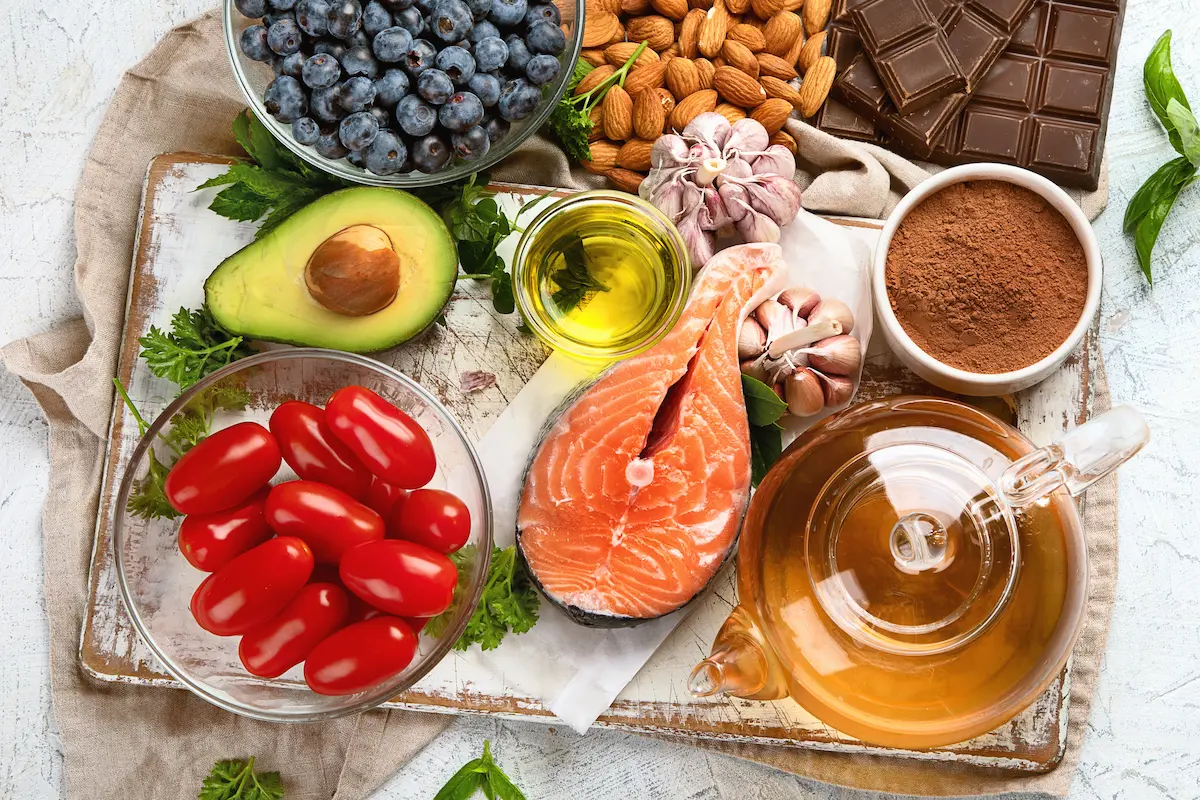
What if the speed at which your skin wrinkles, your energy dips, and your joints stiffen isn’t just about age, but about what’s on your plate each day?
Aging is inevitable. Premature aging is not. The condition of your skin, energy, and cognitive function over time is strongly influenced by what you eat.
Most people focus on creams and treatments, but aging doesn’t start on the surface. It begins within your cells. Every day, your body is either repairing damage or allowing it to accumulate. Collagen is built or broken down. Inflammation is controlled or slowly rising.
Fine lines, dullness, fatigue, and stiffness often reflect oxidative stress, chronic inflammation, and gradual collagen loss. While food can’t stop time, it can influence how quickly these processes progress.
If you want firmer skin, steadier energy, and long-term resilience, your diet is one of the most powerful tools you have.
Anti-Aging Foods
Here are 10 foods that may help slow the aging process and support long-term health.
1. Fatty Fish
Fatty fish like salmon, sardines, mackerel, and trout support healthy aging because they’re rich in omega-3 fats that help control chronic inflammation.
Lower inflammation helps protect collagen, joints, and cardiovascular health. Omega-3s also support the skin barrier, keeping skin smoother and more resilient over time.
Fatty fish also provide vitamin D for bone and immune function, high-quality protein that helps preserve muscle and support collagen production, and selenium for antioxidant defense.
Salmon specifically contains astaxanthin, a carotenoid linked to protection against oxidative stress and skin health. While lab research suggests it may be a powerful antioxidant, more human studies are needed.
Some research, including large genetic analyses and a 3-year trial in older adults, suggests regular omega-3 intake may slightly slow certain biological aging markers. The effects were modest, not dramatic.
Eating fatty fish two to three times per week is enough to provide consistent support.
2. Berries
Berries like blueberries, strawberries, raspberries, and blackberries are rich in antioxidants that help protect cells from daily oxidative stress. Excess oxidative damage breaks down collagen and speeds up visible aging.
They’re also high in vitamin C, which is essential for collagen production and skin repair. Low vitamin C weakens collagen, leading to reduced firmness and slower skin repair over time.
A multi-berry drink made from grapes, pomegranate, black currant, and black chokeberry showed antioxidant activity in lab tests, reducing blue light–induced melanin. In an 8-week study of 40 adults, daily intake improved collagen, wrinkles, texture, pores, and dark spots, while also increasing antioxidant capacity and lowering melanin levels.
Research also suggests berries may support aspects of brain and eye health with age, including memory and visual function, although most findings are modest and still developing.
3. Leafy Green Vegetables
Leafy greens like spinach, kale, arugula, and Swiss chard provide nutrients that support cell turnover and tissue repair. As skin renewal slows with age, this can lead to dullness and uneven tone.
Their vitamins, carotenoids, and plant compounds help protect against oxidative stress and support steady skin renewal. Over time, consistent intake is linked to a brighter, more even complexion and better overall cellular function.
Research also links regular consumption of green leafy vegetables with lower risk of metabolic syndrome, heart disease, and other age-related conditions. Their antioxidants and fiber help reduce oxidative stress, support glucose control, and promote healthier aging.
4. Extra Virgin Olive Oil
Extra virgin olive oil is a core fat in Mediterranean-style diets and is rich in monounsaturated fats and polyphenols that help reduce inflammation and oxidative stress.
Unlike refined oils, high-quality olive oil supports cellular health instead of adding to inflammatory load. Over time, this helps protect skin integrity, joint comfort, and cardiovascular function.
Research in aging populations supports these effects.
In a recent study of 180 physically active adults aged 41–80 following a Mediterranean diet, those consuming at least 4 tablespoons of extra virgin olive oil daily showed weaker age-related declines in physical health and bodily pain compared with those consuming less.
Use it as your main oil for low to moderate heat or drizzle over vegetables and salads. Choose cold-pressed extra virgin varieties for higher polyphenol content.
5. Nuts and Seeds
Nuts and seeds like almonds, walnuts, chia, flax, and pumpkin seeds provide vitamin E, zinc, healthy fats, and trace minerals that support collagen formation, skin repair, and overall cellular health.
Vitamin E helps protect cell membranes from oxidative damage, while zinc supports regeneration and wound healing. Low intake of these nutrients is linked to thinner skin and slower recovery from irritation.
A 2019 review of clinical trials and cohort studies in adults aged 55 and older found that eating nuts regularly may help delay age-related diseases. Their healthy fats and antioxidants support cholesterol, inflammation, blood vessels, and cognition, potentially improving health span and longevity.
Broader population evidence shows similar patterns.
A large review found that eating about 28–30 grams of nuts and seeds daily was linked to roughly a 20% lower risk of heart disease and premature death, along with lower cancer mortality.
A small handful each day is enough to support overall health. Choose raw or dry-roasted options without added sugar or excess salt.
6. Avocados
Avocados are rich in monounsaturated fats that support skin hydration from the inside out. While many people focus only on external moisturizers, internal hydration and fat intake are just as important for maintaining smooth skin.
The healthy fats in avocados help maintain the skin’s lipid barrier, which reduces moisture loss and improves elasticity. They also enhance the absorption of fat-soluble nutrients from vegetables, making your meals more effective overall.
Adding half an avocado to a salad, toast, or grain bowl is a practical way to include it regularly.
7. Tomatoes
Tomatoes contain lycopene, a powerful antioxidant that helps protect the skin from sun damage by neutralizing free radicals. They don’t replace sunscreen, but regular intake supports the skin’s natural defense systems.
Tomatoes also provide vitamin C, which supports collagen production and helps maintain skin firmness over time.
Higher lycopene intake is linked to lower oxidative stress and a reduced risk of conditions such as heart disease, certain cancers, and age-related macular degeneration. It may also help protect bone tissue from oxidative stress linked to osteoporosis, a condition that becomes more common with age.
Cooked tomatoes, like those in sauces and soups, provide more absorbable lycopene than raw tomatoes.
8. Green Tea
Green tea is rich in polyphenols that reduce inflammation and oxidative stress, two major drivers of collagen breakdown. Over time, this may help maintain skin firmness and clarity.
It’s also a smart swap for sugary drinks. Less sugar means less glycation, the process that stiffens collagen and contributes to wrinkles and dull skin.
Green tea catechins, especially EGCG and ECG, have also been studied for their anti-aging potential. Animal research in worms and mice shows promising effects on lifespan and cellular aging.
In humans, a 6-year study of 1,952 adults found that drinking at least one cup daily was linked to less telomere shortening, a marker of biological aging. The effect was stronger in women and adults aged 50 to 64. Soft drinks showed the opposite trend, while coffee showed no clear link.
Green tea may also support brain health. EGCG can cross into the brain and promote nerve cell growth. Its breakdown products from gut bacteria may add delayed benefits. Meanwhile, theanine and arginine help reduce stress, which protects the brain from accelerated aging. However, very high caffeine and EGCG levels can reduce this calming effect, so balance matters.
One to two cups per day is enough. Drink it plain or lightly sweetened.
9. Fermented Foods
Fermented foods such as yogurt with live cultures, kefir, sauerkraut, and kimchi support a balanced gut microbiome. Gut health directly influences inflammation levels throughout the body, including the skin.
When the gut is imbalanced, inflammation increases, which can worsen breakouts, redness, and uneven texture. Supporting gut bacteria improves nutrient absorption and immune balance, both of which are essential for healthy aging.
Some fermented foods may provide additional skin-supporting benefits beyond gut health. Fermented soy products, such as fermented soymilk or soy yogurt, may offer extra anti-aging advantages compared to regular soy foods.
During fermentation, beneficial bacteria break down soy compounds into forms that are easier for the body to absorb. This process increases antioxidant activity, helping reduce oxidative stress, a major factor linked to skin aging and wrinkle formation.
Research also suggests fermented soy products may support collagen production and help protect skin cells from environmental damage, contributing to healthier, more resilient skin over time.
Kimchi provides another example of how fermentation enhances nutritional benefits. It contains beneficial compounds such as polyphenols, carotenoids, and sulfur compounds that help reduce oxidative stress, support protective skin enzymes, and promote collagen, elastin, and hydration, helping maintain youthful and resilient skin.
Including a small serving of fermented food daily can strengthen this connection between gut and skin health.
10. Dark Chocolate
High-quality dark chocolate with a high cocoa content contains natural compounds that support circulation. Better circulation improves nutrient and oxygen delivery to the skin, which supports a healthier appearance over time.
Dark chocolate also provides antioxidants that help protect against oxidative stress.
A study in rats found that diets containing raw cacao powder helped reduce oxidative stress associated with aging. Cacao lowered harmful oxidative markers, improved brain function, increased antioxidant enzyme activity, and reduced cell damage, suggesting potential protective effects against age-related neurological decline.
Portion control is important. A small square or two is enough to gain benefits without excess sugar intake.
Foods That Accelerate Aging
While adding protective foods is important, reducing harmful ones is equally critical. Excess sugar is one of the biggest contributors to premature aging. High sugar intake leads to glycation, which stiffens collagen and weakens skin structure. This process contributes directly to wrinkles and loss of firmness.
Highly processed foods also promote inflammation and disrupt gut health. These foods often contain refined oils, excess sodium, and additives that increase oxidative stress. Over time, they accelerate internal and external aging.
Excess alcohol dehydrates the skin, interferes with sleep, and increases inflammatory stress. Poor sleep alone can accelerate collagen breakdown and dull the complexion.
Reducing these foods creates space for the protective foods to work more effectively.
How to Eat for Long-Term Youthful Health
An anti-aging diet does not require complicated rules. Focus on whole foods, healthy fats, quality protein, colorful vegetables, and stable blood sugar. Balance each meal with protein, fiber, and healthy fat to prevent glucose spikes that damage collagen over time.
Hydration also matters. Water supports circulation, detoxification, and skin plumpness. Consistent sleep, strength training, and sun protection further enhance the benefits of proper nutrition.
Aging well is not about chasing youth. It is about protecting your cells so they function efficiently for as long as possible. The foods you choose daily either support that goal or work against it. Small, consistent changes create visible and measurable differences over time.
Final Thoughts
There is no single anti-aging food that will erase wrinkles overnight. Aging is shaped by daily patterns, not quick fixes.
When you consistently choose nutrient-dense foods, you support collagen production, reduce inflammation, and protect your cells from ongoing damage. Over time, this translates into firmer skin, steadier energy, and greater resilience.
Healthy aging is not about looking younger than your age. It is about maintaining strength, clarity, and vitality as the years pass. Small, consistent food choices matter more than extreme changes. Your next meal is an opportunity to support how you age.
3 thoughts on “10 Foods That Support Healthy Aging”
Comments are closed.