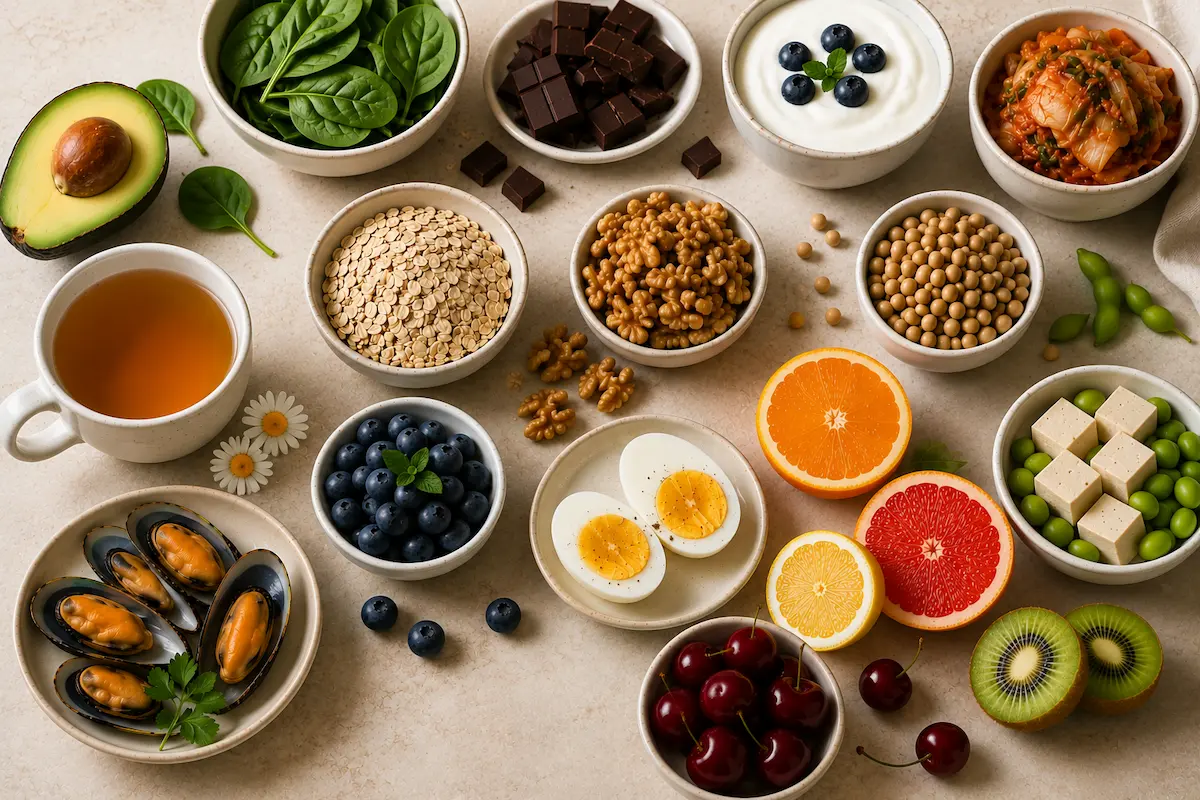
Stress affects far more than mood. It can disrupt sleep, digestion, energy levels, focus, and eating habits, leading many people to reach for sugary or highly processed comfort foods that provide only temporary relief.
While food cannot eliminate stress, a balanced diet rich in nutrients like magnesium, omega-3 fats, antioxidants, probiotics, vitamin C, and complex carbohydrates can support nervous system function, stable energy, better sleep, and recovery.
This article discusses some of the best foods to help relieve stress and why they deserve a place in your diet.
Best Stress-Relieving Foods Backed by Science
Here are some of the best foods that may help lower stress and improve your mood.
1. Pumpkin Seeds
Pumpkin seeds are surprisingly rich in magnesium, a mineral involved in hundreds of processes in the body, including nervous system function and muscle relaxation.
Some research suggests that low magnesium levels may be linked to higher stress and anxiety levels. Chronic stress may also increase magnesium loss in the body, which could further affect mood, sleep, and stress response.
A review of 18 studies found that magnesium supplements may help reduce anxiety symptoms in some people, particularly those already vulnerable to stress or anxiety. However, researchers noted that more high-quality studies are still needed.
Pumpkin seeds also provide zinc, iron, healthy fats, and plant-based protein, making them far more nutritious than many packaged snack foods.
A small handful can be added to yogurt, oatmeal, salads, or smoothies to boost the nutritional value of a meal.
2. Dark Chocolate
Dark chocolate is one of the few stress-relief foods people actually enjoy eating.
It naturally contains flavonoids and small amounts of magnesium, which may help support blood flow, brain function, and the body’s stress response.
A study in healthy men found that eating flavonoid-rich dark chocolate before a stressful task helped reduce cortisol and adrenaline responses compared to placebo chocolate. Researchers suggested dark chocolate may help protect the body from some physical effects of acute stress, although more research is still needed.
Another study found that eating 85% dark chocolate daily for three weeks helped reduce negative mood states in healthy adults. Researchers also observed changes in gut bacteria, suggesting dark chocolate may influence mood through the gut-brain connection.
The key word is moderation.
Highly processed chocolate products loaded with sugar are not the same as minimally processed dark chocolate with a high cocoa content.
3. Fatty Fish
Fatty fish like salmon, sardines, and mackerel are some of the most researched foods for stress support because they are rich in omega-3 fatty acids.
Omega-3 fats help support brain health and may help regulate inflammation, which can become elevated during chronic stress.
A 2024 review found that omega-3 supplements may help reduce anxiety symptoms, especially at doses around 2 grams per day. However, researchers noted that the evidence was still considered low certainty and that more high-quality studies are needed.
Fatty fish are also one of the richest dietary sources of vitamin D, a nutrient linked to mental well-being.
An umbrella review of multiple studies found that people with lower vitamin D levels were more likely to experience depressive symptoms, while some studies suggest vitamin D supplements may help improve symptoms in certain individuals, although results across studies have been inconsistent.
Including fatty fish a few times per week may help support mood, sleep quality, and overall nervous system health.
4. Yogurt
Yogurt, especially probiotic yogurt with live cultures, may help support the gut-brain connection, which plays an important role in mood and stress regulation.
A study in postmenopausal women found that consuming probiotic yogurt daily for six weeks helped improve stress and anxiety scores compared to regular yogurt. However, researchers noted that more studies are still needed.
Another review of 46 trials found that probiotics may help lower cortisol, one of the body’s main stress hormones, although the evidence was considered low certainty.
Choosing unsweetened yogurt with live cultures may offer more benefits than heavily sweetened flavored varieties.
5. Fermented Foods
Fermented foods like kimchi, kefir, sauerkraut, and traditional fermented pickles contain beneficial bacteria that may help support gut health.
Research suggests that these foods provide bioactive compounds that may influence the gut-brain axis, a communication network between the digestive system and the brain.
While fermented foods are not a cure for anxiety or stress, maintaining a healthy gut may play a role in overall well-being.
One small human study found that people who followed a diet rich in prebiotic and fermented foods for four weeks reported lower levels of perceived stress. However, more high-quality research is needed to determine the specific effects of fermented foods on mental health.
Many fermented foods also add flavor and variety to meals without relying heavily on processed sauces and additives.
If you are new to fermented foods, start with small portions. Eating large amounts too quickly may lead to temporary bloating, gas, or other digestive discomfort in some people.
6. Matcha Powder
Matcha is a finely ground green tea powder that provides antioxidants, caffeine, and L-theanine, an amino acid that may help promote relaxation. The combination of caffeine and L-theanine has attracted attention for its potential to support alertness while helping you stay calm and focused.
In one small human study, people who consumed matcha daily for 15 days had lower levels of a biological stress marker compared with those who consumed a placebo. While more research is needed, these findings suggest that matcha may be a helpful addition to a stress-supportive diet.
Matcha is easy to incorporate into your routine. You can enjoy it as a warm tea or add it to smoothies, yogurt, oatmeal, or homemade energy bites. Since matcha contains caffeine, it may be best enjoyed earlier in the day if you are sensitive to its stimulating effects.
7. Oats
Oats are rich in complex carbohydrates and fiber, particularly beta-glucan, which helps slow digestion and support steadier blood sugar levels. Oats may help reduce sharp rises in blood sugar after meals, which can support more stable energy levels throughout the day.
Blood sugar swings can contribute to fatigue, cravings, irritability, and low energy, especially during stressful periods. Oats also provide magnesium and other nutrients that support normal nervous system function.
Interestingly, a small study found that oat beta-glucan supplementation was associated with improvements in symptoms such as fatigue, difficulty concentrating, headaches, and anxiety in some participants, although more research is needed to confirm these effects.
8. Avocados
Avocados provide antioxidants, magnesium, fiber, healthy fats, and folate, nutrients that support brain and nervous system health.
Magnesium plays an important role in the body’s stress-response systems and may help regulate mood by influencing several brain pathways involved in stress and emotional well-being. Research also suggests that magnesium may help modulate the release of certain stress-related hormones and neurochemicals involved in the body’s response to stress.
The fiber and healthy fats in avocados may also support the gut-brain axis, which plays an important role in communication between the gut and the brain.
Although avocados have not been shown to directly reduce stress, they can be a nutritious addition to a balanced diet that supports overall mental and physical health.
9. Spinach
Spinach is rich in magnesium, folate, and antioxidants, nutrients that support brain and nervous system health.
Magnesium plays an important role in the body’s stress-response systems and may help regulate stress-related hormones and brain pathways involved in emotional well-being.
Folate also plays a key role in mood regulation. In fact, 100 grams of cooked spinach provides about 37% of the Daily Value for folate.
An umbrella review found that people with low folate levels were more likely to experience depression, highlighting the importance of getting enough folate from foods.
10. Lentils
Lentils are packed with fiber, folate, magnesium, and plant-based protein, making them a nutrient-dense food that may help support both physical and mental well-being.
Folate is involved in the production of neurotransmitters that help regulate mood, while magnesium plays an important role in the body’s stress-response systems. The fiber in lentils also nourishes beneficial gut bacteria, helping support the gut-brain axis.
Although lentils won’t eliminate stress on their own, they can be a valuable part of a balanced dietary pattern that supports mental well-being..
11. Chamomile Tea
Chamomile tea has traditionally been used as a calming herbal tea for relaxation and sleep support.
Research provides some support for these traditional uses.
A review of 10 clinical trials found that 9 studies reported benefits of chamomile for reducing anxiety symptoms. Researchers believe compounds in chamomile, including apigenin, may influence brain pathways involved in stress and anxiety.
While chamomile isn’t a cure for stress, it may help support relaxation and sleep quality as part of a healthy lifestyle.
12. Green Tea
Green tea contains moderate amounts of caffeine along with L-theanine, an amino acid known for its potential calming effects.
A 2020 review found that L-theanine may help reduce stress and anxiety in people exposed to stressful situations. Combined with the moderate amount of caffeine in green tea, it may promote a state of calm alertness rather than the jitteriness some people experience with larger amounts of caffeine.
People who are sensitive to caffeine, however, may find that excessive green tea intake increases feelings of stress or anxiety.
13. Walnuts
Walnuts provide omega-3 fats, antioxidants, magnesium, and healthy fats that support brain health.
Their omega-3 fats may help support emotional well-being and have been associated with lower anxiety symptoms.
In a study involving university students, participants who ate about 7 whole walnuts (56 grams) daily showed better mental health indicators during periods of academic stress. Researchers also observed potential benefits for stress-related biomarkers and gut health, although further studies are needed to better understand these effects.
14. Blueberries
Blueberries are rich in antioxidants called anthocyanins, which help protect cells from oxidative stress. This may be particularly important because chronic psychological stress can increase oxidative stress in the body over time.
In a 12-week trial, people with depression or anxiety who consumed blueberry powder daily experienced improvements in symptoms of both conditions compared with a placebo group. While more research is needed, these findings suggest that blueberries may help support emotional well-being as part of a balanced diet.
Blueberries also provide vitamin C and fiber while adding natural sweetness to meals. Fresh or frozen blueberries work well in smoothies, yogurt bowls, oatmeal, and snacks.
15. Eggs
Eggs provide high-quality protein along with choline, selenium, vitamin B12, and several other nutrients involved in brain and nervous system function.
A large study of more than 8,000 older adults found that people who ate eggs regularly had a lower risk of developing depressive symptoms over six years. Participants who ate three or more eggs per week had the lowest risk, although more research is needed to confirm this association.
Protein-rich foods may also help support more stable blood sugar levels compared with meals centered mostly around refined carbohydrates. Eggs are versatile, affordable, and easy to prepare, making them a practical option during stressful periods when motivation to cook may be low.
16. Citrus Fruits
Citrus Fruits
Citrus fruits such as oranges, mandarins, grapefruit, and lemons are rich in vitamin C, antioxidants, and fiber.
Research suggests that vitamin C plays a role in the body’s stress response, and supplementation has been associated with lower cortisol responses to physical and psychological stressors.
In a large long-term study, people who regularly consumed citrus fruits had a lower risk of depression. Researchers also observed differences in gut bacteria linked to mood regulation, suggesting that the gut microbiome may partly explain the relationship between citrus intake and emotional well-being. However, more research is needed to better understand this connection.
Citrus fruits such as oranges, mandarins, grapefruit, and lemons are rich in vitamin C, antioxidants, and fiber.
Research suggests that vitamin C plays a role in the body’s stress response, and vitamin C supplementation has been associated with lower cortisol responses to physical and psychological stressors.
In a large long-term study, people who consumed citrus fruits regularly had a lower risk of depression. Researchers also observed changes in gut bacteria linked to mood regulation, suggesting that the gut microbiome may help explain the connection between citrus intake and emotional well-being.
17. Soy Foods
Soy foods such as tofu, tempeh, edamame, and soy milk are rich in protein and provide nutrients such as iron, calcium, and magnesium.
A 6-year study involving more than 6,000 older adults found that people who consumed soy products more frequently had a lower risk of depression. Participants who ate soy foods four to seven days per week had a substantially lower risk of depressive symptoms than non-consumers.
Soy foods are versatile and easy to include in everyday meals. Tofu can be added to stir-fries, curries, soups, salads, and grain bowls, while edamame and soy milk make convenient snacks and additions to balanced meals.
18. Shellfish
Shellfish such as oysters, mussels, clams, crab, and shrimp provide high-quality protein along with zinc, vitamin B12, selenium, iron, and other nutrients involved in brain and nervous system function.
Oysters are particularly rich in zinc, a mineral involved in neurotransmitter activity, brain function, and mood regulation. Research suggests that lower zinc levels are associated with anxiety, while higher zinc intake may help support emotional well-being.
Shellfish are also one of the richest dietary sources of taurine, an amino acid involved in several nervous system functions. In an animal study, taurine helped reduce anxiety-like behaviors and dampened cortisol responses following stress, although human research is still limited.
19. Kiwi
Kiwi is rich in vitamin C, fiber, antioxidants, and several other nutrients that support overall health. Its fiber content may also help support a healthy gut microbiome, which plays an important role in gut-brain communication.
Research suggests that kiwi may support psychological well-being.
A 2022 review found that consuming two gold kiwifruit daily was associated with lower mood disturbance and fatigue, along with improvements in well-being and vitality. The benefits appeared to be greatest among individuals with higher levels of mood disturbance at the start of the studies.
Kiwi is also naturally sweet, refreshing, and easy to include in the diet. It can be eaten on its own or added to fruit salads, yogurt bowls, smoothies, and breakfast dishes for a nutrient-rich snack or meal addition.
20. Cherries
Cherries provide antioxidants, polyphenols, vitamin C, and other beneficial plant compounds that support overall health. They also contain small amounts of melatonin and other compounds that may help support healthy sleep patterns.
Studies have found that both sweet and tart cherries may help improve sleep quality and sleep duration. Some studies involving sweet cherries have also reported lower cortisol levels, reduced anxiety, and improvements in mood, although more research is needed to confirm these effects.
Because stress and poor sleep often go hand in hand, foods that support restful sleep may indirectly support emotional well-being and resilience to everyday stress.
Other Habits That Matter for Stress
Food is only one part of stress management.
Someone eating a nutrient-dense diet while sleeping four hours per night and working nonstop under constant pressure will still struggle.
Some of the most effective habits for stress management include:
- Getting consistent sleep
- Moving your body regularly
- Spending time outdoors
- Reducing excessive caffeine intake
- Limiting ultra-processed foods
- Staying hydrated
- Maintaining social connections
- Taking breaks from screens and work
Nutrition works best when it supports these habits instead of trying to replace them.
Final Thoughts
No single food can eliminate stress, but your overall diet can influence how well your body responds to it.
Rather than relying on so-called stress-relief superfoods, focus on eating a balanced diet rich in whole, nutrient-dense foods.
Combined with healthy lifestyle habits, these consistent choices can help support long-term physical and mental well-being.